Electroporation In Cancer Therapy: Parameters For Tumor Ablation
AUG 21, 20259 MIN READ
Generate Your Research Report Instantly with AI Agent
Patsnap Eureka helps you evaluate technical feasibility & market potential.
Electroporation Background
Electroporation, a technique that utilizes electric fields to increase cell membrane permeability, has emerged as a promising approach in cancer therapy. This method, also known as electropermeabilization, involves the application of short, high-voltage electrical pulses to create temporary pores in cell membranes, allowing for enhanced drug delivery or direct tumor ablation.
The concept of electroporation was first discovered in the 1970s, with initial applications focused on gene transfer and cell fusion. Over the past few decades, researchers have extensively explored its potential in various fields, including medicine, biotechnology, and food processing. In the context of cancer treatment, electroporation has gained significant attention due to its ability to selectively target tumor cells while minimizing damage to surrounding healthy tissues.
The fundamental principle behind electroporation lies in the disruption of the cell membrane's lipid bilayer structure. When exposed to an electric field of sufficient strength, the membrane undergoes a rapid rearrangement, forming transient aqueous pores. These pores allow for the passage of molecules that would otherwise be unable to cross the cell membrane, such as drugs, genes, or proteins.
In cancer therapy, electroporation has been applied in two primary modalities: electrochemotherapy and irreversible electroporation. Electrochemotherapy combines electroporation with chemotherapeutic agents, enhancing drug uptake and efficacy. Irreversible electroporation, on the other hand, utilizes stronger electric fields to induce permanent membrane disruption, leading to cell death without the need for additional drugs.
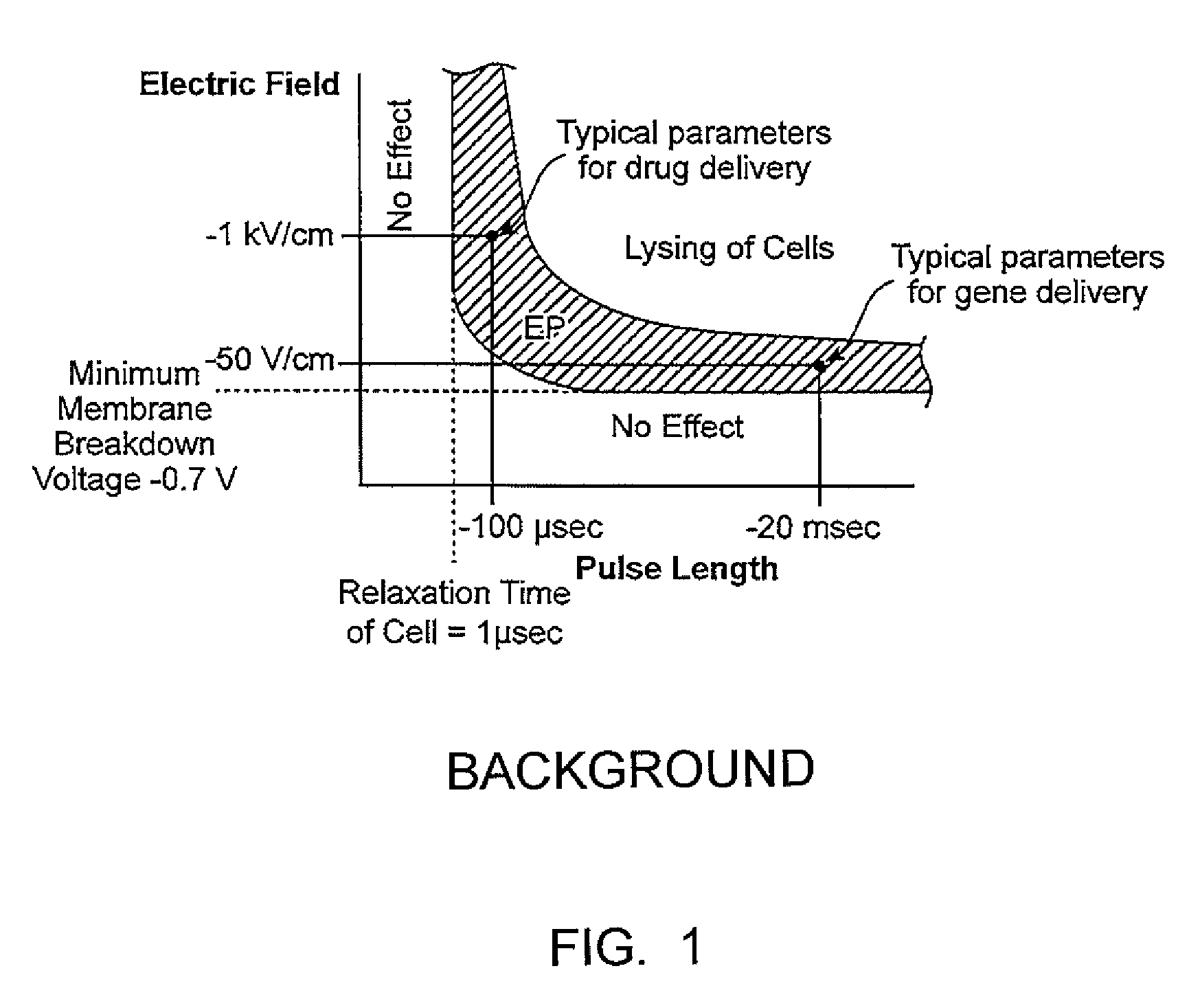
The effectiveness of electroporation in cancer treatment depends on various parameters, including electric field strength, pulse duration, number of pulses, and electrode configuration. These factors collectively determine the extent of membrane permeabilization and the resulting biological effects. Researchers have dedicated considerable effort to optimizing these parameters for different tumor types and treatment objectives.
As the field of electroporation in cancer therapy has evolved, numerous clinical trials and studies have demonstrated its potential for treating a wide range of solid tumors, including those in the liver, pancreas, prostate, and skin. The technique has shown particular promise in cases where traditional surgical approaches are challenging or contraindicated.
The development of advanced electrode designs and pulse generators has further expanded the applicability of electroporation in clinical settings. These technological advancements have enabled more precise and controlled delivery of electric fields, improving treatment outcomes and reducing potential side effects.
The concept of electroporation was first discovered in the 1970s, with initial applications focused on gene transfer and cell fusion. Over the past few decades, researchers have extensively explored its potential in various fields, including medicine, biotechnology, and food processing. In the context of cancer treatment, electroporation has gained significant attention due to its ability to selectively target tumor cells while minimizing damage to surrounding healthy tissues.
The fundamental principle behind electroporation lies in the disruption of the cell membrane's lipid bilayer structure. When exposed to an electric field of sufficient strength, the membrane undergoes a rapid rearrangement, forming transient aqueous pores. These pores allow for the passage of molecules that would otherwise be unable to cross the cell membrane, such as drugs, genes, or proteins.
In cancer therapy, electroporation has been applied in two primary modalities: electrochemotherapy and irreversible electroporation. Electrochemotherapy combines electroporation with chemotherapeutic agents, enhancing drug uptake and efficacy. Irreversible electroporation, on the other hand, utilizes stronger electric fields to induce permanent membrane disruption, leading to cell death without the need for additional drugs.
The effectiveness of electroporation in cancer treatment depends on various parameters, including electric field strength, pulse duration, number of pulses, and electrode configuration. These factors collectively determine the extent of membrane permeabilization and the resulting biological effects. Researchers have dedicated considerable effort to optimizing these parameters for different tumor types and treatment objectives.
As the field of electroporation in cancer therapy has evolved, numerous clinical trials and studies have demonstrated its potential for treating a wide range of solid tumors, including those in the liver, pancreas, prostate, and skin. The technique has shown particular promise in cases where traditional surgical approaches are challenging or contraindicated.
The development of advanced electrode designs and pulse generators has further expanded the applicability of electroporation in clinical settings. These technological advancements have enabled more precise and controlled delivery of electric fields, improving treatment outcomes and reducing potential side effects.
Cancer Therapy Market
The global cancer therapy market has been experiencing significant growth, driven by the increasing prevalence of cancer worldwide and the continuous advancements in treatment technologies. As of 2021, the market was valued at approximately $158 billion, with projections indicating a compound annual growth rate (CAGR) of 9.15% from 2022 to 2030. This robust growth is attributed to several factors, including the rising incidence of cancer, aging populations, and the introduction of innovative therapies.
Within this expansive market, electroporation-based cancer therapies are emerging as a promising segment. While still a relatively niche area, the electroporation market for cancer treatment is expected to grow at a CAGR of 19.7% from 2021 to 2028. This growth is fueled by the increasing adoption of minimally invasive procedures and the potential of electroporation to enhance drug delivery in cancer treatments.
The demand for more effective and less invasive cancer therapies is a key driver in the market. Electroporation, particularly when used for tumor ablation, addresses this need by offering a targeted approach with potentially fewer side effects compared to traditional chemotherapy or radiation. The technique's ability to increase cell membrane permeability selectively has garnered attention from both clinicians and patients seeking alternative treatment options.
Geographically, North America currently dominates the cancer therapy market, accounting for approximately 42% of the global market share. This is largely due to the presence of advanced healthcare infrastructure, high healthcare expenditure, and a strong focus on research and development. However, the Asia-Pacific region is expected to witness the fastest growth in the coming years, with a projected CAGR of 11.3% from 2022 to 2030.
The market for electroporation in cancer therapy is still in its early stages, with significant potential for growth. As clinical trials progress and more data becomes available on the efficacy of electroporation for tumor ablation, it is anticipated that market adoption will accelerate. The technique's versatility in treating various types of solid tumors, including those in hard-to-reach locations, positions it as a valuable addition to the cancer treatment arsenal.
Despite the promising outlook, challenges remain in the widespread adoption of electroporation for cancer therapy. These include the need for standardization of protocols, optimization of treatment parameters, and long-term efficacy data. Additionally, reimbursement policies and regulatory approvals will play crucial roles in shaping the market landscape for this innovative approach to cancer treatment.
Within this expansive market, electroporation-based cancer therapies are emerging as a promising segment. While still a relatively niche area, the electroporation market for cancer treatment is expected to grow at a CAGR of 19.7% from 2021 to 2028. This growth is fueled by the increasing adoption of minimally invasive procedures and the potential of electroporation to enhance drug delivery in cancer treatments.
The demand for more effective and less invasive cancer therapies is a key driver in the market. Electroporation, particularly when used for tumor ablation, addresses this need by offering a targeted approach with potentially fewer side effects compared to traditional chemotherapy or radiation. The technique's ability to increase cell membrane permeability selectively has garnered attention from both clinicians and patients seeking alternative treatment options.
Geographically, North America currently dominates the cancer therapy market, accounting for approximately 42% of the global market share. This is largely due to the presence of advanced healthcare infrastructure, high healthcare expenditure, and a strong focus on research and development. However, the Asia-Pacific region is expected to witness the fastest growth in the coming years, with a projected CAGR of 11.3% from 2022 to 2030.
The market for electroporation in cancer therapy is still in its early stages, with significant potential for growth. As clinical trials progress and more data becomes available on the efficacy of electroporation for tumor ablation, it is anticipated that market adoption will accelerate. The technique's versatility in treating various types of solid tumors, including those in hard-to-reach locations, positions it as a valuable addition to the cancer treatment arsenal.
Despite the promising outlook, challenges remain in the widespread adoption of electroporation for cancer therapy. These include the need for standardization of protocols, optimization of treatment parameters, and long-term efficacy data. Additionally, reimbursement policies and regulatory approvals will play crucial roles in shaping the market landscape for this innovative approach to cancer treatment.
Electroporation Challenges
Despite the promising potential of electroporation in cancer therapy, several significant challenges persist in its application for tumor ablation. One of the primary obstacles is the difficulty in achieving uniform and consistent electric field distribution throughout the target tissue. The heterogeneous nature of tumors, including variations in cell density, extracellular matrix composition, and blood flow, can lead to uneven electroporation effects. This non-uniformity may result in incomplete tumor ablation, leaving viable cancer cells that could potentially lead to recurrence.
Another critical challenge is the optimization of electroporation parameters for different tumor types and locations. The optimal voltage, pulse duration, and number of pulses can vary significantly depending on the specific characteristics of the tumor and surrounding tissues. Determining these parameters for each unique case remains a complex task, requiring a delicate balance between achieving effective tumor ablation and minimizing damage to healthy surrounding tissues.
The potential for thermal damage during electroporation is also a concern. While electroporation is primarily a non-thermal technique, the application of high-voltage electric pulses can generate localized heating. This thermal effect may lead to unintended tissue damage and complicate the interpretation of treatment outcomes. Developing strategies to mitigate thermal effects while maintaining effective electroporation is an ongoing challenge in the field.
Furthermore, the limited penetration depth of electric fields poses a significant hurdle in treating deep-seated or large tumors. As the distance from the electrodes increases, the electric field strength decreases, potentially resulting in inadequate electroporation of cells at the tumor periphery. This limitation necessitates the development of advanced electrode designs and placement strategies to ensure comprehensive tumor coverage.
The real-time monitoring and assessment of electroporation efficacy during treatment remain challenging. Current imaging techniques lack the spatial and temporal resolution to provide immediate feedback on the extent of cell membrane permeabilization and subsequent cell death. This limitation hinders the ability to adjust treatment parameters in real-time, potentially leading to suboptimal outcomes.
Lastly, the integration of electroporation with other cancer therapies, such as chemotherapy or immunotherapy, presents both opportunities and challenges. While combining treatments may enhance overall efficacy, determining the optimal timing, dosing, and sequence of therapies is complex and requires extensive research to maximize synergistic effects while minimizing potential antagonistic interactions.
Another critical challenge is the optimization of electroporation parameters for different tumor types and locations. The optimal voltage, pulse duration, and number of pulses can vary significantly depending on the specific characteristics of the tumor and surrounding tissues. Determining these parameters for each unique case remains a complex task, requiring a delicate balance between achieving effective tumor ablation and minimizing damage to healthy surrounding tissues.
The potential for thermal damage during electroporation is also a concern. While electroporation is primarily a non-thermal technique, the application of high-voltage electric pulses can generate localized heating. This thermal effect may lead to unintended tissue damage and complicate the interpretation of treatment outcomes. Developing strategies to mitigate thermal effects while maintaining effective electroporation is an ongoing challenge in the field.
Furthermore, the limited penetration depth of electric fields poses a significant hurdle in treating deep-seated or large tumors. As the distance from the electrodes increases, the electric field strength decreases, potentially resulting in inadequate electroporation of cells at the tumor periphery. This limitation necessitates the development of advanced electrode designs and placement strategies to ensure comprehensive tumor coverage.
The real-time monitoring and assessment of electroporation efficacy during treatment remain challenging. Current imaging techniques lack the spatial and temporal resolution to provide immediate feedback on the extent of cell membrane permeabilization and subsequent cell death. This limitation hinders the ability to adjust treatment parameters in real-time, potentially leading to suboptimal outcomes.
Lastly, the integration of electroporation with other cancer therapies, such as chemotherapy or immunotherapy, presents both opportunities and challenges. While combining treatments may enhance overall efficacy, determining the optimal timing, dosing, and sequence of therapies is complex and requires extensive research to maximize synergistic effects while minimizing potential antagonistic interactions.
Current Ablation Methods
01 Electroporation-based tumor ablation techniques
Electroporation is used to create temporary pores in cell membranes, allowing for targeted delivery of therapeutic agents or direct cell destruction. This technique can be applied for tumor ablation, offering a minimally invasive approach to cancer treatment. The method involves applying electric pulses to the tumor site, which can be combined with chemotherapy drugs for enhanced efficacy.- Electroporation-based tumor ablation techniques: Electroporation is used to create temporary pores in cell membranes, allowing for targeted delivery of therapeutic agents or direct cell destruction. This technique can be applied for tumor ablation, offering a minimally invasive approach to cancer treatment. The method involves applying electric pulses to the tumor site, which can be combined with chemotherapy drugs for enhanced efficacy.
- Devices and systems for electroporation tumor ablation: Specialized devices and systems have been developed for electroporation-based tumor ablation. These may include electrode arrays, pulse generators, and imaging-guided positioning systems. Such devices are designed to deliver precise electrical pulses to the tumor site while minimizing damage to surrounding healthy tissue.
- Combination therapies with electroporation: Electroporation can be combined with other treatment modalities to enhance tumor ablation efficacy. This may include combining electroporation with chemotherapy (electrochemotherapy), immunotherapy, or other physical ablation techniques such as radiofrequency or cryoablation. The synergistic effects of these combinations can lead to improved treatment outcomes.
- Monitoring and control systems for electroporation procedures: Advanced monitoring and control systems have been developed to optimize electroporation-based tumor ablation procedures. These systems may incorporate real-time imaging, temperature monitoring, and electrical field mapping to ensure precise and effective treatment delivery. Such systems can help clinicians adjust treatment parameters in real-time for optimal outcomes.
- Nanoparticle-enhanced electroporation for tumor ablation: The use of nanoparticles in conjunction with electroporation has shown promise in enhancing tumor ablation efficacy. Nanoparticles can be designed to target specific tumor cells, carry therapeutic agents, or enhance the local electric field. This approach may lead to more selective and effective tumor destruction while minimizing side effects on healthy tissue.
02 Electrode configurations for electroporation tumor ablation
Various electrode designs and configurations are utilized to optimize the delivery of electric pulses for tumor ablation. These may include needle electrodes, plate electrodes, or catheter-based systems. The electrode arrangement can be customized based on tumor size, location, and desired treatment area to ensure effective coverage and minimize damage to surrounding healthy tissue.Expand Specific Solutions03 Combination therapies with electroporation for tumor ablation
Electroporation can be combined with other treatment modalities to enhance tumor ablation efficacy. This may include the integration of chemotherapy drugs, immunotherapy agents, or thermal ablation techniques. The synergistic effects of these combinations can potentially improve treatment outcomes and reduce the risk of tumor recurrence.Expand Specific Solutions04 Imaging-guided electroporation for precise tumor targeting
Advanced imaging techniques are employed to guide the electroporation process for accurate tumor targeting. This may involve the use of real-time ultrasound, CT, or MRI imaging to visualize the tumor and surrounding anatomy. Image guidance allows for precise electrode placement and monitoring of the ablation process, improving treatment efficacy and safety.Expand Specific Solutions05 Post-treatment monitoring and assessment of electroporation tumor ablation
Various methods are used to evaluate the effectiveness of electroporation-based tumor ablation and monitor patient response. This may include follow-up imaging studies, biomarker analysis, or functional assessments. These monitoring techniques help in assessing treatment success, detecting potential tumor recurrence, and guiding further management decisions.Expand Specific Solutions
Key Industry Players
The electroporation in cancer therapy market is in a growth phase, with increasing adoption of this technology for tumor ablation. The market size is expanding due to rising cancer incidence and demand for minimally invasive treatments. Technologically, the field is advancing rapidly, with companies like AngioDynamics, OncoSec Medical, and Voltmed leading innovation in electroporation devices. Established medical technology firms such as Boston Scientific and Medtronic (through Covidien) are also active players. Academic institutions like Cornell University and Northwestern University contribute significantly to research and development. The technology's maturity varies across applications, with some areas more advanced than others, indicating potential for further growth and refinement in this promising cancer treatment approach.
Covidien Pte Ltd.
Technical Solution: Covidien, now part of Medtronic, has developed the Cool-tip™ RFA System, which incorporates aspects of electroporation in its radiofrequency ablation (RFA) technology for tumor treatment. While not a pure electroporation system, it utilizes controlled electrical energy delivery to create thermal ablation zones in tumors[14]. The Cool-tip system features internally cooled electrodes that allow for larger ablation zones and more precise temperature control compared to conventional RFA systems[15]. This technology enables the treatment of various tumor types, including liver, lung, and kidney cancers. Covidien has conducted extensive clinical research on the efficacy and safety of their RFA system, demonstrating its potential as a minimally invasive alternative to surgical resection for certain tumor types[16].
Strengths: Large ablation zones, precise temperature control, and extensive clinical data. Weaknesses: Thermal-based ablation may have limitations near critical structures compared to non-thermal electroporation techniques.
Boston Scientific Scimed, Inc.
Technical Solution: Boston Scientific has developed the Emprint™ Ablation System with Thermosphere™ Technology, which incorporates elements of electroporation for tumor ablation. While primarily a microwave ablation system, it utilizes controlled energy delivery and tissue monitoring techniques similar to those employed in electroporation-based systems[11]. The Emprint system's unique antenna design allows for precise and predictable spherical ablation zones, which can be tailored to match the size and shape of the target tumor[12]. This technology enables physicians to treat a wide range of tumor sizes with a single antenna insertion, potentially reducing procedure time and improving patient outcomes. Boston Scientific has conducted clinical studies demonstrating the efficacy of their system in treating liver, lung, and kidney tumors[13].
Strengths: Precise and predictable ablation zones, versatility in treating various tumor types and sizes. Weaknesses: Not a pure electroporation system, may have limitations in treating tumors near critical structures compared to IRE.
Electroporation Patents
Methods and systems for treating tumors using electroporation
PatentInactiveEP1898997A2
Innovation
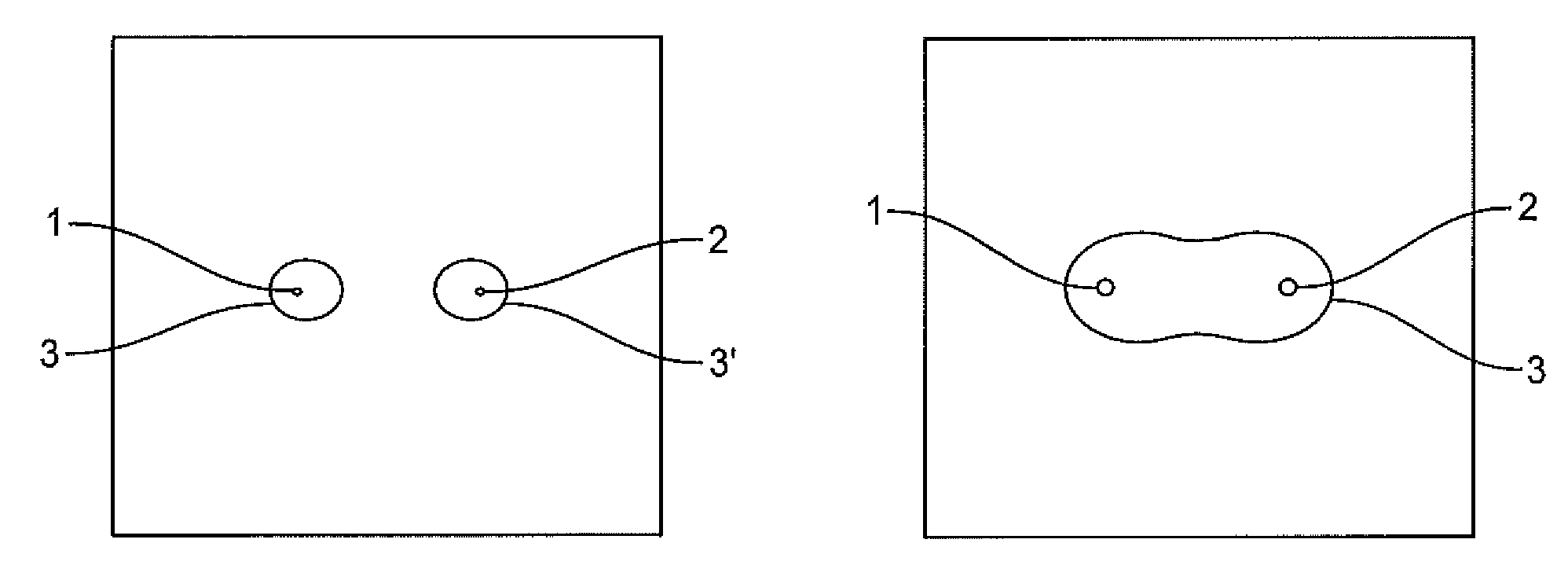
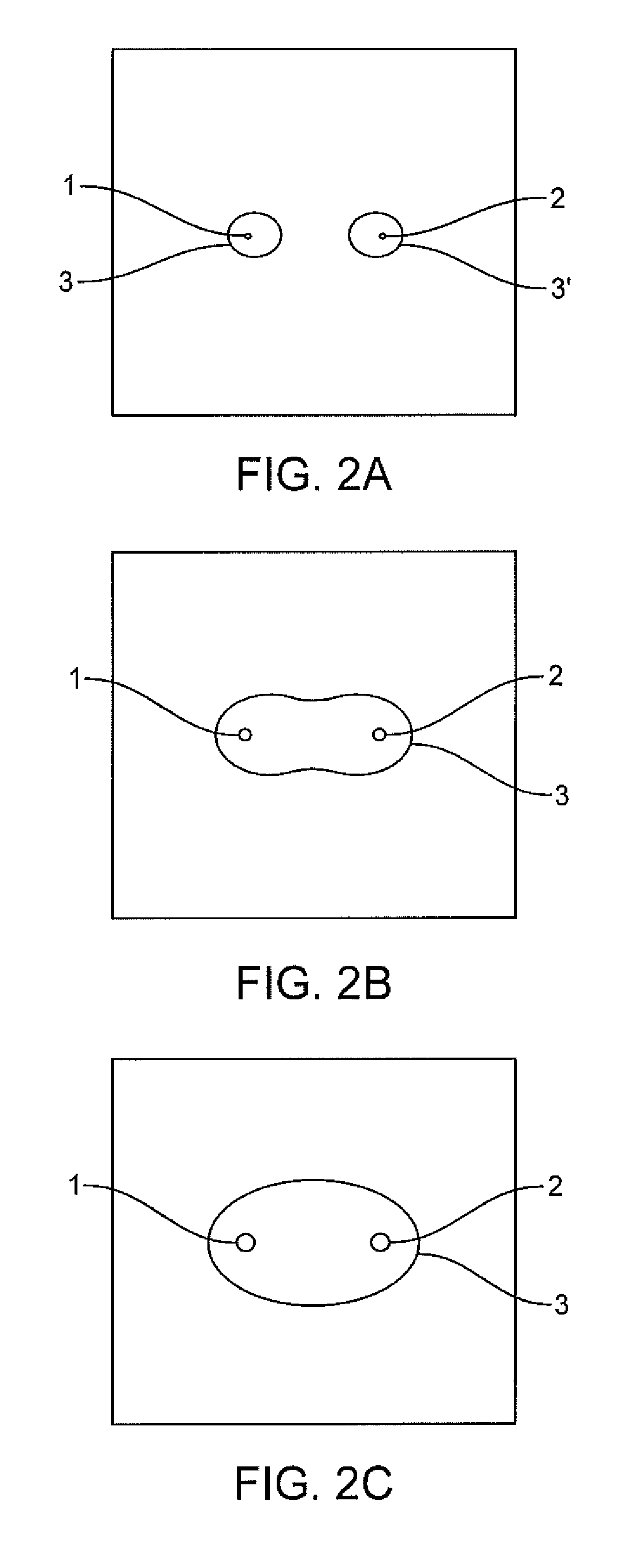
- A system utilizing mono-polar or bipolar electrodes with a voltage pulse generator to apply controlled electrical pulses for electroporation, combined with medical imaging technologies for real-time monitoring and feedback to ensure targeted tissue ablation without thermal damage.
Electroporation to deliver chemotherapeutics and enhance tumor regression
PatentActiveUS8298222B2
Innovation
- The method involves using non-thermal irreversible electroporation to disrupt blood flow in capillaries and enhance the delivery of chemotherapeutic agents directly to tumor sites by applying precise electrical pulses, trapping the agents in endothelial cells of capillaries that vascularize tumors, thereby increasing treatment efficacy and reducing drug dosage.
Clinical Trial Landscape
The clinical trial landscape for electroporation in cancer therapy, specifically focusing on parameters for tumor ablation, has shown significant progress in recent years. Numerous studies have been conducted to evaluate the efficacy and safety of this innovative treatment approach across various cancer types.
A notable trend in clinical trials is the exploration of different electroporation parameters to optimize tumor ablation. Researchers have been investigating the effects of pulse duration, amplitude, and frequency on treatment outcomes. For instance, several trials have compared short, high-intensity pulses with longer, lower-intensity pulses to determine the most effective approach for different tumor types and sizes.
Another key area of focus in clinical trials has been the combination of electroporation with other cancer therapies. Studies have examined the synergistic effects of electroporation with chemotherapy, immunotherapy, and radiation therapy. These combination approaches aim to enhance treatment efficacy and overcome potential resistance mechanisms.
Clinical trials have also addressed the importance of electrode design and placement in electroporation-based tumor ablation. Researchers have evaluated various electrode configurations, including needle electrodes, plate electrodes, and catheter-based electrodes, to optimize energy delivery and ensure complete tumor coverage.
Safety considerations have been a crucial aspect of clinical trials in this field. Studies have assessed potential side effects, such as muscle contractions, pain, and thermal damage to surrounding tissues. Trials have also explored strategies to mitigate these adverse effects, such as the use of muscle relaxants and advanced imaging techniques for precise electrode placement.
The geographic distribution of clinical trials for electroporation in cancer therapy has been diverse, with studies conducted across North America, Europe, and Asia. This global approach has allowed for the evaluation of the treatment's efficacy in diverse patient populations and healthcare settings.
Phase I and II trials have dominated the clinical trial landscape, focusing on establishing safety profiles and determining optimal treatment parameters. However, there has been an increasing number of phase III trials in recent years, aiming to provide more robust evidence for the efficacy of electroporation-based tumor ablation compared to standard treatments.
Several ongoing clinical trials are exploring the potential of electroporation in treating previously challenging tumor types, such as pancreatic cancer and brain tumors. These studies are investigating novel electrode designs and treatment protocols tailored to the specific anatomical and physiological characteristics of these challenging tumor sites.
A notable trend in clinical trials is the exploration of different electroporation parameters to optimize tumor ablation. Researchers have been investigating the effects of pulse duration, amplitude, and frequency on treatment outcomes. For instance, several trials have compared short, high-intensity pulses with longer, lower-intensity pulses to determine the most effective approach for different tumor types and sizes.
Another key area of focus in clinical trials has been the combination of electroporation with other cancer therapies. Studies have examined the synergistic effects of electroporation with chemotherapy, immunotherapy, and radiation therapy. These combination approaches aim to enhance treatment efficacy and overcome potential resistance mechanisms.
Clinical trials have also addressed the importance of electrode design and placement in electroporation-based tumor ablation. Researchers have evaluated various electrode configurations, including needle electrodes, plate electrodes, and catheter-based electrodes, to optimize energy delivery and ensure complete tumor coverage.
Safety considerations have been a crucial aspect of clinical trials in this field. Studies have assessed potential side effects, such as muscle contractions, pain, and thermal damage to surrounding tissues. Trials have also explored strategies to mitigate these adverse effects, such as the use of muscle relaxants and advanced imaging techniques for precise electrode placement.
The geographic distribution of clinical trials for electroporation in cancer therapy has been diverse, with studies conducted across North America, Europe, and Asia. This global approach has allowed for the evaluation of the treatment's efficacy in diverse patient populations and healthcare settings.
Phase I and II trials have dominated the clinical trial landscape, focusing on establishing safety profiles and determining optimal treatment parameters. However, there has been an increasing number of phase III trials in recent years, aiming to provide more robust evidence for the efficacy of electroporation-based tumor ablation compared to standard treatments.
Several ongoing clinical trials are exploring the potential of electroporation in treating previously challenging tumor types, such as pancreatic cancer and brain tumors. These studies are investigating novel electrode designs and treatment protocols tailored to the specific anatomical and physiological characteristics of these challenging tumor sites.
Safety and Regulations
Electroporation in cancer therapy, particularly for tumor ablation, requires stringent safety measures and regulatory compliance to ensure patient well-being and treatment efficacy. The safety considerations for this technique are multifaceted, encompassing both the immediate effects of the procedure and potential long-term consequences.
One of the primary safety concerns is the precise control of the electric field applied to the tumor tissue. Excessive voltage or current can lead to unintended tissue damage, including thermal injury or irreversible electroporation of healthy cells surrounding the tumor. To mitigate these risks, advanced imaging techniques and real-time monitoring systems are employed to guide electrode placement and adjust treatment parameters dynamically.
The potential for cardiac arrhythmias is another critical safety issue, especially when treating tumors in close proximity to the heart. Synchronization of pulse delivery with the cardiac cycle has been implemented to minimize this risk. Additionally, muscle contractions induced by the electric pulses can cause discomfort or injury, necessitating the use of neuromuscular blocking agents in some cases.
Regulatory bodies, such as the FDA in the United States and the EMA in Europe, have established guidelines for the development and clinical use of electroporation devices in cancer therapy. These regulations cover various aspects, including device design, manufacturing processes, and clinical trial protocols. Manufacturers must demonstrate the safety and efficacy of their devices through rigorous testing and clinical studies before obtaining regulatory approval.
The regulatory framework also addresses the standardization of treatment protocols and operator training. Given the complexity of electroporation procedures, specialized training programs have been developed to ensure that medical professionals can safely and effectively administer the treatment. These programs cover aspects such as patient selection, treatment planning, and post-procedure care.
Long-term safety monitoring is an integral part of the regulatory requirements for electroporation in cancer therapy. Post-market surveillance studies are conducted to track any delayed adverse effects and to assess the long-term efficacy of the treatment. This ongoing monitoring helps refine safety protocols and informs future regulatory decisions.
As the technology continues to evolve, regulatory bodies are adapting their guidelines to address emerging safety concerns and incorporate new scientific evidence. This dynamic regulatory environment aims to strike a balance between promoting innovation in cancer treatment and safeguarding patient safety.
One of the primary safety concerns is the precise control of the electric field applied to the tumor tissue. Excessive voltage or current can lead to unintended tissue damage, including thermal injury or irreversible electroporation of healthy cells surrounding the tumor. To mitigate these risks, advanced imaging techniques and real-time monitoring systems are employed to guide electrode placement and adjust treatment parameters dynamically.
The potential for cardiac arrhythmias is another critical safety issue, especially when treating tumors in close proximity to the heart. Synchronization of pulse delivery with the cardiac cycle has been implemented to minimize this risk. Additionally, muscle contractions induced by the electric pulses can cause discomfort or injury, necessitating the use of neuromuscular blocking agents in some cases.
Regulatory bodies, such as the FDA in the United States and the EMA in Europe, have established guidelines for the development and clinical use of electroporation devices in cancer therapy. These regulations cover various aspects, including device design, manufacturing processes, and clinical trial protocols. Manufacturers must demonstrate the safety and efficacy of their devices through rigorous testing and clinical studies before obtaining regulatory approval.
The regulatory framework also addresses the standardization of treatment protocols and operator training. Given the complexity of electroporation procedures, specialized training programs have been developed to ensure that medical professionals can safely and effectively administer the treatment. These programs cover aspects such as patient selection, treatment planning, and post-procedure care.
Long-term safety monitoring is an integral part of the regulatory requirements for electroporation in cancer therapy. Post-market surveillance studies are conducted to track any delayed adverse effects and to assess the long-term efficacy of the treatment. This ongoing monitoring helps refine safety protocols and informs future regulatory decisions.
As the technology continues to evolve, regulatory bodies are adapting their guidelines to address emerging safety concerns and incorporate new scientific evidence. This dynamic regulatory environment aims to strike a balance between promoting innovation in cancer treatment and safeguarding patient safety.
Unlock deeper insights with Patsnap Eureka Quick Research — get a full tech report to explore trends and direct your research. Try now!
Generate Your Research Report Instantly with AI Agent
Supercharge your innovation with Patsnap Eureka AI Agent Platform!