Electroporation Device Design For Portable In-Field Use
AUG 21, 20259 MIN READ
Generate Your Research Report Instantly with AI Agent
Patsnap Eureka helps you evaluate technical feasibility & market potential.
Electroporation Tech Evolution and Objectives
Electroporation, a technique that uses electrical pulses to create temporary pores in cell membranes, has evolved significantly since its inception in the 1960s. Initially developed for laboratory use, the technology has progressed towards more portable and field-applicable devices. This evolution reflects the growing demand for on-site genetic modification, drug delivery, and cell manipulation across various sectors including agriculture, medicine, and biotechnology.
The primary objective in the development of portable electroporation devices is to maintain the efficacy of traditional lab-based systems while significantly reducing size, power requirements, and complexity. This goal necessitates innovative approaches to electrode design, pulse generation, and power management. Researchers aim to create devices that are not only compact and energy-efficient but also robust enough to withstand field conditions.
Another crucial objective is to enhance the precision and control of the electroporation process in portable devices. This involves developing advanced algorithms and feedback mechanisms to optimize pulse parameters based on real-time cellular responses. Such improvements are essential for increasing transfection efficiency and cell viability, particularly when working with diverse cell types in non-laboratory environments.
Integrating user-friendly interfaces and automated protocols into portable electroporation devices is also a key focus. The aim is to enable non-specialist users to perform complex electroporation procedures with minimal training, thus expanding the technology's accessibility and applicability in field settings. This includes developing intuitive software and simplified operational procedures that maintain the sophistication of the underlying technology.
Furthermore, the evolution of portable electroporation devices is driven by the need for multi-functionality. Researchers are working towards integrating additional features such as cell isolation, analysis, and post-electroporation monitoring into a single portable unit. This all-in-one approach aims to create comprehensive field laboratories that can perform a range of cellular manipulations and analyses on-site.
As the technology progresses, there is an increasing emphasis on developing sustainable and cost-effective solutions. This includes exploring alternative materials for electrodes and casing, as well as designing modular systems that allow for easy maintenance and upgrades. The goal is to create devices that are not only portable and efficient but also economically viable for widespread adoption in resource-limited settings.
The primary objective in the development of portable electroporation devices is to maintain the efficacy of traditional lab-based systems while significantly reducing size, power requirements, and complexity. This goal necessitates innovative approaches to electrode design, pulse generation, and power management. Researchers aim to create devices that are not only compact and energy-efficient but also robust enough to withstand field conditions.
Another crucial objective is to enhance the precision and control of the electroporation process in portable devices. This involves developing advanced algorithms and feedback mechanisms to optimize pulse parameters based on real-time cellular responses. Such improvements are essential for increasing transfection efficiency and cell viability, particularly when working with diverse cell types in non-laboratory environments.
Integrating user-friendly interfaces and automated protocols into portable electroporation devices is also a key focus. The aim is to enable non-specialist users to perform complex electroporation procedures with minimal training, thus expanding the technology's accessibility and applicability in field settings. This includes developing intuitive software and simplified operational procedures that maintain the sophistication of the underlying technology.
Furthermore, the evolution of portable electroporation devices is driven by the need for multi-functionality. Researchers are working towards integrating additional features such as cell isolation, analysis, and post-electroporation monitoring into a single portable unit. This all-in-one approach aims to create comprehensive field laboratories that can perform a range of cellular manipulations and analyses on-site.
As the technology progresses, there is an increasing emphasis on developing sustainable and cost-effective solutions. This includes exploring alternative materials for electrodes and casing, as well as designing modular systems that allow for easy maintenance and upgrades. The goal is to create devices that are not only portable and efficient but also economically viable for widespread adoption in resource-limited settings.
Market Analysis for Portable Electroporation Devices
The market for portable electroporation devices is experiencing significant growth, driven by increasing demand for in-field applications across various sectors. This technology, which uses electrical pulses to create temporary pores in cell membranes, has found applications in fields such as agriculture, veterinary medicine, and biomedical research.
In the agricultural sector, portable electroporation devices are gaining traction for plant transformation and crop improvement. Farmers and researchers can use these devices directly in the field to introduce beneficial genes or traits into plants, potentially increasing crop yield and resistance to pests or environmental stresses. The global agricultural biotechnology market, which includes electroporation technologies, is projected to grow substantially in the coming years.
Veterinary medicine represents another key market for portable electroporation devices. These tools enable on-site gene therapy and DNA vaccination for livestock and companion animals, offering a more efficient and cost-effective alternative to traditional methods. The veterinary electroporation market is expected to expand as the demand for advanced animal healthcare solutions increases.
In biomedical research, portable electroporation devices are valuable for conducting experiments outside of traditional laboratory settings. This flexibility allows researchers to perform studies in diverse environments, from remote field locations to clinical settings. The global electroporation instruments market, encompassing both stationary and portable devices, is forecasted to grow at a steady rate.
The market for portable electroporation devices is also benefiting from technological advancements. Miniaturization of components, improved battery life, and user-friendly interfaces are making these devices more accessible and practical for field use. Additionally, the integration of smart features and connectivity options is enhancing their appeal to a broader range of users.
Geographically, North America and Europe currently dominate the market for portable electroporation devices, owing to their advanced research infrastructure and early adoption of biotechnology. However, Asia-Pacific is emerging as a rapidly growing market, driven by increasing investments in agricultural biotechnology and life sciences research in countries like China and India.
Despite the positive outlook, the market faces challenges such as high initial costs and the need for specialized training to operate these devices effectively. However, as the technology matures and becomes more widespread, these barriers are expected to diminish, further driving market growth.
In the agricultural sector, portable electroporation devices are gaining traction for plant transformation and crop improvement. Farmers and researchers can use these devices directly in the field to introduce beneficial genes or traits into plants, potentially increasing crop yield and resistance to pests or environmental stresses. The global agricultural biotechnology market, which includes electroporation technologies, is projected to grow substantially in the coming years.
Veterinary medicine represents another key market for portable electroporation devices. These tools enable on-site gene therapy and DNA vaccination for livestock and companion animals, offering a more efficient and cost-effective alternative to traditional methods. The veterinary electroporation market is expected to expand as the demand for advanced animal healthcare solutions increases.
In biomedical research, portable electroporation devices are valuable for conducting experiments outside of traditional laboratory settings. This flexibility allows researchers to perform studies in diverse environments, from remote field locations to clinical settings. The global electroporation instruments market, encompassing both stationary and portable devices, is forecasted to grow at a steady rate.
The market for portable electroporation devices is also benefiting from technological advancements. Miniaturization of components, improved battery life, and user-friendly interfaces are making these devices more accessible and practical for field use. Additionally, the integration of smart features and connectivity options is enhancing their appeal to a broader range of users.
Geographically, North America and Europe currently dominate the market for portable electroporation devices, owing to their advanced research infrastructure and early adoption of biotechnology. However, Asia-Pacific is emerging as a rapidly growing market, driven by increasing investments in agricultural biotechnology and life sciences research in countries like China and India.
Despite the positive outlook, the market faces challenges such as high initial costs and the need for specialized training to operate these devices effectively. However, as the technology matures and becomes more widespread, these barriers are expected to diminish, further driving market growth.
Current Challenges in Portable Electroporation
Portable electroporation devices face several significant challenges that hinder their widespread adoption for in-field use. One of the primary obstacles is the need for high-voltage power sources, which are typically bulky and energy-intensive. This requirement conflicts with the portability and energy efficiency demands of field applications, where access to stable power supplies may be limited.
Miniaturization of components while maintaining performance is another critical challenge. Reducing the size of electrodes, pulse generators, and control systems without compromising the effectiveness of electroporation is a complex engineering task. Balancing size reduction with the ability to generate sufficient electric field strength for effective cell membrane permeabilization remains a significant hurdle.
The variability of sample types and conditions in field settings presents additional complications. Unlike controlled laboratory environments, in-field use exposes the device to a wide range of sample viscosities, conductivities, and cellular compositions. Designing a portable system that can adapt to these variations while maintaining consistent electroporation results is challenging.
Durability and robustness are crucial factors for portable devices intended for field use. The equipment must withstand transportation, potential impacts, and exposure to various environmental conditions such as temperature fluctuations, humidity, and dust. Ensuring the device's reliability under these diverse conditions without compromising its performance or safety is a significant engineering challenge.
User-friendliness and ease of operation are essential for portable electroporation devices, especially when used by non-specialists in field settings. Simplifying the interface and operation procedures while maintaining the flexibility to adjust parameters for different applications is a delicate balance to achieve.
Safety considerations pose another set of challenges. Portable devices must incorporate fail-safe mechanisms and protective features to prevent accidental exposure to high voltages or electrical arcing, which can be particularly dangerous in field conditions where immediate medical assistance may not be available.
Lastly, the integration of sample handling and processing capabilities into a portable format presents significant design challenges. Incorporating features such as sample loading, post-electroporation recovery, and potentially on-board analysis while maintaining the device's portability and simplicity of use requires innovative engineering solutions.
Miniaturization of components while maintaining performance is another critical challenge. Reducing the size of electrodes, pulse generators, and control systems without compromising the effectiveness of electroporation is a complex engineering task. Balancing size reduction with the ability to generate sufficient electric field strength for effective cell membrane permeabilization remains a significant hurdle.
The variability of sample types and conditions in field settings presents additional complications. Unlike controlled laboratory environments, in-field use exposes the device to a wide range of sample viscosities, conductivities, and cellular compositions. Designing a portable system that can adapt to these variations while maintaining consistent electroporation results is challenging.
Durability and robustness are crucial factors for portable devices intended for field use. The equipment must withstand transportation, potential impacts, and exposure to various environmental conditions such as temperature fluctuations, humidity, and dust. Ensuring the device's reliability under these diverse conditions without compromising its performance or safety is a significant engineering challenge.
User-friendliness and ease of operation are essential for portable electroporation devices, especially when used by non-specialists in field settings. Simplifying the interface and operation procedures while maintaining the flexibility to adjust parameters for different applications is a delicate balance to achieve.
Safety considerations pose another set of challenges. Portable devices must incorporate fail-safe mechanisms and protective features to prevent accidental exposure to high voltages or electrical arcing, which can be particularly dangerous in field conditions where immediate medical assistance may not be available.
Lastly, the integration of sample handling and processing capabilities into a portable format presents significant design challenges. Incorporating features such as sample loading, post-electroporation recovery, and potentially on-board analysis while maintaining the device's portability and simplicity of use requires innovative engineering solutions.
Existing Portable Electroporation Solutions
01 Miniaturization of electroporation devices
Advancements in miniaturization techniques have led to the development of compact and portable electroporation devices. These devices incorporate smaller components and efficient power sources, allowing for reduced size and weight while maintaining functionality. This miniaturization enables easier transport and use in various settings, including field applications and point-of-care diagnostics.- Miniaturization of electroporation devices: Advancements in miniaturization techniques have led to the development of compact and portable electroporation devices. These devices incorporate miniaturized components and circuitry, allowing for reduced size and weight while maintaining functionality. This enables easier transport and use in various settings, including field applications and point-of-care diagnostics.
- Battery-powered portable electroporation systems: Portable electroporation devices are designed with rechargeable battery systems, allowing for cordless operation and increased mobility. These battery-powered units can deliver the necessary electrical pulses for electroporation without relying on a fixed power source, making them suitable for use in remote locations or mobile settings.
- Handheld electroporation applicators: Handheld electroporation applicators have been developed to improve portability and ease of use. These devices integrate electrodes, control mechanisms, and sometimes power sources into a compact, ergonomic handheld unit. This design allows for precise application of electroporation in various tissues or cell cultures with improved maneuverability.
- Modular and customizable portable electroporation systems: Modular electroporation systems have been designed to enhance portability and versatility. These systems feature interchangeable components, such as electrode arrays and pulse generators, that can be easily assembled or disassembled. This modularity allows for customization based on specific application needs and facilitates transport and storage of the device.
- Integration of electroporation with other portable technologies: Portable electroporation devices are being integrated with other technologies to create multifunctional systems. This includes combination with microfluidic devices, biosensors, or imaging systems. Such integration enhances the capabilities of portable electroporation devices, allowing for on-site sample preparation, analysis, and monitoring in a single compact unit.
02 Integration of battery-powered systems
Portable electroporation devices often utilize rechargeable battery systems to provide the necessary power for operation. These battery-powered designs eliminate the need for constant connection to external power sources, enhancing mobility and allowing for use in remote locations. Advanced battery technologies and power management systems contribute to longer operational times and improved device portability.Expand Specific Solutions03 Modular and collapsible designs
Some portable electroporation devices feature modular or collapsible designs that allow for easy assembly and disassembly. These designs facilitate compact storage and transport while maintaining full functionality when assembled. Modular components can also enable customization of the device for specific applications, enhancing versatility in portable settings.Expand Specific Solutions04 Wireless connectivity and control
Integration of wireless technologies in portable electroporation devices enables remote control and data transfer capabilities. This feature allows users to operate the device and monitor experiments using smartphones or tablets, enhancing ease of use and reducing the need for additional equipment. Wireless connectivity also facilitates real-time data analysis and sharing in field applications.Expand Specific Solutions05 Disposable or single-use components
To enhance portability and reduce maintenance requirements, some electroporation devices incorporate disposable or single-use components. These elements, such as electrode arrays or sample chambers, can be easily replaced between experiments, minimizing the need for cleaning and sterilization procedures in field settings. This approach also helps maintain consistent performance and reduces the risk of cross-contamination.Expand Specific Solutions
Key Players in Portable Electroporation Industry
The electroporation device market for portable in-field use is in a growth phase, driven by increasing demand for point-of-care diagnostics and gene therapy applications. The market size is expanding, with projections indicating significant growth potential in the coming years. Technologically, the field is advancing rapidly, with companies like Bio-Rad Laboratories and Suzhou Yida Biotechnology leading innovation in portable electroporation devices. Other key players such as FUJIFILM Corp. and MaxCyte are also contributing to technological advancements. The competitive landscape is characterized by a mix of established biotech firms and emerging startups, all striving to develop more efficient, user-friendly, and cost-effective portable electroporation solutions for various applications.
Bio-Rad Laboratories, Inc.
Technical Solution: Bio-Rad Laboratories has developed the Gene Pulser Xcell Electroporation System, which has been adapted for portable in-field use. The system utilizes a combination of square wave and exponential decay pulse technologies to optimize electroporation efficiency for various cell types and molecules[1]. The device features a compact design with a built-in pulse generator and capacitor bank, allowing for standalone operation in field settings. Bio-Rad's system incorporates a user-friendly touchscreen interface with pre-programmed protocols for common applications, as well as the ability to create and store custom protocols[2]. The Gene Pulser Xcell system is compatible with a wide range of specialized cuvettes and electrodes, enabling flexibility in sample volume and cell type. Additionally, the device includes safety features such as arc protection and automatic impedance matching to prevent sample damage during electroporation[3].
Strengths: Versatile pulse technologies, user-friendly interface with customizable protocols, compatibility with various sample types. Weaknesses: May have higher power requirements compared to some portable systems, potentially less rugged design for extreme field conditions.
OncoSec Medical, Inc.
Technical Solution: OncoSec Medical has developed a portable electroporation device called APOLLO for in-field use. The APOLLO system utilizes a proprietary Visceral Delivery System (VDS) technology that enables precise and controlled delivery of therapeutic agents into targeted tissues[1]. The device incorporates advanced microprocessor-controlled pulsing algorithms and specialized electrode arrays to optimize electroporation efficiency while minimizing tissue damage[2]. APOLLO's compact design includes a rechargeable battery pack, allowing for extended field use without external power sources. The system also features a user-friendly interface with pre-programmed settings for various applications, making it accessible for non-expert users in diverse environments[3].
Strengths: Portable design suitable for field use, proprietary VDS technology for precise delivery, user-friendly interface. Weaknesses: May have limited power capacity compared to larger stationary systems, potentially higher cost due to specialized components.
Core Innovations in Miniaturization and Portability
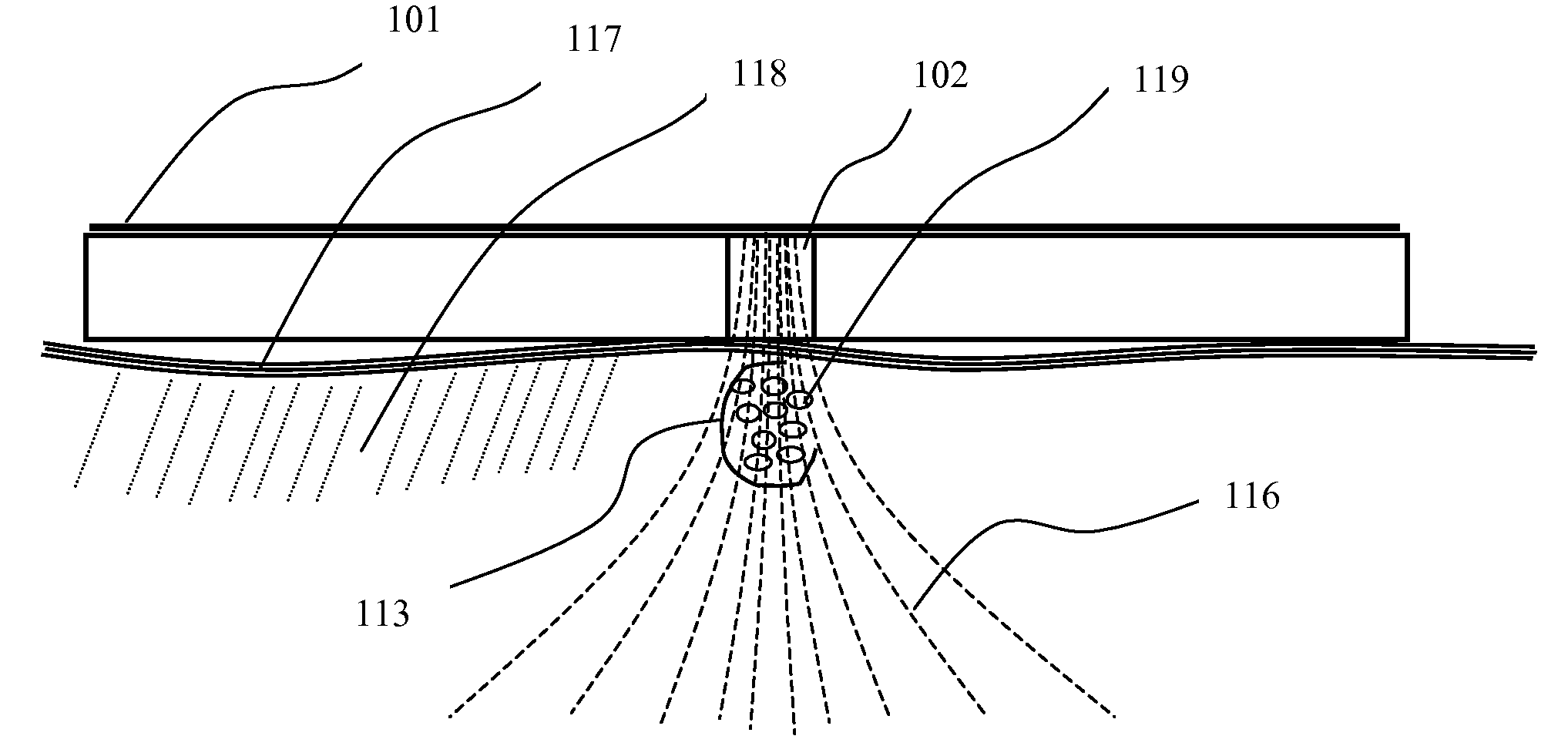
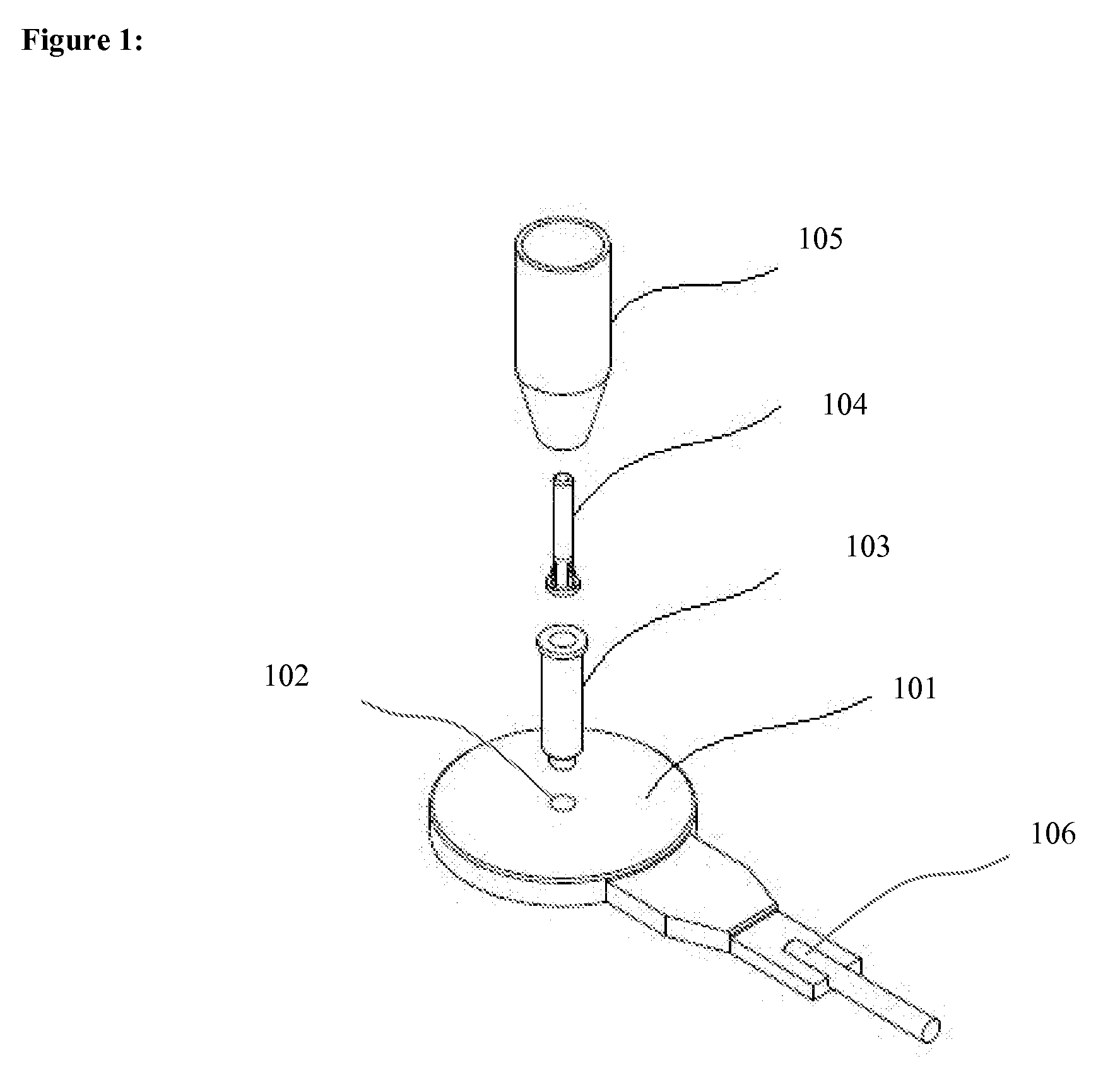
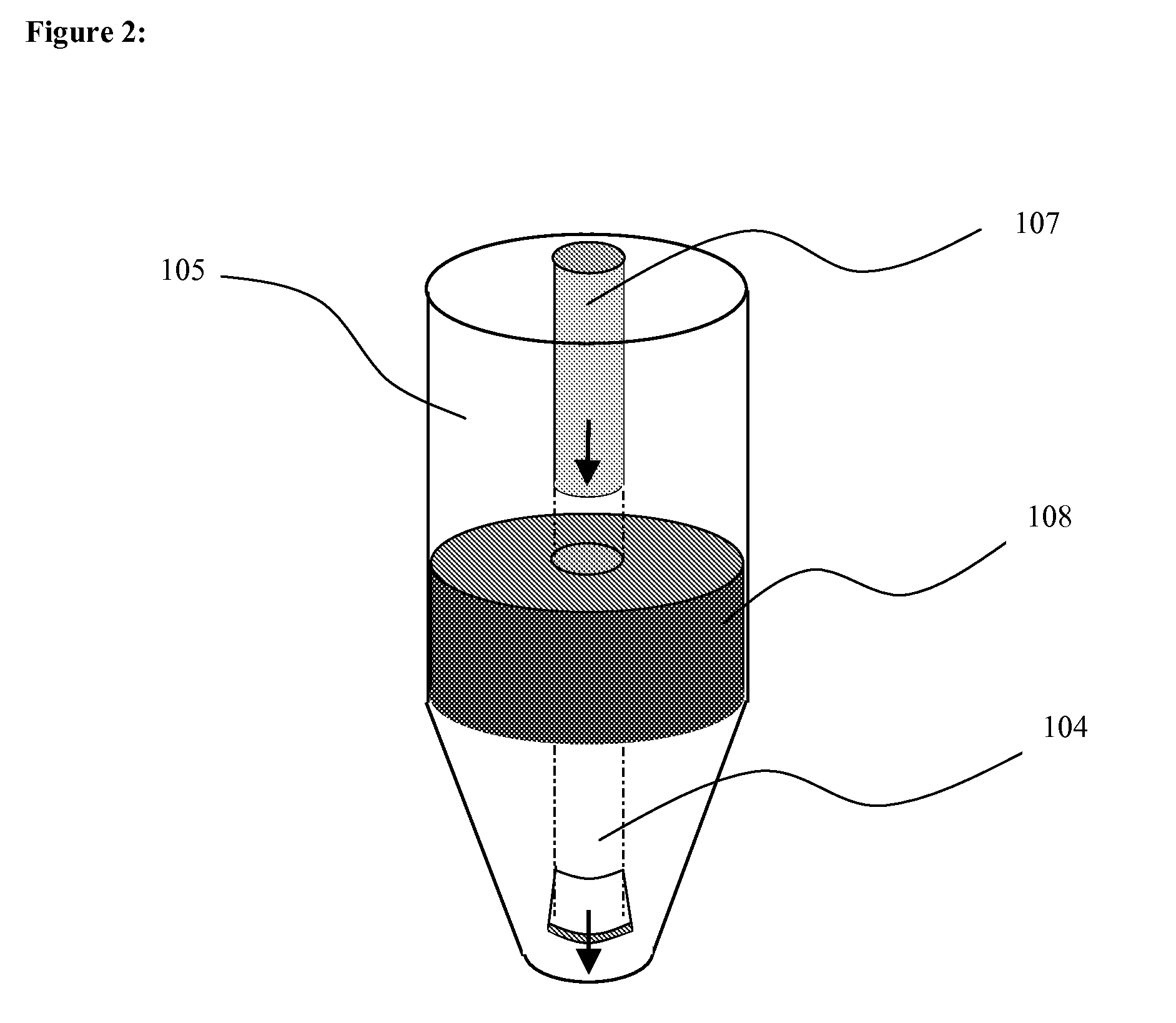
Method of contactless magnetic electroporation
PatentInactiveUS20100249488A1
Innovation
- The use of changing magnetic fields to induce electrical currents and porate cell membranes without physical contact, using a magnetic coil to generate rapid changes in magnetic flux to facilitate the delivery of therapeutic substances like DNA into tissues.

Microfluidic electroporation device
PatentPendingUS20250043227A1
Innovation
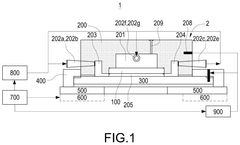
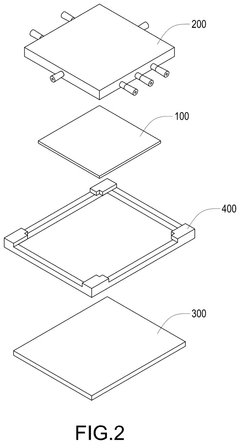
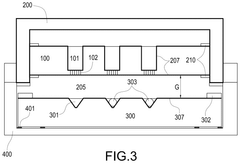
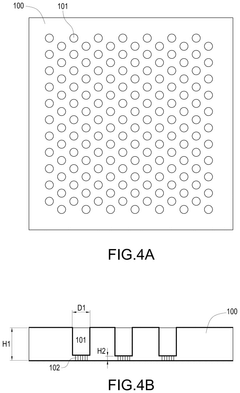
- The development of a microfluidic electroporation device utilizing a MEMS-based nano channel plate and cell cavity plate, combined with a pop-up device such as an ultrasound vibrator or motorized rotator, to create a controlled environment for cell transfection with precise electric field application and efficient cell handling.
Safety and Regulatory Considerations
Safety and regulatory considerations are paramount in the design and implementation of portable electroporation devices for in-field use. These devices, which utilize high-voltage electrical pulses to temporarily increase cell membrane permeability, must adhere to stringent safety standards to protect both operators and subjects.
Electrical safety is a primary concern. Portable electroporation devices must incorporate robust insulation and grounding mechanisms to prevent accidental electrical shocks. Circuit protection features, such as current limiters and voltage regulators, are essential to maintain safe operating parameters. Additionally, fail-safe mechanisms should be implemented to automatically shut down the device in case of malfunction or user error.
Biological safety is equally critical. The device design must minimize the risk of contamination between samples and prevent the unintended release of genetically modified organisms. This may involve the use of disposable electrodes or easily sterilizable components. Furthermore, the device should be engineered to prevent the generation of harmful byproducts, such as toxic gases or excessive heat, during operation.
Regulatory compliance is a complex aspect of portable electroporation device development. In the United States, such devices typically fall under the purview of the Food and Drug Administration (FDA) and may be classified as medical devices or research tools, depending on their intended use. Manufacturers must navigate the appropriate regulatory pathways, which may include premarket approval or 510(k) clearance processes.
Internationally, regulations vary significantly. The European Union's Medical Device Regulation (MDR) and In Vitro Diagnostic Regulation (IVDR) may apply, depending on the device's classification. Other countries may have their own specific requirements, necessitating a comprehensive global regulatory strategy for widespread deployment.
Electromagnetic compatibility (EMC) is another crucial consideration. Portable electroporation devices must not interfere with other electronic equipment in the field, nor should they be susceptible to external electromagnetic interference. Compliance with EMC standards, such as those set by the International Electrotechnical Commission (IEC), is essential for both safety and regulatory approval.
User safety training and clear operational guidelines are integral to the overall safety strategy. Manufacturers must provide comprehensive instructions for use, including proper handling techniques, maintenance procedures, and emergency protocols. Regular training and certification programs for operators may be necessary to ensure safe and effective use of the device in various field conditions.
Environmental considerations also play a role in safety and regulatory compliance. The device must be designed to withstand diverse field conditions, including temperature extremes, humidity, and potential exposure to dust or water. Proper disposal methods for consumables and end-of-life devices should be established to minimize environmental impact and comply with waste management regulations.
Electrical safety is a primary concern. Portable electroporation devices must incorporate robust insulation and grounding mechanisms to prevent accidental electrical shocks. Circuit protection features, such as current limiters and voltage regulators, are essential to maintain safe operating parameters. Additionally, fail-safe mechanisms should be implemented to automatically shut down the device in case of malfunction or user error.
Biological safety is equally critical. The device design must minimize the risk of contamination between samples and prevent the unintended release of genetically modified organisms. This may involve the use of disposable electrodes or easily sterilizable components. Furthermore, the device should be engineered to prevent the generation of harmful byproducts, such as toxic gases or excessive heat, during operation.
Regulatory compliance is a complex aspect of portable electroporation device development. In the United States, such devices typically fall under the purview of the Food and Drug Administration (FDA) and may be classified as medical devices or research tools, depending on their intended use. Manufacturers must navigate the appropriate regulatory pathways, which may include premarket approval or 510(k) clearance processes.
Internationally, regulations vary significantly. The European Union's Medical Device Regulation (MDR) and In Vitro Diagnostic Regulation (IVDR) may apply, depending on the device's classification. Other countries may have their own specific requirements, necessitating a comprehensive global regulatory strategy for widespread deployment.
Electromagnetic compatibility (EMC) is another crucial consideration. Portable electroporation devices must not interfere with other electronic equipment in the field, nor should they be susceptible to external electromagnetic interference. Compliance with EMC standards, such as those set by the International Electrotechnical Commission (IEC), is essential for both safety and regulatory approval.
User safety training and clear operational guidelines are integral to the overall safety strategy. Manufacturers must provide comprehensive instructions for use, including proper handling techniques, maintenance procedures, and emergency protocols. Regular training and certification programs for operators may be necessary to ensure safe and effective use of the device in various field conditions.
Environmental considerations also play a role in safety and regulatory compliance. The device must be designed to withstand diverse field conditions, including temperature extremes, humidity, and potential exposure to dust or water. Proper disposal methods for consumables and end-of-life devices should be established to minimize environmental impact and comply with waste management regulations.
Power Management and Battery Technology
Power management and battery technology are critical components in the design of portable electroporation devices for in-field use. The primary challenge lies in balancing the high power requirements of electroporation with the need for a compact, lightweight, and long-lasting power source. Traditional electroporation systems often rely on large, stationary power supplies, which are impractical for field applications.
Recent advancements in battery technology have paved the way for more efficient portable electroporation devices. Lithium-ion batteries, known for their high energy density and low self-discharge rates, have become the preferred choice for many portable medical devices. These batteries offer a good balance between size, weight, and power output, making them suitable for in-field electroporation applications.
To optimize power management, designers are incorporating sophisticated control systems that regulate voltage and current delivery during the electroporation process. These systems often utilize pulse width modulation (PWM) techniques to precisely control the electrical pulses, minimizing power consumption while maintaining effective cell membrane permeabilization.
Energy harvesting technologies are also being explored to extend the operational life of portable electroporation devices. Solar panels, kinetic energy harvesters, and even thermoelectric generators are being integrated into device designs to supplement battery power and reduce the frequency of recharging or battery replacement.
Advancements in power electronics have led to the development of more efficient DC-DC converters and voltage boosters, allowing for the generation of high-voltage pulses from lower-voltage battery sources. This innovation has significantly reduced the size and weight of the power supply components, contributing to the overall portability of the device.
Smart battery management systems (BMS) are being incorporated to monitor battery health, optimize charging cycles, and provide accurate estimates of remaining operational time. These systems help prevent overcharging, over-discharging, and thermal runaway, ensuring safe and reliable operation in diverse field conditions.
Researchers are also exploring the potential of supercapacitors in electroporation device design. While not yet widely implemented, supercapacitors offer rapid charge and discharge capabilities, which could be beneficial for delivering the short, high-power pulses required in electroporation. Hybrid systems combining batteries and supercapacitors are being investigated to leverage the strengths of both technologies.
As the demand for portable electroporation devices grows, continued innovation in power management and battery technology will be crucial. Future developments may include the use of solid-state batteries, which promise higher energy densities and improved safety, or the integration of wireless charging capabilities to enhance convenience in field settings.
Recent advancements in battery technology have paved the way for more efficient portable electroporation devices. Lithium-ion batteries, known for their high energy density and low self-discharge rates, have become the preferred choice for many portable medical devices. These batteries offer a good balance between size, weight, and power output, making them suitable for in-field electroporation applications.
To optimize power management, designers are incorporating sophisticated control systems that regulate voltage and current delivery during the electroporation process. These systems often utilize pulse width modulation (PWM) techniques to precisely control the electrical pulses, minimizing power consumption while maintaining effective cell membrane permeabilization.
Energy harvesting technologies are also being explored to extend the operational life of portable electroporation devices. Solar panels, kinetic energy harvesters, and even thermoelectric generators are being integrated into device designs to supplement battery power and reduce the frequency of recharging or battery replacement.
Advancements in power electronics have led to the development of more efficient DC-DC converters and voltage boosters, allowing for the generation of high-voltage pulses from lower-voltage battery sources. This innovation has significantly reduced the size and weight of the power supply components, contributing to the overall portability of the device.
Smart battery management systems (BMS) are being incorporated to monitor battery health, optimize charging cycles, and provide accurate estimates of remaining operational time. These systems help prevent overcharging, over-discharging, and thermal runaway, ensuring safe and reliable operation in diverse field conditions.
Researchers are also exploring the potential of supercapacitors in electroporation device design. While not yet widely implemented, supercapacitors offer rapid charge and discharge capabilities, which could be beneficial for delivering the short, high-power pulses required in electroporation. Hybrid systems combining batteries and supercapacitors are being investigated to leverage the strengths of both technologies.
As the demand for portable electroporation devices grows, continued innovation in power management and battery technology will be crucial. Future developments may include the use of solid-state batteries, which promise higher energy densities and improved safety, or the integration of wireless charging capabilities to enhance convenience in field settings.
Unlock deeper insights with Patsnap Eureka Quick Research — get a full tech report to explore trends and direct your research. Try now!
Generate Your Research Report Instantly with AI Agent
Supercharge your innovation with Patsnap Eureka AI Agent Platform!