Electroporation Parameters For Mammalian Gene Delivery: Optimisation
AUG 21, 20259 MIN READ
Generate Your Research Report Instantly with AI Agent
Patsnap Eureka helps you evaluate technical feasibility & market potential.
Electroporation Background and Objectives
Electroporation, a pivotal technique in molecular biology and genetic engineering, has revolutionized the field of gene delivery since its inception in the 1980s. This method utilizes electrical pulses to create temporary pores in cell membranes, facilitating the introduction of foreign genetic material into target cells. The evolution of electroporation has been marked by continuous refinement, driven by the increasing demand for efficient and precise gene delivery methods in both research and clinical applications.
The development of electroporation technology has progressed from simple systems using basic electrical parameters to sophisticated platforms that offer fine-tuned control over multiple variables. This advancement has significantly expanded the range of cell types and organisms amenable to genetic modification, particularly in mammalian systems where gene delivery has traditionally been challenging.
The primary objective of optimizing electroporation parameters for mammalian gene delivery is to enhance transfection efficiency while minimizing cellular damage. This delicate balance is crucial for maintaining cell viability and ensuring robust expression of the introduced genes. Key parameters under investigation include voltage, pulse duration, number of pulses, and inter-pulse intervals, as well as buffer composition and cell density.
Recent trends in electroporation research focus on developing more targeted and cell-specific protocols. This includes the exploration of novel electrode designs, the integration of microfluidic systems, and the application of nanotechnology to enhance localized electric field distribution. Additionally, there is growing interest in combining electroporation with other delivery methods, such as chemical transfection agents or viral vectors, to create hybrid approaches that leverage the strengths of multiple techniques.
The optimization of electroporation for mammalian cells also aims to address current limitations, such as variability in transfection efficiency across different cell types and the challenge of delivering large DNA constructs. Researchers are investigating the use of alternating current fields, multi-pulse strategies, and temperature modulation to overcome these barriers and expand the utility of electroporation in complex biological systems.
As the field progresses, the ultimate goal is to develop a comprehensive understanding of the biophysical mechanisms underlying electroporation-mediated gene delivery. This knowledge will enable the creation of predictive models and automated systems capable of determining optimal parameters for specific cell types and genetic payloads, thereby streamlining the process of protocol optimization and enhancing reproducibility across different research settings.
The development of electroporation technology has progressed from simple systems using basic electrical parameters to sophisticated platforms that offer fine-tuned control over multiple variables. This advancement has significantly expanded the range of cell types and organisms amenable to genetic modification, particularly in mammalian systems where gene delivery has traditionally been challenging.
The primary objective of optimizing electroporation parameters for mammalian gene delivery is to enhance transfection efficiency while minimizing cellular damage. This delicate balance is crucial for maintaining cell viability and ensuring robust expression of the introduced genes. Key parameters under investigation include voltage, pulse duration, number of pulses, and inter-pulse intervals, as well as buffer composition and cell density.
Recent trends in electroporation research focus on developing more targeted and cell-specific protocols. This includes the exploration of novel electrode designs, the integration of microfluidic systems, and the application of nanotechnology to enhance localized electric field distribution. Additionally, there is growing interest in combining electroporation with other delivery methods, such as chemical transfection agents or viral vectors, to create hybrid approaches that leverage the strengths of multiple techniques.
The optimization of electroporation for mammalian cells also aims to address current limitations, such as variability in transfection efficiency across different cell types and the challenge of delivering large DNA constructs. Researchers are investigating the use of alternating current fields, multi-pulse strategies, and temperature modulation to overcome these barriers and expand the utility of electroporation in complex biological systems.
As the field progresses, the ultimate goal is to develop a comprehensive understanding of the biophysical mechanisms underlying electroporation-mediated gene delivery. This knowledge will enable the creation of predictive models and automated systems capable of determining optimal parameters for specific cell types and genetic payloads, thereby streamlining the process of protocol optimization and enhancing reproducibility across different research settings.
Market Analysis for Gene Delivery Technologies
The gene delivery technologies market has been experiencing significant growth in recent years, driven by advancements in genetic engineering and the increasing demand for targeted therapies. The global market for gene delivery technologies is expected to reach substantial value by 2025, with a compound annual growth rate (CAGR) surpassing industry averages. This growth is primarily fueled by the rising prevalence of genetic disorders, cancer, and other chronic diseases that require innovative treatment approaches.
Electroporation, as a key method for mammalian gene delivery, holds a significant share in this market. The technique's non-viral nature and ability to deliver large DNA molecules make it particularly attractive for research and clinical applications. The demand for optimized electroporation parameters is driven by the need for improved transfection efficiency, reduced cell damage, and enhanced reproducibility in gene delivery processes.
The market for electroporation-based gene delivery is segmented by application, including gene therapy, cell therapy, and vaccine development. Gene therapy applications currently dominate the market, with cell therapy showing the fastest growth rate. This trend is supported by the increasing number of clinical trials utilizing electroporation for various therapeutic purposes.
Geographically, North America leads the gene delivery technologies market, followed by Europe and Asia-Pacific. The United States, in particular, holds the largest market share due to its advanced healthcare infrastructure, substantial R&D investments, and favorable regulatory environment for genetic research and therapies.
Key market players in the electroporation segment include Bio-Rad Laboratories, Thermo Fisher Scientific, and Lonza Group, among others. These companies are actively investing in research and development to enhance their electroporation technologies and expand their product portfolios. Strategic collaborations and partnerships with academic institutions and biotechnology companies are common strategies employed to gain a competitive edge.
The market for optimized electroporation parameters is driven by the increasing adoption of CRISPR-Cas9 and other gene-editing technologies, which require efficient delivery methods. Additionally, the growing focus on personalized medicine and the development of cell-based therapies are creating new opportunities for electroporation technology in clinical applications.
However, challenges such as high equipment costs, technical complexities in parameter optimization, and competition from other gene delivery methods like viral vectors and lipid nanoparticles may impact market growth. Addressing these challenges through technological advancements and cost-effective solutions will be crucial for the continued expansion of the electroporation-based gene delivery market.
Electroporation, as a key method for mammalian gene delivery, holds a significant share in this market. The technique's non-viral nature and ability to deliver large DNA molecules make it particularly attractive for research and clinical applications. The demand for optimized electroporation parameters is driven by the need for improved transfection efficiency, reduced cell damage, and enhanced reproducibility in gene delivery processes.
The market for electroporation-based gene delivery is segmented by application, including gene therapy, cell therapy, and vaccine development. Gene therapy applications currently dominate the market, with cell therapy showing the fastest growth rate. This trend is supported by the increasing number of clinical trials utilizing electroporation for various therapeutic purposes.
Geographically, North America leads the gene delivery technologies market, followed by Europe and Asia-Pacific. The United States, in particular, holds the largest market share due to its advanced healthcare infrastructure, substantial R&D investments, and favorable regulatory environment for genetic research and therapies.
Key market players in the electroporation segment include Bio-Rad Laboratories, Thermo Fisher Scientific, and Lonza Group, among others. These companies are actively investing in research and development to enhance their electroporation technologies and expand their product portfolios. Strategic collaborations and partnerships with academic institutions and biotechnology companies are common strategies employed to gain a competitive edge.
The market for optimized electroporation parameters is driven by the increasing adoption of CRISPR-Cas9 and other gene-editing technologies, which require efficient delivery methods. Additionally, the growing focus on personalized medicine and the development of cell-based therapies are creating new opportunities for electroporation technology in clinical applications.
However, challenges such as high equipment costs, technical complexities in parameter optimization, and competition from other gene delivery methods like viral vectors and lipid nanoparticles may impact market growth. Addressing these challenges through technological advancements and cost-effective solutions will be crucial for the continued expansion of the electroporation-based gene delivery market.
Current Challenges in Mammalian Electroporation
Electroporation has emerged as a powerful tool for gene delivery in mammalian cells, offering high efficiency and versatility. However, several challenges persist in optimizing this technique for consistent and effective results across various cell types and experimental conditions.
One of the primary challenges is the delicate balance between transfection efficiency and cell viability. High voltage pulses can increase gene delivery but may also lead to excessive cell death. Conversely, lower voltages may preserve cell viability but result in poor transfection rates. This trade-off necessitates careful parameter optimization for each specific cell type and application.
The heterogeneity of mammalian cell populations presents another significant hurdle. Different cell types, and even subpopulations within the same culture, can exhibit varying sensitivities to electroporation parameters. This variability makes it challenging to establish universal protocols and often requires extensive empirical testing to achieve optimal results for each cell line or primary cell type.
Scaling up electroporation for large-scale applications, such as in clinical or industrial settings, introduces additional complexities. Maintaining consistent electroporation efficiency and cell viability across larger volumes and higher cell numbers is technically demanding. The need for specialized equipment and the potential for batch-to-batch variations further complicate the scaling process.
The composition and physiological state of the cell membrane significantly influence electroporation outcomes. Factors such as membrane fluidity, lipid composition, and the presence of membrane proteins can affect pore formation and resealing dynamics. These variables are often difficult to control or standardize, leading to inconsistencies in transfection results.
DNA size and topology also play crucial roles in electroporation efficiency. Larger plasmids or genomic DNA fragments are generally more challenging to deliver compared to smaller constructs. The supercoiled state of plasmid DNA can impact its ability to enter cells during electroporation, adding another layer of complexity to protocol optimization.
The post-electroporation recovery phase is critical yet often overlooked. Optimizing the conditions for cell membrane repair and minimizing stress responses can significantly impact transfection success and long-term cell health. Balancing rapid recovery with maintaining the transfection window requires careful consideration of factors such as temperature, media composition, and timing.
Lastly, the lack of standardization in reporting electroporation parameters and results hinders progress in the field. Variations in equipment specifications, cell handling procedures, and data analysis methods make it challenging to compare and reproduce results across different laboratories. Establishing more uniform reporting standards and benchmarking practices could greatly accelerate progress in overcoming these challenges.
One of the primary challenges is the delicate balance between transfection efficiency and cell viability. High voltage pulses can increase gene delivery but may also lead to excessive cell death. Conversely, lower voltages may preserve cell viability but result in poor transfection rates. This trade-off necessitates careful parameter optimization for each specific cell type and application.
The heterogeneity of mammalian cell populations presents another significant hurdle. Different cell types, and even subpopulations within the same culture, can exhibit varying sensitivities to electroporation parameters. This variability makes it challenging to establish universal protocols and often requires extensive empirical testing to achieve optimal results for each cell line or primary cell type.
Scaling up electroporation for large-scale applications, such as in clinical or industrial settings, introduces additional complexities. Maintaining consistent electroporation efficiency and cell viability across larger volumes and higher cell numbers is technically demanding. The need for specialized equipment and the potential for batch-to-batch variations further complicate the scaling process.
The composition and physiological state of the cell membrane significantly influence electroporation outcomes. Factors such as membrane fluidity, lipid composition, and the presence of membrane proteins can affect pore formation and resealing dynamics. These variables are often difficult to control or standardize, leading to inconsistencies in transfection results.
DNA size and topology also play crucial roles in electroporation efficiency. Larger plasmids or genomic DNA fragments are generally more challenging to deliver compared to smaller constructs. The supercoiled state of plasmid DNA can impact its ability to enter cells during electroporation, adding another layer of complexity to protocol optimization.
The post-electroporation recovery phase is critical yet often overlooked. Optimizing the conditions for cell membrane repair and minimizing stress responses can significantly impact transfection success and long-term cell health. Balancing rapid recovery with maintaining the transfection window requires careful consideration of factors such as temperature, media composition, and timing.
Lastly, the lack of standardization in reporting electroporation parameters and results hinders progress in the field. Variations in equipment specifications, cell handling procedures, and data analysis methods make it challenging to compare and reproduce results across different laboratories. Establishing more uniform reporting standards and benchmarking practices could greatly accelerate progress in overcoming these challenges.
Existing Electroporation Parameter Optimization Methods
01 Voltage and pulse duration optimization
Optimizing voltage and pulse duration is crucial for effective electroporation. Higher voltages and longer pulse durations can increase transfection efficiency but may also lead to cell damage. Researchers often experiment with various combinations to find the optimal balance between efficiency and cell viability.- Voltage and pulse duration optimization: Optimizing voltage and pulse duration is crucial for effective electroporation. Higher voltages and longer pulse durations can increase transfection efficiency but may also lead to cell damage. Researchers often experiment with various combinations to find the optimal balance between efficiency and cell viability.
- Cell type-specific parameters: Different cell types require specific electroporation parameters for optimal results. Factors such as cell size, membrane composition, and physiological state influence the ideal settings. Researchers often develop protocols tailored to specific cell types to achieve the best transfection efficiency while minimizing cell damage.
- Electrode configuration and design: The design and configuration of electrodes play a significant role in electroporation efficiency. Factors such as electrode material, shape, and spacing affect the electric field distribution and, consequently, the effectiveness of gene transfer. Researchers explore various electrode designs to optimize electroporation for different applications.
- Buffer composition and temperature: The composition of the electroporation buffer and the temperature at which the process is conducted can significantly impact results. Factors such as ion concentration, pH, and osmolarity of the buffer, as well as the temperature during electroporation, can affect cell viability and transfection efficiency. Optimizing these parameters is crucial for successful electroporation.
- Multiple pulse strategies: Employing multiple pulse strategies can enhance electroporation efficiency. This approach involves applying a series of electric pulses with varying characteristics, such as different voltages or durations. Multiple pulse strategies can improve gene transfer while minimizing cell damage compared to single high-voltage pulses.
02 Cell-specific electroporation parameters
Different cell types require specific electroporation parameters for optimal results. Factors such as cell size, membrane composition, and intracellular structures influence the ideal settings. Researchers develop protocols tailored to specific cell lines or tissue types to maximize transfection efficiency while minimizing cell damage.Expand Specific Solutions03 Electrode configuration and design
The design and configuration of electrodes play a significant role in electroporation efficiency. Factors such as electrode material, shape, and spacing affect the electric field distribution and, consequently, the effectiveness of the process. Researchers explore various electrode designs to optimize electroporation for different applications.Expand Specific Solutions04 Buffer composition and temperature
The composition of the electroporation buffer and the temperature at which the process is conducted can significantly impact results. Researchers optimize buffer ingredients, such as salt concentrations and additives, to enhance cell survival and transfection efficiency. Temperature control during electroporation can also affect membrane permeability and cell recovery.Expand Specific Solutions05 Multiple pulse strategies
Applying multiple electric pulses with varying parameters can improve electroporation outcomes. This approach allows for fine-tuning of membrane permeabilization and molecule delivery. Researchers investigate different pulse sequences, including combinations of high and low voltage pulses, to optimize transfection efficiency and cell viability.Expand Specific Solutions
Key Players in Gene Delivery Industry
The field of electroporation for mammalian gene delivery is in a growth phase, with increasing market size and technological advancements. The competitive landscape is diverse, including academic institutions, biotech companies, and established pharmaceutical firms. Key players like Inovio Pharmaceuticals and MaxCyte are driving innovation in electroporation technology, while research institutions such as the University of California and Baylor College of Medicine contribute to fundamental advancements. The market is characterized by a mix of mature and emerging technologies, with ongoing efforts to optimize parameters for improved efficiency and cell viability. As the technology matures, collaborations between academia and industry are likely to accelerate progress in this field.
Inovio Pharmaceuticals, Inc.
Technical Solution: Inovio has developed a proprietary electroporation-based DNA delivery platform called CELLECTRA®. This system uses controlled electrical pulses to create temporary pores in cell membranes, allowing for efficient uptake of DNA plasmids. The CELLECTRA® device is designed to deliver optimized electrical pulses in millisecond-range durations, which has been shown to increase gene expression by up to 1000-fold compared to naked DNA injection alone[1]. The company has also developed algorithms to optimize pulse parameters based on tissue type and target gene, allowing for customized delivery protocols[2].
Strengths: Highly efficient DNA delivery, customizable protocols, minimal tissue damage. Weaknesses: Requires specialized equipment, may cause local discomfort during administration.
MaxCyte, Inc.
Technical Solution: MaxCyte has pioneered the use of flow electroporation for mammalian gene delivery. Their ExPERT™ platform utilizes a unique flow-based system where cells are passed through an electroporation chamber, allowing for uniform exposure to electric fields. This approach enables the processing of large cell volumes (up to 2 x 10^11 cells in less than 30 minutes) while maintaining high cell viability (typically >90%)[3]. The system incorporates real-time monitoring of electrical parameters to ensure consistent performance across batches. MaxCyte has also developed proprietary electroporation buffers that enhance transfection efficiency while minimizing cellular stress[4].
Strengths: High-throughput capabilities, consistent performance, suitable for large-scale applications. Weaknesses: Higher initial investment, may require specialized training for operation.
Innovative Approaches in Electroporation Research
Electroporation devices and methods of using same for electroporation of cells in mammals
PatentActiveEP2066399A1
Innovation
- The development of electroporation devices that deliver a constant current to skin tissue using a skin electrode assembly with a feedback mechanism to adjust the pulse energy based on measured impedance, ensuring a uniform electric field and minimizing tissue damage.
High efficiency, high throughput generation of genetically modified mammals by electroporation
PatentPendingHK1240970A
Innovation
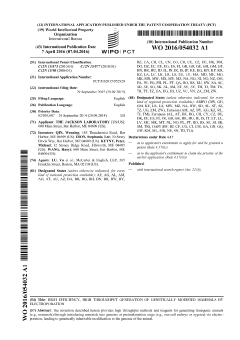
- The method involves using electroporation to introduce genetic materials, including CRISPR/Cas systems, into gametes or preimplantation stage embryos, allowing for high-efficiency and high-throughput generation of genetically modified mammals with high survival rates by optimizing electroporation conditions and using high concentrations of biological materials.
Biosafety Considerations in Gene Delivery
Biosafety considerations are paramount in the field of gene delivery, particularly when optimizing electroporation parameters for mammalian cells. The introduction of foreign genetic material into living organisms necessitates a comprehensive approach to risk assessment and management. One of the primary concerns is the potential for unintended genetic modifications, which could lead to cellular dysfunction or oncogenic transformations.
The choice of delivery vector plays a crucial role in biosafety. While electroporation is generally considered a safer method compared to viral vectors, it still poses risks that must be carefully evaluated. The high-voltage pulses used in electroporation can cause cellular stress and damage, potentially leading to the release of cellular contents or the formation of reactive oxygen species. These effects may trigger immune responses or cause local tissue damage, which must be minimized through careful parameter optimization.
Another critical aspect of biosafety in gene delivery is the prevention of off-target effects. The optimization of electroporation parameters should aim to maximize transfection efficiency while minimizing the risk of genetic material entering unintended cell types or tissues. This is particularly important in in vivo applications, where precise targeting is essential to avoid systemic effects or germline modifications.
The stability and purity of the genetic material used in electroporation are also key biosafety considerations. Contamination with endotoxins or other bacterial products can lead to inflammatory responses or other adverse effects. Rigorous quality control measures must be implemented to ensure the integrity and purity of plasmid DNA or other nucleic acids used in the gene delivery process.
Long-term monitoring of transfected cells is essential to assess the biosafety profile of the optimized electroporation parameters. This includes evaluating the persistence of transgene expression, potential integration events, and any phenotypic changes that may occur over time. The use of inducible or self-limiting gene expression systems can provide an additional layer of safety by allowing for controlled transgene expression.
Regulatory compliance is a critical component of biosafety in gene delivery research and applications. Adherence to good laboratory practices (GLP) and good manufacturing practices (GMP) is essential, particularly when developing therapies for clinical use. Researchers must also stay informed about evolving biosafety guidelines and regulations specific to gene therapy and genetic engineering.
The choice of delivery vector plays a crucial role in biosafety. While electroporation is generally considered a safer method compared to viral vectors, it still poses risks that must be carefully evaluated. The high-voltage pulses used in electroporation can cause cellular stress and damage, potentially leading to the release of cellular contents or the formation of reactive oxygen species. These effects may trigger immune responses or cause local tissue damage, which must be minimized through careful parameter optimization.
Another critical aspect of biosafety in gene delivery is the prevention of off-target effects. The optimization of electroporation parameters should aim to maximize transfection efficiency while minimizing the risk of genetic material entering unintended cell types or tissues. This is particularly important in in vivo applications, where precise targeting is essential to avoid systemic effects or germline modifications.
The stability and purity of the genetic material used in electroporation are also key biosafety considerations. Contamination with endotoxins or other bacterial products can lead to inflammatory responses or other adverse effects. Rigorous quality control measures must be implemented to ensure the integrity and purity of plasmid DNA or other nucleic acids used in the gene delivery process.
Long-term monitoring of transfected cells is essential to assess the biosafety profile of the optimized electroporation parameters. This includes evaluating the persistence of transgene expression, potential integration events, and any phenotypic changes that may occur over time. The use of inducible or self-limiting gene expression systems can provide an additional layer of safety by allowing for controlled transgene expression.
Regulatory compliance is a critical component of biosafety in gene delivery research and applications. Adherence to good laboratory practices (GLP) and good manufacturing practices (GMP) is essential, particularly when developing therapies for clinical use. Researchers must also stay informed about evolving biosafety guidelines and regulations specific to gene therapy and genetic engineering.
Scalability of Optimized Electroporation Protocols
The scalability of optimized electroporation protocols for mammalian gene delivery is a critical factor in translating laboratory-scale successes to industrial applications. As research progresses from small-scale experiments to larger production volumes, maintaining the efficiency and reproducibility of electroporation becomes increasingly challenging. One of the primary considerations in scaling up electroporation protocols is the preservation of cell viability and transfection efficiency across different batch sizes.
Larger-scale electroporation systems often require modifications to electrode design and configuration to ensure uniform electric field distribution throughout the cell suspension. This may involve the development of flow-through electroporation devices or the use of multi-well plate formats that can accommodate higher throughput. Such systems must be carefully calibrated to maintain optimal pulse parameters, including voltage, pulse duration, and number of pulses, which can be affected by changes in sample volume and cell concentration.
Another crucial aspect of scalability is the consistency of cell preparation and handling procedures. As batch sizes increase, maintaining uniform cell suspensions and ensuring even exposure to the electric field becomes more challenging. Automated cell handling systems and standardized protocols for cell preparation can help mitigate these issues and improve reproducibility across different scales.
The composition and quality of the electroporation buffer also play a significant role in the scalability of protocols. Buffers that perform well in small-scale experiments may need to be reformulated or optimized for larger volumes to maintain their protective effects on cells during electroporation. Additionally, the removal of cytotoxic byproducts and debris becomes more critical in larger-scale operations, necessitating the development of efficient post-electroporation processing techniques.
Scalability also encompasses the ability to adapt protocols for different cell types and genetic payloads. As the diversity of target cells and gene constructs increases, the optimization process must be flexible enough to accommodate these variations while maintaining high efficiency. This may involve the development of modular electroporation systems or software-controlled devices that can rapidly adjust parameters based on specific cell and payload characteristics.
Finally, the economic considerations of scaling up electroporation protocols cannot be overlooked. The cost-effectiveness of large-scale gene delivery must be evaluated in terms of reagent consumption, equipment requirements, and labor intensity. Innovations in electrode materials, reusable components, and automated systems can contribute to making scaled-up electroporation more economically viable for commercial applications.
Larger-scale electroporation systems often require modifications to electrode design and configuration to ensure uniform electric field distribution throughout the cell suspension. This may involve the development of flow-through electroporation devices or the use of multi-well plate formats that can accommodate higher throughput. Such systems must be carefully calibrated to maintain optimal pulse parameters, including voltage, pulse duration, and number of pulses, which can be affected by changes in sample volume and cell concentration.
Another crucial aspect of scalability is the consistency of cell preparation and handling procedures. As batch sizes increase, maintaining uniform cell suspensions and ensuring even exposure to the electric field becomes more challenging. Automated cell handling systems and standardized protocols for cell preparation can help mitigate these issues and improve reproducibility across different scales.
The composition and quality of the electroporation buffer also play a significant role in the scalability of protocols. Buffers that perform well in small-scale experiments may need to be reformulated or optimized for larger volumes to maintain their protective effects on cells during electroporation. Additionally, the removal of cytotoxic byproducts and debris becomes more critical in larger-scale operations, necessitating the development of efficient post-electroporation processing techniques.
Scalability also encompasses the ability to adapt protocols for different cell types and genetic payloads. As the diversity of target cells and gene constructs increases, the optimization process must be flexible enough to accommodate these variations while maintaining high efficiency. This may involve the development of modular electroporation systems or software-controlled devices that can rapidly adjust parameters based on specific cell and payload characteristics.
Finally, the economic considerations of scaling up electroporation protocols cannot be overlooked. The cost-effectiveness of large-scale gene delivery must be evaluated in terms of reagent consumption, equipment requirements, and labor intensity. Innovations in electrode materials, reusable components, and automated systems can contribute to making scaled-up electroporation more economically viable for commercial applications.
Unlock deeper insights with Patsnap Eureka Quick Research — get a full tech report to explore trends and direct your research. Try now!
Generate Your Research Report Instantly with AI Agent
Supercharge your innovation with Patsnap Eureka AI Agent Platform!