

How To Reduce Cell Death During Electroporation Protocols
AUG 21, 20259 MIN READ
Generate Your Research Report Instantly with AI Agent
PatSnap Eureka helps you evaluate technical feasibility & market potential.
Electroporation Challenges
Electroporation, a widely used technique for introducing foreign molecules into cells, faces several significant challenges that can lead to cell death. One of the primary issues is the delicate balance between achieving effective membrane permeabilization and maintaining cell viability. The high-voltage electric pulses used in electroporation can cause irreversible damage to cell membranes, leading to cell lysis and death.
Another major challenge is the variability in cell response to electroporation. Different cell types and even cells within the same population can exhibit varying levels of susceptibility to electrical pulses. This heterogeneity makes it difficult to establish standardized protocols that work consistently across different cell types and experimental conditions.
The formation of reactive oxygen species (ROS) during electroporation is another critical issue. The electrical pulses can induce the production of ROS, which can cause oxidative stress and damage to cellular components, ultimately leading to cell death. Managing and mitigating ROS formation is crucial for improving cell survival rates.
Temperature fluctuations during the electroporation process pose an additional challenge. The electrical pulses can cause localized heating, which may result in thermal damage to cells. Maintaining a consistent and appropriate temperature throughout the procedure is essential for preserving cell viability.
The choice of buffer solution used during electroporation can also significantly impact cell survival. Inappropriate buffer composition or osmolarity can lead to osmotic stress, further compromising cell integrity. Optimizing buffer formulations to protect cells during the electroporation process is a key area of research.
Post-electroporation recovery is another critical phase where cell death can occur. The stress induced by the electrical pulses can trigger apoptotic pathways, leading to delayed cell death even after the initial electroporation event. Developing effective post-treatment strategies to support cell recovery and prevent delayed apoptosis is crucial.
Scaling up electroporation for large-scale applications, such as in biotechnology or gene therapy, presents additional challenges. Maintaining consistent results and high cell viability across larger volumes and cell numbers requires careful optimization of equipment and protocols.
Addressing these challenges requires a multifaceted approach, combining advances in electroporation technology, optimization of protocols, and development of protective strategies. Ongoing research in areas such as pulse waveform design, nanoelectroporation, and the use of protective agents holds promise for improving cell survival rates and expanding the applications of electroporation in various fields.
Another major challenge is the variability in cell response to electroporation. Different cell types and even cells within the same population can exhibit varying levels of susceptibility to electrical pulses. This heterogeneity makes it difficult to establish standardized protocols that work consistently across different cell types and experimental conditions.
The formation of reactive oxygen species (ROS) during electroporation is another critical issue. The electrical pulses can induce the production of ROS, which can cause oxidative stress and damage to cellular components, ultimately leading to cell death. Managing and mitigating ROS formation is crucial for improving cell survival rates.
Temperature fluctuations during the electroporation process pose an additional challenge. The electrical pulses can cause localized heating, which may result in thermal damage to cells. Maintaining a consistent and appropriate temperature throughout the procedure is essential for preserving cell viability.
The choice of buffer solution used during electroporation can also significantly impact cell survival. Inappropriate buffer composition or osmolarity can lead to osmotic stress, further compromising cell integrity. Optimizing buffer formulations to protect cells during the electroporation process is a key area of research.
Post-electroporation recovery is another critical phase where cell death can occur. The stress induced by the electrical pulses can trigger apoptotic pathways, leading to delayed cell death even after the initial electroporation event. Developing effective post-treatment strategies to support cell recovery and prevent delayed apoptosis is crucial.
Scaling up electroporation for large-scale applications, such as in biotechnology or gene therapy, presents additional challenges. Maintaining consistent results and high cell viability across larger volumes and cell numbers requires careful optimization of equipment and protocols.
Addressing these challenges requires a multifaceted approach, combining advances in electroporation technology, optimization of protocols, and development of protective strategies. Ongoing research in areas such as pulse waveform design, nanoelectroporation, and the use of protective agents holds promise for improving cell survival rates and expanding the applications of electroporation in various fields.
Market Demand Analysis
The market demand for improved electroporation protocols with reduced cell death is driven by several factors in the biotechnology and pharmaceutical industries. Electroporation is a widely used technique for introducing foreign molecules, such as DNA, RNA, or proteins, into cells for various research and therapeutic applications. However, the high cell death rate associated with traditional electroporation methods has been a significant limitation, prompting the need for more efficient and cell-friendly approaches.
In the research sector, academic institutions and biotechnology companies are constantly seeking ways to enhance transfection efficiency while maintaining cell viability. This demand is particularly strong in fields such as gene therapy, cancer research, and stem cell studies, where the ability to introduce genetic material into cells without compromising their health is crucial. The growing interest in CRISPR-Cas9 gene editing techniques has further intensified the need for improved electroporation methods, as this technology often relies on efficient delivery of guide RNAs and Cas9 proteins into target cells.
The pharmaceutical industry is another major driver of demand for reduced cell death in electroporation protocols. As cell-based therapies and personalized medicine gain traction, there is an increasing need for efficient and scalable methods to modify patient-derived cells. This is particularly relevant in the development of CAR-T cell therapies for cancer treatment, where the ability to transfect T cells with minimal cell loss is critical for producing sufficient quantities of therapeutic cells.
The market for electroporation devices and reagents is expected to grow significantly in the coming years, with a particular emphasis on solutions that offer higher cell viability. This growth is fueled by the expanding applications of gene therapy and cell-based treatments across various medical fields, including oncology, neurology, and rare genetic disorders.
Furthermore, the increasing adoption of electroporation in industrial biotechnology for the development of biofuels and bio-based products is creating additional demand for cell-preserving techniques. In this sector, maintaining high cell viability during genetic modification processes is essential for achieving optimal yields and process efficiency.
As regulatory agencies continue to emphasize the importance of product quality and consistency in cell-based therapies, there is a growing market demand for standardized, reproducible electroporation protocols that minimize cell death. This trend is driving innovation in both hardware and reagent development, with companies investing in research to create more gentle yet effective electroporation solutions.
In the research sector, academic institutions and biotechnology companies are constantly seeking ways to enhance transfection efficiency while maintaining cell viability. This demand is particularly strong in fields such as gene therapy, cancer research, and stem cell studies, where the ability to introduce genetic material into cells without compromising their health is crucial. The growing interest in CRISPR-Cas9 gene editing techniques has further intensified the need for improved electroporation methods, as this technology often relies on efficient delivery of guide RNAs and Cas9 proteins into target cells.
The pharmaceutical industry is another major driver of demand for reduced cell death in electroporation protocols. As cell-based therapies and personalized medicine gain traction, there is an increasing need for efficient and scalable methods to modify patient-derived cells. This is particularly relevant in the development of CAR-T cell therapies for cancer treatment, where the ability to transfect T cells with minimal cell loss is critical for producing sufficient quantities of therapeutic cells.
The market for electroporation devices and reagents is expected to grow significantly in the coming years, with a particular emphasis on solutions that offer higher cell viability. This growth is fueled by the expanding applications of gene therapy and cell-based treatments across various medical fields, including oncology, neurology, and rare genetic disorders.
Furthermore, the increasing adoption of electroporation in industrial biotechnology for the development of biofuels and bio-based products is creating additional demand for cell-preserving techniques. In this sector, maintaining high cell viability during genetic modification processes is essential for achieving optimal yields and process efficiency.
As regulatory agencies continue to emphasize the importance of product quality and consistency in cell-based therapies, there is a growing market demand for standardized, reproducible electroporation protocols that minimize cell death. This trend is driving innovation in both hardware and reagent development, with companies investing in research to create more gentle yet effective electroporation solutions.
Current Limitations
Electroporation is a widely used technique for introducing foreign molecules into cells, but it faces several significant limitations that hinder its effectiveness and widespread application. One of the primary challenges is the high rate of cell death during the process, which can severely impact the overall efficiency of the protocol.
The current electroporation methods often result in substantial cellular damage due to the intense electric fields applied to the cell membranes. These fields, while necessary for creating temporary pores in the membrane, can also cause irreversible damage to cellular structures and organelles. The balance between achieving sufficient membrane permeabilization and minimizing cell death remains a critical challenge in optimizing electroporation protocols.
Another limitation is the variability in cell survival rates across different cell types and experimental conditions. Some cell lines are more susceptible to electroporation-induced damage than others, making it difficult to establish standardized protocols that work effectively across a wide range of biological samples. This variability necessitates time-consuming optimization processes for each specific cell type or application.
The size and charge of the molecules being introduced into the cells also present challenges. Larger molecules or those with strong charges may require more intense electric fields for successful entry, potentially increasing the risk of cell death. This limitation restricts the range of molecules that can be effectively delivered using current electroporation techniques.
Furthermore, the scalability of electroporation protocols poses a significant hurdle. While the technique works well for small-scale experiments, scaling up to larger volumes or high-throughput applications often results in decreased efficiency and increased cell death rates. This limitation hampers the use of electroporation in industrial or clinical settings where large-scale cell manipulation is required.
The lack of precise control over the electric field distribution within the sample is another critical limitation. Inhomogeneous field distribution can lead to inconsistent results, with some cells receiving too much energy and others not enough for effective pore formation. This variability contributes to both reduced transfection efficiency and increased cell death rates.
Additionally, the current limitations in real-time monitoring of the electroporation process make it challenging to adjust parameters dynamically during the procedure. Without immediate feedback on cell viability and pore formation, operators must rely on pre-determined settings that may not be optimal for all cells in the sample.
Addressing these limitations requires innovative approaches that can maintain or improve the efficiency of molecule delivery while significantly reducing cell death rates. Potential solutions may involve developing new electrode designs, exploring alternative pulsing strategies, or incorporating protective agents to enhance cell survival during the electroporation process.
The current electroporation methods often result in substantial cellular damage due to the intense electric fields applied to the cell membranes. These fields, while necessary for creating temporary pores in the membrane, can also cause irreversible damage to cellular structures and organelles. The balance between achieving sufficient membrane permeabilization and minimizing cell death remains a critical challenge in optimizing electroporation protocols.
Another limitation is the variability in cell survival rates across different cell types and experimental conditions. Some cell lines are more susceptible to electroporation-induced damage than others, making it difficult to establish standardized protocols that work effectively across a wide range of biological samples. This variability necessitates time-consuming optimization processes for each specific cell type or application.
The size and charge of the molecules being introduced into the cells also present challenges. Larger molecules or those with strong charges may require more intense electric fields for successful entry, potentially increasing the risk of cell death. This limitation restricts the range of molecules that can be effectively delivered using current electroporation techniques.
Furthermore, the scalability of electroporation protocols poses a significant hurdle. While the technique works well for small-scale experiments, scaling up to larger volumes or high-throughput applications often results in decreased efficiency and increased cell death rates. This limitation hampers the use of electroporation in industrial or clinical settings where large-scale cell manipulation is required.
The lack of precise control over the electric field distribution within the sample is another critical limitation. Inhomogeneous field distribution can lead to inconsistent results, with some cells receiving too much energy and others not enough for effective pore formation. This variability contributes to both reduced transfection efficiency and increased cell death rates.
Additionally, the current limitations in real-time monitoring of the electroporation process make it challenging to adjust parameters dynamically during the procedure. Without immediate feedback on cell viability and pore formation, operators must rely on pre-determined settings that may not be optimal for all cells in the sample.
Addressing these limitations requires innovative approaches that can maintain or improve the efficiency of molecule delivery while significantly reducing cell death rates. Potential solutions may involve developing new electrode designs, exploring alternative pulsing strategies, or incorporating protective agents to enhance cell survival during the electroporation process.
Existing Cell Viability
01 Optimizing electroporation parameters to minimize cell death
Researchers focus on fine-tuning electroporation protocols to achieve efficient gene transfer while minimizing cell death. This involves adjusting factors such as voltage, pulse duration, and frequency to maintain cell viability. The goal is to create temporary pores in cell membranes without causing irreversible damage.- Optimization of electroporation parameters to minimize cell death: Researchers focus on optimizing electroporation parameters such as voltage, pulse duration, and frequency to achieve efficient gene transfer while minimizing cell death. This involves careful calibration of the electric field strength and pulse characteristics to maintain cell viability while ensuring successful membrane permeabilization.
- Use of protective agents during electroporation: Incorporation of protective agents or additives in the electroporation buffer can help reduce cell death. These agents may include antioxidants, osmolytes, or specific proteins that stabilize cell membranes or mitigate oxidative stress induced by the electric field, thereby improving overall cell survival rates during the electroporation process.
- Development of cell-specific electroporation protocols: Tailoring electroporation protocols to specific cell types or tissues can significantly reduce cell death. This approach involves adjusting parameters based on the unique characteristics of target cells, such as membrane composition, size, and susceptibility to electric fields, to achieve optimal transfection efficiency with minimal cytotoxicity.
- Post-electroporation recovery strategies: Implementing effective post-electroporation recovery strategies can enhance cell survival. These may include optimized culture conditions, supplementation with growth factors, or the use of specialized recovery media designed to promote cell repair and regeneration following the stress of electroporation.
- Combination of electroporation with other techniques: Combining electroporation with other techniques, such as sonoporation or chemical transfection methods, can potentially reduce cell death while maintaining high transfection efficiency. This synergistic approach may allow for lower electric field strengths to be used, thereby minimizing cellular damage while still achieving desired outcomes.
02 Protective agents to reduce cell death during electroporation
Various protective agents are incorporated into electroporation buffers to mitigate cell death. These may include antioxidants, osmolytes, or specific proteins that help maintain cellular integrity during the electric pulse. Such additives can significantly improve cell survival rates post-electroporation.Expand Specific Solutions03 Cell-specific electroporation protocols to minimize death
Tailored electroporation protocols are developed for specific cell types, considering their unique membrane properties and susceptibility to electrical stress. This approach involves customizing parameters such as buffer composition, temperature, and post-electroporation recovery conditions to enhance survival rates for particular cell lines or primary cells.Expand Specific Solutions04 Monitoring and controlling cell death during electroporation
Advanced techniques are employed to monitor cell viability in real-time during the electroporation process. This may involve using fluorescent markers, impedance measurements, or other biosensors to detect early signs of cell death. Such monitoring allows for immediate adjustments to the protocol to minimize cell loss.Expand Specific Solutions05 Post-electroporation treatments to enhance cell survival
Various post-electroporation treatments are developed to promote cell recovery and reduce delayed cell death. These may include specific media formulations, growth factors, or physical conditions that support cellular repair mechanisms and minimize apoptosis triggered by the electroporation stress.Expand Specific Solutions
Key Industry Players
The field of electroporation protocols for reducing cell death is in a growth phase, with increasing market size and technological advancements. The global market for electroporation devices is expected to expand significantly in the coming years, driven by applications in gene therapy, cancer treatment, and biotechnology research. Companies like MaxCyte, Inc. and Lonza Group are at the forefront, developing advanced electroporation systems. AngioDynamics and Boston Scientific are also contributing to the field with their medical device expertise. Academic institutions such as Tsinghua University and the University of California are conducting cutting-edge research to improve electroporation efficiency and cell viability. As the technology matures, we can expect more players to enter the market, potentially leading to more innovative solutions and improved protocols for reducing cell death during electroporation.
The Regents of the University of California
Technical Solution: Researchers at the University of California have developed several innovative approaches to reduce cell death during electroporation. One notable method involves the use of nanochannel-based electroporation (NEP), which employs nanoscale channels to create highly localized electric fields. This approach allows for more precise control over membrane permeabilization, significantly reducing cellular stress and damage[8]. Another technique developed by UC researchers utilizes a microfluidic device with 3D electrodes to create uniform electric fields, resulting in improved cell viability. The university has also explored the use of pulsed electric fields with specific frequencies and durations to optimize electroporation efficiency while minimizing cell death[9].
Strengths: Cutting-edge research in nanotechnology and microfluidics applied to electroporation, potential for highly efficient and gentle cell transfection. Weaknesses: Some technologies may still be in early stages of development and not yet commercially available.
Lonza Cologne AG
Technical Solution: Lonza has developed the Nucleofector Technology, an advanced form of electroporation designed to minimize cell death. This non-viral method uses a combination of optimized electrical parameters and cell-type specific solutions to deliver molecules directly into the cell nucleus and cytoplasm. The technology employs brief, high-voltage electrical pulses coupled with cell-type specific reagents to protect cell viability[4]. Lonza's approach includes pre-optimized protocols for over 650 cell types, ensuring efficient transfection while maintaining high cell survival rates. The company has also introduced the 4D-Nucleofector System, which allows for simultaneous processing of multiple samples under different conditions, enabling rapid optimization of protocols[5].
Strengths: Highly efficient for hard-to-transfect cell types, versatile across a wide range of cell types, and user-friendly with pre-optimized protocols. Weaknesses: May require initial optimization for new cell types and higher cost compared to basic electroporation methods.
Core Innovations
Method and device for making living cells permeable
PatentWO1991018103A1
Innovation
- A method involving successive short-duration and longer-duration electric discharges with varying electric fields is applied to the cell suspension, where the short-duration discharge generates a high electric field and the longer-duration discharge generates a lower electric field, reducing cell death and increasing the penetration rate of foreign molecules.

System and Method of Electroporation Protocol Optimization
PatentInactiveUS20240400964A1
Innovation
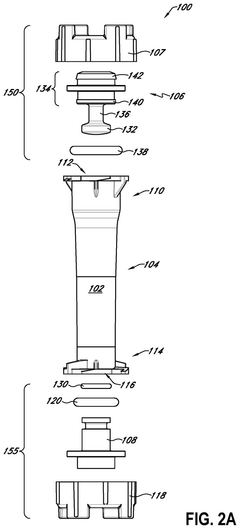
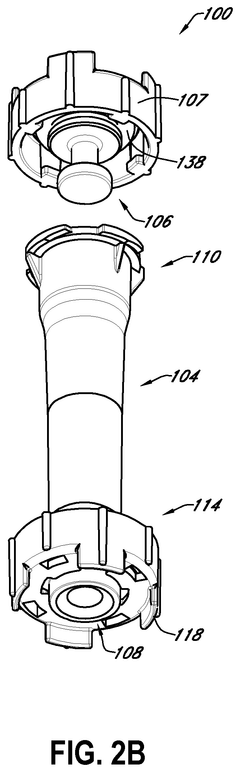
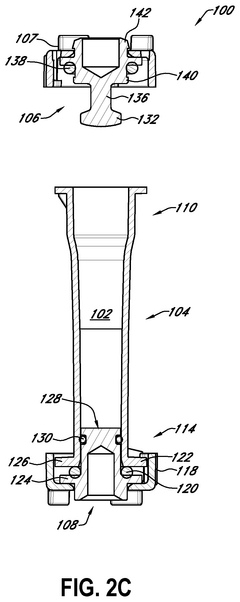
- An electroporation system with a controller that runs optimization routines to determine optimal parameters by varying voltage, pulse width, pulse number, buffer type, and pulse type, allowing for selection and repetition of protocols, and includes an authentication chip for secure operation.

Safety Considerations
Safety considerations are paramount when implementing electroporation protocols to reduce cell death. The high-voltage electric pulses used in electroporation can pose significant risks to both the operator and the cellular samples. Proper safety measures must be in place to protect personnel from electrical hazards, including the use of insulated equipment, grounded workstations, and protective gear such as gloves and safety goggles.
The choice of electroporation buffer is crucial for maintaining cell viability while ensuring effective DNA or molecule delivery. Buffers should be carefully selected to minimize osmotic stress and maintain physiological pH. Additionally, the use of antioxidants or cell-protective agents in the buffer can help mitigate oxidative damage caused by the electric field.
Temperature control during the electroporation process is essential. Excessive heat generation can lead to thermal damage and increased cell death. Implementing cooling systems or performing the procedure in a temperature-controlled environment can help maintain optimal conditions for cell survival.
The duration and intensity of electric pulses must be carefully optimized to balance transfection efficiency with cell viability. Excessive voltage or prolonged exposure can cause irreversible membrane damage and cell death. Utilizing pulse generators with precise control over pulse parameters allows for fine-tuning of the protocol to minimize cellular stress.
Post-electroporation handling of cells requires gentle techniques to prevent further damage. Immediate transfer to recovery media containing growth factors and nutrients can support cell survival and regeneration. Avoiding mechanical stress during cell transfer and providing adequate time for membrane resealing are critical steps in the recovery process.
Sterile technique is crucial throughout the electroporation procedure to prevent contamination, which can compromise cell viability and experimental results. All equipment, solutions, and work surfaces should be properly sterilized, and aseptic techniques should be employed during sample handling.
Regular maintenance and calibration of electroporation equipment are necessary to ensure consistent and safe performance. Faulty equipment can lead to unpredictable results and potential safety hazards. Implementing a routine maintenance schedule and keeping detailed records of equipment performance can help identify and address potential issues before they impact experimental outcomes or safety.
By addressing these safety considerations, researchers can significantly reduce cell death during electroporation protocols while maintaining the integrity of their experiments and ensuring the well-being of laboratory personnel.
The choice of electroporation buffer is crucial for maintaining cell viability while ensuring effective DNA or molecule delivery. Buffers should be carefully selected to minimize osmotic stress and maintain physiological pH. Additionally, the use of antioxidants or cell-protective agents in the buffer can help mitigate oxidative damage caused by the electric field.
Temperature control during the electroporation process is essential. Excessive heat generation can lead to thermal damage and increased cell death. Implementing cooling systems or performing the procedure in a temperature-controlled environment can help maintain optimal conditions for cell survival.
The duration and intensity of electric pulses must be carefully optimized to balance transfection efficiency with cell viability. Excessive voltage or prolonged exposure can cause irreversible membrane damage and cell death. Utilizing pulse generators with precise control over pulse parameters allows for fine-tuning of the protocol to minimize cellular stress.
Post-electroporation handling of cells requires gentle techniques to prevent further damage. Immediate transfer to recovery media containing growth factors and nutrients can support cell survival and regeneration. Avoiding mechanical stress during cell transfer and providing adequate time for membrane resealing are critical steps in the recovery process.
Sterile technique is crucial throughout the electroporation procedure to prevent contamination, which can compromise cell viability and experimental results. All equipment, solutions, and work surfaces should be properly sterilized, and aseptic techniques should be employed during sample handling.
Regular maintenance and calibration of electroporation equipment are necessary to ensure consistent and safe performance. Faulty equipment can lead to unpredictable results and potential safety hazards. Implementing a routine maintenance schedule and keeping detailed records of equipment performance can help identify and address potential issues before they impact experimental outcomes or safety.
By addressing these safety considerations, researchers can significantly reduce cell death during electroporation protocols while maintaining the integrity of their experiments and ensuring the well-being of laboratory personnel.
Ethical Implications
Electroporation, while a powerful tool for cellular manipulation, raises several ethical considerations that must be carefully addressed. The primary concern revolves around the potential for unintended harm to cells and organisms during the process. As researchers strive to reduce cell death in electroporation protocols, they must balance the pursuit of scientific advancement with the ethical responsibility to minimize harm to living entities.
One key ethical implication is the need for transparency and informed consent when using electroporation techniques on human or animal subjects. Researchers must clearly communicate the risks and potential outcomes of the procedure, ensuring that participants or their representatives fully understand and voluntarily agree to the process. This becomes particularly crucial in clinical trials or therapeutic applications where the long-term effects of electroporation may not be fully known.
The use of electroporation in genetic modification also raises ethical questions about the boundaries of human intervention in biological processes. As techniques for reducing cell death improve, making genetic alterations more efficient, society must grapple with the implications of enhanced abilities to manipulate genetic material. This includes considerations of genetic enhancement, designer babies, and the potential for creating unforeseen biological consequences.
Furthermore, the development of more effective electroporation protocols may lead to increased use of animal models in research. While this could accelerate scientific progress, it also demands heightened attention to animal welfare and the ethical treatment of research subjects. Researchers must continuously evaluate whether the potential benefits of their work justify the use of animal subjects and strive to implement the 3Rs principle: Replacement, Reduction, and Refinement.
The ethical implications extend to the realm of biosafety and biosecurity. As electroporation techniques become more refined and accessible, there is a need to consider the potential for misuse or accidental release of genetically modified organisms. Robust safety protocols and regulatory frameworks must be developed and enforced to mitigate these risks, balancing scientific freedom with public safety.
Lastly, the equitable distribution of advanced electroporation technologies raises ethical questions about access to scientific tools and therapies. As more effective and less harmful protocols are developed, ensuring fair access to these technologies across different socioeconomic groups and geographical regions becomes an important ethical consideration. This includes addressing disparities in research funding, technology transfer, and the availability of skilled personnel to implement these advanced techniques.
One key ethical implication is the need for transparency and informed consent when using electroporation techniques on human or animal subjects. Researchers must clearly communicate the risks and potential outcomes of the procedure, ensuring that participants or their representatives fully understand and voluntarily agree to the process. This becomes particularly crucial in clinical trials or therapeutic applications where the long-term effects of electroporation may not be fully known.
The use of electroporation in genetic modification also raises ethical questions about the boundaries of human intervention in biological processes. As techniques for reducing cell death improve, making genetic alterations more efficient, society must grapple with the implications of enhanced abilities to manipulate genetic material. This includes considerations of genetic enhancement, designer babies, and the potential for creating unforeseen biological consequences.
Furthermore, the development of more effective electroporation protocols may lead to increased use of animal models in research. While this could accelerate scientific progress, it also demands heightened attention to animal welfare and the ethical treatment of research subjects. Researchers must continuously evaluate whether the potential benefits of their work justify the use of animal subjects and strive to implement the 3Rs principle: Replacement, Reduction, and Refinement.
The ethical implications extend to the realm of biosafety and biosecurity. As electroporation techniques become more refined and accessible, there is a need to consider the potential for misuse or accidental release of genetically modified organisms. Robust safety protocols and regulatory frameworks must be developed and enforced to mitigate these risks, balancing scientific freedom with public safety.
Lastly, the equitable distribution of advanced electroporation technologies raises ethical questions about access to scientific tools and therapies. As more effective and less harmful protocols are developed, ensuring fair access to these technologies across different socioeconomic groups and geographical regions becomes an important ethical consideration. This includes addressing disparities in research funding, technology transfer, and the availability of skilled personnel to implement these advanced techniques.
Unlock deeper insights with PatSnap Eureka Quick Research — get a full tech report to explore trends and direct your research. Try now!
Generate Your Research Report Instantly with AI Agent
Supercharge your innovation with PatSnap Eureka AI Agent Platform!