How To Ensure Reproducible Electroporation Across Labs
AUG 21, 20259 MIN READ
Generate Your Research Report Instantly with AI Agent
Patsnap Eureka helps you evaluate technical feasibility & market potential.
Electroporation Background and Objectives
Electroporation, a technique that uses electrical pulses to create temporary pores in cell membranes, has become a cornerstone in molecular biology and biotechnology. Since its inception in the 1960s, this method has evolved significantly, enabling efficient delivery of molecules such as DNA, RNA, and proteins into cells. The technology has found applications across diverse fields, including gene therapy, cancer treatment, and crop improvement.
The evolution of electroporation has been marked by continuous refinement of protocols and equipment. Early systems relied on simple capacitor discharge circuits, while modern devices offer precise control over pulse parameters. This progression has expanded the technique's utility, allowing researchers to work with a wider range of cell types and molecules. However, despite these advancements, reproducibility across different laboratories remains a significant challenge.
The primary objective in addressing reproducibility issues in electroporation is to establish standardized protocols that can be consistently applied across various research settings. This goal encompasses several key aspects: optimizing electrical parameters, standardizing cell preparation methods, and developing robust quality control measures. By achieving these objectives, researchers aim to enhance the reliability and comparability of electroporation experiments, ultimately accelerating scientific progress and translational research.
Reproducibility challenges in electroporation stem from multiple factors, including variations in equipment specifications, differences in cell handling procedures, and inconsistencies in reporting methodologies. These issues have led to difficulties in replicating experimental results, hindering the validation of research findings and slowing the adoption of promising applications. Addressing these challenges requires a multifaceted approach that combines technological innovation with improved experimental design and reporting standards.
The pursuit of reproducible electroporation also aligns with broader trends in the scientific community towards open science and increased transparency. As funding agencies and journals place greater emphasis on reproducibility, developing standardized electroporation protocols becomes not just a technical challenge but a crucial step in maintaining the integrity of scientific research. This objective dovetails with efforts to establish best practices in other areas of molecular biology and biotechnology.
Looking ahead, the field of electroporation is poised for further innovation. Emerging technologies, such as microfluidic devices and nanotechnology-based approaches, promise to enhance control and reproducibility. These advancements, coupled with efforts to standardize protocols, are expected to expand the applications of electroporation in both research and clinical settings, potentially revolutionizing areas such as personalized medicine and genetic engineering.
The evolution of electroporation has been marked by continuous refinement of protocols and equipment. Early systems relied on simple capacitor discharge circuits, while modern devices offer precise control over pulse parameters. This progression has expanded the technique's utility, allowing researchers to work with a wider range of cell types and molecules. However, despite these advancements, reproducibility across different laboratories remains a significant challenge.
The primary objective in addressing reproducibility issues in electroporation is to establish standardized protocols that can be consistently applied across various research settings. This goal encompasses several key aspects: optimizing electrical parameters, standardizing cell preparation methods, and developing robust quality control measures. By achieving these objectives, researchers aim to enhance the reliability and comparability of electroporation experiments, ultimately accelerating scientific progress and translational research.
Reproducibility challenges in electroporation stem from multiple factors, including variations in equipment specifications, differences in cell handling procedures, and inconsistencies in reporting methodologies. These issues have led to difficulties in replicating experimental results, hindering the validation of research findings and slowing the adoption of promising applications. Addressing these challenges requires a multifaceted approach that combines technological innovation with improved experimental design and reporting standards.
The pursuit of reproducible electroporation also aligns with broader trends in the scientific community towards open science and increased transparency. As funding agencies and journals place greater emphasis on reproducibility, developing standardized electroporation protocols becomes not just a technical challenge but a crucial step in maintaining the integrity of scientific research. This objective dovetails with efforts to establish best practices in other areas of molecular biology and biotechnology.
Looking ahead, the field of electroporation is poised for further innovation. Emerging technologies, such as microfluidic devices and nanotechnology-based approaches, promise to enhance control and reproducibility. These advancements, coupled with efforts to standardize protocols, are expected to expand the applications of electroporation in both research and clinical settings, potentially revolutionizing areas such as personalized medicine and genetic engineering.
Market Demand Analysis
The market demand for reproducible electroporation across laboratories is driven by the increasing need for standardization and reliability in various fields, including cell biology, genetic engineering, and drug development. As electroporation becomes a crucial technique in these areas, researchers and industry professionals are seeking ways to ensure consistent results across different labs and experimental setups.
In the biotechnology and pharmaceutical sectors, electroporation plays a vital role in gene therapy, vaccine development, and cell-based therapies. The global gene therapy market, which heavily relies on electroporation techniques, is projected to grow significantly in the coming years. This growth is fueled by the rising prevalence of genetic disorders and the increasing investment in research and development of gene-based treatments.
The academic research community also contributes to the demand for reproducible electroporation. Universities and research institutions worldwide are conducting studies in areas such as CRISPR gene editing, cell signaling, and drug delivery, where electroporation is a key methodology. The reproducibility crisis in science has highlighted the need for standardized protocols and reliable techniques, further driving the demand for consistent electroporation methods.
In the field of agriculture and food technology, electroporation is used for genetic modification of crops and food preservation. As the global population grows and climate change impacts food production, there is an increasing need for innovative agricultural solutions. This sector's demand for reproducible electroporation is expected to rise as more countries adopt genetically modified crops and seek improved food preservation techniques.
The medical device industry is another significant contributor to the market demand. Electrochemotherapy, which combines electroporation with chemotherapy for cancer treatment, is gaining traction in oncology. As this treatment modality expands, the need for standardized and reproducible electroporation protocols becomes crucial for patient safety and treatment efficacy.
Small and medium-sized biotech companies, as well as contract research organizations (CROs), are also driving the demand for reproducible electroporation. These entities often collaborate with larger pharmaceutical companies or academic institutions, necessitating standardized protocols to ensure consistent results across different research sites.
The COVID-19 pandemic has further emphasized the importance of reproducible laboratory techniques, including electroporation, in vaccine development and testing. This global health crisis has accelerated research in mRNA-based vaccines, where electroporation is a key method for introducing genetic material into cells.
Overall, the market demand for ensuring reproducible electroporation across labs is multifaceted, spanning various industries and research fields. The need for standardization, reliability, and consistency in results is driving innovation in electroporation technologies and protocols, with potential applications ranging from basic research to clinical treatments and industrial processes.
In the biotechnology and pharmaceutical sectors, electroporation plays a vital role in gene therapy, vaccine development, and cell-based therapies. The global gene therapy market, which heavily relies on electroporation techniques, is projected to grow significantly in the coming years. This growth is fueled by the rising prevalence of genetic disorders and the increasing investment in research and development of gene-based treatments.
The academic research community also contributes to the demand for reproducible electroporation. Universities and research institutions worldwide are conducting studies in areas such as CRISPR gene editing, cell signaling, and drug delivery, where electroporation is a key methodology. The reproducibility crisis in science has highlighted the need for standardized protocols and reliable techniques, further driving the demand for consistent electroporation methods.
In the field of agriculture and food technology, electroporation is used for genetic modification of crops and food preservation. As the global population grows and climate change impacts food production, there is an increasing need for innovative agricultural solutions. This sector's demand for reproducible electroporation is expected to rise as more countries adopt genetically modified crops and seek improved food preservation techniques.
The medical device industry is another significant contributor to the market demand. Electrochemotherapy, which combines electroporation with chemotherapy for cancer treatment, is gaining traction in oncology. As this treatment modality expands, the need for standardized and reproducible electroporation protocols becomes crucial for patient safety and treatment efficacy.
Small and medium-sized biotech companies, as well as contract research organizations (CROs), are also driving the demand for reproducible electroporation. These entities often collaborate with larger pharmaceutical companies or academic institutions, necessitating standardized protocols to ensure consistent results across different research sites.
The COVID-19 pandemic has further emphasized the importance of reproducible laboratory techniques, including electroporation, in vaccine development and testing. This global health crisis has accelerated research in mRNA-based vaccines, where electroporation is a key method for introducing genetic material into cells.
Overall, the market demand for ensuring reproducible electroporation across labs is multifaceted, spanning various industries and research fields. The need for standardization, reliability, and consistency in results is driving innovation in electroporation technologies and protocols, with potential applications ranging from basic research to clinical treatments and industrial processes.
Current Challenges in Reproducibility
Electroporation is a widely used technique in molecular biology and biotechnology for introducing foreign molecules into cells. However, ensuring reproducibility across different laboratories has been a persistent challenge. One of the primary issues is the variability in equipment and protocols used by different research groups. Electroporation devices can vary in their design, electrode configuration, and pulse delivery mechanisms, leading to inconsistent results when attempting to replicate experiments.
Another significant challenge is the lack of standardization in cell preparation methods. Factors such as cell density, growth phase, and buffer composition can greatly influence the efficiency of electroporation. Without a unified approach to cell handling and preparation, it becomes difficult to achieve consistent results across different laboratories. Additionally, the physiological state of cells can vary between batches and sources, further complicating reproducibility efforts.
The choice of electroporation parameters, including voltage, pulse duration, and number of pulses, is often empirically determined and can vary widely between protocols. This lack of standardization in parameter selection makes it challenging to compare results and replicate experiments accurately. Moreover, the optimization of these parameters is often time-consuming and resource-intensive, leading some researchers to rely on suboptimal conditions that may not be universally applicable.
Environmental factors also play a crucial role in electroporation reproducibility. Temperature, humidity, and even subtle differences in laboratory conditions can affect the outcome of electroporation experiments. These variables are often overlooked or inadequately controlled, contributing to the variability observed between different research groups.
The quality and purity of the molecules being introduced into cells (e.g., DNA, RNA, or proteins) can also impact reproducibility. Variations in the preparation and storage of these molecules can lead to differences in electroporation efficiency and subsequent cellular responses. Furthermore, the methods used to assess electroporation success, such as cell viability assays or transgene expression measurements, may not be standardized across laboratories, making it difficult to compare results directly.
Lastly, the lack of comprehensive reporting of experimental details in published literature exacerbates the reproducibility challenge. Many studies fail to provide sufficient information about their electroporation protocols, cell preparation methods, and equipment specifications, making it difficult for other researchers to replicate the experiments accurately. This gap in communication and transparency hinders the scientific community's ability to build upon and validate existing research in the field of electroporation.
Another significant challenge is the lack of standardization in cell preparation methods. Factors such as cell density, growth phase, and buffer composition can greatly influence the efficiency of electroporation. Without a unified approach to cell handling and preparation, it becomes difficult to achieve consistent results across different laboratories. Additionally, the physiological state of cells can vary between batches and sources, further complicating reproducibility efforts.
The choice of electroporation parameters, including voltage, pulse duration, and number of pulses, is often empirically determined and can vary widely between protocols. This lack of standardization in parameter selection makes it challenging to compare results and replicate experiments accurately. Moreover, the optimization of these parameters is often time-consuming and resource-intensive, leading some researchers to rely on suboptimal conditions that may not be universally applicable.
Environmental factors also play a crucial role in electroporation reproducibility. Temperature, humidity, and even subtle differences in laboratory conditions can affect the outcome of electroporation experiments. These variables are often overlooked or inadequately controlled, contributing to the variability observed between different research groups.
The quality and purity of the molecules being introduced into cells (e.g., DNA, RNA, or proteins) can also impact reproducibility. Variations in the preparation and storage of these molecules can lead to differences in electroporation efficiency and subsequent cellular responses. Furthermore, the methods used to assess electroporation success, such as cell viability assays or transgene expression measurements, may not be standardized across laboratories, making it difficult to compare results directly.
Lastly, the lack of comprehensive reporting of experimental details in published literature exacerbates the reproducibility challenge. Many studies fail to provide sufficient information about their electroporation protocols, cell preparation methods, and equipment specifications, making it difficult for other researchers to replicate the experiments accurately. This gap in communication and transparency hinders the scientific community's ability to build upon and validate existing research in the field of electroporation.
Existing Reproducibility Solutions
01 Optimization of electroporation parameters
Improving reproducibility in electroporation by optimizing various parameters such as voltage, pulse duration, and electrode configuration. This involves systematic testing and adjustment of these factors to achieve consistent and efficient cell transfection or molecule delivery across different experiments.- Optimization of electroporation parameters: Improving reproducibility in electroporation by optimizing key parameters such as voltage, pulse duration, and frequency. This involves systematic testing and adjustment of these variables to achieve consistent and efficient cell membrane permeabilization across different experiments and cell types.
- Standardization of cell preparation protocols: Enhancing reproducibility through standardized protocols for cell preparation before electroporation. This includes consistent methods for cell harvesting, suspension, and buffer composition to ensure uniform cell conditions across experiments.
- Advanced electrode design and configuration: Developing improved electrode designs and configurations to ensure uniform electric field distribution during electroporation. This approach aims to reduce variability in cell permeabilization across the sample, thereby increasing reproducibility of the technique.
- Automated electroporation systems: Implementing automated electroporation systems to minimize human error and ensure consistent application of electroporation parameters. These systems can precisely control and monitor the electroporation process, leading to improved reproducibility across experiments and operators.
- Real-time monitoring and feedback control: Incorporating real-time monitoring and feedback control mechanisms in electroporation devices. This approach allows for dynamic adjustment of electroporation parameters based on immediate cellular responses, ensuring optimal and reproducible results across different samples and conditions.
02 Standardization of cell preparation protocols
Developing standardized protocols for cell preparation prior to electroporation to enhance reproducibility. This includes consistent methods for cell harvesting, suspension, and handling to ensure uniform cell populations and conditions across experiments.Expand Specific Solutions03 Advanced electrode design and materials
Utilizing innovative electrode designs and materials to improve the consistency of electric field distribution during electroporation. This approach aims to reduce variability in cell permeabilization and increase overall reproducibility of the technique.Expand Specific Solutions04 Automated electroporation systems
Implementing automated electroporation systems that control and monitor key parameters throughout the process. These systems can help minimize human error, ensure consistent application of protocols, and improve overall reproducibility across different operators and laboratories.Expand Specific Solutions05 Quality control and validation methods
Developing robust quality control and validation methods to assess the efficiency and reproducibility of electroporation. This includes standardized assays for measuring transfection efficiency, cell viability, and consistency of results across multiple experiments and batches.Expand Specific Solutions
Key Players in Electroporation Industry
The electroporation technology landscape is evolving rapidly, with significant advancements in reproducibility across laboratories. The market is in a growth phase, driven by increasing demand in gene therapy and cell-based research. The global electroporation market size is projected to expand substantially in the coming years. Key players like Bio-Rad Laboratories, MaxCyte, and Lonza are at the forefront, offering advanced electroporation systems. Academic institutions such as MIT, University of California, and Tsinghua University are contributing to technological innovations. Emerging companies like Suzhou Yida Biotechnology and Shanghai Mengde Biotechnology are also making strides in this field, particularly in the Asian market. The technology's maturity is improving, with a focus on standardization and automation to enhance reproducibility.
The Regents of the University of California
Technical Solution: The University of California has developed several approaches to improve electroporation reproducibility across labs. One notable method involves the use of microfluidic devices for precise control of cell positioning and electric field distribution. This approach allows for consistent cell-electrode interactions and uniform field exposure, reducing variability between experiments[9]. Another strategy developed by UC researchers is the implementation of real-time monitoring systems that provide feedback on membrane permeabilization during electroporation. This enables dynamic adjustment of electrical parameters to achieve optimal and reproducible results across different cell populations and experimental conditions[10]. The university has also contributed to the development of standardized protocols and reporting guidelines for electroporation experiments, promoting better reproducibility and comparability of results between different research groups.
Strengths: Innovative approaches combining microfluidics and real-time monitoring for enhanced control. Weaknesses: Some technologies may still be in the research phase and not yet widely available for routine use in all labs.
Bio-Rad Laboratories, Inc.
Technical Solution: Bio-Rad has developed the Gene Pulser Xcell Electroporation System, which offers precise control over electroporation parameters. The system includes pre-programmed protocols for various cell types and allows for user-defined parameter optimization. To ensure reproducibility, Bio-Rad's technology incorporates capacitance timing circuitry for consistent pulse delivery and automatic internal charge dump for safety and reproducibility[3]. The company provides detailed protocols and guidelines for optimizing electroporation conditions for different cell types and molecules. Additionally, Bio-Rad offers a range of specialized electroporation cuvettes and reagents designed to enhance reproducibility across different experimental setups and laboratory environments[4].
Strengths: Wide range of customizable parameters, extensive protocol library for various cell types. Weaknesses: May require more user expertise for optimal results compared to fully automated systems.
Core Innovations in Electroporation
Method for analyzing a test sample by means of an electro-chemoluminescence bond reaction test
PatentWO1999039206A1
Innovation
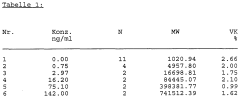
- An additional potential pulse with oxidizing or reducing characteristics is introduced in the voltage curve of the detection cycle, returning to a neutral potential before sample contact, to enhance bead deposition and electrochemical pretreatment of the electrode.



Quality Control in Electroporation
Quality control in electroporation is crucial for ensuring reproducible results across different laboratories. Standardization of protocols and equipment is essential to minimize variability and enhance the reliability of electroporation experiments. A comprehensive quality control program should encompass several key aspects of the electroporation process.
Firstly, the calibration and maintenance of electroporation devices are paramount. Regular checks and calibrations of voltage output, pulse duration, and waveform characteristics should be performed to ensure consistent performance. Laboratories should establish a schedule for device maintenance and keep detailed records of calibration procedures and results.
The quality and purity of biological samples used in electroporation experiments also play a significant role in reproducibility. Standardized methods for cell preparation, including cell density measurements, viability assessments, and buffer composition, should be implemented. The use of certified cell lines and validated plasmid preparations can help reduce variability between experiments and laboratories.
Environmental factors can significantly impact electroporation efficiency. Temperature control during the electroporation process is critical, as fluctuations can affect membrane permeability and cell viability. Laboratories should monitor and maintain consistent temperature conditions throughout the procedure.
The development and use of internal controls are essential for assessing the success and efficiency of electroporation. These controls can include reporter genes or fluorescent markers that allow for quantitative evaluation of transfection efficiency. Implementing a system of positive and negative controls in each experiment can help identify potential issues and ensure the validity of results.
Standardization of post-electroporation handling and analysis is equally important. Consistent protocols for cell recovery, incubation times, and analysis methods should be established and followed rigorously. This includes standardized approaches for assessing cell viability, gene expression, and other relevant parameters.
To facilitate reproducibility across laboratories, detailed documentation of all experimental parameters is crucial. This includes recording specific device settings, sample preparation methods, and environmental conditions. The use of electronic laboratory notebooks or standardized reporting formats can enhance data sharing and comparison between different research groups.
Interlaboratory comparisons and proficiency testing can further improve quality control in electroporation. Participating in round-robin experiments or using standardized reference materials can help identify discrepancies between laboratories and promote the development of best practices.
Firstly, the calibration and maintenance of electroporation devices are paramount. Regular checks and calibrations of voltage output, pulse duration, and waveform characteristics should be performed to ensure consistent performance. Laboratories should establish a schedule for device maintenance and keep detailed records of calibration procedures and results.
The quality and purity of biological samples used in electroporation experiments also play a significant role in reproducibility. Standardized methods for cell preparation, including cell density measurements, viability assessments, and buffer composition, should be implemented. The use of certified cell lines and validated plasmid preparations can help reduce variability between experiments and laboratories.
Environmental factors can significantly impact electroporation efficiency. Temperature control during the electroporation process is critical, as fluctuations can affect membrane permeability and cell viability. Laboratories should monitor and maintain consistent temperature conditions throughout the procedure.
The development and use of internal controls are essential for assessing the success and efficiency of electroporation. These controls can include reporter genes or fluorescent markers that allow for quantitative evaluation of transfection efficiency. Implementing a system of positive and negative controls in each experiment can help identify potential issues and ensure the validity of results.
Standardization of post-electroporation handling and analysis is equally important. Consistent protocols for cell recovery, incubation times, and analysis methods should be established and followed rigorously. This includes standardized approaches for assessing cell viability, gene expression, and other relevant parameters.
To facilitate reproducibility across laboratories, detailed documentation of all experimental parameters is crucial. This includes recording specific device settings, sample preparation methods, and environmental conditions. The use of electronic laboratory notebooks or standardized reporting formats can enhance data sharing and comparison between different research groups.
Interlaboratory comparisons and proficiency testing can further improve quality control in electroporation. Participating in round-robin experiments or using standardized reference materials can help identify discrepancies between laboratories and promote the development of best practices.
Inter-laboratory Validation Protocols
To ensure reproducible electroporation across laboratories, establishing robust inter-laboratory validation protocols is crucial. These protocols serve as standardized procedures that enable different research facilities to achieve consistent and comparable results when performing electroporation experiments.
The first step in developing effective validation protocols is to identify and standardize key variables that influence electroporation outcomes. These variables may include electrode design, pulse parameters (voltage, duration, and number of pulses), cell type and concentration, buffer composition, and temperature. By establishing precise specifications for each of these factors, laboratories can minimize variability in their experimental setups.
A comprehensive inter-laboratory validation protocol should include detailed instructions for sample preparation, equipment calibration, and data collection. This ensures that all participating laboratories follow the same procedures, reducing the likelihood of inconsistencies due to methodological differences. The protocol should also specify the use of standardized reagents and materials, including reference cell lines and plasmids, to further enhance reproducibility.
To validate the effectiveness of the protocols, a multi-center study involving several laboratories should be conducted. Each participating laboratory would perform a series of predefined electroporation experiments using the established protocols. The results from these experiments would then be collected, analyzed, and compared to assess the level of reproducibility achieved across different facilities.
Statistical analysis plays a crucial role in evaluating the success of the validation protocols. Metrics such as transfection efficiency, cell viability, and gene expression levels should be measured and analyzed using standardized statistical methods. This allows for a quantitative assessment of inter-laboratory variability and helps identify any systematic differences that may exist between facilities.
Regular proficiency testing and quality control measures should be incorporated into the validation protocols. This may involve periodic round-robin tests where participating laboratories exchange samples or perform standardized experiments to ensure ongoing consistency in their electroporation procedures. Additionally, the use of positive and negative controls in each experiment can help detect any deviations from expected results.
Continuous improvement of the validation protocols is essential to address any issues that arise during implementation. Feedback from participating laboratories should be collected and used to refine the protocols, ensuring they remain effective and up-to-date with advances in electroporation technology. This iterative process helps maintain the relevance and reliability of the protocols over time.
The first step in developing effective validation protocols is to identify and standardize key variables that influence electroporation outcomes. These variables may include electrode design, pulse parameters (voltage, duration, and number of pulses), cell type and concentration, buffer composition, and temperature. By establishing precise specifications for each of these factors, laboratories can minimize variability in their experimental setups.
A comprehensive inter-laboratory validation protocol should include detailed instructions for sample preparation, equipment calibration, and data collection. This ensures that all participating laboratories follow the same procedures, reducing the likelihood of inconsistencies due to methodological differences. The protocol should also specify the use of standardized reagents and materials, including reference cell lines and plasmids, to further enhance reproducibility.
To validate the effectiveness of the protocols, a multi-center study involving several laboratories should be conducted. Each participating laboratory would perform a series of predefined electroporation experiments using the established protocols. The results from these experiments would then be collected, analyzed, and compared to assess the level of reproducibility achieved across different facilities.
Statistical analysis plays a crucial role in evaluating the success of the validation protocols. Metrics such as transfection efficiency, cell viability, and gene expression levels should be measured and analyzed using standardized statistical methods. This allows for a quantitative assessment of inter-laboratory variability and helps identify any systematic differences that may exist between facilities.
Regular proficiency testing and quality control measures should be incorporated into the validation protocols. This may involve periodic round-robin tests where participating laboratories exchange samples or perform standardized experiments to ensure ongoing consistency in their electroporation procedures. Additionally, the use of positive and negative controls in each experiment can help detect any deviations from expected results.
Continuous improvement of the validation protocols is essential to address any issues that arise during implementation. Feedback from participating laboratories should be collected and used to refine the protocols, ensuring they remain effective and up-to-date with advances in electroporation technology. This iterative process helps maintain the relevance and reliability of the protocols over time.
Unlock deeper insights with Patsnap Eureka Quick Research — get a full tech report to explore trends and direct your research. Try now!
Generate Your Research Report Instantly with AI Agent
Supercharge your innovation with Patsnap Eureka AI Agent Platform!