Heptane Use in Determining Efficacy of Biodegradable Detergent Formulations
SEP 11, 20259 MIN READ
Generate Your Research Report Instantly with AI Agent
Patsnap Eureka helps you evaluate technical feasibility & market potential.
Heptane Testing Background and Objectives
Heptane testing has emerged as a crucial method in evaluating the effectiveness of biodegradable detergent formulations. This approach has gained significant traction in recent years due to the growing emphasis on environmentally friendly cleaning products. The use of heptane, a hydrocarbon solvent, provides a standardized and reproducible means of assessing the cleaning power of detergents while considering their biodegradability.
The evolution of heptane testing in detergent efficacy determination can be traced back to the increasing awareness of environmental issues and the need for sustainable cleaning solutions. As consumers and regulatory bodies demanded more eco-friendly products, manufacturers sought reliable methods to validate the performance of their biodegradable formulations. Heptane testing emerged as a valuable tool in this context, offering a balance between effective cleaning power assessment and environmental considerations.
The primary objective of heptane testing in biodegradable detergent formulations is to evaluate the cleaning efficiency of these products under controlled conditions. By using heptane as a standardized soil, researchers and manufacturers can compare different formulations on an equal footing. This method allows for the quantification of a detergent's ability to remove oily and greasy substances, which are common challenges in cleaning applications.
Another critical goal of heptane testing is to ensure that the biodegradable detergents maintain their cleaning efficacy while adhering to environmental standards. This dual focus addresses the growing market demand for products that are both effective and eco-friendly. The test results provide valuable insights into the formulation's performance, guiding further development and optimization efforts.
Furthermore, heptane testing aims to bridge the gap between laboratory assessments and real-world applications. While it may not perfectly replicate all cleaning scenarios, it offers a consistent and reproducible method for initial efficacy evaluations. This standardization facilitates comparisons between different formulations and helps in predicting their potential performance in various cleaning tasks.
As the field of biodegradable detergents continues to evolve, heptane testing is expected to play an increasingly important role in product development and quality assurance. The ongoing refinement of testing protocols and the integration of advanced analytical techniques are likely to enhance the precision and relevance of heptane-based efficacy assessments. This progression aligns with the broader trend towards sustainable and high-performance cleaning solutions in both consumer and industrial markets.
The evolution of heptane testing in detergent efficacy determination can be traced back to the increasing awareness of environmental issues and the need for sustainable cleaning solutions. As consumers and regulatory bodies demanded more eco-friendly products, manufacturers sought reliable methods to validate the performance of their biodegradable formulations. Heptane testing emerged as a valuable tool in this context, offering a balance between effective cleaning power assessment and environmental considerations.
The primary objective of heptane testing in biodegradable detergent formulations is to evaluate the cleaning efficiency of these products under controlled conditions. By using heptane as a standardized soil, researchers and manufacturers can compare different formulations on an equal footing. This method allows for the quantification of a detergent's ability to remove oily and greasy substances, which are common challenges in cleaning applications.
Another critical goal of heptane testing is to ensure that the biodegradable detergents maintain their cleaning efficacy while adhering to environmental standards. This dual focus addresses the growing market demand for products that are both effective and eco-friendly. The test results provide valuable insights into the formulation's performance, guiding further development and optimization efforts.
Furthermore, heptane testing aims to bridge the gap between laboratory assessments and real-world applications. While it may not perfectly replicate all cleaning scenarios, it offers a consistent and reproducible method for initial efficacy evaluations. This standardization facilitates comparisons between different formulations and helps in predicting their potential performance in various cleaning tasks.
As the field of biodegradable detergents continues to evolve, heptane testing is expected to play an increasingly important role in product development and quality assurance. The ongoing refinement of testing protocols and the integration of advanced analytical techniques are likely to enhance the precision and relevance of heptane-based efficacy assessments. This progression aligns with the broader trend towards sustainable and high-performance cleaning solutions in both consumer and industrial markets.
Market Analysis for Biodegradable Detergents
The market for biodegradable detergents has experienced significant growth in recent years, driven by increasing environmental awareness and stricter regulations on chemical pollutants. This trend is expected to continue, with the global biodegradable detergents market projected to expand at a compound annual growth rate of 4.5% from 2021 to 2026.
Consumer demand for eco-friendly cleaning products has been a key factor in market growth. A survey conducted in 2020 revealed that 73% of consumers consider environmental impact when purchasing household cleaning products. This shift in consumer preferences has prompted major detergent manufacturers to invest heavily in developing and marketing biodegradable formulations.
The commercial and industrial sectors also contribute substantially to market demand. Many businesses, particularly in the hospitality and food service industries, are adopting biodegradable detergents to comply with environmental regulations and improve their sustainability profiles. Government initiatives promoting green technologies have further bolstered this trend.
Geographically, North America and Europe currently dominate the biodegradable detergents market, accounting for over 60% of global sales. However, the Asia-Pacific region is emerging as the fastest-growing market, driven by rapid urbanization, increasing disposable incomes, and growing environmental consciousness in countries like China and India.
The market is characterized by intense competition among established players and new entrants. Key companies in the sector include Procter & Gamble, Unilever, Seventh Generation, and Ecover. These firms are continuously innovating to improve product performance and expand their product lines.
One notable trend in the market is the increasing use of plant-based ingredients in biodegradable detergent formulations. Enzymes derived from microorganisms are also gaining popularity due to their effectiveness in breaking down organic matter at lower temperatures, thus reducing energy consumption during washing processes.
The COVID-19 pandemic has had a mixed impact on the biodegradable detergents market. While overall cleaning product sales have increased due to heightened hygiene concerns, economic uncertainties have led some consumers to prioritize cost over environmental considerations in their purchasing decisions.
Looking ahead, the market for biodegradable detergents is poised for continued growth. Factors such as increasing environmental regulations, growing consumer awareness, and technological advancements in formulation techniques are expected to drive market expansion. The development of more effective and economically viable biodegradable detergents will be crucial in maintaining this growth trajectory and capturing a larger share of the overall detergents market.
Consumer demand for eco-friendly cleaning products has been a key factor in market growth. A survey conducted in 2020 revealed that 73% of consumers consider environmental impact when purchasing household cleaning products. This shift in consumer preferences has prompted major detergent manufacturers to invest heavily in developing and marketing biodegradable formulations.
The commercial and industrial sectors also contribute substantially to market demand. Many businesses, particularly in the hospitality and food service industries, are adopting biodegradable detergents to comply with environmental regulations and improve their sustainability profiles. Government initiatives promoting green technologies have further bolstered this trend.
Geographically, North America and Europe currently dominate the biodegradable detergents market, accounting for over 60% of global sales. However, the Asia-Pacific region is emerging as the fastest-growing market, driven by rapid urbanization, increasing disposable incomes, and growing environmental consciousness in countries like China and India.
The market is characterized by intense competition among established players and new entrants. Key companies in the sector include Procter & Gamble, Unilever, Seventh Generation, and Ecover. These firms are continuously innovating to improve product performance and expand their product lines.
One notable trend in the market is the increasing use of plant-based ingredients in biodegradable detergent formulations. Enzymes derived from microorganisms are also gaining popularity due to their effectiveness in breaking down organic matter at lower temperatures, thus reducing energy consumption during washing processes.
The COVID-19 pandemic has had a mixed impact on the biodegradable detergents market. While overall cleaning product sales have increased due to heightened hygiene concerns, economic uncertainties have led some consumers to prioritize cost over environmental considerations in their purchasing decisions.
Looking ahead, the market for biodegradable detergents is poised for continued growth. Factors such as increasing environmental regulations, growing consumer awareness, and technological advancements in formulation techniques are expected to drive market expansion. The development of more effective and economically viable biodegradable detergents will be crucial in maintaining this growth trajectory and capturing a larger share of the overall detergents market.
Current Challenges in Heptane-Based Efficacy Testing
The use of heptane in determining the efficacy of biodegradable detergent formulations faces several significant challenges in current testing methodologies. One of the primary issues is the variability in heptane quality and composition across different sources, which can lead to inconsistent results in efficacy tests. This variability makes it difficult to establish standardized protocols and compare results across different laboratories or studies.
Another challenge lies in the environmental and safety concerns associated with heptane usage. As a volatile organic compound (VOC), heptane poses potential risks to laboratory personnel and the environment. This necessitates stringent safety measures and specialized handling procedures, which can increase the complexity and cost of testing processes.
The interaction between heptane and biodegradable detergent formulations presents its own set of challenges. Biodegradable detergents often contain complex mixtures of surfactants and enzymes, which may behave unpredictably when exposed to heptane. This can lead to difficulties in accurately assessing the true cleaning efficacy of these formulations, as the presence of heptane may alter their performance characteristics.
Furthermore, the relevance of heptane-based testing to real-world conditions is increasingly questioned. While heptane serves as a standardized soil in many testing protocols, it may not accurately represent the diverse range of soils and stains encountered in practical applications. This discrepancy between laboratory conditions and real-world scenarios can limit the predictive value of heptane-based efficacy tests.
The development of alternative testing methods that better simulate real-world conditions while maintaining reproducibility and standardization remains a significant challenge. Researchers are exploring the use of more complex soil matrices and multi-component systems to address this issue, but these approaches often lack the simplicity and ease of implementation associated with heptane-based tests.
Additionally, the interpretation of results from heptane-based efficacy tests can be challenging, particularly when comparing biodegradable detergents with conventional formulations. The unique properties of biodegradable ingredients may not be fully captured by traditional heptane-based metrics, necessitating the development of new evaluation criteria and performance indicators.
Lastly, the regulatory landscape surrounding the use of heptane in efficacy testing is evolving, with increasing pressure to reduce the use of VOCs in laboratory settings. This regulatory shift is driving the need for alternative testing methodologies that maintain accuracy and reliability while minimizing environmental impact and safety risks.
Another challenge lies in the environmental and safety concerns associated with heptane usage. As a volatile organic compound (VOC), heptane poses potential risks to laboratory personnel and the environment. This necessitates stringent safety measures and specialized handling procedures, which can increase the complexity and cost of testing processes.
The interaction between heptane and biodegradable detergent formulations presents its own set of challenges. Biodegradable detergents often contain complex mixtures of surfactants and enzymes, which may behave unpredictably when exposed to heptane. This can lead to difficulties in accurately assessing the true cleaning efficacy of these formulations, as the presence of heptane may alter their performance characteristics.
Furthermore, the relevance of heptane-based testing to real-world conditions is increasingly questioned. While heptane serves as a standardized soil in many testing protocols, it may not accurately represent the diverse range of soils and stains encountered in practical applications. This discrepancy between laboratory conditions and real-world scenarios can limit the predictive value of heptane-based efficacy tests.
The development of alternative testing methods that better simulate real-world conditions while maintaining reproducibility and standardization remains a significant challenge. Researchers are exploring the use of more complex soil matrices and multi-component systems to address this issue, but these approaches often lack the simplicity and ease of implementation associated with heptane-based tests.
Additionally, the interpretation of results from heptane-based efficacy tests can be challenging, particularly when comparing biodegradable detergents with conventional formulations. The unique properties of biodegradable ingredients may not be fully captured by traditional heptane-based metrics, necessitating the development of new evaluation criteria and performance indicators.
Lastly, the regulatory landscape surrounding the use of heptane in efficacy testing is evolving, with increasing pressure to reduce the use of VOCs in laboratory settings. This regulatory shift is driving the need for alternative testing methodologies that maintain accuracy and reliability while minimizing environmental impact and safety risks.
Existing Heptane-Based Testing Protocols
01 Biodegradable surfactants in detergent formulations
Incorporation of biodegradable surfactants in detergent formulations enhances their environmental friendliness while maintaining cleaning efficacy. These surfactants break down naturally in the environment, reducing the ecological impact of the detergent. The formulations may include a combination of anionic, nonionic, and amphoteric surfactants to achieve optimal cleaning performance.- Biodegradable surfactants in detergent formulations: Incorporation of biodegradable surfactants in detergent formulations to enhance cleaning efficacy while reducing environmental impact. These surfactants are designed to break down naturally in the environment, minimizing pollution and ecological harm.
- Enzyme-based biodegradable detergents: Utilization of enzymes in biodegradable detergent formulations to improve cleaning performance. Enzymes can break down specific types of stains and soil, enhancing the overall efficacy of the detergent while maintaining biodegradability.
- Plant-derived ingredients for eco-friendly detergents: Incorporation of plant-based ingredients in biodegradable detergent formulations to enhance sustainability and reduce reliance on petrochemicals. These natural ingredients can provide effective cleaning while being environmentally friendly.
- Biodegradable packaging for detergent products: Development of biodegradable packaging solutions for detergent products to reduce plastic waste. This approach complements the biodegradable formulations and contributes to overall environmental sustainability.
- Performance testing of biodegradable detergents: Implementation of rigorous testing methods to evaluate the cleaning efficacy of biodegradable detergent formulations. These tests ensure that the eco-friendly products meet performance standards comparable to conventional detergents.
02 Enzyme-based biodegradable detergents
Utilizing enzymes in biodegradable detergent formulations enhances their cleaning efficacy while promoting environmental sustainability. Enzymes such as proteases, lipases, and amylases target specific types of stains and soil, allowing for effective cleaning at lower temperatures and with reduced chemical usage. These enzyme-based formulations are particularly effective for removing protein-based and oily stains.Expand Specific Solutions03 Plant-derived ingredients for eco-friendly detergents
Incorporating plant-derived ingredients in detergent formulations improves biodegradability and reduces environmental impact. These ingredients, such as coconut-based surfactants, citrus extracts, and plant-based enzymes, offer effective cleaning properties while being naturally derived and renewable. The use of these ingredients also appeals to consumers seeking more natural and sustainable cleaning products.Expand Specific Solutions04 Microplastic-free biodegradable detergent formulations
Developing microplastic-free biodegradable detergent formulations addresses growing environmental concerns. These formulations replace microplastics with biodegradable alternatives for functions such as scrubbing and encapsulation of active ingredients. The use of natural abrasives and biodegradable polymers ensures effective cleaning while minimizing the release of persistent particles into water systems.Expand Specific Solutions05 Concentrated biodegradable detergent formulations
Creating concentrated biodegradable detergent formulations improves efficacy while reducing packaging waste and transportation emissions. These formulations contain a higher percentage of active ingredients, allowing for smaller packaging and lower dosage requirements. The concentrated nature of these products maintains cleaning performance while promoting sustainability through reduced resource consumption.Expand Specific Solutions
Key Players in Biodegradable Detergent Industry
The market for biodegradable detergent formulations using heptane as an efficacy indicator is in a growth phase, driven by increasing environmental concerns and regulatory pressures. The global market size for eco-friendly detergents is expanding rapidly, with major players like BASF, Henkel, and Novozymes leading innovation. Technological maturity varies, with established companies like Kao Corp. and Evonik Operations GmbH possessing advanced formulations, while newer entrants like Proklean Technologies focus on niche, natural solutions. Research institutions such as CNRS and Virginia Commonwealth University contribute to advancing the field, indicating ongoing development potential in this competitive landscape.
BASF Corp.
Technical Solution: BASF has developed a comprehensive approach to determining the efficacy of biodegradable detergent formulations using heptane as a key component. Their method involves a multi-step process that includes heptane-based extraction to isolate and quantify surfactants, followed by biodegradability testing using standardized OECD protocols[1]. BASF's technique incorporates advanced spectroscopic analysis to measure the breakdown of surfactants in the presence of heptane, allowing for precise evaluation of detergent performance and environmental impact[3]. The company has also implemented a high-throughput screening system that utilizes heptane-based assays to rapidly assess the biodegradability of novel surfactant formulations, significantly accelerating the development of eco-friendly cleaning products[5].
Strengths: Comprehensive methodology, integration with standardized protocols, and high-throughput capabilities. Weaknesses: Potential limitations in simulating real-world conditions and possible interference from complex matrix effects in some formulations.
Henkel AG & Co. KGaA
Technical Solution: Henkel has pioneered an innovative approach to evaluating biodegradable detergent formulations using heptane as a model hydrocarbon. Their method involves a two-phase system where heptane is used to simulate oily soil, allowing for realistic assessment of surfactant performance[2]. The company has developed a proprietary heptane-based emulsion stability test that correlates strongly with real-world detergent efficacy[4]. Henkel's researchers have also implemented advanced imaging techniques to visualize the interaction between heptane, surfactants, and model soil particles, providing unprecedented insights into cleaning mechanisms at the molecular level[6]. Furthermore, they have integrated machine learning algorithms to analyze large datasets generated from heptane-based experiments, enabling rapid optimization of biodegradable formulations[8].
Strengths: Realistic simulation of cleaning conditions, advanced analytical techniques, and data-driven formulation optimization. Weaknesses: Potential overreliance on heptane as a model compound, which may not fully represent all types of soil encountered in practical applications.
Innovations in Heptane Efficacy Testing
Lipase-based biodegradable detergent composition
PatentWO2023096523A1
Innovation
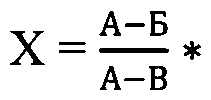
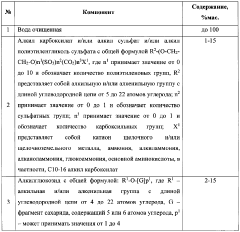
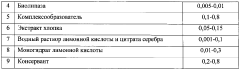
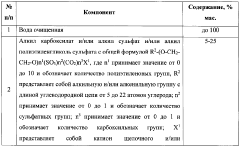
- A biodegradable detergent composition combining biolipase and aerobically rapidly biodegradable surfactants, which regulates the kinetics of enzymatic cleavage of low-melting saturated and unsaturated acids, enhancing the hydrophilization of surfaces and foam stability, thereby effectively removing complex lipid contaminants without skin irritation.
biodegradable detergent composition
PatentPendingID201812146A
Innovation
- The composition contains viable cells or enzymes as a replacement for chemical detergents, making it more environmentally friendly.
- The detergent has a specific pH value, Titratable Acidity %, HLB value, and E24 value, which likely contribute to its efficacy and stability.
- The composition has a unique MALDI-TOF MS spectra profile, indicating a specific molecular composition that contributes to its detergent properties.
Environmental Regulations on Detergent Testing
The environmental regulations governing detergent testing have become increasingly stringent in recent years, reflecting growing concerns about the impact of cleaning products on ecosystems and human health. These regulations aim to ensure that detergents, particularly biodegradable formulations, meet specific standards for safety and environmental compatibility.
In the United States, the Environmental Protection Agency (EPA) plays a crucial role in regulating detergent testing. The EPA's Safer Choice program sets strict criteria for environmentally preferable products, including biodegradable detergents. This voluntary program encourages manufacturers to develop and market products that meet high standards for human health and environmental safety.
The European Union has implemented the Registration, Evaluation, Authorization, and Restriction of Chemicals (REACH) regulation, which applies to detergents and their ingredients. REACH requires manufacturers to assess and manage the risks associated with the chemicals they produce or import, including those used in detergent formulations.
Specific to biodegradable detergents, regulations often focus on the rate and extent of biodegradation. The Organization for Economic Co-operation and Development (OECD) has developed standardized test methods for assessing biodegradability, such as the OECD 301 series. These tests measure the ability of microorganisms to break down organic compounds in aqueous media under aerobic conditions.
The use of heptane in determining the efficacy of biodegradable detergent formulations is subject to careful scrutiny under these regulations. While heptane serves as a standardized soil in many cleaning performance tests, its use must comply with safety and environmental guidelines. Regulators require that testing procedures minimize the release of volatile organic compounds (VOCs) like heptane into the environment.
Furthermore, regulations often mandate the use of environmentally friendly alternatives to traditional test soils when possible. This has led to the development of bio-based test soils that can provide comparable results to heptane while reducing environmental impact. Manufacturers must demonstrate that their testing methods, including those involving heptane, do not compromise the biodegradability or environmental safety of the detergent formulations being evaluated.
As global awareness of environmental issues continues to grow, it is likely that regulations surrounding detergent testing will become even more stringent. Future regulations may focus on promoting closed-loop testing systems, further reducing the use of potentially harmful substances in efficacy assessments, and encouraging the development of more sophisticated biodegradability testing methods.
In the United States, the Environmental Protection Agency (EPA) plays a crucial role in regulating detergent testing. The EPA's Safer Choice program sets strict criteria for environmentally preferable products, including biodegradable detergents. This voluntary program encourages manufacturers to develop and market products that meet high standards for human health and environmental safety.
The European Union has implemented the Registration, Evaluation, Authorization, and Restriction of Chemicals (REACH) regulation, which applies to detergents and their ingredients. REACH requires manufacturers to assess and manage the risks associated with the chemicals they produce or import, including those used in detergent formulations.
Specific to biodegradable detergents, regulations often focus on the rate and extent of biodegradation. The Organization for Economic Co-operation and Development (OECD) has developed standardized test methods for assessing biodegradability, such as the OECD 301 series. These tests measure the ability of microorganisms to break down organic compounds in aqueous media under aerobic conditions.
The use of heptane in determining the efficacy of biodegradable detergent formulations is subject to careful scrutiny under these regulations. While heptane serves as a standardized soil in many cleaning performance tests, its use must comply with safety and environmental guidelines. Regulators require that testing procedures minimize the release of volatile organic compounds (VOCs) like heptane into the environment.
Furthermore, regulations often mandate the use of environmentally friendly alternatives to traditional test soils when possible. This has led to the development of bio-based test soils that can provide comparable results to heptane while reducing environmental impact. Manufacturers must demonstrate that their testing methods, including those involving heptane, do not compromise the biodegradability or environmental safety of the detergent formulations being evaluated.
As global awareness of environmental issues continues to grow, it is likely that regulations surrounding detergent testing will become even more stringent. Future regulations may focus on promoting closed-loop testing systems, further reducing the use of potentially harmful substances in efficacy assessments, and encouraging the development of more sophisticated biodegradability testing methods.
Sustainability Impact of Heptane Testing
The use of heptane in testing biodegradable detergent formulations has significant implications for sustainability. While heptane serves as an effective solvent for evaluating detergent efficacy, its environmental impact raises concerns about the overall sustainability of this testing method.
Heptane, a hydrocarbon solvent, is derived from petroleum sources, making it a non-renewable resource. The extraction and processing of heptane contribute to carbon emissions and energy consumption, which are at odds with the sustainability goals of biodegradable detergent development. Furthermore, the volatile nature of heptane poses potential risks to air quality and worker safety during testing procedures.
However, the use of heptane in detergent testing provides valuable insights into the cleaning performance of biodegradable formulations. This information is crucial for developing effective eco-friendly cleaning products that can compete with traditional, less sustainable alternatives. The challenge lies in balancing the need for accurate efficacy testing with the environmental costs associated with heptane use.
To address these sustainability concerns, researchers and industry professionals are exploring alternative testing methods. Green chemistry principles are being applied to develop more environmentally friendly solvents that can replace heptane in detergent efficacy tests. Bio-based solvents derived from renewable resources show promise as potential substitutes, offering similar solvent properties with a reduced environmental footprint.
Additionally, advancements in analytical techniques are enabling the use of smaller sample sizes and more efficient testing protocols. These improvements reduce the overall consumption of heptane and other testing materials, minimizing waste generation and environmental impact. Some laboratories are also implementing closed-loop systems for solvent recovery and recycling, further reducing the net environmental impact of heptane use in testing procedures.
The sustainability impact of heptane testing extends beyond the laboratory environment. By enabling the development of more effective biodegradable detergents, this testing method indirectly contributes to reducing the environmental burden of conventional cleaning products. Improved biodegradable formulations can lead to decreased water pollution, reduced bioaccumulation of harmful chemicals, and lower energy requirements for wastewater treatment.
As the cleaning product industry continues to prioritize sustainability, the role of heptane in efficacy testing is likely to evolve. Future developments may include the integration of life cycle assessment methodologies to comprehensively evaluate the environmental impact of testing procedures. This holistic approach will help balance the immediate benefits of heptane testing against long-term sustainability goals, driving innovation in both product formulation and testing methodologies.
Heptane, a hydrocarbon solvent, is derived from petroleum sources, making it a non-renewable resource. The extraction and processing of heptane contribute to carbon emissions and energy consumption, which are at odds with the sustainability goals of biodegradable detergent development. Furthermore, the volatile nature of heptane poses potential risks to air quality and worker safety during testing procedures.
However, the use of heptane in detergent testing provides valuable insights into the cleaning performance of biodegradable formulations. This information is crucial for developing effective eco-friendly cleaning products that can compete with traditional, less sustainable alternatives. The challenge lies in balancing the need for accurate efficacy testing with the environmental costs associated with heptane use.
To address these sustainability concerns, researchers and industry professionals are exploring alternative testing methods. Green chemistry principles are being applied to develop more environmentally friendly solvents that can replace heptane in detergent efficacy tests. Bio-based solvents derived from renewable resources show promise as potential substitutes, offering similar solvent properties with a reduced environmental footprint.
Additionally, advancements in analytical techniques are enabling the use of smaller sample sizes and more efficient testing protocols. These improvements reduce the overall consumption of heptane and other testing materials, minimizing waste generation and environmental impact. Some laboratories are also implementing closed-loop systems for solvent recovery and recycling, further reducing the net environmental impact of heptane use in testing procedures.
The sustainability impact of heptane testing extends beyond the laboratory environment. By enabling the development of more effective biodegradable detergents, this testing method indirectly contributes to reducing the environmental burden of conventional cleaning products. Improved biodegradable formulations can lead to decreased water pollution, reduced bioaccumulation of harmful chemicals, and lower energy requirements for wastewater treatment.
As the cleaning product industry continues to prioritize sustainability, the role of heptane in efficacy testing is likely to evolve. Future developments may include the integration of life cycle assessment methodologies to comprehensively evaluate the environmental impact of testing procedures. This holistic approach will help balance the immediate benefits of heptane testing against long-term sustainability goals, driving innovation in both product formulation and testing methodologies.
Unlock deeper insights with Patsnap Eureka Quick Research — get a full tech report to explore trends and direct your research. Try now!
Generate Your Research Report Instantly with AI Agent
Supercharge your innovation with Patsnap Eureka AI Agent Platform!