How to Estimate LCOE for Stationary Storage Using ORBs — Example Case Studies
AUG 21, 20259 MIN READ
Generate Your Research Report Instantly with AI Agent
Patsnap Eureka helps you evaluate technical feasibility & market potential.
LCOE Estimation Background
The Levelized Cost of Energy (LCOE) is a crucial metric in the energy sector, providing a comprehensive measure of the average net present cost of electricity generation for a generating plant over its lifetime. This concept has been widely applied to various energy technologies, including renewable sources like solar and wind, as well as conventional power plants. In recent years, the application of LCOE has expanded to include energy storage systems, particularly stationary storage solutions.
The estimation of LCOE for stationary storage systems has become increasingly important as the role of energy storage in grid stability and renewable energy integration grows. Traditional LCOE calculations primarily focused on generation technologies, but the unique characteristics of storage systems necessitate a modified approach. This adaptation is essential to accurately reflect the costs and benefits associated with energy storage over its operational lifespan.
Stationary storage systems, unlike generation technologies, do not produce electricity but rather store and discharge it. This fundamental difference requires consideration of factors such as round-trip efficiency, depth of discharge, and cycle life in LCOE calculations. Additionally, the value proposition of storage systems often extends beyond simple energy arbitrage to include grid services and reliability improvements, which can be challenging to quantify in traditional LCOE frameworks.
The emergence of new storage technologies, such as Organic Redox Flow Batteries (ORBs), has further complicated LCOE estimations. ORBs represent a promising alternative to traditional lithium-ion batteries, offering potential advantages in scalability, safety, and environmental impact. However, their unique characteristics and relatively early stage of development present challenges in accurately estimating their long-term costs and performance.
To address these challenges, researchers and industry professionals have been developing specialized methodologies for estimating LCOE in stationary storage applications. These approaches often incorporate additional parameters specific to storage systems, such as energy capacity degradation over time, replacement costs for components with shorter lifespans than the overall system, and the potential for multiple revenue streams from various grid services.
Case studies focusing on ORB technologies provide valuable insights into the practical application of these LCOE estimation methods. These studies not only help in understanding the economic viability of ORB systems but also serve as benchmarks for comparing different storage technologies and assessing their potential impact on the energy landscape.
As the energy storage market continues to evolve, accurate LCOE estimation for stationary storage systems, including emerging technologies like ORBs, will play a critical role in informing investment decisions, policy-making, and the overall transition towards a more flexible and sustainable energy infrastructure.
The estimation of LCOE for stationary storage systems has become increasingly important as the role of energy storage in grid stability and renewable energy integration grows. Traditional LCOE calculations primarily focused on generation technologies, but the unique characteristics of storage systems necessitate a modified approach. This adaptation is essential to accurately reflect the costs and benefits associated with energy storage over its operational lifespan.
Stationary storage systems, unlike generation technologies, do not produce electricity but rather store and discharge it. This fundamental difference requires consideration of factors such as round-trip efficiency, depth of discharge, and cycle life in LCOE calculations. Additionally, the value proposition of storage systems often extends beyond simple energy arbitrage to include grid services and reliability improvements, which can be challenging to quantify in traditional LCOE frameworks.
The emergence of new storage technologies, such as Organic Redox Flow Batteries (ORBs), has further complicated LCOE estimations. ORBs represent a promising alternative to traditional lithium-ion batteries, offering potential advantages in scalability, safety, and environmental impact. However, their unique characteristics and relatively early stage of development present challenges in accurately estimating their long-term costs and performance.
To address these challenges, researchers and industry professionals have been developing specialized methodologies for estimating LCOE in stationary storage applications. These approaches often incorporate additional parameters specific to storage systems, such as energy capacity degradation over time, replacement costs for components with shorter lifespans than the overall system, and the potential for multiple revenue streams from various grid services.
Case studies focusing on ORB technologies provide valuable insights into the practical application of these LCOE estimation methods. These studies not only help in understanding the economic viability of ORB systems but also serve as benchmarks for comparing different storage technologies and assessing their potential impact on the energy landscape.
As the energy storage market continues to evolve, accurate LCOE estimation for stationary storage systems, including emerging technologies like ORBs, will play a critical role in informing investment decisions, policy-making, and the overall transition towards a more flexible and sustainable energy infrastructure.
Market Analysis for ORBs
The market for Organic Radical Batteries (ORBs) is experiencing significant growth potential, driven by the increasing demand for sustainable and efficient energy storage solutions. As the global focus shifts towards renewable energy and grid stability, ORBs are emerging as a promising technology to address the limitations of conventional battery systems.
The stationary storage sector represents a key market for ORBs, with applications ranging from grid-scale energy storage to backup power systems for commercial and industrial facilities. The market size for stationary energy storage is projected to expand rapidly, with some estimates suggesting a compound annual growth rate (CAGR) of over 20% in the coming years.
One of the primary drivers for ORB adoption in stationary storage is the growing need for long-duration energy storage solutions. As renewable energy sources like solar and wind become more prevalent, the ability to store and dispatch energy over extended periods becomes crucial for grid stability and reliability. ORBs offer advantages in this area, with the potential for longer cycle life and improved safety compared to traditional lithium-ion batteries.
The market demand for ORBs is also influenced by the increasing focus on sustainability and environmental concerns. ORBs utilize organic materials, which are generally more abundant and environmentally friendly than the rare earth metals used in conventional batteries. This aligns well with the growing emphasis on circular economy principles and the reduction of carbon footprints in energy storage systems.
In terms of market segmentation, the utility-scale segment is expected to be a significant driver of ORB adoption. Power companies and grid operators are actively seeking innovative storage solutions to enhance grid flexibility and integrate higher percentages of renewable energy. The commercial and industrial sectors also present substantial opportunities for ORB implementation, particularly in applications requiring reliable backup power and peak shaving capabilities.
Geographically, developed markets such as North America and Europe are likely to lead in ORB adoption for stationary storage, driven by supportive policies and investments in grid modernization. However, emerging markets in Asia-Pacific and other regions are also showing increasing interest in advanced energy storage technologies, presenting additional growth opportunities for ORB manufacturers and developers.
The competitive landscape for ORBs in stationary storage is still evolving, with both established battery manufacturers and innovative startups vying for market share. As the technology matures and demonstrates its viability in real-world applications, it is expected to attract more investment and potentially disrupt the existing energy storage market.
The stationary storage sector represents a key market for ORBs, with applications ranging from grid-scale energy storage to backup power systems for commercial and industrial facilities. The market size for stationary energy storage is projected to expand rapidly, with some estimates suggesting a compound annual growth rate (CAGR) of over 20% in the coming years.
One of the primary drivers for ORB adoption in stationary storage is the growing need for long-duration energy storage solutions. As renewable energy sources like solar and wind become more prevalent, the ability to store and dispatch energy over extended periods becomes crucial for grid stability and reliability. ORBs offer advantages in this area, with the potential for longer cycle life and improved safety compared to traditional lithium-ion batteries.
The market demand for ORBs is also influenced by the increasing focus on sustainability and environmental concerns. ORBs utilize organic materials, which are generally more abundant and environmentally friendly than the rare earth metals used in conventional batteries. This aligns well with the growing emphasis on circular economy principles and the reduction of carbon footprints in energy storage systems.
In terms of market segmentation, the utility-scale segment is expected to be a significant driver of ORB adoption. Power companies and grid operators are actively seeking innovative storage solutions to enhance grid flexibility and integrate higher percentages of renewable energy. The commercial and industrial sectors also present substantial opportunities for ORB implementation, particularly in applications requiring reliable backup power and peak shaving capabilities.
Geographically, developed markets such as North America and Europe are likely to lead in ORB adoption for stationary storage, driven by supportive policies and investments in grid modernization. However, emerging markets in Asia-Pacific and other regions are also showing increasing interest in advanced energy storage technologies, presenting additional growth opportunities for ORB manufacturers and developers.
The competitive landscape for ORBs in stationary storage is still evolving, with both established battery manufacturers and innovative startups vying for market share. As the technology matures and demonstrates its viability in real-world applications, it is expected to attract more investment and potentially disrupt the existing energy storage market.
Current Challenges in LCOE
The estimation of Levelized Cost of Energy (LCOE) for stationary storage using Organic Redox Flow Batteries (ORBs) faces several significant challenges in the current landscape. These challenges stem from the complexity of the technology, the evolving nature of the energy storage market, and the lack of standardized methodologies for LCOE calculation in this specific context.
One of the primary challenges is the limited availability of long-term operational data for ORB systems. As a relatively new technology, there is a scarcity of real-world performance data over extended periods, making it difficult to accurately predict degradation rates and maintenance costs. This lack of historical data introduces uncertainty into LCOE calculations, potentially leading to over- or underestimation of costs.
Another significant challenge lies in the rapidly changing cost structure of ORB components. The prices of electrolytes, membranes, and other critical components are subject to fluctuations due to ongoing research and development efforts and changes in manufacturing processes. These dynamic cost factors make it challenging to project future capital and operational expenses accurately, which are crucial inputs for LCOE estimation.
The variability in system configurations and applications of ORB storage systems also complicates LCOE calculations. Different use cases, such as grid stabilization, renewable energy integration, or behind-the-meter applications, can significantly impact the utilization patterns and, consequently, the economic performance of the system. This diversity makes it difficult to establish a one-size-fits-all approach to LCOE estimation for ORB storage.
Furthermore, the regulatory and market environments for energy storage systems are still evolving in many regions. Uncertainties surrounding policies, incentives, and market structures can significantly impact the revenue streams and operational costs of ORB systems. These factors add another layer of complexity to LCOE estimations, as they can dramatically affect the economic viability of projects over their lifetime.
The interdependence of ORB storage systems with other energy technologies, particularly renewable energy sources, presents additional challenges in LCOE estimation. The value and cost-effectiveness of storage can vary greatly depending on the characteristics of the associated generation assets and the specific grid conditions. This interconnectedness requires a more holistic approach to LCOE calculation, considering the entire energy system rather than the storage component in isolation.
Lastly, the lack of standardized methodologies for LCOE calculation specific to ORB storage systems hinders comparability across different studies and projects. Various stakeholders may employ different assumptions, system boundaries, and calculation methods, leading to inconsistent results and making it difficult to benchmark ORB technology against other storage solutions or conventional energy sources.
One of the primary challenges is the limited availability of long-term operational data for ORB systems. As a relatively new technology, there is a scarcity of real-world performance data over extended periods, making it difficult to accurately predict degradation rates and maintenance costs. This lack of historical data introduces uncertainty into LCOE calculations, potentially leading to over- or underestimation of costs.
Another significant challenge lies in the rapidly changing cost structure of ORB components. The prices of electrolytes, membranes, and other critical components are subject to fluctuations due to ongoing research and development efforts and changes in manufacturing processes. These dynamic cost factors make it challenging to project future capital and operational expenses accurately, which are crucial inputs for LCOE estimation.
The variability in system configurations and applications of ORB storage systems also complicates LCOE calculations. Different use cases, such as grid stabilization, renewable energy integration, or behind-the-meter applications, can significantly impact the utilization patterns and, consequently, the economic performance of the system. This diversity makes it difficult to establish a one-size-fits-all approach to LCOE estimation for ORB storage.
Furthermore, the regulatory and market environments for energy storage systems are still evolving in many regions. Uncertainties surrounding policies, incentives, and market structures can significantly impact the revenue streams and operational costs of ORB systems. These factors add another layer of complexity to LCOE estimations, as they can dramatically affect the economic viability of projects over their lifetime.
The interdependence of ORB storage systems with other energy technologies, particularly renewable energy sources, presents additional challenges in LCOE estimation. The value and cost-effectiveness of storage can vary greatly depending on the characteristics of the associated generation assets and the specific grid conditions. This interconnectedness requires a more holistic approach to LCOE calculation, considering the entire energy system rather than the storage component in isolation.
Lastly, the lack of standardized methodologies for LCOE calculation specific to ORB storage systems hinders comparability across different studies and projects. Various stakeholders may employ different assumptions, system boundaries, and calculation methods, leading to inconsistent results and making it difficult to benchmark ORB technology against other storage solutions or conventional energy sources.
LCOE Estimation Methods
01 Organic redox flow battery design for improved LCOE
Advancements in organic redox flow battery design focus on improving energy density, cycle life, and overall system efficiency to reduce the levelized cost of energy (LCOE). These improvements include novel electrode materials, optimized electrolyte compositions, and enhanced cell architectures that contribute to increased power output and storage capacity while minimizing costs associated with materials and maintenance.- Organic redox flow battery design for cost reduction: Innovative designs of organic redox flow batteries focus on reducing overall system costs. These designs may include novel electrode materials, membrane technologies, or electrolyte compositions that improve energy density and efficiency while lowering production and maintenance costs. Such advancements contribute to decreasing the LCOE of ORB systems.
- Electrolyte optimization for improved performance and cost-effectiveness: Research on electrolyte formulations aims to enhance the energy storage capacity and cycle life of ORBs. By developing stable, high-performance organic electrolytes, researchers can increase the power output and longevity of the batteries, thereby reducing the LCOE through improved efficiency and reduced replacement frequency.
- Integration of ORBs with renewable energy sources: Combining organic redox flow batteries with renewable energy sources like solar and wind power can optimize energy storage and distribution. This integration allows for better management of intermittent energy production, potentially lowering the overall LCOE of the combined system by improving grid stability and reducing the need for backup power sources.
- Scaling up and manufacturing process improvements: Advancements in manufacturing techniques and scale-up processes for ORBs aim to reduce production costs and increase efficiency. These improvements may include automated assembly, standardized components, and optimized supply chains, all contributing to a lower LCOE by decreasing the initial capital investment and ongoing operational expenses.
- Advanced control systems and energy management: Implementing sophisticated control systems and energy management algorithms can enhance the performance and lifespan of ORBs. These systems optimize charging and discharging cycles, monitor battery health, and predict maintenance needs. By maximizing the efficiency and longevity of the battery systems, these advancements contribute to reducing the LCOE over the lifetime of the installation.
02 Cost-effective organic active materials for ORBs
Development of cost-effective organic active materials for redox flow batteries aims to reduce the overall system cost and improve LCOE. Research focuses on synthesizing and optimizing organic compounds that offer high solubility, stability, and redox potential, while being derived from abundant and inexpensive precursors. These materials can potentially replace more expensive metal-based electrolytes traditionally used in flow batteries.Expand Specific Solutions03 System integration and scalability for ORBs
Improving system integration and scalability of organic redox flow batteries is crucial for enhancing their LCOE competitiveness. This involves developing modular designs, optimizing balance-of-plant components, and creating efficient power management systems. Scalable solutions allow for better adaptation to various energy storage requirements and grid integration scenarios, potentially reducing installation and operational costs.Expand Specific Solutions04 Membrane technology for ORB performance and cost reduction
Advancements in membrane technology play a critical role in improving the performance and reducing costs of organic redox flow batteries. Research focuses on developing low-cost, highly selective, and durable membranes that minimize crossover of active species while maintaining high ionic conductivity. These improvements contribute to extended battery life, increased efficiency, and ultimately, a more favorable LCOE.Expand Specific Solutions05 Electrolyte formulation for extended cycle life and stability
Optimizing electrolyte formulations is essential for extending the cycle life and stability of organic redox flow batteries, directly impacting their LCOE. Research efforts focus on developing electrolyte additives, stabilizers, and supporting electrolytes that enhance the chemical and electrochemical stability of organic active materials. These improvements lead to reduced capacity fade, longer operational lifetimes, and decreased maintenance costs.Expand Specific Solutions
Key ORB Storage Players
The competitive landscape for estimating Levelized Cost of Energy (LCOE) for stationary storage using Organic Redox Flow Batteries (ORBs) is in an early development stage, with a growing market potential driven by increasing demand for energy storage solutions. The technology is still evolving, with various players at different stages of research and commercialization. Key companies like GS Yuasa, Furukawa Electric, and Mitsubishi Electric are actively involved in energy storage technologies, while research institutions such as North China Electric Power University and Huazhong University of Science & Technology are contributing to advancements in this field. The market is characterized by ongoing innovation and collaboration between industry and academia, with a focus on improving efficiency and cost-effectiveness of ORB-based storage systems.
China Southern Power Grid Co., Ltd.
Technical Solution: China Southern Power Grid Co., Ltd. has developed an innovative approach to LCOE estimation for stationary storage using ORBs. Their methodology incorporates advanced machine learning algorithms to predict battery lifecycle and performance under various operating conditions[2]. The company utilizes a holistic approach that considers not only the direct costs of battery systems but also the indirect benefits such as grid stability and peak shaving. Their model includes a sophisticated risk assessment framework that accounts for potential changes in energy policies and market dynamics[4]. Additionally, they have implemented a real-time monitoring system that continuously updates LCOE estimates based on actual operational data, ensuring high accuracy and adaptability[6].
Strengths: Advanced predictive modeling, comprehensive consideration of indirect benefits. Weaknesses: High complexity may require significant computational resources and expertise to implement.
China Electric Power Research Institute Ltd.
Technical Solution: China Electric Power Research Institute Ltd. has developed a cutting-edge methodology for estimating LCOE in stationary storage systems using ORBs. Their approach combines traditional cost analysis with advanced simulation techniques to model long-term battery performance and degradation[1]. The institute has created a proprietary software tool that integrates multiple variables, including energy market prices, battery chemistry specifics, and grid demand patterns. Their method also incorporates a unique "scenario planning" feature that allows for the evaluation of LCOE under different future energy landscapes[3]. The institute's approach is particularly notable for its inclusion of environmental factors and potential policy changes in LCOE calculations, providing a more comprehensive view of long-term costs[5].
Strengths: Comprehensive scenario planning, integration of environmental and policy factors. Weaknesses: May require frequent updates to maintain accuracy in rapidly changing energy markets.
Innovative LCOE Models
Active and passive wind power plant energy storage system optimization scheduling method
PatentPendingCN117878993A
Innovation
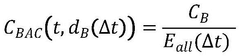
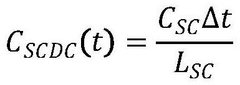
- An optimal dispatching method for active and passive wind farm energy storage systems is proposed. By obtaining wind power output prediction data and actual data, the active and passive dispatches are judged. Combined with the characteristics of battery components and supercapacitor components, a combination of active and passive dispatching is used to optimize The scheduling results take into account the degradation cost of the energy storage unit to achieve economical and safe scheduling of the system.


Regulatory Framework
The regulatory framework surrounding the estimation of Levelized Cost of Energy (LCOE) for stationary storage using Organic Redox Flow Batteries (ORBs) is a complex and evolving landscape. As the energy storage sector continues to grow, policymakers and regulatory bodies are increasingly recognizing the need for standardized methodologies to assess the economic viability of various storage technologies.
In the United States, the Federal Energy Regulatory Commission (FERC) has taken steps to facilitate the integration of energy storage resources into the electricity markets. Order 841, issued in 2018, requires regional transmission organizations (RTOs) and independent system operators (ISOs) to revise their tariffs to establish a participation model for electric storage resources. This order has significant implications for how ORB-based storage systems can participate in wholesale electricity markets and, consequently, how their LCOE is calculated and valued.
At the state level, regulatory frameworks vary considerably. California, for instance, has been at the forefront of energy storage policy with its ambitious storage mandate and the Self-Generation Incentive Program (SGIP), which provides financial incentives for behind-the-meter energy storage systems. These policies directly impact the economic calculations for ORB storage systems, potentially reducing their effective LCOE through subsidies and market opportunities.
The European Union has also been proactive in developing a regulatory framework for energy storage. The Clean Energy Package, adopted in 2019, includes provisions that recognize energy storage as a distinct asset class in the electricity system. This recognition is crucial for the accurate assessment of LCOE for technologies like ORBs, as it allows for a more nuanced consideration of their value in grid services and market participation.
Internationally, the International Electrotechnical Commission (IEC) has been working on standards for energy storage systems, including flow batteries. These standards, such as IEC 62933 for electrical energy storage systems, provide guidelines for safety, performance, and grid integration, which indirectly influence LCOE calculations by setting benchmarks for system performance and longevity.
The regulatory landscape also includes environmental considerations. As ORBs are often touted for their environmental benefits compared to traditional lithium-ion batteries, regulations around carbon emissions and lifecycle assessments are becoming increasingly relevant. The European Union's taxonomy for sustainable activities, for example, sets criteria for determining whether an economic activity qualifies as environmentally sustainable, which could impact the financing and, therefore, the LCOE of ORB projects.
In the United States, the Federal Energy Regulatory Commission (FERC) has taken steps to facilitate the integration of energy storage resources into the electricity markets. Order 841, issued in 2018, requires regional transmission organizations (RTOs) and independent system operators (ISOs) to revise their tariffs to establish a participation model for electric storage resources. This order has significant implications for how ORB-based storage systems can participate in wholesale electricity markets and, consequently, how their LCOE is calculated and valued.
At the state level, regulatory frameworks vary considerably. California, for instance, has been at the forefront of energy storage policy with its ambitious storage mandate and the Self-Generation Incentive Program (SGIP), which provides financial incentives for behind-the-meter energy storage systems. These policies directly impact the economic calculations for ORB storage systems, potentially reducing their effective LCOE through subsidies and market opportunities.
The European Union has also been proactive in developing a regulatory framework for energy storage. The Clean Energy Package, adopted in 2019, includes provisions that recognize energy storage as a distinct asset class in the electricity system. This recognition is crucial for the accurate assessment of LCOE for technologies like ORBs, as it allows for a more nuanced consideration of their value in grid services and market participation.
Internationally, the International Electrotechnical Commission (IEC) has been working on standards for energy storage systems, including flow batteries. These standards, such as IEC 62933 for electrical energy storage systems, provide guidelines for safety, performance, and grid integration, which indirectly influence LCOE calculations by setting benchmarks for system performance and longevity.
The regulatory landscape also includes environmental considerations. As ORBs are often touted for their environmental benefits compared to traditional lithium-ion batteries, regulations around carbon emissions and lifecycle assessments are becoming increasingly relevant. The European Union's taxonomy for sustainable activities, for example, sets criteria for determining whether an economic activity qualifies as environmentally sustainable, which could impact the financing and, therefore, the LCOE of ORB projects.
Environmental Impact
The environmental impact of stationary storage systems using Organic Redox Flow Batteries (ORBs) is a critical consideration when estimating their Levelized Cost of Energy (LCOE). ORBs offer several environmental advantages over traditional lithium-ion batteries, particularly in terms of sustainability and reduced ecological footprint.
One of the primary environmental benefits of ORBs is their use of organic materials for electrolytes. These materials are typically derived from abundant, renewable resources, reducing the reliance on rare earth metals and minimizing the environmental impact associated with mining and processing these elements. The organic compounds used in ORBs are often biodegradable, further reducing their long-term environmental impact.
The manufacturing process for ORBs generally has a lower carbon footprint compared to traditional battery technologies. This is due to the simpler production methods and the use of less energy-intensive materials. Additionally, the modular nature of flow batteries allows for easier recycling and repurposing of components at the end of their life cycle, contributing to a more circular economy.
In terms of operational environmental impact, ORBs demonstrate excellent safety profiles. They have a lower risk of thermal runaway and fire compared to lithium-ion batteries, reducing the potential for environmental contamination in case of accidents. The non-flammable nature of the electrolytes used in ORBs also minimizes the risk of toxic emissions during operation or in the event of a malfunction.
Water consumption is another important environmental factor to consider. While ORBs do require water for their operation, the amount is generally lower than that needed for cooling in many conventional power generation systems. Moreover, the water used in ORBs can often be recycled, further reducing the overall water footprint of the storage system.
Land use is an additional environmental consideration. ORB systems typically have a smaller physical footprint compared to some other large-scale energy storage technologies, potentially reducing habitat disruption and land use conflicts. This aspect becomes particularly significant when considering the deployment of stationary storage systems in urban or ecologically sensitive areas.
When estimating the LCOE for stationary storage using ORBs, it is crucial to factor in these environmental benefits. While they may not directly impact the financial calculations, they contribute significantly to the overall sustainability and long-term viability of the storage solution. Regulatory frameworks and carbon pricing mechanisms in many regions are increasingly recognizing and incentivizing environmentally friendly technologies, which could positively influence the economic competitiveness of ORB systems in the future.
One of the primary environmental benefits of ORBs is their use of organic materials for electrolytes. These materials are typically derived from abundant, renewable resources, reducing the reliance on rare earth metals and minimizing the environmental impact associated with mining and processing these elements. The organic compounds used in ORBs are often biodegradable, further reducing their long-term environmental impact.
The manufacturing process for ORBs generally has a lower carbon footprint compared to traditional battery technologies. This is due to the simpler production methods and the use of less energy-intensive materials. Additionally, the modular nature of flow batteries allows for easier recycling and repurposing of components at the end of their life cycle, contributing to a more circular economy.
In terms of operational environmental impact, ORBs demonstrate excellent safety profiles. They have a lower risk of thermal runaway and fire compared to lithium-ion batteries, reducing the potential for environmental contamination in case of accidents. The non-flammable nature of the electrolytes used in ORBs also minimizes the risk of toxic emissions during operation or in the event of a malfunction.
Water consumption is another important environmental factor to consider. While ORBs do require water for their operation, the amount is generally lower than that needed for cooling in many conventional power generation systems. Moreover, the water used in ORBs can often be recycled, further reducing the overall water footprint of the storage system.
Land use is an additional environmental consideration. ORB systems typically have a smaller physical footprint compared to some other large-scale energy storage technologies, potentially reducing habitat disruption and land use conflicts. This aspect becomes particularly significant when considering the deployment of stationary storage systems in urban or ecologically sensitive areas.
When estimating the LCOE for stationary storage using ORBs, it is crucial to factor in these environmental benefits. While they may not directly impact the financial calculations, they contribute significantly to the overall sustainability and long-term viability of the storage solution. Regulatory frameworks and carbon pricing mechanisms in many regions are increasingly recognizing and incentivizing environmentally friendly technologies, which could positively influence the economic competitiveness of ORB systems in the future.
Unlock deeper insights with Patsnap Eureka Quick Research — get a full tech report to explore trends and direct your research. Try now!
Generate Your Research Report Instantly with AI Agent
Supercharge your innovation with Patsnap Eureka AI Agent Platform!