Investigating Tautomerization in High-Pressure Systems
JUL 29, 20259 MIN READ
Generate Your Research Report Instantly with AI Agent
Patsnap Eureka helps you evaluate technical feasibility & market potential.
Tautomerization Background and Objectives
Tautomerization, a fundamental concept in organic chemistry, has been extensively studied under standard conditions. However, its behavior in high-pressure systems remains a frontier of scientific inquiry. This investigation aims to explore the intricacies of tautomerization under extreme pressures, shedding light on molecular dynamics in environments that mimic deep Earth conditions or those found in other celestial bodies.
The historical context of tautomerization research dates back to the late 19th century, with significant advancements made throughout the 20th century. Traditional studies have focused on tautomeric equilibria in solution and gas phases under ambient conditions. The advent of high-pressure chemistry in recent decades has opened new avenues for exploring chemical phenomena under extreme conditions, prompting a reevaluation of established principles, including tautomerization.
Understanding tautomerization in high-pressure systems is crucial for several reasons. Firstly, it provides insights into the behavior of organic molecules in extreme environments, such as deep oceanic trenches, planetary interiors, or during geological processes. Secondly, it has potential implications for the origin of life theories, as high-pressure conditions may have played a role in prebiotic chemistry. Lastly, this knowledge could lead to novel applications in materials science, where pressure-induced tautomerization might be harnessed for creating new compounds or modifying material properties.
The primary objectives of this investigation are multifaceted. We aim to elucidate the mechanisms of tautomerization under high pressure, quantify the effects of pressure on tautomeric equilibria, and identify any novel tautomeric forms that may emerge under these extreme conditions. Additionally, we seek to develop predictive models for tautomerization behavior across a range of pressures, which could have far-reaching implications for computational chemistry and molecular modeling.
To achieve these objectives, a combination of experimental and theoretical approaches will be employed. High-pressure spectroscopic techniques, such as diamond anvil cell experiments coupled with Raman spectroscopy, will be utilized to observe tautomerization in situ. These experimental results will be complemented by advanced computational methods, including ab initio molecular dynamics simulations, to provide a comprehensive understanding of the pressure effects on tautomeric systems.
The outcomes of this investigation are expected to contribute significantly to our fundamental understanding of molecular behavior under extreme conditions. By pushing the boundaries of our knowledge in this area, we anticipate uncovering new principles that govern chemical reactivity at high pressures, potentially leading to breakthroughs in fields ranging from geochemistry to astrochemistry and beyond.
The historical context of tautomerization research dates back to the late 19th century, with significant advancements made throughout the 20th century. Traditional studies have focused on tautomeric equilibria in solution and gas phases under ambient conditions. The advent of high-pressure chemistry in recent decades has opened new avenues for exploring chemical phenomena under extreme conditions, prompting a reevaluation of established principles, including tautomerization.
Understanding tautomerization in high-pressure systems is crucial for several reasons. Firstly, it provides insights into the behavior of organic molecules in extreme environments, such as deep oceanic trenches, planetary interiors, or during geological processes. Secondly, it has potential implications for the origin of life theories, as high-pressure conditions may have played a role in prebiotic chemistry. Lastly, this knowledge could lead to novel applications in materials science, where pressure-induced tautomerization might be harnessed for creating new compounds or modifying material properties.
The primary objectives of this investigation are multifaceted. We aim to elucidate the mechanisms of tautomerization under high pressure, quantify the effects of pressure on tautomeric equilibria, and identify any novel tautomeric forms that may emerge under these extreme conditions. Additionally, we seek to develop predictive models for tautomerization behavior across a range of pressures, which could have far-reaching implications for computational chemistry and molecular modeling.
To achieve these objectives, a combination of experimental and theoretical approaches will be employed. High-pressure spectroscopic techniques, such as diamond anvil cell experiments coupled with Raman spectroscopy, will be utilized to observe tautomerization in situ. These experimental results will be complemented by advanced computational methods, including ab initio molecular dynamics simulations, to provide a comprehensive understanding of the pressure effects on tautomeric systems.
The outcomes of this investigation are expected to contribute significantly to our fundamental understanding of molecular behavior under extreme conditions. By pushing the boundaries of our knowledge in this area, we anticipate uncovering new principles that govern chemical reactivity at high pressures, potentially leading to breakthroughs in fields ranging from geochemistry to astrochemistry and beyond.
High-Pressure Systems Market Analysis
The high-pressure systems market has experienced significant growth in recent years, driven by increasing demand across various industries such as chemical processing, oil and gas, and materials science. This market segment is particularly relevant to the study of tautomerization under high-pressure conditions, as it provides the necessary equipment and technologies for conducting such research.
The global high-pressure systems market was valued at approximately $15 billion in 2020 and is projected to reach $20 billion by 2025, growing at a compound annual growth rate (CAGR) of 6%. This growth is primarily attributed to the rising adoption of high-pressure technologies in industrial processes, research laboratories, and academic institutions.
In the context of tautomerization research, the demand for high-pressure systems is driven by the need to understand molecular behavior under extreme conditions. This has applications in pharmaceutical development, where high-pressure studies can reveal new drug polymorphs, and in the petrochemical industry, where understanding molecular changes under pressure is crucial for optimizing processes.
The market for high-pressure systems suitable for tautomerization studies can be segmented into several categories. Laboratory-scale high-pressure reactors and vessels represent a significant portion of the market, catering to academic and industrial research needs. These systems typically operate in the range of 100-1000 MPa and are equipped with advanced monitoring and control capabilities.
Spectroscopic instruments adapted for high-pressure environments form another important segment. These include high-pressure NMR probes, Raman spectroscopy systems, and X-ray diffraction equipment modified for use under high pressure. The demand for these specialized instruments is growing as researchers seek to observe tautomerization processes in real-time under varying pressure conditions.
Geographically, North America and Europe dominate the high-pressure systems market, accounting for over 60% of the global share. This is due to the presence of major research institutions and pharmaceutical companies actively engaged in tautomerization studies. However, the Asia-Pacific region is expected to show the fastest growth in the coming years, driven by increasing investment in research infrastructure and the expanding chemical industry.
Key players in the high-pressure systems market include Thermo Fisher Scientific, Parr Instrument Company, and Anton Paar GmbH. These companies offer a range of products suitable for tautomerization research, from bench-top reactors to fully automated high-pressure testing systems. The competitive landscape is characterized by ongoing innovation in materials and design to achieve higher pressure ratings and improved safety features.
The global high-pressure systems market was valued at approximately $15 billion in 2020 and is projected to reach $20 billion by 2025, growing at a compound annual growth rate (CAGR) of 6%. This growth is primarily attributed to the rising adoption of high-pressure technologies in industrial processes, research laboratories, and academic institutions.
In the context of tautomerization research, the demand for high-pressure systems is driven by the need to understand molecular behavior under extreme conditions. This has applications in pharmaceutical development, where high-pressure studies can reveal new drug polymorphs, and in the petrochemical industry, where understanding molecular changes under pressure is crucial for optimizing processes.
The market for high-pressure systems suitable for tautomerization studies can be segmented into several categories. Laboratory-scale high-pressure reactors and vessels represent a significant portion of the market, catering to academic and industrial research needs. These systems typically operate in the range of 100-1000 MPa and are equipped with advanced monitoring and control capabilities.
Spectroscopic instruments adapted for high-pressure environments form another important segment. These include high-pressure NMR probes, Raman spectroscopy systems, and X-ray diffraction equipment modified for use under high pressure. The demand for these specialized instruments is growing as researchers seek to observe tautomerization processes in real-time under varying pressure conditions.
Geographically, North America and Europe dominate the high-pressure systems market, accounting for over 60% of the global share. This is due to the presence of major research institutions and pharmaceutical companies actively engaged in tautomerization studies. However, the Asia-Pacific region is expected to show the fastest growth in the coming years, driven by increasing investment in research infrastructure and the expanding chemical industry.
Key players in the high-pressure systems market include Thermo Fisher Scientific, Parr Instrument Company, and Anton Paar GmbH. These companies offer a range of products suitable for tautomerization research, from bench-top reactors to fully automated high-pressure testing systems. The competitive landscape is characterized by ongoing innovation in materials and design to achieve higher pressure ratings and improved safety features.
Current Challenges in High-Pressure Tautomerization
The investigation of tautomerization in high-pressure systems presents several significant challenges that researchers and scientists are currently grappling with. One of the primary difficulties lies in the accurate measurement and control of pressure conditions during experiments. High-pressure environments require specialized equipment and techniques, which can be both costly and technically demanding to implement.
Another major challenge is the rapid nature of tautomerization processes under high pressure. The increased molecular interactions and altered energy landscapes in these conditions can lead to extremely fast tautomeric conversions, making it difficult to capture and analyze intermediate states. This speed poses significant obstacles for real-time monitoring and characterization of tautomeric species.
The complexity of molecular behavior under extreme pressures further complicates the study of tautomerization. High-pressure conditions can induce unexpected conformational changes, alter reaction pathways, and even lead to the formation of novel tautomeric forms that are not observed under standard conditions. These factors make it challenging to predict and model tautomerization processes accurately in high-pressure systems.
Additionally, the limited availability of in situ spectroscopic techniques capable of operating under high-pressure conditions hinders detailed investigations. While some progress has been made in developing high-pressure spectroscopic methods, there is still a need for more advanced and versatile tools that can provide comprehensive structural and dynamic information about tautomeric species under pressure.
The interpretation of experimental data obtained from high-pressure tautomerization studies also presents significant challenges. The complex interplay between pressure effects, solvent interactions, and molecular properties can lead to ambiguous results that are difficult to decipher. Researchers often struggle to distinguish between pressure-induced tautomerization and other molecular changes that may occur under high-pressure conditions.
Furthermore, the development of theoretical models and computational methods for accurately predicting and simulating tautomerization in high-pressure systems remains a significant challenge. Existing models often fail to account for the full range of pressure-induced effects on molecular behavior, leading to discrepancies between theoretical predictions and experimental observations.
Lastly, the translation of findings from high-pressure tautomerization studies to practical applications faces several hurdles. While these investigations provide valuable insights into molecular behavior under extreme conditions, bridging the gap between fundamental research and real-world applications in fields such as materials science, pharmaceutical development, and chemical engineering remains a significant challenge for researchers in this field.
Another major challenge is the rapid nature of tautomerization processes under high pressure. The increased molecular interactions and altered energy landscapes in these conditions can lead to extremely fast tautomeric conversions, making it difficult to capture and analyze intermediate states. This speed poses significant obstacles for real-time monitoring and characterization of tautomeric species.
The complexity of molecular behavior under extreme pressures further complicates the study of tautomerization. High-pressure conditions can induce unexpected conformational changes, alter reaction pathways, and even lead to the formation of novel tautomeric forms that are not observed under standard conditions. These factors make it challenging to predict and model tautomerization processes accurately in high-pressure systems.
Additionally, the limited availability of in situ spectroscopic techniques capable of operating under high-pressure conditions hinders detailed investigations. While some progress has been made in developing high-pressure spectroscopic methods, there is still a need for more advanced and versatile tools that can provide comprehensive structural and dynamic information about tautomeric species under pressure.
The interpretation of experimental data obtained from high-pressure tautomerization studies also presents significant challenges. The complex interplay between pressure effects, solvent interactions, and molecular properties can lead to ambiguous results that are difficult to decipher. Researchers often struggle to distinguish between pressure-induced tautomerization and other molecular changes that may occur under high-pressure conditions.
Furthermore, the development of theoretical models and computational methods for accurately predicting and simulating tautomerization in high-pressure systems remains a significant challenge. Existing models often fail to account for the full range of pressure-induced effects on molecular behavior, leading to discrepancies between theoretical predictions and experimental observations.
Lastly, the translation of findings from high-pressure tautomerization studies to practical applications faces several hurdles. While these investigations provide valuable insights into molecular behavior under extreme conditions, bridging the gap between fundamental research and real-world applications in fields such as materials science, pharmaceutical development, and chemical engineering remains a significant challenge for researchers in this field.
Existing High-Pressure Tautomerization Methods
01 Tautomerization in organic synthesis
Tautomerization plays a crucial role in organic synthesis, particularly in the design and development of new chemical compounds. This process involves the interconversion between structural isomers, which can significantly affect the reactivity and properties of molecules. Understanding and controlling tautomerization is essential for optimizing reaction conditions and improving product yields in various chemical processes.- Tautomerization in organic synthesis: Tautomerization plays a crucial role in organic synthesis, particularly in the design and development of new chemical compounds. This process involves the interconversion between structural isomers, which can significantly affect the reactivity and properties of molecules. Understanding and controlling tautomerization is essential for optimizing reaction conditions and improving product yields in various chemical processes.
- Tautomerization in pharmaceutical compounds: Tautomerization is a critical consideration in the development of pharmaceutical compounds. The interconversion between tautomeric forms can influence drug efficacy, bioavailability, and stability. Researchers study tautomerization patterns to design more effective drugs and predict potential side effects. This knowledge is particularly important in the fields of medicinal chemistry and drug discovery.
- Tautomerization in material science: Tautomerization phenomena are exploited in material science to develop advanced materials with unique properties. This includes the design of molecular switches, sensors, and responsive materials that can change their structure or function based on external stimuli. Understanding tautomerization mechanisms helps in creating materials with tunable optical, electronic, or mechanical properties.
- Computational methods for studying tautomerization: Advanced computational methods are employed to study tautomerization processes at the molecular level. These include quantum mechanical calculations, molecular dynamics simulations, and machine learning approaches. Such computational tools help predict tautomeric equilibria, energy barriers, and reaction rates, providing valuable insights for experimental design and interpretation of results in various fields of chemistry and biology.
- Tautomerization in biological systems: Tautomerization plays a significant role in biological systems, particularly in the function of enzymes, DNA base pairing, and protein-ligand interactions. Understanding tautomeric equilibria is crucial for elucidating biochemical mechanisms, designing enzyme inhibitors, and developing new biotechnological applications. Researchers investigate how tautomerization affects the structure and function of biomolecules in various physiological conditions.
02 Tautomerization in pharmaceutical compounds
Tautomerization is a critical consideration in the development of pharmaceutical compounds. The interconversion between tautomeric forms can influence drug efficacy, bioavailability, and stability. Researchers study tautomerization patterns to optimize drug formulations and predict potential side effects. This knowledge is applied in the design of more effective and safer medications.Expand Specific Solutions03 Tautomerization in material science
Tautomerization phenomena are exploited in material science to develop advanced materials with unique properties. This includes the creation of responsive materials that can change their characteristics based on environmental stimuli. Understanding tautomerization mechanisms allows for the design of smart materials with applications in sensors, displays, and other technological devices.Expand Specific Solutions04 Computational modeling of tautomerization
Advanced computational methods are employed to model and predict tautomerization processes. These techniques involve quantum mechanical calculations and molecular dynamics simulations to understand the energetics and kinetics of tautomeric interconversions. Such computational approaches aid in the rational design of molecules with desired tautomeric properties for various applications.Expand Specific Solutions05 Tautomerization in biological systems
Tautomerization plays a significant role in biological systems, particularly in the function of enzymes and the behavior of nucleic acids. Understanding tautomeric equilibria is crucial for elucidating biochemical mechanisms and developing biotechnological applications. This knowledge contributes to advancements in fields such as genetic engineering and protein engineering.Expand Specific Solutions
Key Players in High-Pressure Chemistry
The investigation of tautomerization in high-pressure systems is an emerging field with significant potential for industrial applications. The market is in its early growth stage, with a relatively small but rapidly expanding size. Technological maturity varies among key players, with companies like ExxonMobil Chemical Patents, Inc. and Dow Global Technologies LLC leading in research and development. State Grid Corp. of China and DuPont de Nemours, Inc. are also making substantial investments in this area. Academic institutions such as Carnegie Mellon University and Ocean University of China are contributing to fundamental research, fostering collaborations between industry and academia. As the technology advances, we can expect increased competition and market consolidation, with potential applications in energy, materials science, and chemical manufacturing sectors.
ExxonMobil Chemical Patents, Inc.
Technical Solution: ExxonMobil has developed advanced computational methods to investigate tautomerization in high-pressure systems, particularly relevant to their petrochemical processes. Their approach combines molecular dynamics simulations with quantum mechanical calculations to accurately model tautomeric equilibria under extreme conditions. They have implemented a multi-scale modeling framework that accounts for pressure-induced changes in molecular geometries and electronic structures[1]. This allows for precise prediction of tautomeric ratios and reaction kinetics in high-pressure environments, crucial for optimizing industrial processes such as catalytic cracking and hydrogenation[2].
Strengths: Extensive experience in high-pressure systems, advanced computational capabilities, and direct industrial application. Weaknesses: Potential bias towards petroleum-related applications, may lack diversity in other chemical domains.
Dow Global Technologies LLC
Technical Solution: Dow has pioneered a comprehensive approach to studying tautomerization under high pressure, focusing on its impact on polymer synthesis and material properties. Their research combines experimental techniques such as high-pressure NMR spectroscopy and in-situ Raman spectroscopy with advanced computational modeling[3]. Dow has developed a proprietary algorithm that predicts pressure-induced tautomeric shifts in complex molecular systems, enabling the design of novel materials with enhanced performance under extreme conditions. Their approach also incorporates machine learning techniques to analyze large datasets of pressure-dependent tautomeric behavior, accelerating the discovery of new compounds with desirable properties[4].
Strengths: Broad application in materials science, integration of experimental and computational methods, and innovative use of machine learning. Weaknesses: May be less focused on fundamental chemical processes compared to more specialized research institutions.
Core Innovations in Tautomer Analysis
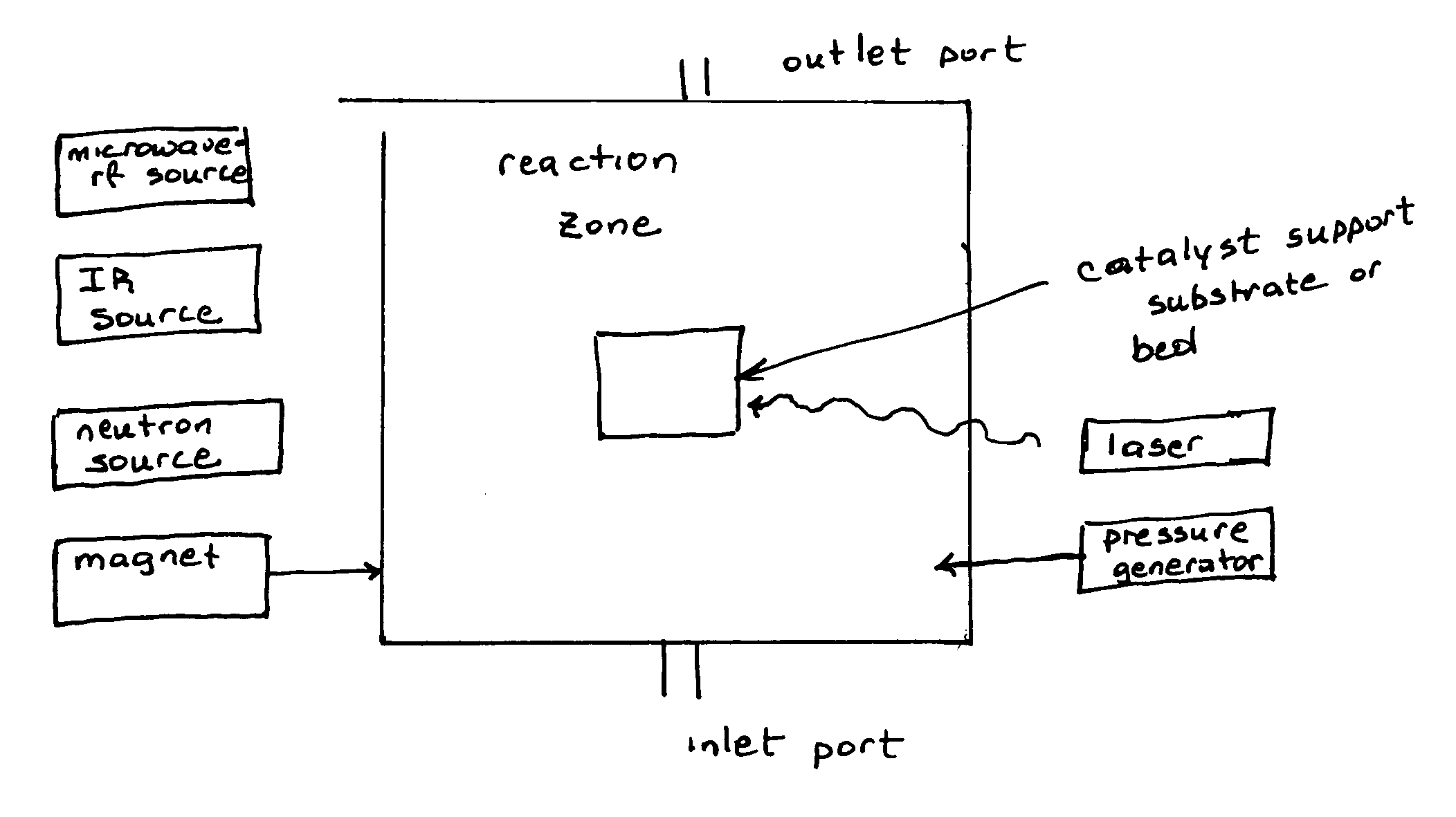
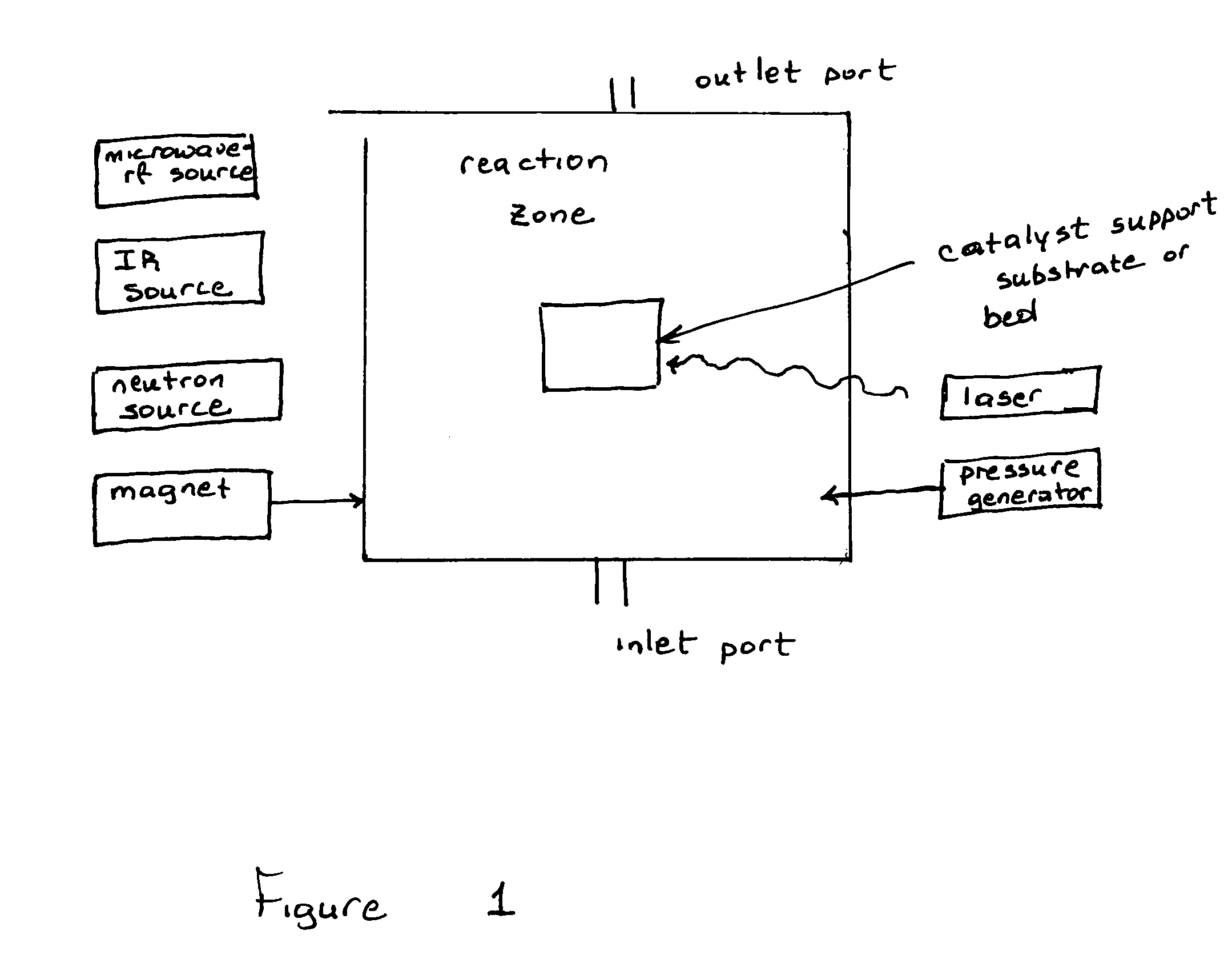
Magnetic stimulated catalytic chemical conversion of second series elemental compounds: combination, decomposition rearrangement and/or reformation magneto chemistry
PatentInactiveUS20060233703A1
Innovation
- The use of intense static and dynamic magnetic fields in conjunction with IR and laser heating to enhance catalytic processes, allowing for the selective formation of these compounds with reduced energy input and elimination of harsh conditions, utilizing a reaction chamber with a heating element, magnetic field generator, and laser radiation to control electronic states and spin dynamics.
Processes for preparing low molecular weight hexafluoropropylene-olefin cotelomers
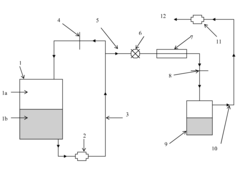
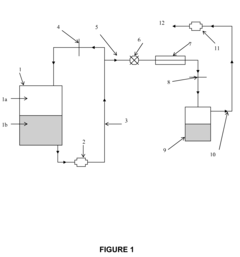
PatentInactiveUS20080154000A1
Innovation
- A free-radical polymerization process at high temperature and pressure using a non-monomeric chain transfer agent to produce amorphous HFP liquid telomers with controlled molecular weight and composition, separating molecular weight control from composition, and incorporating 80-99% HFP, 1-20% olefinically unsaturated co-monomer, 0.05-2% free-radical initiator, and 0.25-5% non-monomeric chain transfer agent.
Safety Considerations in High-Pressure Research
Safety considerations are paramount when conducting research in high-pressure systems, particularly when investigating tautomerization processes. The inherent risks associated with elevated pressures necessitate a comprehensive approach to safety protocols and equipment design. Researchers must prioritize the implementation of robust safety measures to mitigate potential hazards and ensure the well-being of personnel involved in these experiments.
One of the primary safety concerns in high-pressure tautomerization studies is the risk of equipment failure. Pressure vessels and associated components must be carefully selected, designed, and maintained to withstand the extreme conditions encountered during experiments. Regular inspections and pressure testing of all equipment are essential to identify and address any potential weaknesses or signs of wear that could lead to catastrophic failure.
Personal protective equipment (PPE) plays a crucial role in safeguarding researchers working with high-pressure systems. Appropriate PPE, including safety goggles, face shields, and protective clothing, should be worn at all times when operating or in proximity to high-pressure equipment. Additionally, specialized training in the proper use of PPE and emergency procedures is essential for all personnel involved in these experiments.
The design and layout of the laboratory space must also be carefully considered to minimize risks associated with high-pressure research. Adequate shielding and containment measures should be implemented to protect researchers and equipment in the event of a pressure release or equipment failure. Emergency shut-off systems and pressure relief valves must be strategically placed and regularly tested to ensure their effectiveness in preventing over-pressurization scenarios.
Chemical compatibility is another critical aspect of safety in high-pressure tautomerization studies. The materials used in pressure vessels, seals, and other components must be carefully selected to withstand not only the high pressures but also potential chemical reactions that may occur during the tautomerization process. Compatibility charts and expert consultation should be utilized to ensure that all materials are suitable for the specific chemical environment of the experiment.
Proper handling and storage of high-pressure gases used in these experiments require strict adherence to safety protocols. Gas cylinders must be securely stored and transported, with appropriate regulators and safety valves in place. Researchers should be trained in the safe handling of compressed gases and be familiar with emergency procedures in case of leaks or other gas-related incidents.
Continuous monitoring of experimental conditions is essential for maintaining safety in high-pressure tautomerization research. Advanced monitoring systems, including pressure sensors, temperature probes, and gas detectors, should be integrated into the experimental setup to provide real-time data and alert researchers to any deviations from safe operating parameters. These systems should be coupled with automated safety mechanisms that can initiate controlled shutdowns in the event of anomalies.
One of the primary safety concerns in high-pressure tautomerization studies is the risk of equipment failure. Pressure vessels and associated components must be carefully selected, designed, and maintained to withstand the extreme conditions encountered during experiments. Regular inspections and pressure testing of all equipment are essential to identify and address any potential weaknesses or signs of wear that could lead to catastrophic failure.
Personal protective equipment (PPE) plays a crucial role in safeguarding researchers working with high-pressure systems. Appropriate PPE, including safety goggles, face shields, and protective clothing, should be worn at all times when operating or in proximity to high-pressure equipment. Additionally, specialized training in the proper use of PPE and emergency procedures is essential for all personnel involved in these experiments.
The design and layout of the laboratory space must also be carefully considered to minimize risks associated with high-pressure research. Adequate shielding and containment measures should be implemented to protect researchers and equipment in the event of a pressure release or equipment failure. Emergency shut-off systems and pressure relief valves must be strategically placed and regularly tested to ensure their effectiveness in preventing over-pressurization scenarios.
Chemical compatibility is another critical aspect of safety in high-pressure tautomerization studies. The materials used in pressure vessels, seals, and other components must be carefully selected to withstand not only the high pressures but also potential chemical reactions that may occur during the tautomerization process. Compatibility charts and expert consultation should be utilized to ensure that all materials are suitable for the specific chemical environment of the experiment.
Proper handling and storage of high-pressure gases used in these experiments require strict adherence to safety protocols. Gas cylinders must be securely stored and transported, with appropriate regulators and safety valves in place. Researchers should be trained in the safe handling of compressed gases and be familiar with emergency procedures in case of leaks or other gas-related incidents.
Continuous monitoring of experimental conditions is essential for maintaining safety in high-pressure tautomerization research. Advanced monitoring systems, including pressure sensors, temperature probes, and gas detectors, should be integrated into the experimental setup to provide real-time data and alert researchers to any deviations from safe operating parameters. These systems should be coupled with automated safety mechanisms that can initiate controlled shutdowns in the event of anomalies.
Environmental Impact of High-Pressure Systems
High-pressure systems used in tautomerization research have potential environmental impacts that warrant careful consideration. These systems often require significant energy inputs to maintain elevated pressures, leading to increased electricity consumption and associated greenhouse gas emissions. The production and disposal of specialized equipment and materials used in high-pressure experiments may also contribute to environmental concerns.
The use of solvents and reagents in high-pressure tautomerization studies can pose risks to ecosystems if not properly managed. Many of these substances are toxic or persistent in the environment, necessitating stringent handling and disposal protocols. Accidental releases or improper disposal could lead to soil and water contamination, affecting local flora and fauna.
However, high-pressure tautomerization research also offers potential environmental benefits. By enabling more efficient chemical processes and reactions, this technology could lead to the development of greener manufacturing methods. Improved understanding of tautomerization under high pressure may contribute to the design of more environmentally friendly catalysts and reaction pathways, reducing waste and energy consumption in industrial applications.
The environmental impact of high-pressure systems extends to resource consumption. The production of specialized equipment and materials for these systems often requires rare or energy-intensive materials. This can lead to increased mining and processing activities, potentially causing habitat disruption and resource depletion.
Safety considerations in high-pressure tautomerization research also have environmental implications. Robust safety measures are essential to prevent accidents that could result in chemical spills or releases. The implementation of these safety protocols may require additional resources and energy, further contributing to the overall environmental footprint of the research.
It is crucial to consider the lifecycle environmental impact of high-pressure tautomerization research. This includes the production, operation, and eventual decommissioning of equipment. Proper recycling and disposal of specialized components can help mitigate long-term environmental effects.
Balancing the potential environmental risks with the benefits of scientific advancement is a key challenge in this field. Researchers and institutions must prioritize sustainable practices, such as energy-efficient equipment design, waste reduction strategies, and the use of less harmful solvents and reagents when possible. By adopting a holistic approach to environmental stewardship, the scientific community can minimize the ecological footprint of high-pressure tautomerization research while maximizing its potential for positive environmental outcomes.
The use of solvents and reagents in high-pressure tautomerization studies can pose risks to ecosystems if not properly managed. Many of these substances are toxic or persistent in the environment, necessitating stringent handling and disposal protocols. Accidental releases or improper disposal could lead to soil and water contamination, affecting local flora and fauna.
However, high-pressure tautomerization research also offers potential environmental benefits. By enabling more efficient chemical processes and reactions, this technology could lead to the development of greener manufacturing methods. Improved understanding of tautomerization under high pressure may contribute to the design of more environmentally friendly catalysts and reaction pathways, reducing waste and energy consumption in industrial applications.
The environmental impact of high-pressure systems extends to resource consumption. The production of specialized equipment and materials for these systems often requires rare or energy-intensive materials. This can lead to increased mining and processing activities, potentially causing habitat disruption and resource depletion.
Safety considerations in high-pressure tautomerization research also have environmental implications. Robust safety measures are essential to prevent accidents that could result in chemical spills or releases. The implementation of these safety protocols may require additional resources and energy, further contributing to the overall environmental footprint of the research.
It is crucial to consider the lifecycle environmental impact of high-pressure tautomerization research. This includes the production, operation, and eventual decommissioning of equipment. Proper recycling and disposal of specialized components can help mitigate long-term environmental effects.
Balancing the potential environmental risks with the benefits of scientific advancement is a key challenge in this field. Researchers and institutions must prioritize sustainable practices, such as energy-efficient equipment design, waste reduction strategies, and the use of less harmful solvents and reagents when possible. By adopting a holistic approach to environmental stewardship, the scientific community can minimize the ecological footprint of high-pressure tautomerization research while maximizing its potential for positive environmental outcomes.
Unlock deeper insights with Patsnap Eureka Quick Research — get a full tech report to explore trends and direct your research. Try now!
Generate Your Research Report Instantly with AI Agent
Supercharge your innovation with Patsnap Eureka AI Agent Platform!