Tautomerization in Skin Care: Enhancing Bioactive Delivery
JUL 29, 20259 MIN READ
Generate Your Research Report Instantly with AI Agent
Patsnap Eureka helps you evaluate technical feasibility & market potential.
Tautomerization Background and Objectives
Tautomerization, a fundamental concept in organic chemistry, has gained significant attention in the field of skin care due to its potential to enhance bioactive delivery. This phenomenon involves the rapid interconversion between structural isomers, known as tautomers, which can occur spontaneously under certain conditions. In the context of skin care, tautomerization presents a promising avenue for improving the efficacy and absorption of active ingredients.
The historical development of tautomerization research dates back to the late 19th century, with early observations by chemists such as Laar and Claisen. However, its application in skin care is a relatively recent development, emerging in the past two decades as our understanding of skin biology and chemical interactions has advanced. The growing interest in this field is driven by the increasing demand for more effective and targeted skincare solutions.
The primary objective of exploring tautomerization in skin care is to enhance the delivery of bioactive compounds through the skin barrier. This goal is particularly crucial given the challenges associated with transdermal delivery, including the skin's natural protective functions and the varying molecular properties of active ingredients. By leveraging tautomerization, researchers aim to improve the penetration, stability, and bioavailability of skincare actives.
One of the key technological trends in this area is the development of "smart" formulations that can respond to skin conditions, triggering tautomeric shifts to optimize ingredient efficacy. This approach aligns with the broader trend towards personalized and adaptive skincare solutions. Additionally, there is a growing focus on understanding the interplay between tautomerization and other molecular processes in the skin, such as pH-dependent reactions and enzymatic activities.
The potential applications of tautomerization in skin care are diverse and promising. They range from improving the delivery of antioxidants and anti-aging compounds to enhancing the efficacy of moisturizers and sun protection factors. Furthermore, this technology could lead to the development of new classes of skincare ingredients that exhibit superior performance due to their ability to undergo beneficial tautomeric shifts upon application.
As research in this field progresses, several key objectives have emerged. These include elucidating the mechanisms of tautomerization in complex skin environments, developing predictive models for tautomeric behavior, and creating novel delivery systems that can harness tautomerization for improved skincare outcomes. Additionally, there is a strong emphasis on ensuring the safety and stability of tautomeric systems in various formulation types.
The historical development of tautomerization research dates back to the late 19th century, with early observations by chemists such as Laar and Claisen. However, its application in skin care is a relatively recent development, emerging in the past two decades as our understanding of skin biology and chemical interactions has advanced. The growing interest in this field is driven by the increasing demand for more effective and targeted skincare solutions.
The primary objective of exploring tautomerization in skin care is to enhance the delivery of bioactive compounds through the skin barrier. This goal is particularly crucial given the challenges associated with transdermal delivery, including the skin's natural protective functions and the varying molecular properties of active ingredients. By leveraging tautomerization, researchers aim to improve the penetration, stability, and bioavailability of skincare actives.
One of the key technological trends in this area is the development of "smart" formulations that can respond to skin conditions, triggering tautomeric shifts to optimize ingredient efficacy. This approach aligns with the broader trend towards personalized and adaptive skincare solutions. Additionally, there is a growing focus on understanding the interplay between tautomerization and other molecular processes in the skin, such as pH-dependent reactions and enzymatic activities.
The potential applications of tautomerization in skin care are diverse and promising. They range from improving the delivery of antioxidants and anti-aging compounds to enhancing the efficacy of moisturizers and sun protection factors. Furthermore, this technology could lead to the development of new classes of skincare ingredients that exhibit superior performance due to their ability to undergo beneficial tautomeric shifts upon application.
As research in this field progresses, several key objectives have emerged. These include elucidating the mechanisms of tautomerization in complex skin environments, developing predictive models for tautomeric behavior, and creating novel delivery systems that can harness tautomerization for improved skincare outcomes. Additionally, there is a strong emphasis on ensuring the safety and stability of tautomeric systems in various formulation types.
Skin Care Market Analysis
The global skincare market has experienced significant growth in recent years, driven by increasing consumer awareness of personal care, rising disposable incomes, and a growing emphasis on appearance and self-care. As of 2021, the skincare market was valued at approximately $145 billion, with projections indicating continued expansion at a compound annual growth rate (CAGR) of 4.5% through 2026.
The market is characterized by a diverse range of products, including facial care, body care, sun protection, and anti-aging solutions. Facial care products dominate the market, accounting for over 60% of total sales. This segment's growth is fueled by the rising demand for multifunctional products that offer multiple benefits in a single formulation.
Consumer preferences are shifting towards natural and organic skincare products, with a growing emphasis on clean beauty and sustainable packaging. This trend has led to the emergence of numerous niche brands and has prompted established players to reformulate their offerings to meet these evolving demands.
The Asia-Pacific region leads the global skincare market, with China and Japan being the largest contributors. The region's dominance is attributed to its large population, increasing urbanization, and cultural emphasis on skincare routines. North America and Europe follow, with mature markets characterized by high product penetration and a focus on premium and luxury skincare offerings.
E-commerce has become a crucial sales channel for skincare products, accelerated by the COVID-19 pandemic. Online platforms offer consumers access to a wider range of products, detailed product information, and personalized recommendations, driving market growth and reshaping distribution strategies.
In the context of tautomerization in skincare, the market shows growing interest in advanced formulation technologies that enhance the efficacy of bioactive ingredients. Consumers are increasingly seeking products with scientifically proven benefits, creating opportunities for innovations that leverage tautomerization to improve ingredient stability and skin penetration.
The competitive landscape of the skincare market is highly fragmented, with a mix of global conglomerates, established beauty brands, and emerging indie companies. Key players are investing heavily in research and development to create innovative formulations and delivery systems, including those that may benefit from tautomerization principles.
The market is characterized by a diverse range of products, including facial care, body care, sun protection, and anti-aging solutions. Facial care products dominate the market, accounting for over 60% of total sales. This segment's growth is fueled by the rising demand for multifunctional products that offer multiple benefits in a single formulation.
Consumer preferences are shifting towards natural and organic skincare products, with a growing emphasis on clean beauty and sustainable packaging. This trend has led to the emergence of numerous niche brands and has prompted established players to reformulate their offerings to meet these evolving demands.
The Asia-Pacific region leads the global skincare market, with China and Japan being the largest contributors. The region's dominance is attributed to its large population, increasing urbanization, and cultural emphasis on skincare routines. North America and Europe follow, with mature markets characterized by high product penetration and a focus on premium and luxury skincare offerings.
E-commerce has become a crucial sales channel for skincare products, accelerated by the COVID-19 pandemic. Online platforms offer consumers access to a wider range of products, detailed product information, and personalized recommendations, driving market growth and reshaping distribution strategies.
In the context of tautomerization in skincare, the market shows growing interest in advanced formulation technologies that enhance the efficacy of bioactive ingredients. Consumers are increasingly seeking products with scientifically proven benefits, creating opportunities for innovations that leverage tautomerization to improve ingredient stability and skin penetration.
The competitive landscape of the skincare market is highly fragmented, with a mix of global conglomerates, established beauty brands, and emerging indie companies. Key players are investing heavily in research and development to create innovative formulations and delivery systems, including those that may benefit from tautomerization principles.
Tautomerization Challenges in Skin Care
Tautomerization presents significant challenges in the field of skin care, particularly in the context of enhancing bioactive delivery. This phenomenon, which involves the rapid interconversion between structural isomers, can profoundly impact the efficacy and stability of active ingredients in skincare formulations. One of the primary challenges lies in controlling the tautomeric equilibrium to maintain the desired form of the bioactive compound throughout its shelf life and application.
The dynamic nature of tautomerization can lead to unpredictable changes in the physicochemical properties of skincare ingredients. This instability may result in altered solubility, permeability, and reactivity of the compounds, potentially compromising their intended therapeutic effects. For instance, certain antioxidants and peptides used in anti-aging formulations are susceptible to tautomeric shifts, which can diminish their potency or even render them inactive.
Furthermore, tautomerization can affect the penetration of active ingredients through the skin barrier. The stratum corneum, the outermost layer of the epidermis, acts as a selective barrier to molecular diffusion. Tautomeric interconversions can alter the size, shape, and polarity of molecules, thereby influencing their ability to traverse this barrier effectively. This variability in penetration can lead to inconsistent delivery of bioactives to their target sites within the skin.
Another challenge arises from the pH-dependent nature of many tautomeric equilibria. Skincare products are formulated to maintain specific pH levels for optimal efficacy and skin compatibility. However, tautomerization can shift the overall pH of a formulation or respond differently to the skin's natural pH gradient. This interplay between tautomerization and pH can result in unexpected changes in product performance and may even lead to skin irritation or sensitization in some cases.
The formulation process itself is complicated by tautomerization. Formulators must consider not only the initial tautomeric state of an ingredient but also its potential transformations during manufacturing, storage, and use. This requires sophisticated analytical techniques and stability testing to ensure that the desired tautomeric form is maintained throughout the product's lifecycle. Additionally, the presence of other ingredients in the formulation can influence tautomeric equilibria, necessitating careful consideration of ingredient compatibility and potential interactions.
Addressing these challenges requires innovative approaches in formulation science and delivery systems. Strategies such as encapsulation technologies, prodrug designs, and smart delivery systems are being explored to control tautomerization and enhance the stability and efficacy of bioactive compounds in skincare products. However, these solutions often come with their own set of challenges, including cost, scalability, and regulatory considerations.
The dynamic nature of tautomerization can lead to unpredictable changes in the physicochemical properties of skincare ingredients. This instability may result in altered solubility, permeability, and reactivity of the compounds, potentially compromising their intended therapeutic effects. For instance, certain antioxidants and peptides used in anti-aging formulations are susceptible to tautomeric shifts, which can diminish their potency or even render them inactive.
Furthermore, tautomerization can affect the penetration of active ingredients through the skin barrier. The stratum corneum, the outermost layer of the epidermis, acts as a selective barrier to molecular diffusion. Tautomeric interconversions can alter the size, shape, and polarity of molecules, thereby influencing their ability to traverse this barrier effectively. This variability in penetration can lead to inconsistent delivery of bioactives to their target sites within the skin.
Another challenge arises from the pH-dependent nature of many tautomeric equilibria. Skincare products are formulated to maintain specific pH levels for optimal efficacy and skin compatibility. However, tautomerization can shift the overall pH of a formulation or respond differently to the skin's natural pH gradient. This interplay between tautomerization and pH can result in unexpected changes in product performance and may even lead to skin irritation or sensitization in some cases.
The formulation process itself is complicated by tautomerization. Formulators must consider not only the initial tautomeric state of an ingredient but also its potential transformations during manufacturing, storage, and use. This requires sophisticated analytical techniques and stability testing to ensure that the desired tautomeric form is maintained throughout the product's lifecycle. Additionally, the presence of other ingredients in the formulation can influence tautomeric equilibria, necessitating careful consideration of ingredient compatibility and potential interactions.
Addressing these challenges requires innovative approaches in formulation science and delivery systems. Strategies such as encapsulation technologies, prodrug designs, and smart delivery systems are being explored to control tautomerization and enhance the stability and efficacy of bioactive compounds in skincare products. However, these solutions often come with their own set of challenges, including cost, scalability, and regulatory considerations.
Current Tautomerization Solutions
01 Tautomerization-based drug delivery systems
Utilizing tautomerization in drug delivery systems to enhance bioavailability and control release of active compounds. This approach exploits the dynamic equilibrium between tautomeric forms to improve drug solubility, permeability, and stability, potentially leading to more effective therapeutic outcomes.- Tautomerization-based drug delivery systems: Utilizing tautomerization in drug delivery systems to enhance bioavailability and control release of active compounds. This approach exploits the dynamic equilibrium between tautomeric forms to improve drug solubility, permeability, and stability, potentially leading to more effective therapeutic outcomes.
- Formulation strategies for tautomeric compounds: Developing specialized formulation techniques to optimize the delivery of tautomeric bioactive compounds. These strategies may include the use of specific excipients, pH modifiers, or encapsulation technologies to maintain the desired tautomeric form and enhance overall bioavailability.
- Controlled release of tautomerizable bioactives: Designing controlled release systems that leverage tautomerization to achieve sustained or targeted delivery of bioactive compounds. This approach may involve the use of polymeric matrices, nanocarriers, or stimuli-responsive materials to modulate the release profile based on tautomeric transitions.
- Tautomerization-induced permeation enhancement: Exploiting tautomerization to improve the permeation of bioactive compounds across biological barriers. This strategy may involve designing prodrugs or delivery systems that undergo tautomeric shifts in response to physiological conditions, facilitating enhanced absorption and tissue penetration.
- Stabilization of bioactives through tautomeric control: Developing methods to stabilize bioactive compounds by controlling their tautomeric equilibrium. This approach may involve the use of specific formulation additives, chemical modifications, or environmental conditions to maintain the most stable or active tautomeric form throughout the delivery process.
02 Formulation strategies for tautomeric compounds
Developing specialized formulation techniques to address the unique challenges posed by tautomeric bioactive compounds. These strategies may include pH adjustment, use of specific excipients, or novel encapsulation methods to maintain the desired tautomeric form and optimize drug delivery.Expand Specific Solutions03 Controlled release of tautomerizable bioactives
Designing controlled release systems that leverage tautomerization to achieve sustained or targeted drug delivery. These systems may employ polymeric matrices, nanocarriers, or stimuli-responsive materials to modulate the release of tautomeric compounds based on environmental conditions or specific triggers.Expand Specific Solutions04 Tautomerization-induced permeation enhancement
Exploiting tautomerization to enhance the permeation of bioactive compounds across biological barriers. This approach may involve designing prodrugs or delivery systems that undergo tautomerization in response to physiological conditions, facilitating improved absorption and bioavailability.Expand Specific Solutions05 Stabilization of tautomeric forms for improved delivery
Developing methods to stabilize specific tautomeric forms of bioactive compounds to enhance their delivery and therapeutic efficacy. This may involve the use of complexation agents, co-crystals, or other stabilizing techniques to maintain the desired tautomeric structure throughout the delivery process.Expand Specific Solutions
Key Players in Skin Care Tautomerization
The tautomerization technology in skin care for enhancing bioactive delivery is in its early development stage, with a growing market potential as the demand for advanced skincare solutions increases. The market size is expanding, driven by consumer interest in innovative and effective skincare products. Technologically, it's still evolving, with companies like Procter & Gamble, L'Oréal, and Johnson & Johnson leading research efforts. Smaller specialized firms such as LTS LOHMANN Therapie-Systeme AG and Cosmecca Korea are also contributing to advancements. The technology's maturity varies across applications, with some areas showing promise for near-term commercialization while others require further development to overcome stability and efficacy challenges.
Procter & Gamble Co.
Technical Solution: Procter & Gamble has developed a novel approach to enhance bioactive delivery in skincare through tautomerization. Their technology utilizes specially designed molecular structures that can undergo reversible tautomeric shifts, allowing for improved penetration and controlled release of active ingredients[1]. This method involves encapsulating bioactive compounds within tautomeric carriers, which can change their structure based on skin pH or other environmental factors[3]. The tautomeric shift enables the active ingredients to pass through the skin barrier more effectively, increasing their bioavailability and efficacy[5]. P&G has also incorporated this technology into their formulations to create "smart" skincare products that adapt to individual skin conditions[7].
Strengths: Enhanced penetration of active ingredients, controlled release mechanisms, and adaptability to skin conditions. Weaknesses: Potential complexity in formulation and higher production costs.
ELC Management LLC
Technical Solution: ELC Management, part of the Estée Lauder Companies, has pioneered a tautomerization-based delivery system for skincare actives. Their approach focuses on developing tautomeric pro-drugs that transform into their active forms upon application to the skin[2]. This technology utilizes the skin's natural pH gradient and enzymatic environment to trigger the tautomeric shift, ensuring targeted delivery of bioactives to specific skin layers[4]. ELC has also developed a range of synthetic tautomeric molecules that act as both carriers and active ingredients, providing dual functionality in skincare formulations[6]. Their research has shown significant improvements in the stability and efficacy of notoriously difficult-to-deliver ingredients, such as vitamin C and retinoids[8].
Strengths: Targeted delivery to specific skin layers, improved stability of sensitive ingredients. Weaknesses: Potential regulatory challenges due to the use of pro-drug approaches.
Innovative Tautomerization Techniques
Chiral design
PatentWO2015107425A8
Innovation
- The development of stereorandom oligonucleotide preparations that focus on specific stereoisomers with optimized patterns of backbone chiral centers, which can enhance stability and biological activity, allowing for precise control over cleavage patterns and minimizing off-target effects.
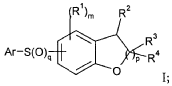
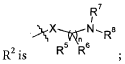

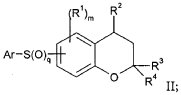
Oligonucleotide compositions and methods thereof
PatentPendingUS20240117347A1
Innovation
- The development of oligonucleotide compositions with controlled structural elements, including chemical modifications and stereochemistry patterns, which modulate their properties to enhance stability, reduce toxicity, and improve splicing capabilities, allowing for targeted exon skipping and hTLR9 antagonism.


Regulatory Landscape for Skin Care Products
The regulatory landscape for skin care products incorporating tautomerization technology is complex and multifaceted, requiring careful navigation to ensure compliance and market success. In the United States, the Food and Drug Administration (FDA) plays a crucial role in overseeing the safety and efficacy of skin care products. The FDA categorizes these products as either cosmetics or drugs, depending on their intended use and claims.
For products utilizing tautomerization to enhance bioactive delivery, the regulatory classification may lean towards drugs if the product claims to alter the structure or function of the skin. This classification would necessitate more rigorous testing and approval processes, including clinical trials to demonstrate safety and efficacy. Manufacturers must be prepared to provide substantial scientific evidence supporting their claims related to tautomerization and its effects on bioactive delivery.
In the European Union, the Cosmetic Products Regulation (EC) No 1223/2009 governs the safety and marketing of skin care products. This regulation places a strong emphasis on product safety assessments and the use of a Cosmetic Product Safety Report (CPSR). For products incorporating tautomerization technology, manufacturers must ensure that all ingredients, including those involved in the tautomerization process, are listed in the EU Cosmetic Ingredient Database (CosIng) and comply with specific concentration limits.
The regulatory landscape in Asia varies significantly by country. Japan, for example, has a unique quasi-drug category that may be applicable to some tautomerization-enhanced skin care products. This category allows for certain efficacy claims that are not permitted for regular cosmetics. In China, the National Medical Products Administration (NMPA) has stringent requirements for imported cosmetics, including additional safety and efficacy data for new cosmetic ingredients.
Globally, there is an increasing focus on the safety of nanomaterials in cosmetics, which may be relevant if tautomerization technology involves nanoparticle delivery systems. Regulatory bodies worldwide are developing specific guidelines for the assessment and labeling of nanomaterials in skin care products.
Manufacturers must also consider intellectual property regulations when developing tautomerization-enhanced skin care products. Patent protection for novel tautomerization mechanisms or delivery systems can provide a significant competitive advantage but requires careful navigation of international patent laws.
As the field of tautomerization in skin care evolves, regulatory bodies are likely to develop more specific guidelines. Companies operating in this space must stay abreast of these developments and be prepared to adapt their product development and marketing strategies accordingly.
For products utilizing tautomerization to enhance bioactive delivery, the regulatory classification may lean towards drugs if the product claims to alter the structure or function of the skin. This classification would necessitate more rigorous testing and approval processes, including clinical trials to demonstrate safety and efficacy. Manufacturers must be prepared to provide substantial scientific evidence supporting their claims related to tautomerization and its effects on bioactive delivery.
In the European Union, the Cosmetic Products Regulation (EC) No 1223/2009 governs the safety and marketing of skin care products. This regulation places a strong emphasis on product safety assessments and the use of a Cosmetic Product Safety Report (CPSR). For products incorporating tautomerization technology, manufacturers must ensure that all ingredients, including those involved in the tautomerization process, are listed in the EU Cosmetic Ingredient Database (CosIng) and comply with specific concentration limits.
The regulatory landscape in Asia varies significantly by country. Japan, for example, has a unique quasi-drug category that may be applicable to some tautomerization-enhanced skin care products. This category allows for certain efficacy claims that are not permitted for regular cosmetics. In China, the National Medical Products Administration (NMPA) has stringent requirements for imported cosmetics, including additional safety and efficacy data for new cosmetic ingredients.
Globally, there is an increasing focus on the safety of nanomaterials in cosmetics, which may be relevant if tautomerization technology involves nanoparticle delivery systems. Regulatory bodies worldwide are developing specific guidelines for the assessment and labeling of nanomaterials in skin care products.
Manufacturers must also consider intellectual property regulations when developing tautomerization-enhanced skin care products. Patent protection for novel tautomerization mechanisms or delivery systems can provide a significant competitive advantage but requires careful navigation of international patent laws.
As the field of tautomerization in skin care evolves, regulatory bodies are likely to develop more specific guidelines. Companies operating in this space must stay abreast of these developments and be prepared to adapt their product development and marketing strategies accordingly.
Safety and Efficacy Considerations
The safety and efficacy of tautomerization in skin care products are paramount considerations for both manufacturers and consumers. Tautomerization, the process of structural isomerization, can significantly impact the bioavailability and effectiveness of active ingredients in skincare formulations. However, this dynamic equilibrium also presents potential risks that must be carefully evaluated.
From a safety perspective, tautomerization can alter the chemical properties of compounds, potentially leading to unexpected interactions with skin tissues. This structural change may affect the penetration depth of active ingredients, raising concerns about systemic absorption and long-term effects. Rigorous toxicological studies are essential to assess the safety profile of tautomeric compounds and their various forms when applied topically.
Efficacy considerations for tautomerization in skin care products are equally complex. The interconversion between tautomeric forms can influence the stability and potency of bioactive ingredients. In some cases, tautomerization may enhance the desired effects by increasing the concentration of the active form at the target site. Conversely, it may also lead to reduced efficacy if the equilibrium shifts towards a less active tautomer.
To ensure both safety and efficacy, formulators must consider the pH-dependent nature of tautomerization. The skin's natural pH can influence the tautomeric equilibrium, potentially altering the intended effects of the product. Careful pH adjustment in formulations is crucial to maintain the desired tautomeric balance and optimize product performance.
Furthermore, the interaction between tautomeric compounds and other ingredients in the formulation must be thoroughly investigated. Certain excipients may stabilize specific tautomeric forms, while others might catalyze unwanted conversions. These interactions can impact both the safety profile and the overall efficacy of the product.
Clinical studies play a vital role in validating the safety and efficacy of tautomerization-based skin care products. These studies should assess not only the immediate effects but also long-term outcomes, considering the potential for cumulative changes in skin physiology. Additionally, in vitro and ex vivo models can provide valuable insights into the behavior of tautomeric compounds on skin tissues.
As the field of skin care continues to evolve, regulatory bodies must adapt their guidelines to address the unique challenges posed by tautomerization. Manufacturers should work closely with regulatory agencies to establish appropriate safety standards and efficacy claims for products leveraging this phenomenon. This collaborative approach will ensure that innovative tautomerization-based skin care solutions can be brought to market while maintaining the highest standards of consumer safety and product effectiveness.
From a safety perspective, tautomerization can alter the chemical properties of compounds, potentially leading to unexpected interactions with skin tissues. This structural change may affect the penetration depth of active ingredients, raising concerns about systemic absorption and long-term effects. Rigorous toxicological studies are essential to assess the safety profile of tautomeric compounds and their various forms when applied topically.
Efficacy considerations for tautomerization in skin care products are equally complex. The interconversion between tautomeric forms can influence the stability and potency of bioactive ingredients. In some cases, tautomerization may enhance the desired effects by increasing the concentration of the active form at the target site. Conversely, it may also lead to reduced efficacy if the equilibrium shifts towards a less active tautomer.
To ensure both safety and efficacy, formulators must consider the pH-dependent nature of tautomerization. The skin's natural pH can influence the tautomeric equilibrium, potentially altering the intended effects of the product. Careful pH adjustment in formulations is crucial to maintain the desired tautomeric balance and optimize product performance.
Furthermore, the interaction between tautomeric compounds and other ingredients in the formulation must be thoroughly investigated. Certain excipients may stabilize specific tautomeric forms, while others might catalyze unwanted conversions. These interactions can impact both the safety profile and the overall efficacy of the product.
Clinical studies play a vital role in validating the safety and efficacy of tautomerization-based skin care products. These studies should assess not only the immediate effects but also long-term outcomes, considering the potential for cumulative changes in skin physiology. Additionally, in vitro and ex vivo models can provide valuable insights into the behavior of tautomeric compounds on skin tissues.
As the field of skin care continues to evolve, regulatory bodies must adapt their guidelines to address the unique challenges posed by tautomerization. Manufacturers should work closely with regulatory agencies to establish appropriate safety standards and efficacy claims for products leveraging this phenomenon. This collaborative approach will ensure that innovative tautomerization-based skin care solutions can be brought to market while maintaining the highest standards of consumer safety and product effectiveness.
Unlock deeper insights with Patsnap Eureka Quick Research — get a full tech report to explore trends and direct your research. Try now!
Generate Your Research Report Instantly with AI Agent
Supercharge your innovation with Patsnap Eureka AI Agent Platform!