Tautomerization of Polycyclic Aromatic Hydrocarbons During Combustion
JUL 29, 20259 MIN READ
Generate Your Research Report Instantly with AI Agent
Patsnap Eureka helps you evaluate technical feasibility & market potential.
PAH Tautomerization Background and Objectives
Polycyclic Aromatic Hydrocarbons (PAHs) have been a subject of intense scientific scrutiny for decades due to their ubiquitous presence in combustion processes and their significant environmental and health implications. The tautomerization of PAHs during combustion represents a critical area of research that has gained increasing attention in recent years. This phenomenon involves the structural rearrangement of hydrogen atoms within PAH molecules, potentially altering their chemical and physical properties.
The study of PAH tautomerization during combustion is rooted in the broader field of combustion chemistry, which has evolved significantly since the mid-20th century. Early research focused primarily on the formation and emission of PAHs as byproducts of incomplete combustion. However, as analytical techniques and computational methods advanced, researchers began to uncover the complex molecular transformations that occur during the combustion process, including tautomerization.
The evolution of this research field has been driven by several factors, including growing environmental concerns, stricter emission regulations, and the need for more efficient combustion technologies. As our understanding of combustion processes has deepened, the role of PAH tautomerization has emerged as a crucial aspect that may influence soot formation, pollutant emissions, and overall combustion efficiency.
The primary objective of research on PAH tautomerization during combustion is to elucidate the mechanisms, kinetics, and thermodynamics of these molecular rearrangements under high-temperature and high-pressure conditions typical of combustion environments. This includes investigating how different combustion parameters, such as temperature, pressure, and fuel composition, affect the tautomerization process.
Furthermore, researchers aim to understand the implications of PAH tautomerization on the formation of soot precursors and the growth of larger PAH structures. This knowledge is essential for developing more accurate models of soot formation and for designing cleaner combustion systems. Additionally, there is a growing interest in exploring how tautomerization may influence the reactivity and toxicity of PAHs, which has significant implications for environmental and health risk assessments.
Another key objective is to develop advanced experimental and computational techniques capable of detecting and characterizing PAH tautomers in complex combustion environments. This includes the refinement of spectroscopic methods, mass spectrometry techniques, and quantum chemical calculations to provide a more comprehensive understanding of the tautomerization process.
The study of PAH tautomerization during combustion is rooted in the broader field of combustion chemistry, which has evolved significantly since the mid-20th century. Early research focused primarily on the formation and emission of PAHs as byproducts of incomplete combustion. However, as analytical techniques and computational methods advanced, researchers began to uncover the complex molecular transformations that occur during the combustion process, including tautomerization.
The evolution of this research field has been driven by several factors, including growing environmental concerns, stricter emission regulations, and the need for more efficient combustion technologies. As our understanding of combustion processes has deepened, the role of PAH tautomerization has emerged as a crucial aspect that may influence soot formation, pollutant emissions, and overall combustion efficiency.
The primary objective of research on PAH tautomerization during combustion is to elucidate the mechanisms, kinetics, and thermodynamics of these molecular rearrangements under high-temperature and high-pressure conditions typical of combustion environments. This includes investigating how different combustion parameters, such as temperature, pressure, and fuel composition, affect the tautomerization process.
Furthermore, researchers aim to understand the implications of PAH tautomerization on the formation of soot precursors and the growth of larger PAH structures. This knowledge is essential for developing more accurate models of soot formation and for designing cleaner combustion systems. Additionally, there is a growing interest in exploring how tautomerization may influence the reactivity and toxicity of PAHs, which has significant implications for environmental and health risk assessments.
Another key objective is to develop advanced experimental and computational techniques capable of detecting and characterizing PAH tautomers in complex combustion environments. This includes the refinement of spectroscopic methods, mass spectrometry techniques, and quantum chemical calculations to provide a more comprehensive understanding of the tautomerization process.
Combustion Process Implications
The tautomerization of polycyclic aromatic hydrocarbons (PAHs) during combustion processes has significant implications for the overall combustion dynamics and pollutant formation. This phenomenon affects the reactivity and stability of PAH molecules, influencing their role in soot formation and the production of harmful emissions.
During combustion, PAHs undergo rapid structural changes due to the high temperatures and reactive environment. Tautomerization, which involves the migration of hydrogen atoms within the molecule, can alter the electronic structure and chemical properties of PAHs. This process can lead to the formation of more reactive species, potentially accelerating the growth of soot particles and increasing the overall soot yield in combustion systems.
The impact of PAH tautomerization on flame characteristics is noteworthy. As tautomers with different electronic configurations are formed, they can affect the local flame chemistry, potentially altering flame speed, temperature distribution, and overall combustion efficiency. Understanding these effects is crucial for optimizing combustion processes in various applications, from internal combustion engines to industrial furnaces.
Furthermore, tautomerization can influence the formation of other pollutants besides soot. The altered reactivity of PAH tautomers may lead to different pathways for the formation of nitrogen oxides (NOx) and other harmful emissions. This has implications for emission control strategies and the development of cleaner combustion technologies.
The study of PAH tautomerization during combustion also provides insights into the fundamental chemistry of flame processes. It highlights the complex interplay between molecular structure, reactivity, and macroscopic combustion phenomena. This knowledge is essential for developing more accurate combustion models and simulation tools, which are critical for designing advanced combustion systems with improved efficiency and reduced environmental impact.
From a practical standpoint, understanding PAH tautomerization can lead to the development of novel fuel additives or combustion strategies that mitigate soot formation and reduce harmful emissions. By manipulating the tautomerization process, it may be possible to steer the combustion chemistry towards more favorable outcomes, such as reduced particulate matter formation or enhanced combustion efficiency.
In conclusion, the research on PAH tautomerization during combustion has far-reaching implications for combustion science and technology. It not only enhances our fundamental understanding of combustion chemistry but also paves the way for innovative approaches to cleaner and more efficient combustion processes across various industrial and transportation sectors.
During combustion, PAHs undergo rapid structural changes due to the high temperatures and reactive environment. Tautomerization, which involves the migration of hydrogen atoms within the molecule, can alter the electronic structure and chemical properties of PAHs. This process can lead to the formation of more reactive species, potentially accelerating the growth of soot particles and increasing the overall soot yield in combustion systems.
The impact of PAH tautomerization on flame characteristics is noteworthy. As tautomers with different electronic configurations are formed, they can affect the local flame chemistry, potentially altering flame speed, temperature distribution, and overall combustion efficiency. Understanding these effects is crucial for optimizing combustion processes in various applications, from internal combustion engines to industrial furnaces.
Furthermore, tautomerization can influence the formation of other pollutants besides soot. The altered reactivity of PAH tautomers may lead to different pathways for the formation of nitrogen oxides (NOx) and other harmful emissions. This has implications for emission control strategies and the development of cleaner combustion technologies.
The study of PAH tautomerization during combustion also provides insights into the fundamental chemistry of flame processes. It highlights the complex interplay between molecular structure, reactivity, and macroscopic combustion phenomena. This knowledge is essential for developing more accurate combustion models and simulation tools, which are critical for designing advanced combustion systems with improved efficiency and reduced environmental impact.
From a practical standpoint, understanding PAH tautomerization can lead to the development of novel fuel additives or combustion strategies that mitigate soot formation and reduce harmful emissions. By manipulating the tautomerization process, it may be possible to steer the combustion chemistry towards more favorable outcomes, such as reduced particulate matter formation or enhanced combustion efficiency.
In conclusion, the research on PAH tautomerization during combustion has far-reaching implications for combustion science and technology. It not only enhances our fundamental understanding of combustion chemistry but also paves the way for innovative approaches to cleaner and more efficient combustion processes across various industrial and transportation sectors.
Current Understanding and Challenges
The current understanding of polycyclic aromatic hydrocarbon (PAH) tautomerization during combustion has advanced significantly in recent years, yet several challenges remain. Researchers have established that tautomerization plays a crucial role in PAH growth and soot formation processes. This phenomenon involves the migration of hydrogen atoms within the PAH molecule, leading to structural changes that can affect reactivity and further growth mechanisms.
One of the key findings is that tautomerization can occur at relatively low temperatures, even before the onset of traditional combustion reactions. This insight has led to a reevaluation of PAH formation models in combustion systems. Studies have shown that certain tautomeric forms of PAHs are more reactive and prone to further growth, potentially accelerating the formation of larger PAH structures and ultimately contributing to soot production.
However, the complexity of tautomerization processes presents significant challenges for researchers. The rapid interconversion between tautomeric forms makes it difficult to isolate and study individual species experimentally. Additionally, the vast number of possible tautomeric structures for larger PAHs complicates computational modeling efforts, requiring advanced quantum chemical methods and significant computational resources.
Another challenge lies in understanding the kinetics of tautomerization reactions under combustion conditions. While theoretical studies have provided insights into energy barriers and reaction pathways, experimental validation remains difficult due to the high temperatures and short timescales involved in combustion processes. This gap between theoretical predictions and experimental observations hinders the development of accurate kinetic models for PAH growth.
The influence of the combustion environment on tautomerization is another area of ongoing research. Factors such as temperature, pressure, and the presence of other reactive species can significantly affect tautomerization rates and preferred pathways. Understanding these environmental effects is crucial for developing more accurate models of PAH behavior in real combustion systems.
Furthermore, the role of tautomerization in the formation of oxygenated PAHs and other functionalized derivatives remains poorly understood. These species are of particular interest due to their potential impact on human health and the environment. Elucidating the mechanisms by which tautomerization contributes to the formation of these compounds is a key challenge for researchers in the field.
One of the key findings is that tautomerization can occur at relatively low temperatures, even before the onset of traditional combustion reactions. This insight has led to a reevaluation of PAH formation models in combustion systems. Studies have shown that certain tautomeric forms of PAHs are more reactive and prone to further growth, potentially accelerating the formation of larger PAH structures and ultimately contributing to soot production.
However, the complexity of tautomerization processes presents significant challenges for researchers. The rapid interconversion between tautomeric forms makes it difficult to isolate and study individual species experimentally. Additionally, the vast number of possible tautomeric structures for larger PAHs complicates computational modeling efforts, requiring advanced quantum chemical methods and significant computational resources.
Another challenge lies in understanding the kinetics of tautomerization reactions under combustion conditions. While theoretical studies have provided insights into energy barriers and reaction pathways, experimental validation remains difficult due to the high temperatures and short timescales involved in combustion processes. This gap between theoretical predictions and experimental observations hinders the development of accurate kinetic models for PAH growth.
The influence of the combustion environment on tautomerization is another area of ongoing research. Factors such as temperature, pressure, and the presence of other reactive species can significantly affect tautomerization rates and preferred pathways. Understanding these environmental effects is crucial for developing more accurate models of PAH behavior in real combustion systems.
Furthermore, the role of tautomerization in the formation of oxygenated PAHs and other functionalized derivatives remains poorly understood. These species are of particular interest due to their potential impact on human health and the environment. Elucidating the mechanisms by which tautomerization contributes to the formation of these compounds is a key challenge for researchers in the field.
Experimental Techniques for PAH Analysis
01 Tautomerization mechanisms in polycyclic aromatic hydrocarbons
This point focuses on the fundamental mechanisms of tautomerization in polycyclic aromatic hydrocarbons (PAHs). It involves the study of intramolecular hydrogen transfer processes, electronic rearrangements, and structural changes that occur during tautomerization. Understanding these mechanisms is crucial for predicting and controlling the behavior of PAHs in various chemical and biological systems.- Tautomerization mechanisms in polycyclic aromatic hydrocarbons: This point focuses on the fundamental mechanisms of tautomerization in polycyclic aromatic hydrocarbons (PAHs). It involves the study of intramolecular hydrogen transfer processes, electronic rearrangements, and structural changes that occur during tautomerization. Understanding these mechanisms is crucial for predicting and controlling the behavior of PAHs in various chemical and biological systems.
- Analytical methods for detecting PAH tautomers: This category covers various analytical techniques and methods used to detect and characterize different tautomeric forms of polycyclic aromatic hydrocarbons. These may include spectroscopic methods such as NMR, UV-Vis, and IR spectroscopy, as well as chromatographic techniques and mass spectrometry. Advanced computational methods may also be employed to predict and analyze tautomeric structures.
- Environmental impact of PAH tautomerization: This point addresses the environmental implications of polycyclic aromatic hydrocarbon tautomerization. It explores how different tautomeric forms can affect the persistence, bioavailability, and toxicity of PAHs in various environmental compartments. Understanding these effects is crucial for assessing environmental risks and developing effective remediation strategies for PAH-contaminated sites.
- Applications of PAH tautomerization in material science: This category focuses on the practical applications of polycyclic aromatic hydrocarbon tautomerization in material science. It includes the development of novel materials with switchable properties, such as photochromic and thermochromic materials, as well as applications in organic electronics and optoelectronics. The ability to control tautomerization can lead to the creation of smart materials with tunable characteristics.
- Catalytic control of PAH tautomerization: This point explores the use of catalysts to control and direct the tautomerization of polycyclic aromatic hydrocarbons. It involves the development of specific catalysts that can selectively promote or inhibit certain tautomeric forms, allowing for greater control over PAH reactivity and properties. This research has implications for organic synthesis, drug development, and the design of functional materials.
02 Analytical methods for detecting PAH tautomers
This category covers various analytical techniques and methods used to detect and characterize different tautomeric forms of polycyclic aromatic hydrocarbons. These may include spectroscopic methods such as NMR, UV-Vis, and IR spectroscopy, as well as chromatographic techniques and mass spectrometry. Advanced computational methods may also be employed to predict and analyze tautomeric structures.Expand Specific Solutions03 Environmental impact and fate of PAH tautomers
This point addresses the environmental implications of polycyclic aromatic hydrocarbon tautomerization. It includes studies on the persistence, degradation, and transformation of PAH tautomers in various environmental compartments such as soil, water, and air. The impact of tautomerization on the bioavailability, toxicity, and transport of PAHs in ecosystems is also considered.Expand Specific Solutions04 Applications of PAH tautomerization in material science
This category explores the potential applications of polycyclic aromatic hydrocarbon tautomerization in material science and technology. It may include the development of novel materials with switchable properties, such as photochromic or thermochromic materials, based on controlled tautomerization of PAHs. Applications in organic electronics, sensors, and energy storage devices are also considered.Expand Specific Solutions05 Catalytic processes influencing PAH tautomerization
This point focuses on the role of catalysts in controlling and directing the tautomerization of polycyclic aromatic hydrocarbons. It includes studies on both homogeneous and heterogeneous catalysts that can influence the equilibrium between different tautomeric forms of PAHs. The development of selective catalysts for specific tautomerization pathways and their potential industrial applications are also addressed.Expand Specific Solutions
Key Research Groups and Institutions
The research on tautomerization of polycyclic aromatic hydrocarbons during combustion is in a developing stage, with growing market potential due to its implications for energy efficiency and environmental concerns. The global market for this technology is expanding, driven by increasing focus on clean energy and emission reduction. Technologically, it's progressing from basic research to applied solutions, with varying levels of maturity across companies. Key players like China Petroleum & Chemical Corp., Sinopec Research Institute, and PetroChina are advancing rapidly, while international firms such as Shell, BP, and Chevron Phillips Chemical are also making significant strides. Universities like Dalian Maritime University and Tianjin University are contributing valuable research, indicating a collaborative ecosystem between industry and academia in this field.
China Petroleum & Chemical Corp.
Technical Solution: China Petroleum & Chemical Corp. (Sinopec) has developed advanced computational models to study the tautomerization of polycyclic aromatic hydrocarbons (PAHs) during combustion processes. Their research focuses on understanding the kinetics and thermodynamics of tautomeric transformations in complex hydrocarbon mixtures. Sinopec employs high-performance computing clusters to simulate molecular dynamics and quantum chemical calculations, allowing for accurate predictions of tautomerization rates and equilibrium constants under various combustion conditions[1]. The company has also invested in experimental techniques, such as time-resolved spectroscopy, to validate their computational models and provide real-time monitoring of tautomeric species during combustion[3].
Strengths: Comprehensive approach combining computational and experimental methods; Access to large-scale industrial data. Weaknesses: Potential bias towards petroleum-specific applications; Limited public disclosure of proprietary research findings.
BP Corporation North America, Inc.
Technical Solution: BP Corporation North America, Inc. has developed a multi-scale modeling approach to investigate PAH tautomerization during combustion. Their technology integrates quantum mechanical calculations with kinetic Monte Carlo simulations to predict the formation and interconversion of tautomeric species in complex fuel mixtures. BP's research team has created a comprehensive database of tautomerization energetics for various PAH structures, which serves as a foundation for their predictive models[2]. The company has also implemented advanced in situ spectroscopic techniques, including resonance-enhanced multiphoton ionization (REMPI), to detect and quantify tautomeric species in real combustion environments[4]. This integrated approach allows BP to optimize fuel compositions and combustion conditions to minimize the formation of harmful PAH derivatives.
Strengths: Robust multi-scale modeling capabilities; Extensive experimental validation. Weaknesses: Focus primarily on petroleum-based fuels; Potential challenges in adapting models to alternative fuel sources.
Computational Models for Tautomerization
Method for removing polycyclic aromatic hydrocarbon
PatentInactiveJP2012020278A
Innovation
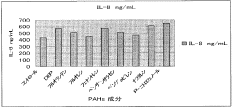
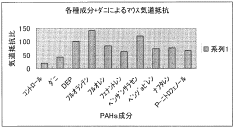
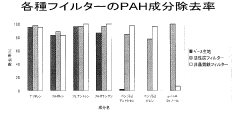
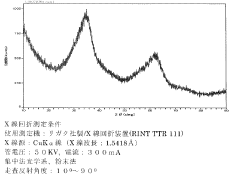
- A method using amorphous iron hydroxide and/or activated carbon to adsorb PAHs, incorporated into filters for air purifiers, ventilation systems, and air conditioning systems, effectively capturing and removing PAHs through chemical and physical adsorption mechanisms.
Environmental Impact Assessment
The tautomerization of polycyclic aromatic hydrocarbons (PAHs) during combustion processes has significant environmental implications that warrant careful assessment. This phenomenon can alter the chemical properties and reactivity of PAHs, potentially leading to the formation of more toxic or persistent compounds in the environment.
One of the primary concerns is the increased toxicity of certain tautomeric forms of PAHs. Tautomerization can result in the formation of more reactive species, which may have higher mutagenic or carcinogenic potential. This poses a greater risk to human health and ecosystems exposed to combustion emissions containing these transformed PAHs.
The environmental persistence of tautomerized PAHs is another critical factor to consider. Some tautomeric forms may exhibit enhanced stability, leading to longer residence times in various environmental compartments such as soil, water, and air. This prolonged presence can increase the likelihood of bioaccumulation in food chains and extend the geographical range of contamination.
Atmospheric transport and deposition patterns of tautomerized PAHs may differ from their parent compounds. Changes in molecular structure can affect their volatility, solubility, and partitioning behavior between gas and particulate phases. This can influence their long-range transport potential and deposition mechanisms, potentially impacting remote ecosystems far from the original combustion sources.
The aquatic environment is particularly vulnerable to the effects of tautomerized PAHs. Altered chemical properties may affect their solubility and bioavailability to aquatic organisms. This can lead to changes in toxicity profiles and bioaccumulation patterns in aquatic food webs, potentially disrupting ecosystem balance and biodiversity.
Soil contamination is another area of concern, as tautomerized PAHs may exhibit different sorption behaviors and degradation rates compared to their parent compounds. This can affect their mobility in soil profiles and their potential for groundwater contamination. Additionally, changes in bioavailability may impact soil microbial communities and plant uptake, with potential consequences for terrestrial ecosystems and agricultural productivity.
The environmental impact assessment must also consider the potential for synergistic effects between tautomerized PAHs and other pollutants present in combustion emissions. These interactions could lead to the formation of even more harmful compounds or alter the environmental fate and behavior of other contaminants.
In conclusion, the tautomerization of PAHs during combustion processes necessitates a comprehensive environmental impact assessment. This should encompass the evaluation of toxicity changes, environmental persistence, transport mechanisms, and ecosystem effects across various environmental compartments. Such an assessment is crucial for developing effective pollution control strategies and mitigating the potential risks associated with combustion-derived PAH emissions.
One of the primary concerns is the increased toxicity of certain tautomeric forms of PAHs. Tautomerization can result in the formation of more reactive species, which may have higher mutagenic or carcinogenic potential. This poses a greater risk to human health and ecosystems exposed to combustion emissions containing these transformed PAHs.
The environmental persistence of tautomerized PAHs is another critical factor to consider. Some tautomeric forms may exhibit enhanced stability, leading to longer residence times in various environmental compartments such as soil, water, and air. This prolonged presence can increase the likelihood of bioaccumulation in food chains and extend the geographical range of contamination.
Atmospheric transport and deposition patterns of tautomerized PAHs may differ from their parent compounds. Changes in molecular structure can affect their volatility, solubility, and partitioning behavior between gas and particulate phases. This can influence their long-range transport potential and deposition mechanisms, potentially impacting remote ecosystems far from the original combustion sources.
The aquatic environment is particularly vulnerable to the effects of tautomerized PAHs. Altered chemical properties may affect their solubility and bioavailability to aquatic organisms. This can lead to changes in toxicity profiles and bioaccumulation patterns in aquatic food webs, potentially disrupting ecosystem balance and biodiversity.
Soil contamination is another area of concern, as tautomerized PAHs may exhibit different sorption behaviors and degradation rates compared to their parent compounds. This can affect their mobility in soil profiles and their potential for groundwater contamination. Additionally, changes in bioavailability may impact soil microbial communities and plant uptake, with potential consequences for terrestrial ecosystems and agricultural productivity.
The environmental impact assessment must also consider the potential for synergistic effects between tautomerized PAHs and other pollutants present in combustion emissions. These interactions could lead to the formation of even more harmful compounds or alter the environmental fate and behavior of other contaminants.
In conclusion, the tautomerization of PAHs during combustion processes necessitates a comprehensive environmental impact assessment. This should encompass the evaluation of toxicity changes, environmental persistence, transport mechanisms, and ecosystem effects across various environmental compartments. Such an assessment is crucial for developing effective pollution control strategies and mitigating the potential risks associated with combustion-derived PAH emissions.
Regulatory Framework for PAH Emissions
The regulatory framework for Polycyclic Aromatic Hydrocarbon (PAH) emissions has evolved significantly over the past few decades, reflecting growing concerns about their impact on human health and the environment. At the international level, the Stockholm Convention on Persistent Organic Pollutants, which came into force in 2004, has been instrumental in setting global standards for reducing PAH emissions.
In the United States, the Environmental Protection Agency (EPA) has established National Ambient Air Quality Standards (NAAQS) that indirectly address PAH emissions through particulate matter regulations. The Clean Air Act Amendments of 1990 further empowered the EPA to regulate PAHs as hazardous air pollutants. Specific industries, such as coke production and wood preservation, are subject to Maximum Achievable Control Technology (MACT) standards that limit PAH emissions.
The European Union has implemented stringent regulations through its REACH (Registration, Evaluation, Authorization, and Restriction of Chemicals) program. The EU's Air Quality Directive sets limits for benzo[a]pyrene, a marker for PAH exposure, at 1 ng/m³ in ambient air. Additionally, the Industrial Emissions Directive requires Best Available Techniques (BAT) to be applied in various industrial sectors to minimize PAH emissions.
Many countries have adopted their own national standards and regulations. For instance, Canada has included several PAHs in its List of Toxic Substances under the Canadian Environmental Protection Act. China has implemented the Ambient Air Quality Standards (GB 3095-2012) which include limits for benzo[a]pyrene.
Regulatory approaches often combine emission limits, monitoring requirements, and technological standards. For example, regulations may mandate the use of specific pollution control technologies, such as activated carbon adsorption or thermal oxidation, in industries known to produce significant PAH emissions.
The automotive sector has been a particular focus of PAH emission regulations. Euro 6 standards in the EU and Tier 3 standards in the US have imposed increasingly stringent limits on particulate matter emissions from vehicles, indirectly targeting PAHs. These regulations have driven innovations in engine design and exhaust after-treatment systems.
As research on PAH tautomerization during combustion advances, it is likely to inform future regulatory frameworks. Improved understanding of PAH formation and transformation mechanisms may lead to more targeted and effective emission control strategies, potentially resulting in revised emission limits and new technological requirements across various industries.
In the United States, the Environmental Protection Agency (EPA) has established National Ambient Air Quality Standards (NAAQS) that indirectly address PAH emissions through particulate matter regulations. The Clean Air Act Amendments of 1990 further empowered the EPA to regulate PAHs as hazardous air pollutants. Specific industries, such as coke production and wood preservation, are subject to Maximum Achievable Control Technology (MACT) standards that limit PAH emissions.
The European Union has implemented stringent regulations through its REACH (Registration, Evaluation, Authorization, and Restriction of Chemicals) program. The EU's Air Quality Directive sets limits for benzo[a]pyrene, a marker for PAH exposure, at 1 ng/m³ in ambient air. Additionally, the Industrial Emissions Directive requires Best Available Techniques (BAT) to be applied in various industrial sectors to minimize PAH emissions.
Many countries have adopted their own national standards and regulations. For instance, Canada has included several PAHs in its List of Toxic Substances under the Canadian Environmental Protection Act. China has implemented the Ambient Air Quality Standards (GB 3095-2012) which include limits for benzo[a]pyrene.
Regulatory approaches often combine emission limits, monitoring requirements, and technological standards. For example, regulations may mandate the use of specific pollution control technologies, such as activated carbon adsorption or thermal oxidation, in industries known to produce significant PAH emissions.
The automotive sector has been a particular focus of PAH emission regulations. Euro 6 standards in the EU and Tier 3 standards in the US have imposed increasingly stringent limits on particulate matter emissions from vehicles, indirectly targeting PAHs. These regulations have driven innovations in engine design and exhaust after-treatment systems.
As research on PAH tautomerization during combustion advances, it is likely to inform future regulatory frameworks. Improved understanding of PAH formation and transformation mechanisms may lead to more targeted and effective emission control strategies, potentially resulting in revised emission limits and new technological requirements across various industries.
Unlock deeper insights with Patsnap Eureka Quick Research — get a full tech report to explore trends and direct your research. Try now!
Generate Your Research Report Instantly with AI Agent
Supercharge your innovation with Patsnap Eureka AI Agent Platform!