
Solid-State Relay Noise Reduction in High-Power Applications
SEP 19, 20259 MIN READ
Generate Your Research Report Instantly with AI Agent
Patsnap Eureka helps you evaluate technical feasibility & market potential.
SSR Noise Challenges in High-Power Systems
Solid-State Relays (SSRs) in high-power applications face significant noise challenges that can compromise system performance and reliability. These noise issues primarily manifest as electromagnetic interference (EMI) and radio frequency interference (RFI), which become particularly problematic as switching frequencies and power levels increase. The fundamental source of noise in SSRs stems from their rapid switching characteristics, where voltage and current transitions create electromagnetic disturbances.
In industrial environments, SSR noise can disrupt sensitive control systems, cause erroneous signals in adjacent circuits, and potentially lead to system malfunctions. High-power applications such as industrial motor controls, heating systems, and power distribution networks are particularly susceptible to these issues due to the substantial energy being switched.
The primary noise generation mechanisms in SSRs include dV/dt effects (rapid voltage changes during switching), parasitic capacitances between input and output circuits, and common-mode noise transmission through device packaging and mounting structures. These mechanisms are exacerbated in high-power applications where switching energies are significantly larger.
Thermal considerations also play a crucial role in noise generation, as temperature fluctuations can alter semiconductor characteristics and switching behavior. In high-power systems, thermal management becomes increasingly challenging, creating a feedback loop where temperature variations lead to inconsistent switching patterns and additional noise generation.
Modern industrial environments present additional challenges due to the proliferation of variable frequency drives, switched-mode power supplies, and other high-frequency switching equipment operating in close proximity. This creates a complex electromagnetic environment where SSR noise can both contribute to and be affected by ambient electromagnetic conditions.
Regulatory standards such as IEC 61000 and various regional EMC requirements impose strict limitations on conducted and radiated emissions, making noise reduction not just a performance concern but also a compliance requirement. As power levels increase, meeting these standards becomes progressively more difficult without specialized noise mitigation techniques.
The economic impact of SSR noise issues extends beyond compliance concerns. System downtime, reduced equipment lifespan, increased maintenance costs, and potential safety hazards all represent significant business risks associated with inadequate noise management in high-power SSR applications.
Recent field data indicates that up to 30% of unexplained control system failures in industrial environments can be attributed to noise-related issues, with SSRs being a significant contributor in high-power switching applications. This underscores the critical importance of addressing SSR noise challenges through comprehensive technical solutions.
In industrial environments, SSR noise can disrupt sensitive control systems, cause erroneous signals in adjacent circuits, and potentially lead to system malfunctions. High-power applications such as industrial motor controls, heating systems, and power distribution networks are particularly susceptible to these issues due to the substantial energy being switched.
The primary noise generation mechanisms in SSRs include dV/dt effects (rapid voltage changes during switching), parasitic capacitances between input and output circuits, and common-mode noise transmission through device packaging and mounting structures. These mechanisms are exacerbated in high-power applications where switching energies are significantly larger.
Thermal considerations also play a crucial role in noise generation, as temperature fluctuations can alter semiconductor characteristics and switching behavior. In high-power systems, thermal management becomes increasingly challenging, creating a feedback loop where temperature variations lead to inconsistent switching patterns and additional noise generation.
Modern industrial environments present additional challenges due to the proliferation of variable frequency drives, switched-mode power supplies, and other high-frequency switching equipment operating in close proximity. This creates a complex electromagnetic environment where SSR noise can both contribute to and be affected by ambient electromagnetic conditions.
Regulatory standards such as IEC 61000 and various regional EMC requirements impose strict limitations on conducted and radiated emissions, making noise reduction not just a performance concern but also a compliance requirement. As power levels increase, meeting these standards becomes progressively more difficult without specialized noise mitigation techniques.
The economic impact of SSR noise issues extends beyond compliance concerns. System downtime, reduced equipment lifespan, increased maintenance costs, and potential safety hazards all represent significant business risks associated with inadequate noise management in high-power SSR applications.
Recent field data indicates that up to 30% of unexplained control system failures in industrial environments can be attributed to noise-related issues, with SSRs being a significant contributor in high-power switching applications. This underscores the critical importance of addressing SSR noise challenges through comprehensive technical solutions.
Market Demand for Low-Noise Power Switching Solutions
The global market for low-noise power switching solutions has experienced significant growth in recent years, driven primarily by the increasing adoption of solid-state relays (SSRs) in high-power applications across various industries. According to industry reports, the global SSR market was valued at approximately 1.2 billion USD in 2022 and is projected to reach 1.8 billion USD by 2028, representing a compound annual growth rate of 7.3%.
This market expansion is largely attributed to the growing demand for noise reduction in industrial automation, renewable energy systems, electric vehicle charging infrastructure, and advanced manufacturing processes. Industries are increasingly seeking solutions that can handle high power loads while minimizing electromagnetic interference (EMI) and switching noise that can disrupt sensitive electronic components and systems.
The renewable energy sector, particularly solar and wind power generation, represents one of the fastest-growing segments for low-noise SSR applications. As these installations scale up in capacity, the need for reliable, low-noise switching components becomes critical for system stability and grid integration. Market research indicates that approximately 32% of SSR demand comes from renewable energy applications, with this percentage expected to increase to 40% by 2027.
Data center infrastructure presents another significant market opportunity, with the global expansion of cloud computing driving demand for efficient, reliable power management solutions. The need for silent operation in these environments has created a premium market segment for ultra-low-noise SSRs, with customers willing to pay 15-20% more for solutions that minimize acoustic and electrical noise.
Industrial automation continues to be the largest application segment, accounting for approximately 45% of the total market share. Manufacturing facilities are increasingly implementing Industry 4.0 technologies that require precise control and minimal interference, creating sustained demand for advanced switching solutions.
Regional analysis reveals that Asia-Pacific currently leads the market with 38% share, followed by North America (29%) and Europe (24%). China and India are experiencing the fastest growth rates due to rapid industrialization and infrastructure development projects.
Customer requirements are evolving toward more integrated solutions that combine low-noise operation with advanced features such as remote monitoring, predictive maintenance capabilities, and compatibility with IoT systems. This trend is reshaping product development roadmaps across the industry, with manufacturers focusing on smart SSR solutions that address both noise reduction and connectivity needs.
This market expansion is largely attributed to the growing demand for noise reduction in industrial automation, renewable energy systems, electric vehicle charging infrastructure, and advanced manufacturing processes. Industries are increasingly seeking solutions that can handle high power loads while minimizing electromagnetic interference (EMI) and switching noise that can disrupt sensitive electronic components and systems.
The renewable energy sector, particularly solar and wind power generation, represents one of the fastest-growing segments for low-noise SSR applications. As these installations scale up in capacity, the need for reliable, low-noise switching components becomes critical for system stability and grid integration. Market research indicates that approximately 32% of SSR demand comes from renewable energy applications, with this percentage expected to increase to 40% by 2027.
Data center infrastructure presents another significant market opportunity, with the global expansion of cloud computing driving demand for efficient, reliable power management solutions. The need for silent operation in these environments has created a premium market segment for ultra-low-noise SSRs, with customers willing to pay 15-20% more for solutions that minimize acoustic and electrical noise.
Industrial automation continues to be the largest application segment, accounting for approximately 45% of the total market share. Manufacturing facilities are increasingly implementing Industry 4.0 technologies that require precise control and minimal interference, creating sustained demand for advanced switching solutions.
Regional analysis reveals that Asia-Pacific currently leads the market with 38% share, followed by North America (29%) and Europe (24%). China and India are experiencing the fastest growth rates due to rapid industrialization and infrastructure development projects.
Customer requirements are evolving toward more integrated solutions that combine low-noise operation with advanced features such as remote monitoring, predictive maintenance capabilities, and compatibility with IoT systems. This trend is reshaping product development roadmaps across the industry, with manufacturers focusing on smart SSR solutions that address both noise reduction and connectivity needs.
Current SSR Technology Limitations and Noise Sources
Solid-state relays (SSRs) in high-power applications face several significant limitations that contribute to noise generation and performance degradation. The primary limitation stems from semiconductor physics, where power MOSFETs and IGBTs used in SSRs exhibit non-ideal switching characteristics. During transition states, these devices operate in their linear region, generating substantial heat and electromagnetic interference (EMI). This phenomenon is particularly problematic in applications exceeding 50kW, where switching losses can reach critical levels.
The dominant noise sources in high-power SSRs can be categorized into three main types. First, switching noise occurs during state transitions when voltage and current waveforms experience rapid changes (dv/dt and di/dt). These transients can reach rates of 10,000V/μs in modern SiC-based SSRs, creating significant electromagnetic radiation that interferes with nearby control systems and sensors.
Second, thermal noise becomes increasingly problematic as power levels rise. The junction temperature fluctuations in semiconductor devices under high-power conditions create resistance variations that manifest as electrical noise. Current high-power SSR designs struggle with thermal management above 150°C, leading to reliability issues and increased noise generation.
Third, parasitic capacitance between input and output circuits represents a critical limitation. Despite optical isolation techniques, capacitive coupling through device packaging and substrate materials creates common-mode noise paths. Industry measurements indicate that even premium SSRs exhibit parasitic capacitances of 5-20pF, sufficient to couple significant noise in sensitive applications.
The semiconductor material itself presents inherent limitations. Silicon-based SSRs typically operate below 175°C junction temperature with switching frequencies limited to 20-50kHz in high-power applications. While wide-bandgap semiconductors like SiC and GaN offer improved characteristics, they introduce new noise challenges due to faster switching speeds and higher operating frequencies.
Package design constitutes another significant limitation. Traditional SSR packages struggle to balance thermal performance with electrical isolation requirements. The thermal interface materials and isolation barriers necessary for safety compliance often impede heat dissipation, forcing operational compromises that increase noise generation.
Finally, driver circuit limitations contribute substantially to noise problems. Inadequate gate drive current results in slower switching transitions, increasing power dissipation and thermal noise. Conversely, excessively fast switching creates EMI problems through radiated and conducted emissions. Current driver technologies struggle to achieve optimal balance between these competing requirements in applications exceeding 100kW.
The dominant noise sources in high-power SSRs can be categorized into three main types. First, switching noise occurs during state transitions when voltage and current waveforms experience rapid changes (dv/dt and di/dt). These transients can reach rates of 10,000V/μs in modern SiC-based SSRs, creating significant electromagnetic radiation that interferes with nearby control systems and sensors.
Second, thermal noise becomes increasingly problematic as power levels rise. The junction temperature fluctuations in semiconductor devices under high-power conditions create resistance variations that manifest as electrical noise. Current high-power SSR designs struggle with thermal management above 150°C, leading to reliability issues and increased noise generation.
Third, parasitic capacitance between input and output circuits represents a critical limitation. Despite optical isolation techniques, capacitive coupling through device packaging and substrate materials creates common-mode noise paths. Industry measurements indicate that even premium SSRs exhibit parasitic capacitances of 5-20pF, sufficient to couple significant noise in sensitive applications.
The semiconductor material itself presents inherent limitations. Silicon-based SSRs typically operate below 175°C junction temperature with switching frequencies limited to 20-50kHz in high-power applications. While wide-bandgap semiconductors like SiC and GaN offer improved characteristics, they introduce new noise challenges due to faster switching speeds and higher operating frequencies.
Package design constitutes another significant limitation. Traditional SSR packages struggle to balance thermal performance with electrical isolation requirements. The thermal interface materials and isolation barriers necessary for safety compliance often impede heat dissipation, forcing operational compromises that increase noise generation.
Finally, driver circuit limitations contribute substantially to noise problems. Inadequate gate drive current results in slower switching transitions, increasing power dissipation and thermal noise. Conversely, excessively fast switching creates EMI problems through radiated and conducted emissions. Current driver technologies struggle to achieve optimal balance between these competing requirements in applications exceeding 100kW.
Existing Noise Mitigation Strategies for High-Power SSRs
01 Noise reduction techniques in solid-state relays
Various techniques can be employed to reduce noise in solid-state relays, including filtering circuits, shielding, and isolation methods. These approaches help minimize electromagnetic interference and switching noise that can affect the performance of electronic systems. Proper circuit design with noise suppression components such as capacitors and ferrite beads can significantly reduce the noise generated during relay operation.- Noise reduction techniques in solid-state relays: Various techniques can be employed to reduce noise in solid-state relays, including filtering circuits, shielding, and isolation methods. These approaches help minimize electromagnetic interference and improve the reliability of the relay operation. Proper circuit design with noise suppression components such as capacitors and inductors can significantly reduce electrical noise generated during switching operations.
- Zero-crossing switching for noise minimization: Zero-crossing switching is a technique implemented in solid-state relays to reduce electrical noise by ensuring that switching occurs only when the AC voltage crosses zero. This approach minimizes the generation of transients and electromagnetic interference during switching operations. By synchronizing the switching action with the zero-crossing point of the AC waveform, the relay can significantly reduce noise and stress on connected components.
- Thermal management for noise reduction: Effective thermal management in solid-state relays can help reduce noise caused by temperature fluctuations and thermal stress. Heat sinks, thermal compounds, and proper ventilation are used to maintain optimal operating temperatures. By preventing overheating, these methods help maintain stable electrical characteristics of semiconductor components within the relay, reducing thermally induced noise and improving overall reliability.
- Snubber circuits for transient suppression: Snubber circuits are incorporated into solid-state relay designs to suppress voltage spikes and transients that contribute to electrical noise. These circuits typically consist of resistor-capacitor (RC) networks or other components that absorb energy from transients during switching operations. By dampening oscillations and limiting the rate of voltage change, snubber circuits effectively reduce electromagnetic interference and protect both the relay and connected equipment.
- Optical isolation for noise immunity: Optical isolation is widely used in solid-state relays to provide complete electrical separation between input and output circuits, thereby preventing noise transmission between them. This technique uses light-emitting diodes and photodetectors to transfer signals across an insulating gap without direct electrical connection. The physical separation offered by optical isolation effectively blocks common-mode noise and ground loops, enhancing the relay's immunity to external electrical disturbances.
02 Zero-crossing switching for noise reduction
Zero-crossing switching is a technique used in solid-state relays to reduce electrical noise by ensuring that switching occurs only when the AC voltage crosses zero. This method significantly reduces electromagnetic interference and voltage spikes that typically occur during switching operations. By synchronizing the switching action with the zero-crossing point of the AC waveform, transient noise is minimized, resulting in cleaner operation of electrical systems.Expand Specific Solutions03 Thermal management to prevent noise-inducing failures
Effective thermal management in solid-state relays is crucial for preventing noise issues that arise from overheating. Heat dissipation techniques such as heat sinks, thermal pads, and proper ventilation help maintain optimal operating temperatures. By preventing thermal runaway and component degradation, these methods ensure stable operation and reduce thermally-induced noise that can affect signal integrity and relay performance.Expand Specific Solutions04 Snubber circuits for transient suppression
Snubber circuits are implemented in solid-state relay designs to suppress voltage transients and reduce switching noise. These circuits typically consist of resistor-capacitor (RC) networks that absorb energy from voltage spikes during switching operations. By controlling the rate of voltage change during switching, snubber circuits minimize electromagnetic interference and protect sensitive components from damage, resulting in quieter and more reliable relay operation.Expand Specific Solutions05 Optical isolation for noise immunity
Optical isolation is widely used in solid-state relays to provide complete electrical separation between input and output circuits, thereby preventing noise transmission between them. This technique uses light-emitting diodes and photodetectors to transfer signals across an insulating gap without direct electrical connection. The physical separation eliminates ground loops and common-mode noise, significantly improving the relay's immunity to electrical noise and enhancing overall system reliability.Expand Specific Solutions
Leading Manufacturers and Innovators in SSR Technology
The solid-state relay noise reduction market in high-power applications is currently in a growth phase, with increasing demand driven by industrial automation and smart grid implementations. The market is projected to reach approximately $1.5 billion by 2025, growing at a CAGR of 6-7%. Technology maturity varies across competitors, with established players like Honeywell International, Panasonic Holdings, and OMRON leading innovation through advanced EMI suppression techniques. Xiamen Hongfa Electric Appliance has emerged as a significant player with cost-effective solutions, while TE Connectivity and Thales SA focus on specialized high-reliability applications. Research institutions like University of Rennes and CNRS are advancing fundamental noise cancellation technologies, creating opportunities for industry-academia collaborations to address thermal management and electromagnetic compatibility challenges in next-generation solid-state relays.
Xiamen Hongfa Electric Appliance Co., Ltd.
Technical Solution: Hongfa has developed advanced solid-state relay solutions incorporating multi-layer noise suppression technology specifically designed for high-power industrial applications. Their approach combines optically-isolated gate drivers with sophisticated EMI filtering circuits that effectively attenuate both conducted and radiated noise. The company's proprietary SSR designs feature integrated snubber circuits with precisely calculated RC components that optimize switching characteristics while minimizing voltage spikes. Additionally, Hongfa implements zero-crossing detection technology that significantly reduces electromagnetic interference by ensuring switching occurs only when the AC voltage crosses zero, minimizing transient current surges. Their latest high-power SSRs incorporate thermal management solutions with specialized heat-dissipating materials and designs that maintain optimal operating temperatures even under heavy loads, further reducing thermal noise contributions.
Strengths: Superior thermal management capabilities allow operation at higher power levels without noise degradation; comprehensive EMI filtering reduces both conducted and radiated noise. Weaknesses: Higher component cost compared to mechanical relays; requires more complex implementation in certain legacy systems.
Panasonic Intellectual Property Management Co. Ltd.
Technical Solution: Panasonic has developed sophisticated solid-state relay technology specifically addressing noise reduction in high-power applications through their AQA and AQV series. Their approach incorporates advanced semiconductor materials with optimized I-V characteristics that reduce inherent switching noise. Panasonic's SSRs feature proprietary multi-layer noise suppression circuitry including carefully designed snubber networks that effectively dampen voltage spikes during switching transitions. The company implements specialized encapsulation techniques using high-thermal-conductivity materials that improve heat dissipation while providing electrical isolation, reducing both thermal noise and electromagnetic interference. Their latest high-power SSRs incorporate zero-crossing circuitry with precise timing control that minimizes transient current spikes by ensuring switching occurs only at voltage zero-crossings, significantly reducing EMI generation in AC applications.
Strengths: Excellent zero-crossing detection accuracy minimizes switching transients; compact design with high power density. Weaknesses: Higher cost compared to mechanical alternatives; requires careful thermal management in extremely high-power applications.
Key Patents and Innovations in SSR Noise Suppression
Solid-state relay
PatentWO1999041835A1
Innovation
- A solid-state relay design incorporating an RC filter circuit with a capacitor connecting the load and power supply in series, using the load's resistance and the capacitor's capacitance to form a low-pass filter, reducing EMI noise without increasing size or cost.
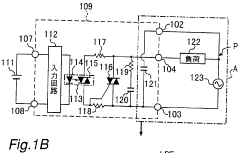
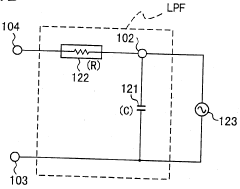
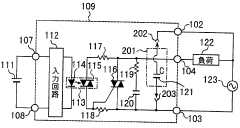
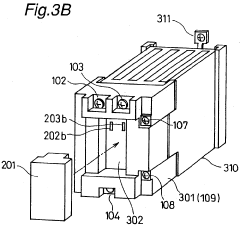
Zero Cross Solid State Relay with EMI Filter Capacitors
PatentPendingUS20250192671A1
Innovation
- A reduced size zero cross solid state relay with EMI filter capacitors is designed, featuring a current transformer, rectifier bridge, field-effect transistors, and capacitors that activate only during current conduction to filter EMI effectively.


Thermal Management Considerations for High-Power SSRs
Thermal management represents a critical aspect of solid-state relay (SSR) implementation in high-power applications, directly impacting both performance reliability and noise reduction capabilities. As power levels increase, the heat generated during switching operations intensifies significantly, creating thermal challenges that must be addressed through comprehensive design strategies.
The primary heat generation mechanism in high-power SSRs stems from conduction losses across semiconductor junctions. When handling currents exceeding 40A, these losses can produce substantial heat that, if not properly dissipated, leads to junction temperature elevation. This temperature rise not only threatens component reliability but also exacerbates electrical noise generation through increased thermal noise and altered semiconductor characteristics.
Effective thermal management solutions typically incorporate multi-layered approaches. Heat sinks with optimized fin designs represent the first line of defense, with copper-based options offering superior thermal conductivity compared to aluminum alternatives. The thermal interface between the SSR and heat sink requires careful consideration, with thermal compounds, pads, or phase-change materials selected based on application requirements and expected thermal cycling conditions.
Forced-air cooling systems become necessary in high-power applications exceeding 100A, where natural convection proves insufficient. Fan selection must balance airflow requirements with acoustic noise considerations, as cooling fans can introduce mechanical vibrations that potentially contribute to system noise. Advanced implementations may incorporate temperature-controlled variable-speed fans that adjust cooling capacity based on real-time thermal conditions.
Thermal simulation and modeling have emerged as essential design tools, enabling engineers to identify potential hotspots and optimize thermal pathways before physical prototyping. Computational fluid dynamics (CFD) analysis allows visualization of airflow patterns and temperature gradients, facilitating more effective component placement and cooling system design.
The relationship between thermal management and electrical noise reduction manifests through several mechanisms. Stable junction temperatures help maintain consistent switching characteristics, reducing timing variations that can generate noise transients. Additionally, proper thermal design prevents thermal runaway conditions where increasing temperatures lead to higher leakage currents, which in turn generate more heat and electrical noise in a destructive feedback loop.
Recent innovations in thermal management for high-power SSRs include direct liquid cooling systems for extreme power applications, thermally optimized ceramic substrates with enhanced heat spreading capabilities, and advanced packaging techniques that minimize thermal resistance between semiconductor junctions and cooling interfaces. These developments have enabled SSRs to handle increasingly higher power levels while maintaining acceptable noise profiles.
The primary heat generation mechanism in high-power SSRs stems from conduction losses across semiconductor junctions. When handling currents exceeding 40A, these losses can produce substantial heat that, if not properly dissipated, leads to junction temperature elevation. This temperature rise not only threatens component reliability but also exacerbates electrical noise generation through increased thermal noise and altered semiconductor characteristics.
Effective thermal management solutions typically incorporate multi-layered approaches. Heat sinks with optimized fin designs represent the first line of defense, with copper-based options offering superior thermal conductivity compared to aluminum alternatives. The thermal interface between the SSR and heat sink requires careful consideration, with thermal compounds, pads, or phase-change materials selected based on application requirements and expected thermal cycling conditions.
Forced-air cooling systems become necessary in high-power applications exceeding 100A, where natural convection proves insufficient. Fan selection must balance airflow requirements with acoustic noise considerations, as cooling fans can introduce mechanical vibrations that potentially contribute to system noise. Advanced implementations may incorporate temperature-controlled variable-speed fans that adjust cooling capacity based on real-time thermal conditions.
Thermal simulation and modeling have emerged as essential design tools, enabling engineers to identify potential hotspots and optimize thermal pathways before physical prototyping. Computational fluid dynamics (CFD) analysis allows visualization of airflow patterns and temperature gradients, facilitating more effective component placement and cooling system design.
The relationship between thermal management and electrical noise reduction manifests through several mechanisms. Stable junction temperatures help maintain consistent switching characteristics, reducing timing variations that can generate noise transients. Additionally, proper thermal design prevents thermal runaway conditions where increasing temperatures lead to higher leakage currents, which in turn generate more heat and electrical noise in a destructive feedback loop.
Recent innovations in thermal management for high-power SSRs include direct liquid cooling systems for extreme power applications, thermally optimized ceramic substrates with enhanced heat spreading capabilities, and advanced packaging techniques that minimize thermal resistance between semiconductor junctions and cooling interfaces. These developments have enabled SSRs to handle increasingly higher power levels while maintaining acceptable noise profiles.
EMC Standards and Compliance for Industrial SSR Applications
Electromagnetic Compatibility (EMC) standards play a crucial role in ensuring that Solid-State Relays (SSRs) operate reliably in industrial environments without causing interference to other equipment. For high-power applications, compliance with these standards becomes even more critical due to the increased potential for electromagnetic interference (EMI) generation.
The International Electrotechnical Commission (IEC) has established several standards specifically applicable to SSRs in industrial settings. IEC 60947-4-3 addresses the EMC requirements for semiconductor controllers and contactors for non-motor loads, directly applicable to industrial SSRs. This standard defines both emission and immunity requirements that manufacturers must meet to ensure their products can operate in harsh industrial environments.
In North America, UL 508 serves as the primary standard for industrial control equipment, including SSRs. Additionally, the Federal Communications Commission (FCC) Part 15 regulates electromagnetic emissions from industrial devices. European markets require compliance with the EMC Directive 2014/30/EU, with harmonized standards such as EN 61000-6-2 for immunity in industrial environments and EN 61000-6-4 for emissions.
For noise reduction in high-power SSR applications, these standards typically specify limits for conducted emissions (CE) in the frequency range of 150 kHz to 30 MHz and radiated emissions (RE) from 30 MHz to 1 GHz. Compliance testing involves measuring emissions using a Line Impedance Stabilization Network (LISN) for conducted emissions and antennas in an anechoic chamber for radiated emissions.
Industrial SSRs must also demonstrate immunity to various electromagnetic disturbances. IEC 61000-4 series standards define test methods for electrostatic discharge (ESD) immunity, radiated RF immunity, electrical fast transient (EFT) immunity, surge immunity, and immunity to conducted disturbances. High-power SSR applications typically require higher immunity levels, often classified as "industrial environment" or "heavy industrial environment" in the standards.
Achieving EMC compliance for high-power SSR applications requires comprehensive design strategies. These include proper PCB layout techniques, adequate filtering components, appropriate shielding methods, and careful grounding schemes. Manufacturers must document their compliance through test reports from accredited laboratories, and many regions require formal certification before products can be marketed.
As industrial environments evolve with increasing power densities and the proliferation of sensitive electronic equipment, EMC standards continue to evolve. Recent updates have focused on higher frequency emissions (up to 6 GHz) to address potential interference with wireless communication systems and stricter limits for conducted emissions to protect increasingly sensitive industrial networks.
The International Electrotechnical Commission (IEC) has established several standards specifically applicable to SSRs in industrial settings. IEC 60947-4-3 addresses the EMC requirements for semiconductor controllers and contactors for non-motor loads, directly applicable to industrial SSRs. This standard defines both emission and immunity requirements that manufacturers must meet to ensure their products can operate in harsh industrial environments.
In North America, UL 508 serves as the primary standard for industrial control equipment, including SSRs. Additionally, the Federal Communications Commission (FCC) Part 15 regulates electromagnetic emissions from industrial devices. European markets require compliance with the EMC Directive 2014/30/EU, with harmonized standards such as EN 61000-6-2 for immunity in industrial environments and EN 61000-6-4 for emissions.
For noise reduction in high-power SSR applications, these standards typically specify limits for conducted emissions (CE) in the frequency range of 150 kHz to 30 MHz and radiated emissions (RE) from 30 MHz to 1 GHz. Compliance testing involves measuring emissions using a Line Impedance Stabilization Network (LISN) for conducted emissions and antennas in an anechoic chamber for radiated emissions.
Industrial SSRs must also demonstrate immunity to various electromagnetic disturbances. IEC 61000-4 series standards define test methods for electrostatic discharge (ESD) immunity, radiated RF immunity, electrical fast transient (EFT) immunity, surge immunity, and immunity to conducted disturbances. High-power SSR applications typically require higher immunity levels, often classified as "industrial environment" or "heavy industrial environment" in the standards.
Achieving EMC compliance for high-power SSR applications requires comprehensive design strategies. These include proper PCB layout techniques, adequate filtering components, appropriate shielding methods, and careful grounding schemes. Manufacturers must document their compliance through test reports from accredited laboratories, and many regions require formal certification before products can be marketed.
As industrial environments evolve with increasing power densities and the proliferation of sensitive electronic equipment, EMC standards continue to evolve. Recent updates have focused on higher frequency emissions (up to 6 GHz) to address potential interference with wireless communication systems and stricter limits for conducted emissions to protect increasingly sensitive industrial networks.
Unlock deeper insights with Patsnap Eureka Quick Research — get a full tech report to explore trends and direct your research. Try now!
Generate Your Research Report Instantly with AI Agent
Supercharge your innovation with Patsnap Eureka AI Agent Platform!