Solid-State Relay System Compatibility: Evaluation Criteria
SEP 19, 20259 MIN READ
Generate Your Research Report Instantly with AI Agent
Patsnap Eureka helps you evaluate technical feasibility & market potential.
SSR Technology Background and Objectives
Solid-state relay (SSR) technology has evolved significantly since its inception in the 1970s as an alternative to electromechanical relays. The fundamental principle behind SSRs involves using semiconductor devices to switch electrical loads without moving parts, offering advantages in reliability, longevity, and switching speed. The evolution of SSR technology has been closely tied to advancements in power semiconductor devices, particularly thyristors, triacs, MOSFETs, and IGBTs, which have enabled increasingly efficient and versatile relay designs.
Early SSRs primarily utilized thyristors and were limited to AC applications with significant limitations in switching capabilities and thermal management. The introduction of improved semiconductor materials and manufacturing techniques in the 1980s and 1990s expanded SSR applications across industrial automation, telecommunications, and consumer electronics sectors. Recent developments have focused on enhancing integration with digital control systems and addressing electromagnetic compatibility challenges.
The current technological trajectory points toward miniaturization, increased power density, and improved thermal performance. Industry trends indicate growing demand for SSRs capable of handling higher voltages and currents while maintaining compact form factors. Additionally, there is increasing emphasis on SSRs with enhanced diagnostic capabilities, network connectivity, and compatibility with Industry 4.0 frameworks.
The primary objective of this technical research is to establish comprehensive evaluation criteria for solid-state relay system compatibility across diverse application environments. These criteria aim to address the growing complexity of modern electrical systems where SSRs must interface with both legacy equipment and cutting-edge digital control systems. Specific goals include identifying key performance parameters that determine compatibility, developing standardized testing methodologies, and creating a framework for predicting long-term reliability in mixed-technology environments.
Another critical objective is to analyze the impact of varying electrical characteristics on SSR performance, including load types (resistive, inductive, capacitive), switching frequencies, ambient conditions, and power quality factors. This research seeks to bridge the gap between theoretical specifications and real-world performance, providing system designers with practical tools for SSR selection and implementation.
The technological goals extend to exploring emerging semiconductor materials such as silicon carbide (SiC) and gallium nitride (GaN), which promise to overcome current limitations in switching speed, power handling, and thermal performance. By establishing forward-looking compatibility criteria, this research aims to support the industry transition toward these advanced technologies while maintaining interoperability with existing systems.
Early SSRs primarily utilized thyristors and were limited to AC applications with significant limitations in switching capabilities and thermal management. The introduction of improved semiconductor materials and manufacturing techniques in the 1980s and 1990s expanded SSR applications across industrial automation, telecommunications, and consumer electronics sectors. Recent developments have focused on enhancing integration with digital control systems and addressing electromagnetic compatibility challenges.
The current technological trajectory points toward miniaturization, increased power density, and improved thermal performance. Industry trends indicate growing demand for SSRs capable of handling higher voltages and currents while maintaining compact form factors. Additionally, there is increasing emphasis on SSRs with enhanced diagnostic capabilities, network connectivity, and compatibility with Industry 4.0 frameworks.
The primary objective of this technical research is to establish comprehensive evaluation criteria for solid-state relay system compatibility across diverse application environments. These criteria aim to address the growing complexity of modern electrical systems where SSRs must interface with both legacy equipment and cutting-edge digital control systems. Specific goals include identifying key performance parameters that determine compatibility, developing standardized testing methodologies, and creating a framework for predicting long-term reliability in mixed-technology environments.
Another critical objective is to analyze the impact of varying electrical characteristics on SSR performance, including load types (resistive, inductive, capacitive), switching frequencies, ambient conditions, and power quality factors. This research seeks to bridge the gap between theoretical specifications and real-world performance, providing system designers with practical tools for SSR selection and implementation.
The technological goals extend to exploring emerging semiconductor materials such as silicon carbide (SiC) and gallium nitride (GaN), which promise to overcome current limitations in switching speed, power handling, and thermal performance. By establishing forward-looking compatibility criteria, this research aims to support the industry transition toward these advanced technologies while maintaining interoperability with existing systems.
Market Demand Analysis for SSR Systems
The global market for Solid-State Relay (SSR) systems has experienced significant growth in recent years, driven primarily by increasing industrial automation, smart grid implementations, and the expansion of renewable energy infrastructure. Market research indicates that the SSR market reached approximately $1.2 billion in 2022 and is projected to grow at a compound annual growth rate (CAGR) of 6.8% through 2028, potentially reaching $1.8 billion by the end of the forecast period.
Industrial automation represents the largest application segment, accounting for nearly 40% of the total market share. This dominance stems from the superior performance characteristics of SSRs compared to electromechanical relays, including faster switching speeds, longer operational lifespans, and enhanced reliability in high-frequency switching environments. Manufacturing facilities are increasingly adopting SSRs to improve production efficiency and reduce maintenance costs.
The energy sector has emerged as the fastest-growing market segment for SSR systems, with a CAGR exceeding 8%. This growth is primarily attributed to the global transition toward renewable energy sources and smart grid infrastructure. Solar inverters, wind turbine control systems, and energy storage solutions all require reliable switching components that can handle variable loads and frequent cycling—requirements that SSRs meet effectively.
Regional analysis reveals that Asia-Pacific currently leads the market with approximately 35% share, followed by North America (28%) and Europe (25%). China and India are experiencing the most rapid growth rates due to accelerated industrial modernization and significant investments in power infrastructure. The North American market is primarily driven by automation in manufacturing and the ongoing grid modernization initiatives.
Customer demand patterns indicate a growing preference for SSRs with enhanced compatibility features. End-users increasingly require systems that can seamlessly integrate with existing infrastructure while supporting future technological advancements. Specifically, there is rising demand for SSRs with standardized communication protocols, wider operating temperature ranges, and improved immunity to electrical noise and interference.
Market surveys reveal that approximately 65% of industrial customers consider compatibility with legacy systems as "very important" or "critical" when selecting new SSR solutions. Additionally, 78% of respondents indicated that future-proofing capabilities significantly influence their purchasing decisions. This trend underscores the importance of developing comprehensive compatibility evaluation criteria that address both backward compatibility and forward adaptability.
Industrial automation represents the largest application segment, accounting for nearly 40% of the total market share. This dominance stems from the superior performance characteristics of SSRs compared to electromechanical relays, including faster switching speeds, longer operational lifespans, and enhanced reliability in high-frequency switching environments. Manufacturing facilities are increasingly adopting SSRs to improve production efficiency and reduce maintenance costs.
The energy sector has emerged as the fastest-growing market segment for SSR systems, with a CAGR exceeding 8%. This growth is primarily attributed to the global transition toward renewable energy sources and smart grid infrastructure. Solar inverters, wind turbine control systems, and energy storage solutions all require reliable switching components that can handle variable loads and frequent cycling—requirements that SSRs meet effectively.
Regional analysis reveals that Asia-Pacific currently leads the market with approximately 35% share, followed by North America (28%) and Europe (25%). China and India are experiencing the most rapid growth rates due to accelerated industrial modernization and significant investments in power infrastructure. The North American market is primarily driven by automation in manufacturing and the ongoing grid modernization initiatives.
Customer demand patterns indicate a growing preference for SSRs with enhanced compatibility features. End-users increasingly require systems that can seamlessly integrate with existing infrastructure while supporting future technological advancements. Specifically, there is rising demand for SSRs with standardized communication protocols, wider operating temperature ranges, and improved immunity to electrical noise and interference.
Market surveys reveal that approximately 65% of industrial customers consider compatibility with legacy systems as "very important" or "critical" when selecting new SSR solutions. Additionally, 78% of respondents indicated that future-proofing capabilities significantly influence their purchasing decisions. This trend underscores the importance of developing comprehensive compatibility evaluation criteria that address both backward compatibility and forward adaptability.
Current SSR Technology Landscape and Challenges
Solid-state relay (SSR) technology has evolved significantly over the past decades, transitioning from simple switching devices to sophisticated power management solutions. The current landscape is characterized by diverse implementations across multiple industries, with varying degrees of integration and performance specifications. Modern SSRs predominantly utilize semiconductor materials such as silicon, silicon carbide (SiC), and gallium nitride (GaN), each offering distinct advantages in terms of switching speed, power handling capability, and thermal performance.
The global SSR market is experiencing robust growth, driven by increasing automation in industrial processes and the expanding adoption of smart grid technologies. Market segmentation reveals specialized applications in automotive systems, industrial controls, medical equipment, and renewable energy installations, each with unique compatibility requirements and performance expectations.
Despite technological advancements, several significant challenges persist in current SSR implementations. Thermal management remains a critical concern, as heat dissipation directly impacts reliability and operational lifespan. Most contemporary SSRs exhibit temperature-dependent performance characteristics, necessitating careful system design considerations. Additionally, electromagnetic compatibility (EMC) issues continue to challenge designers, particularly in environments with sensitive electronic equipment or stringent regulatory requirements.
Voltage transient immunity represents another substantial challenge, with many SSRs demonstrating vulnerability to power surges and electrical noise. This susceptibility can lead to false triggering or component damage in unstable power environments. Furthermore, the trade-off between switching speed and power handling capability continues to constrain application flexibility, forcing engineers to prioritize certain performance aspects over others.
Standardization issues further complicate the SSR landscape, with inconsistent specifications across manufacturers creating compatibility hurdles for system integrators. The absence of universally accepted evaluation criteria makes objective performance comparison difficult, often resulting in suboptimal component selection decisions.
Recent technological developments have introduced hybrid solutions that combine mechanical and solid-state elements to mitigate specific limitations. These innovations, while promising, introduce additional complexity to compatibility assessment frameworks. Similarly, the integration of diagnostic capabilities and communication interfaces in modern SSRs, while enhancing functionality, creates new interoperability challenges that must be addressed through comprehensive evaluation methodologies.
The geographical distribution of SSR technology development shows concentration in East Asia for manufacturing, while North America and Europe lead in research and innovation, particularly for specialized applications. This distribution creates regional variations in available technologies and compatibility standards that must be considered in global deployment scenarios.
The global SSR market is experiencing robust growth, driven by increasing automation in industrial processes and the expanding adoption of smart grid technologies. Market segmentation reveals specialized applications in automotive systems, industrial controls, medical equipment, and renewable energy installations, each with unique compatibility requirements and performance expectations.
Despite technological advancements, several significant challenges persist in current SSR implementations. Thermal management remains a critical concern, as heat dissipation directly impacts reliability and operational lifespan. Most contemporary SSRs exhibit temperature-dependent performance characteristics, necessitating careful system design considerations. Additionally, electromagnetic compatibility (EMC) issues continue to challenge designers, particularly in environments with sensitive electronic equipment or stringent regulatory requirements.
Voltage transient immunity represents another substantial challenge, with many SSRs demonstrating vulnerability to power surges and electrical noise. This susceptibility can lead to false triggering or component damage in unstable power environments. Furthermore, the trade-off between switching speed and power handling capability continues to constrain application flexibility, forcing engineers to prioritize certain performance aspects over others.
Standardization issues further complicate the SSR landscape, with inconsistent specifications across manufacturers creating compatibility hurdles for system integrators. The absence of universally accepted evaluation criteria makes objective performance comparison difficult, often resulting in suboptimal component selection decisions.
Recent technological developments have introduced hybrid solutions that combine mechanical and solid-state elements to mitigate specific limitations. These innovations, while promising, introduce additional complexity to compatibility assessment frameworks. Similarly, the integration of diagnostic capabilities and communication interfaces in modern SSRs, while enhancing functionality, creates new interoperability challenges that must be addressed through comprehensive evaluation methodologies.
The geographical distribution of SSR technology development shows concentration in East Asia for manufacturing, while North America and Europe lead in research and innovation, particularly for specialized applications. This distribution creates regional variations in available technologies and compatibility standards that must be considered in global deployment scenarios.
Current SSR Compatibility Solutions
01 Compatibility with different voltage and current systems
Solid-state relay systems can be designed to be compatible with various voltage and current requirements. These systems incorporate components that allow them to operate across different electrical specifications, ensuring compatibility with both AC and DC systems. The design includes voltage regulation circuits and current limiting features that enable safe operation across diverse electrical environments, making them versatile for integration into various applications.- Compatibility with different voltage and current systems: Solid-state relay systems can be designed to be compatible with various voltage and current requirements. These systems incorporate components that allow them to operate across different electrical specifications, ensuring compatibility with both AC and DC systems. The design includes voltage regulation circuits and current limiting features that enable safe operation across diverse electrical environments, making them versatile for integration into various applications.
- Thermal management for system compatibility: Effective thermal management is crucial for solid-state relay system compatibility. These systems incorporate heat dissipation mechanisms such as heat sinks, thermal pads, and strategic component placement to maintain operational temperatures within safe limits. Proper thermal design ensures reliable operation in various environmental conditions and prevents thermal-related failures that could affect system compatibility and longevity.
- Integration with control and monitoring systems: Solid-state relay systems can be designed to integrate seamlessly with various control and monitoring systems. These relays incorporate communication interfaces and protocols that allow them to be controlled by and report status to external systems. Features such as feedback mechanisms, status indicators, and digital interfaces enable compatibility with programmable logic controllers, SCADA systems, and other industrial control architectures.
- Protection features for enhanced compatibility: To ensure compatibility across different applications, solid-state relay systems incorporate various protection features. These include overvoltage protection, overcurrent protection, short circuit protection, and isolation mechanisms. Such protective elements allow the relay systems to operate safely in harsh electrical environments and prevent damage to connected equipment, enhancing overall system compatibility and reliability.
- Miniaturization and form factor compatibility: Modern solid-state relay systems are designed with miniaturization in mind to ensure physical compatibility with various installation environments. Compact designs, standardized mounting options, and modular configurations allow these relays to fit into existing systems with space constraints. Advanced manufacturing techniques and integrated circuit technologies enable high-density packaging while maintaining electrical performance and thermal management capabilities.
02 Thermal management for system compatibility
Effective thermal management is crucial for solid-state relay system compatibility. These systems incorporate heat dissipation mechanisms such as heat sinks, thermal pads, and optimized component layouts to prevent overheating during operation. Proper thermal design ensures reliable performance across various operating conditions and environments, extending the lifespan of the relay system and maintaining compatibility with surrounding components and systems.Expand Specific Solutions03 Interface compatibility with control systems
Solid-state relay systems are designed with interfaces that ensure compatibility with various control systems. These interfaces include digital and analog input capabilities, standardized communication protocols, and signal conditioning circuits. Such design features allow the relay systems to integrate seamlessly with programmable logic controllers (PLCs), microcontrollers, and other industrial control systems, facilitating easy implementation in automated environments.Expand Specific Solutions04 Electromagnetic compatibility and noise immunity
Solid-state relay systems incorporate features to ensure electromagnetic compatibility and noise immunity in various operating environments. These systems include filtering circuits, shielding techniques, and isolation mechanisms to prevent electromagnetic interference from affecting relay operation or causing disruption to nearby equipment. Such design considerations ensure reliable operation in electrically noisy industrial environments and compliance with electromagnetic compatibility standards.Expand Specific Solutions05 Modular design for system integration
Modular design approaches enhance the compatibility of solid-state relay systems with various applications. These systems feature standardized form factors, plug-and-play capabilities, and configurable parameters that allow for easy integration into existing equipment or new designs. The modular architecture enables customization to meet specific application requirements while maintaining compatibility with industry standards and facilitating system upgrades or modifications.Expand Specific Solutions
Key Industry Players in SSR Manufacturing
The solid-state relay system compatibility market is currently in a growth phase, with increasing adoption across power grid, automotive, and industrial sectors. The market is projected to expand significantly due to the rising demand for reliable switching solutions in smart grid applications. Key players like State Grid Corp. of China and China Southern Power Grid are driving large-scale implementation in national infrastructure projects, while technology innovators such as Contemporary Amperex Technology and EVE Energy are advancing compatibility solutions for energy storage systems. Research institutions including Harbin Institute of Technology and Zhejiang University are contributing to technical maturity through collaborative R&D efforts with industry partners. The technology is approaching maturity in traditional applications but continues to evolve for emerging use cases in renewable energy integration and electric vehicle charging infrastructure.
State Grid Corp. of China
Technical Solution: State Grid Corporation of China has developed an advanced Solid-State Relay (SSR) system that integrates digital control technology with power electronics for enhanced grid reliability. Their solution employs silicon-controlled rectifiers (SCRs) and insulated-gate bipolar transistors (IGBTs) to achieve faster switching speeds (typically <1ms) compared to traditional electromechanical relays. The system incorporates sophisticated thermal management through aluminum nitride ceramic substrates with thermal conductivity of 170 W/m·K, effectively dissipating heat generated during high-current operations. State Grid's SSRs feature galvanic isolation between control and power circuits using optocouplers with Common Mode Rejection Ratio (CMRR) exceeding 15kV/μs, ensuring robust operation in high-voltage environments. Their compatibility evaluation framework addresses electromagnetic compatibility (EMC) with immunity to conducted disturbances up to 10V/m, and includes comprehensive testing protocols for voltage transients, harmonics, and environmental factors.
Strengths: Superior integration with existing grid infrastructure; extensive field testing across diverse operating conditions; advanced thermal management capabilities. Weaknesses: Higher initial implementation costs compared to traditional relays; requires specialized maintenance expertise; potential for increased complexity in troubleshooting.
State Grid Shanghai Municipal Electric Power Co.
Technical Solution: State Grid Shanghai Municipal Electric Power Company has implemented an innovative Solid-State Relay compatibility system designed specifically for dense urban power distribution networks. Their solution features a hybrid approach combining traditional electromechanical components with advanced semiconductor switching elements, achieving optimal balance between reliability and performance. The company's SSR implementation utilizes silicon-controlled rectifiers with snubber circuits that limit dv/dt to 500V/μs, minimizing electromagnetic interference in congested urban environments. Their compatibility evaluation framework addresses unique challenges of urban deployment, including limited installation space, elevated ambient temperatures, and proximity to sensitive electronic equipment. The system incorporates sophisticated monitoring capabilities that track key parameters including on-state voltage drop (maintained below 1.5V at rated current), leakage current (less than 5mA), and switching characteristics. Their evaluation criteria emphasize integration with existing urban infrastructure, including compatibility with legacy protection schemes and communication with centralized SCADA systems through multiple protocols (DNP3, Modbus, IEC 60870-5).
Strengths: Optimized for dense urban deployment scenarios; excellent electromagnetic compatibility characteristics; comprehensive integration with existing urban grid infrastructure. Weaknesses: Hybrid approach results in larger form factor than pure solid-state solutions; moderate switching speed limitations; higher maintenance requirements than fully solid-state alternatives.
Critical Patents and Technical Innovations in SSR
Micro electromagnetically actuated latched switches
PatentActiveUS20170301493A1
Innovation
- The development of electromagnetically actuated latched micro relay switches that can transmit up to 50 W of power and carry 10 A of current within a volume of less than 100 mm3, utilizing printed circuit boards and laminates to create rugged, conductive contacts and integrate magnetic components for low-voltage actuation and zero-power latching.


Radiation tolerant solid-state relay
PatentInactiveUS7495498B2
Innovation
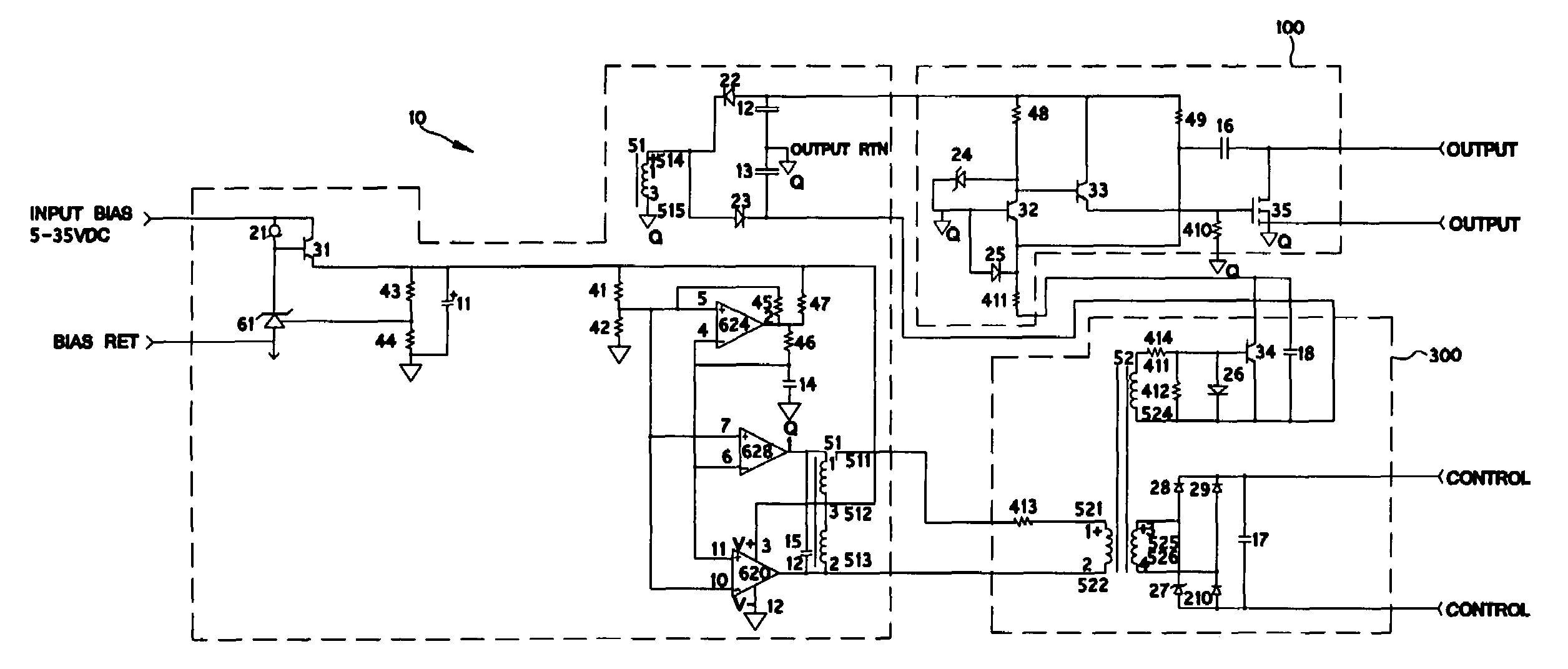
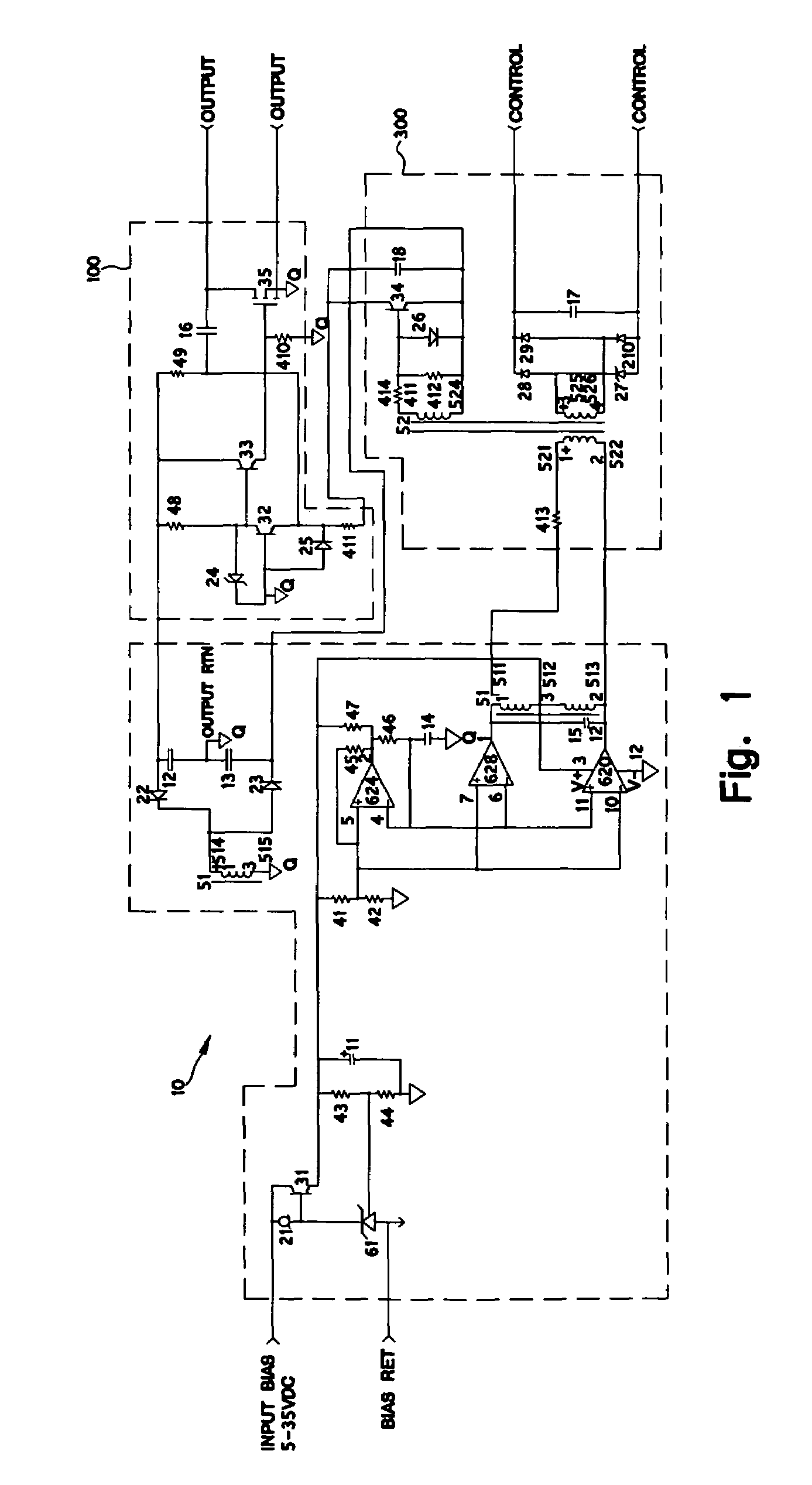
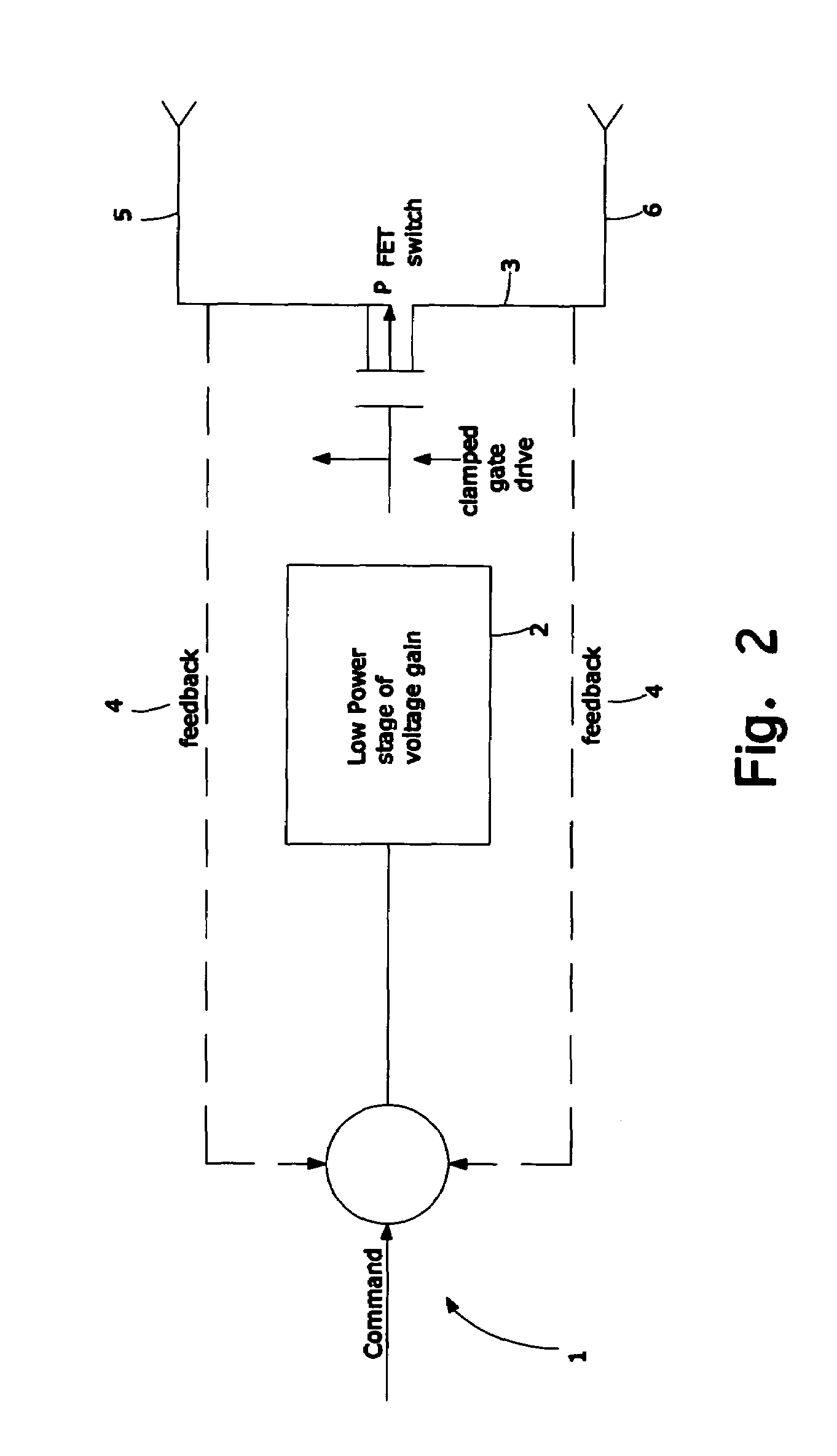
- A radiation-tolerant solid-state relay circuit using non-radiation hardened P-channel MOSFETs with a bias, control, and power-switching section, where the gate drive signal is optimized to maintain channel saturation without exceeding breakdown voltage, allowing the circuit to function across a wide range of radiation exposure.
Reliability Testing Standards for SSR Systems
Reliability testing standards for Solid-State Relay (SSR) systems have evolved significantly to address the unique characteristics and failure modes of these semiconductor-based switching devices. The International Electrotechnical Commission (IEC) has established IEC 62314 as the primary standard for SSR testing, which outlines comprehensive procedures for evaluating electrical, thermal, and mechanical reliability. This standard requires SSRs to undergo rigorous thermal cycling tests (typically -40°C to +125°C) for a minimum of 1,000 cycles to verify operational stability across temperature extremes.
The IEEE 1836 standard complements IEC requirements by focusing specifically on SSR performance in industrial automation environments, where electromagnetic interference and power quality issues are prevalent. These standards mandate surge immunity testing according to IEC 61000-4-5, requiring SSRs to withstand voltage surges of 1-4kV depending on the application environment classification.
Accelerated life testing represents a critical component of SSR reliability assessment, with industry benchmarks requiring devices to demonstrate Mean Time Between Failures (MTBF) ratings exceeding 100,000 hours under nominal operating conditions. The Arrhenius equation is commonly applied to extrapolate failure rates at elevated temperatures to normal operating conditions, with an activation energy typically between 0.7-1.1 eV for semiconductor devices.
Switching endurance testing constitutes another fundamental reliability metric, with standards requiring SSRs to complete a minimum of 10 million operations under rated load conditions without performance degradation. For AC applications, zero-crossing switching capability must maintain consistent timing within ±500μs throughout the endurance test to prevent transient overvoltage conditions.
Environmental testing protocols have been expanded in recent standards revisions to address emerging application requirements. These include salt fog exposure (ASTM B117) for maritime applications, vibration resistance testing (IEC 60068-2-6) for transportation systems, and humidity cycling (85% RH at 85°C) for outdoor installation scenarios. Compliance with these environmental standards is increasingly becoming a contractual requirement rather than merely a recommended practice.
Electromagnetic Compatibility (EMC) testing has gained prominence in SSR reliability assessment, with standards requiring immunity to conducted and radiated electromagnetic disturbances per IEC 61000-4-3 and IEC 61000-4-6. These tests ensure SSRs maintain specified performance levels when exposed to RF fields (80MHz-1GHz at 10V/m) and conducted disturbances (150kHz-80MHz at 10V), which are common in industrial environments.
The IEEE 1836 standard complements IEC requirements by focusing specifically on SSR performance in industrial automation environments, where electromagnetic interference and power quality issues are prevalent. These standards mandate surge immunity testing according to IEC 61000-4-5, requiring SSRs to withstand voltage surges of 1-4kV depending on the application environment classification.
Accelerated life testing represents a critical component of SSR reliability assessment, with industry benchmarks requiring devices to demonstrate Mean Time Between Failures (MTBF) ratings exceeding 100,000 hours under nominal operating conditions. The Arrhenius equation is commonly applied to extrapolate failure rates at elevated temperatures to normal operating conditions, with an activation energy typically between 0.7-1.1 eV for semiconductor devices.
Switching endurance testing constitutes another fundamental reliability metric, with standards requiring SSRs to complete a minimum of 10 million operations under rated load conditions without performance degradation. For AC applications, zero-crossing switching capability must maintain consistent timing within ±500μs throughout the endurance test to prevent transient overvoltage conditions.
Environmental testing protocols have been expanded in recent standards revisions to address emerging application requirements. These include salt fog exposure (ASTM B117) for maritime applications, vibration resistance testing (IEC 60068-2-6) for transportation systems, and humidity cycling (85% RH at 85°C) for outdoor installation scenarios. Compliance with these environmental standards is increasingly becoming a contractual requirement rather than merely a recommended practice.
Electromagnetic Compatibility (EMC) testing has gained prominence in SSR reliability assessment, with standards requiring immunity to conducted and radiated electromagnetic disturbances per IEC 61000-4-3 and IEC 61000-4-6. These tests ensure SSRs maintain specified performance levels when exposed to RF fields (80MHz-1GHz at 10V/m) and conducted disturbances (150kHz-80MHz at 10V), which are common in industrial environments.
Thermal Management Considerations in SSR Design
Thermal management represents a critical aspect of solid-state relay (SSR) design that directly impacts system compatibility, reliability, and performance. SSRs generate heat during operation primarily due to power dissipation across semiconductor junctions, with heat generation proportional to the load current and the voltage drop across the switching element. Without proper thermal management, this heat accumulation can lead to junction temperature rise beyond the maximum rated values, resulting in performance degradation, reduced lifespan, or catastrophic failure.
The thermal resistance pathway in SSRs consists of several components: junction-to-case resistance (Rjc), case-to-heatsink resistance (Rcs), and heatsink-to-ambient resistance (Rsa). Each component contributes to the overall thermal impedance that determines how efficiently heat dissipates from the semiconductor junction to the ambient environment. Modern SSR designs incorporate various materials and structures to optimize this thermal pathway, including ceramic substrates with high thermal conductivity, thermally conductive interface materials, and optimized heat spreader geometries.
Heat dissipation techniques vary based on application requirements and environmental conditions. Passive cooling methods utilize natural convection and radiation through appropriately sized heatsinks, while active cooling employs forced air or liquid cooling systems for high-power applications. The selection of cooling method must consider factors such as available space, ambient temperature variations, airflow restrictions, and system cost constraints.
Thermal modeling and simulation have become essential tools in SSR design processes. Computational fluid dynamics (CFD) and finite element analysis (FEA) enable designers to predict temperature distributions, identify hotspots, and optimize thermal management solutions before physical prototyping. These simulation approaches help establish thermal safety margins and validate designs across various operating conditions, reducing development cycles and improving reliability.
Temperature monitoring and protection mechanisms serve as critical safeguards in SSR systems. Integrated temperature sensors, thermal fuses, and electronic temperature monitoring circuits can detect overheating conditions and trigger protective responses such as load disconnection or current limiting. These protection features must be carefully calibrated to prevent nuisance tripping while ensuring adequate protection against thermal runaway scenarios.
Environmental considerations significantly impact thermal management requirements. Factors such as installation orientation, enclosure ventilation, altitude, and ambient temperature fluctuations must be accounted for in the thermal design. SSRs deployed in sealed enclosures or high-temperature environments require more robust thermal management solutions compared to those operating in well-ventilated, temperature-controlled settings.
The thermal resistance pathway in SSRs consists of several components: junction-to-case resistance (Rjc), case-to-heatsink resistance (Rcs), and heatsink-to-ambient resistance (Rsa). Each component contributes to the overall thermal impedance that determines how efficiently heat dissipates from the semiconductor junction to the ambient environment. Modern SSR designs incorporate various materials and structures to optimize this thermal pathway, including ceramic substrates with high thermal conductivity, thermally conductive interface materials, and optimized heat spreader geometries.
Heat dissipation techniques vary based on application requirements and environmental conditions. Passive cooling methods utilize natural convection and radiation through appropriately sized heatsinks, while active cooling employs forced air or liquid cooling systems for high-power applications. The selection of cooling method must consider factors such as available space, ambient temperature variations, airflow restrictions, and system cost constraints.
Thermal modeling and simulation have become essential tools in SSR design processes. Computational fluid dynamics (CFD) and finite element analysis (FEA) enable designers to predict temperature distributions, identify hotspots, and optimize thermal management solutions before physical prototyping. These simulation approaches help establish thermal safety margins and validate designs across various operating conditions, reducing development cycles and improving reliability.
Temperature monitoring and protection mechanisms serve as critical safeguards in SSR systems. Integrated temperature sensors, thermal fuses, and electronic temperature monitoring circuits can detect overheating conditions and trigger protective responses such as load disconnection or current limiting. These protection features must be carefully calibrated to prevent nuisance tripping while ensuring adequate protection against thermal runaway scenarios.
Environmental considerations significantly impact thermal management requirements. Factors such as installation orientation, enclosure ventilation, altitude, and ambient temperature fluctuations must be accounted for in the thermal design. SSRs deployed in sealed enclosures or high-temperature environments require more robust thermal management solutions compared to those operating in well-ventilated, temperature-controlled settings.
Unlock deeper insights with Patsnap Eureka Quick Research — get a full tech report to explore trends and direct your research. Try now!
Generate Your Research Report Instantly with AI Agent
Supercharge your innovation with Patsnap Eureka AI Agent Platform!