
Methyl methacrylate block copolymer and preparation method thereof
A technology of methyl methacrylate and polymethyl methacrylate, which is applied in the field of methyl methacrylate block copolymer and its preparation, can solve the problems of not being disclosed, and achieve strong complementarity, excellent light transmittance, The effect of good application prospects
Patent Information
- Authority / Receiving Office
- CN · China
- Patent Type
- Applications(China)
- Current Assignee / Owner
- Publication Date
- 2011-01-05
- Estimated Expiration
- Not applicable · inactive patent
Smart Images
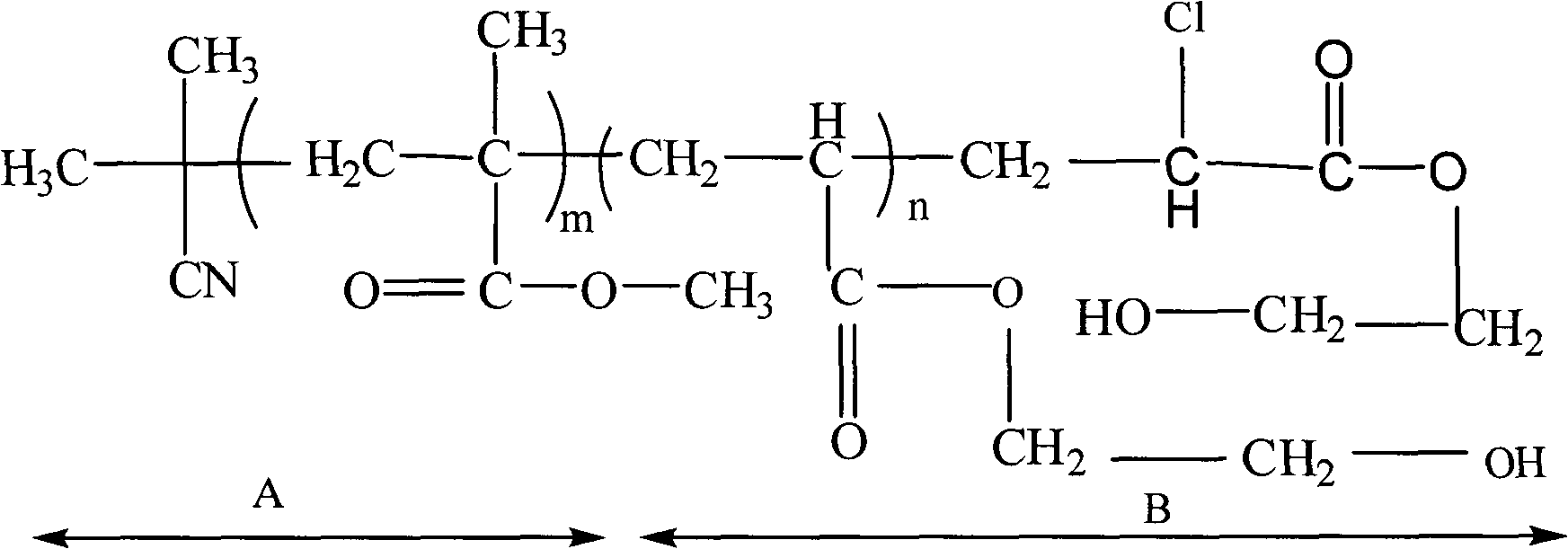
Figure 1 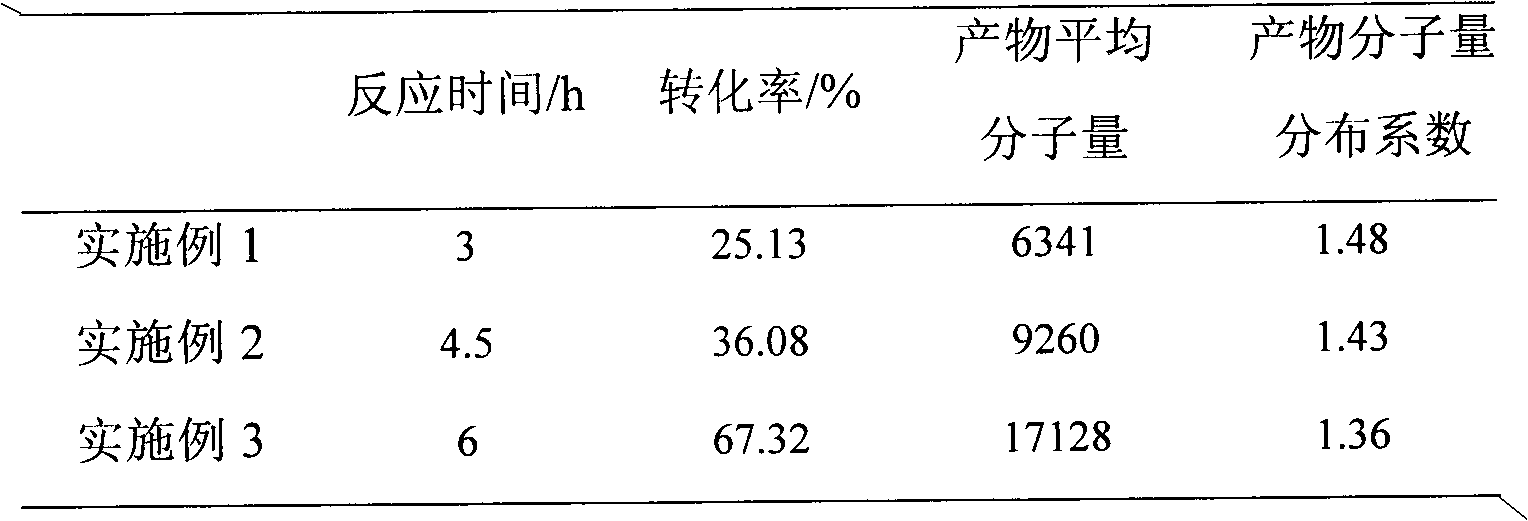
Figure 2 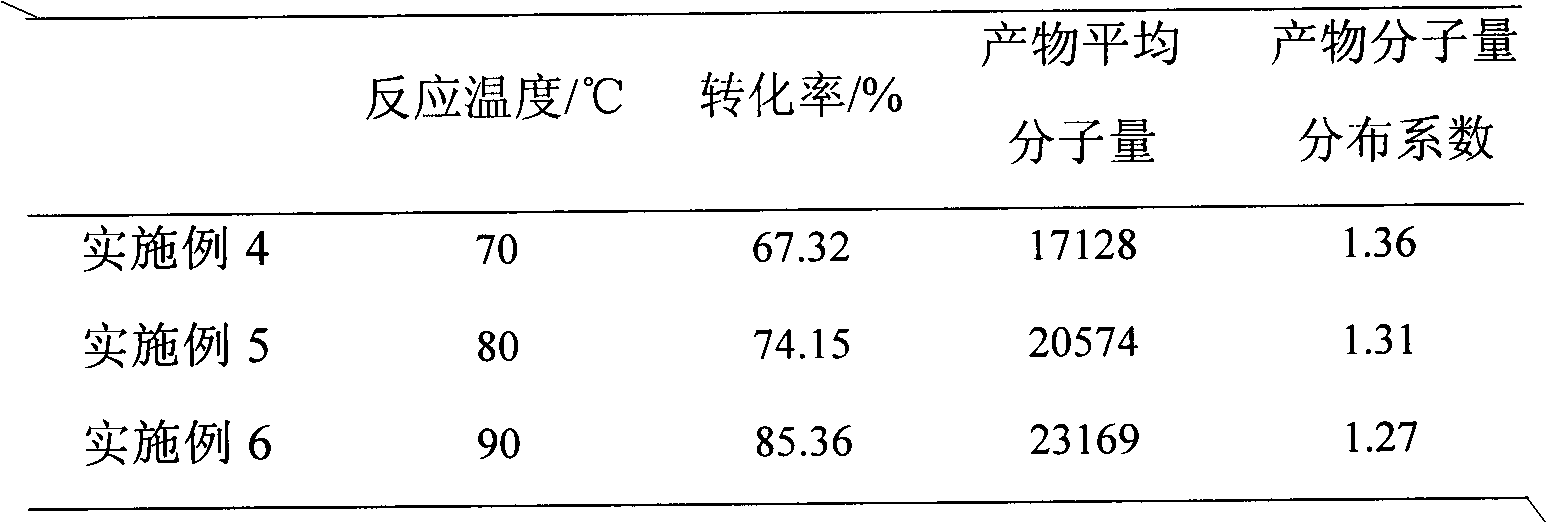
Figure 3
Abstract
Description
technical field
[0001] The present invention relates to a kind of methyl methacrylate block copolymer and preparation method thereof Background technique
[0002] Atom transfer radical polymerization, as a free radical living polymerization method, has attracted widespread attention of polymer workers at home and abroad in recent years. The synthesis of block copolymers with regular structures by atom transfer radical polymerization is the most meaningful and challenging work in the field of polymer research. Block copolymers exhibit a series of excellent properties, not only in the theory of polymer solutions , and are of great significance in practical applications.
[0003] 2-Hydroxyethyl acrylate belongs to acrylates, and has the properties of alcohol monomers. Its polymer chain contains hydroxyl groups on the side groups of each structural unit, and has good hydrophilicity and physiological compatibility. Polymethyl methacrylate has excellent light transmittance, chem...
Examples
Embodiment 1 to 3
[0023] In a three-necked flask equipped with a stirrer, add azobisisobutyronitrile, ferric chloride, triphenylphosphine, and methyl methacrylate in sequence at a molar ratio of 1:1:3:200, and then Add xylene solvent at a concentration of 1g / ml, start stirring, and pass nitrogen gas to make it completely dissolved. The reaction process still needs to continue to pass nitrogen protection. React at 80°C for 3 hours and 4.5 hours, stop the reaction after 6 hours, cool naturally, add tetrahydrofuran until the polymer is completely dissolved, pass through a neutral alumina chromatography column, precipitate the filtrate with an appropriate amount of methanol, and filter with suction to obtain the precipitate . Then the precipitate was washed three times with deionized water, and vacuum-dried at 80° C. to constant weight to obtain polymethyl methacrylate containing terminal chlorine.
Embodiment 4 to 6
[0025] In a three-necked flask equipped with a stirrer, azobisisobutyronitrile, ferric chloride, triphenylphosphine, and methyl methacrylate were sequentially added in a molar ratio of 1:1:3:500, and then Add xylene solvent at a concentration of 1g / ml, start stirring, and pass nitrogen gas to make it completely dissolved. The reaction process still needs to continue to pass nitrogen protection. React at 70°C, 80°C, and 90°C for 5 hours to stop the reaction, cool naturally, add tetrahydrofuran until the polymer is completely dissolved, and pass through a neutral alumina chromatography column. The filtrate is precipitated with an appropriate amount of methanol, and the precipitate is obtained by suction filtration. Then the precipitate was washed three times with deionized water, and dried in a vacuum oven at 80° C. to constant weight to obtain polymethyl methacrylate containing terminal chlorine.
Embodiment 7 to 9
[0027] In a three-necked flask equipped with magnetic stirring and an inert gas conduit, polymethyl methacrylate containing terminal chlorine, ferrous chloride, triphenylphosphine, acrylic acid- 2-Hydroxyethyl ester, polymethyl methacrylate containing terminal chlorine is synthesized according to the above-mentioned Example 3, the stirring is started, and nitrogen gas is passed through to make it completely dissolved, and the reaction process still needs to continue to pass nitrogen gas for protection. React at 80°C for 3 hours and 4.5 hours, stop the reaction after 6 hours, cool naturally, add tetrahydrofuran to dissolve the polymer completely, and pass through the neutral alumina chromatography column, the filtrate is precipitated with an appropriate amount of methanol, filtered with suction, A precipitate was obtained. Then the precipitate was rinsed three times with deionized water, and vacuum-dried at 80° C. to constant weight to obtain a block copolymer polymethyl methac...