
Application of nitidine chloride to preparation of medicament for resisting autoimmunity disease and graft versus host disease
A kind of chlorinated acantholine, autoimmune disease technology, applied in the direction of metabolic diseases, skin diseases, bone diseases, etc., can solve the problems of increasing the economic burden of patients, cell non-specificity, high price, etc., to save treatment costs, inhibit the occurrence and Developmental, source-rich effects
Patent Information
- Authority / Receiving Office
- CN · China
- Current Assignee / Owner
- Publication Date
- 2011-04-13
- Estimated Expiration
- Not applicable · inactive patent
Smart Images
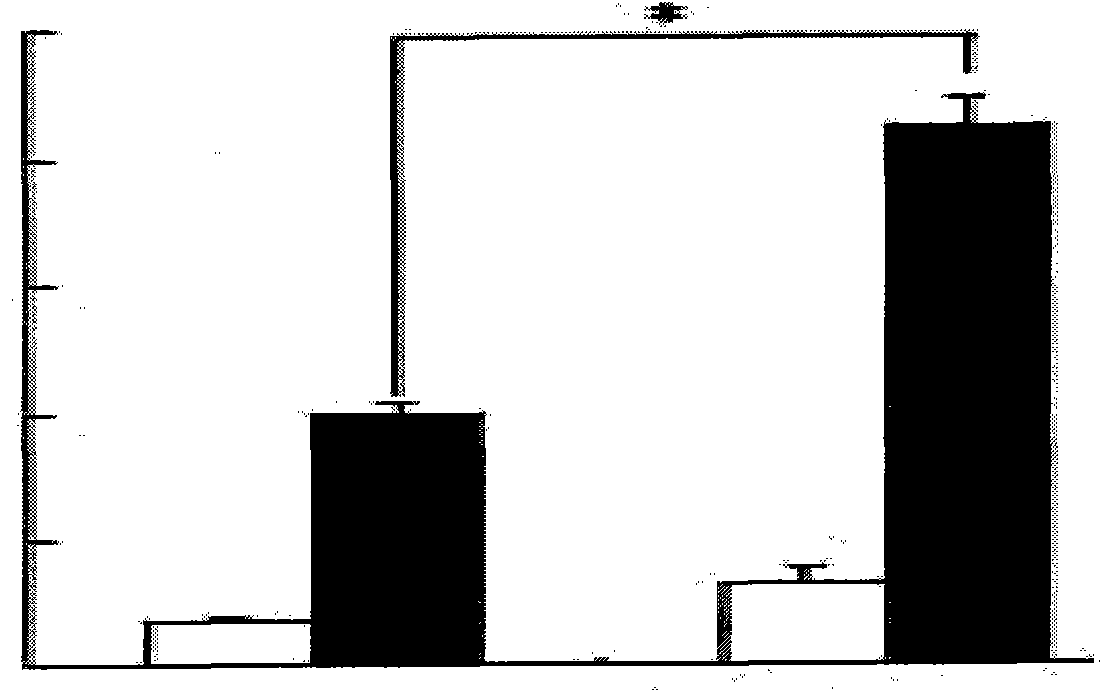
Figure 1 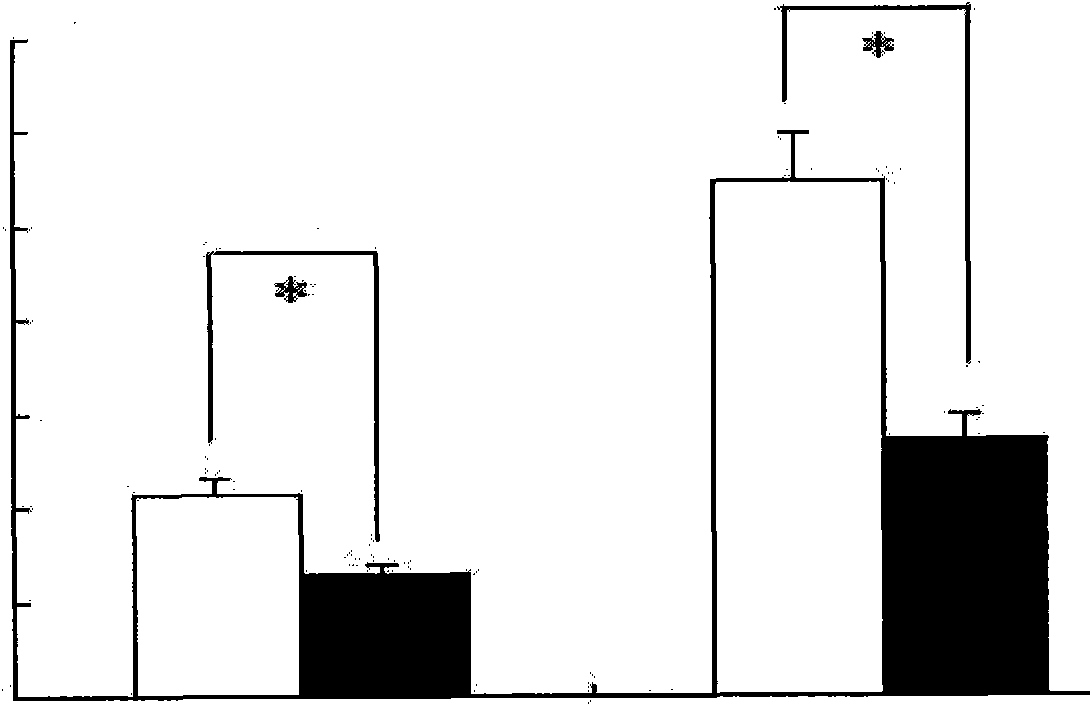
Figure 2 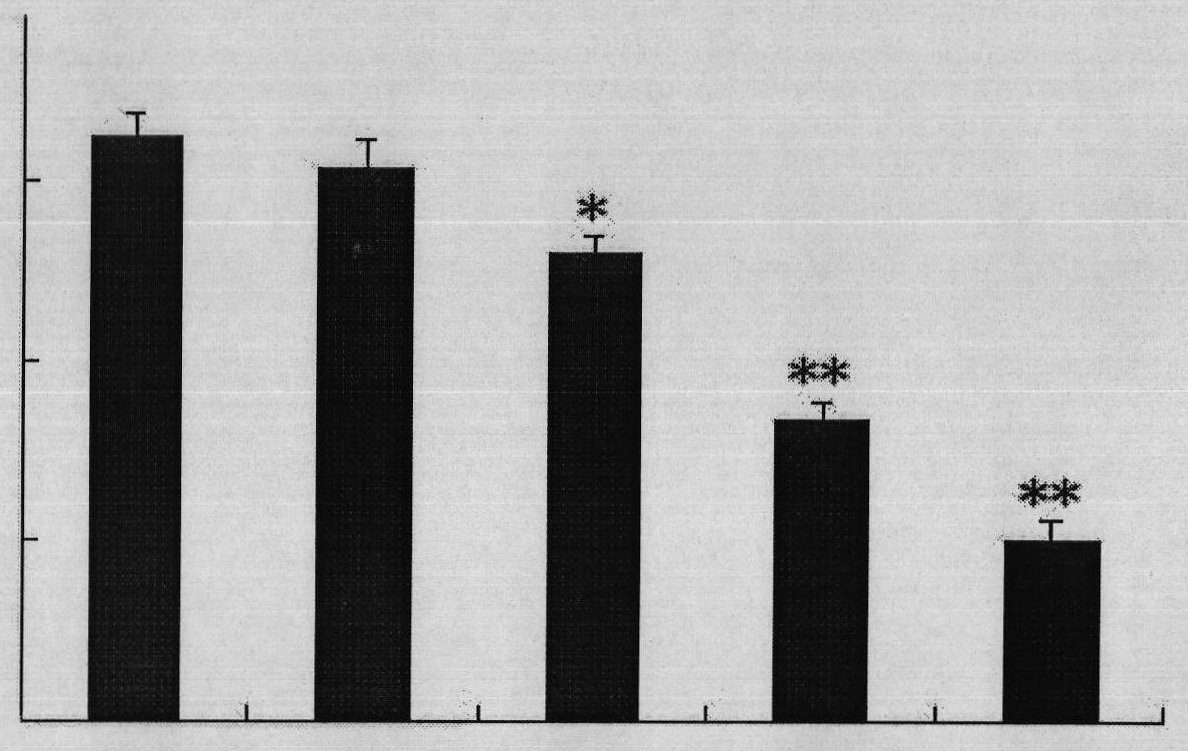
Figure 3
Abstract
Description
technical field
[0001] The present invention relates to medicines. It specifically relates to the preparation of drugs with new indications, and in particular relates to the application of Nitidine in the preparation of drugs against autoimmune diseases and transplant rejection diseases. Background technique
[0002] Existing immunosuppressants mainly contain cyclosporine A (CsA), corticosteroids, rapamycin, etc. Most of them have obvious adverse reactions, such as nephrotoxicity and non-specificity to cells, etc., and the price is high, increasing patient financial burden. How to use traditional Chinese medicine and its active ingredients to prevent and treat autoimmune diseases and transplant rejection is one of the important directions of modernization research of traditional Chinese medicine.
[0003] Chlorophyllin is an alkaloid derived from the rhizome of Rutaceae. The structural formula of chlorinated dimethicone is as shown in formula (I):
[0004]
[0005] Fo...
Examples
Embodiment 1
[0035] Example 1 In vitro culture of human dendritic cells and the treatment of dendritic cells with alkaloid chloride
[0036] Take 50ml / person of peripheral blood from healthy adults intravenously, anticoagulate with heparin, separate peripheral blood mononuclear cells by density gradient centrifugation, suspend cells in RPMI1640 (1640 medium) containing 10% calf serum, and adjust the cell concentration to 2× 10 6 / ml, add to 24-well culture plate, 0.5ml / well, incubate at 37°C, 5% CO2 for 2 hours, make the mononuclear cells adhere to the wall, wash the culture plate lightly with warm serum-free RPMI1640 to remove the adherence cells, that is, to obtain adherent monocytes. Add serum-containing RPMI1640 containing rhGM-SCF (human recombinant granulocyte colony-stimulating factor) 1000IU / ml and rhIL-4 (human recombinant interleukin 4) 800IU / ml to the culture plate, and incubate at 37°C with 5% CO2 Cultivate in the box for 5 days, add epiphyllum chloride with a final concentra...
Embodiment 2
[0038] Example 2 Effects of limpetine chloride on secretion of IL-10 by human dendritic cells
[0039] According to the method of Example 1, culture the dendritic cells of the chlorinated limpet stimulated group and the non-stimulated group, collect the supernatant, and detect the content of IL-10 wherein with the ELISA (enzyme-linked immunosorbent assay) kit of IL-10 . The concentration of IL-10 secreted by dendritic cells transformed from mononuclear cells in vitro in the stimulation group and non-stimulation group was 435 ± 22pg / ml, 92 ± 14pg / ml, and there was a significant difference (P figure 1 ).
Embodiment 3
[0040]Example 3 Isolation of T cells and the effect of dianthine chloride on the transformation of T cells
[0041] 50ml / person of healthy adult peripheral blood was extracted intravenously, anticoagulated with heparin, and peripheral blood mononuclear cells were isolated by density gradient centrifugation, cultured in RPMI1640 serum-free medium for 2 hours, suspended cells were collected, and after centrifugation, anti-human CD4+ T cells were added (anti-human CD4 positive T cells) magnetic beads, after labeling at 4°C for 30 minutes, washed once with PBS (phosphate buffer saline). After dilution with PBS, CD4+ T cells were positively sorted. Centrifuge at 2000r / min for 10min, count and adjust to 2×10 6 / ml, to obtain CD4+ T cells.
[0042] According to the method of Example 1, culture the dendritic cells of the limpet alkali chloride treated group and the untreated group, collect the DCs cultured in each group, and act with 50 μg / ml mitomycin C (MMC) at 37° C. for 45 minut...