
Quinolone derivatives and application thereof in organic light-emitting devices (OLEDs)
An organic light-emitting layer and luminescent technology, applied in the field of preparation of organic electroluminescent devices, quinolone derivatives and their preparation, can solve the problem of low fluorescence quantum efficiency
Patent Information
- Authority / Receiving Office
- CN · China
- Patent Type
- Patents(China)
- Current Assignee / Owner
- Publication Date
- 2014-06-25
- Estimated Expiration
- Not applicable · inactive patent
Smart Images
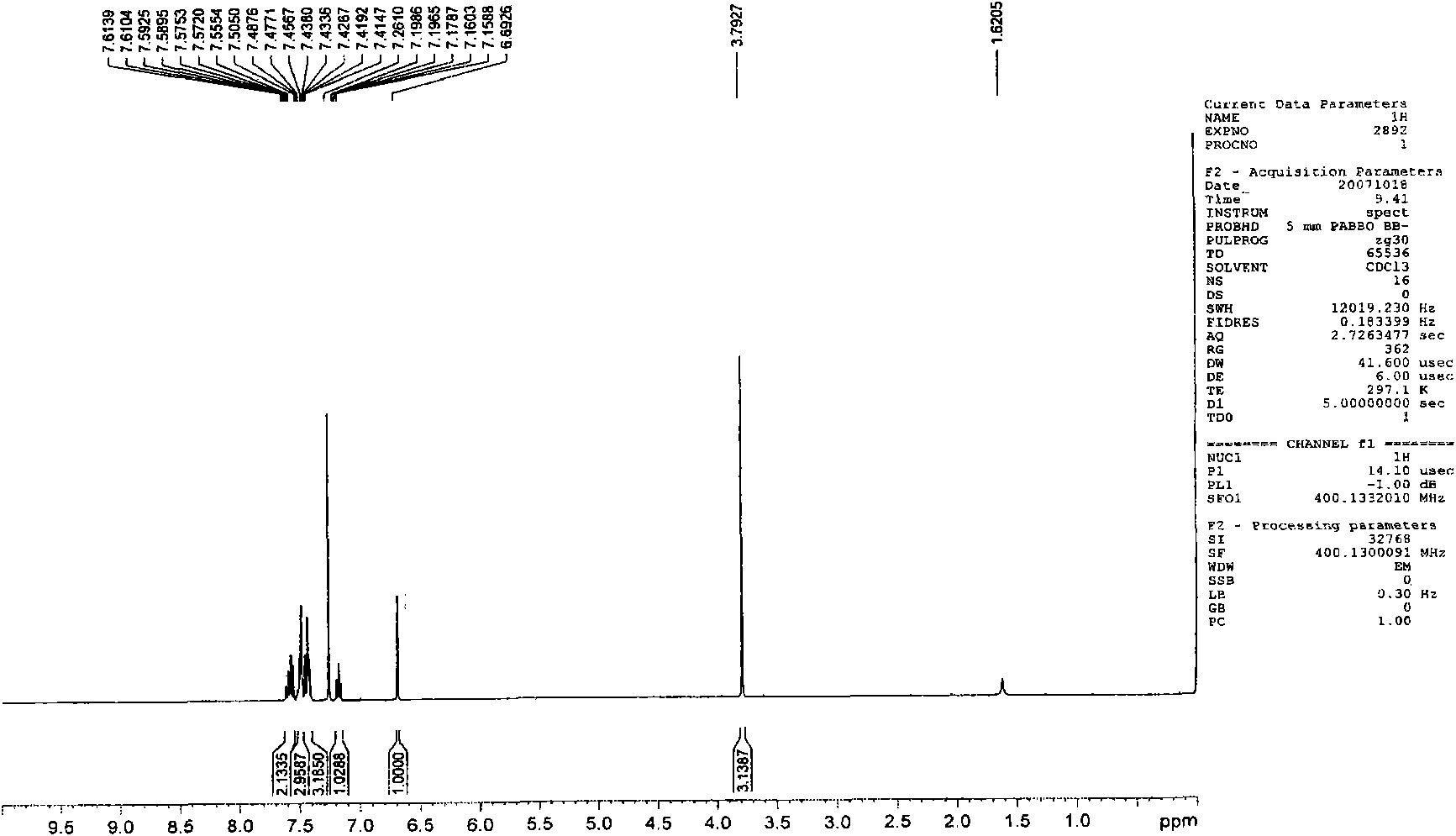
Figure 1 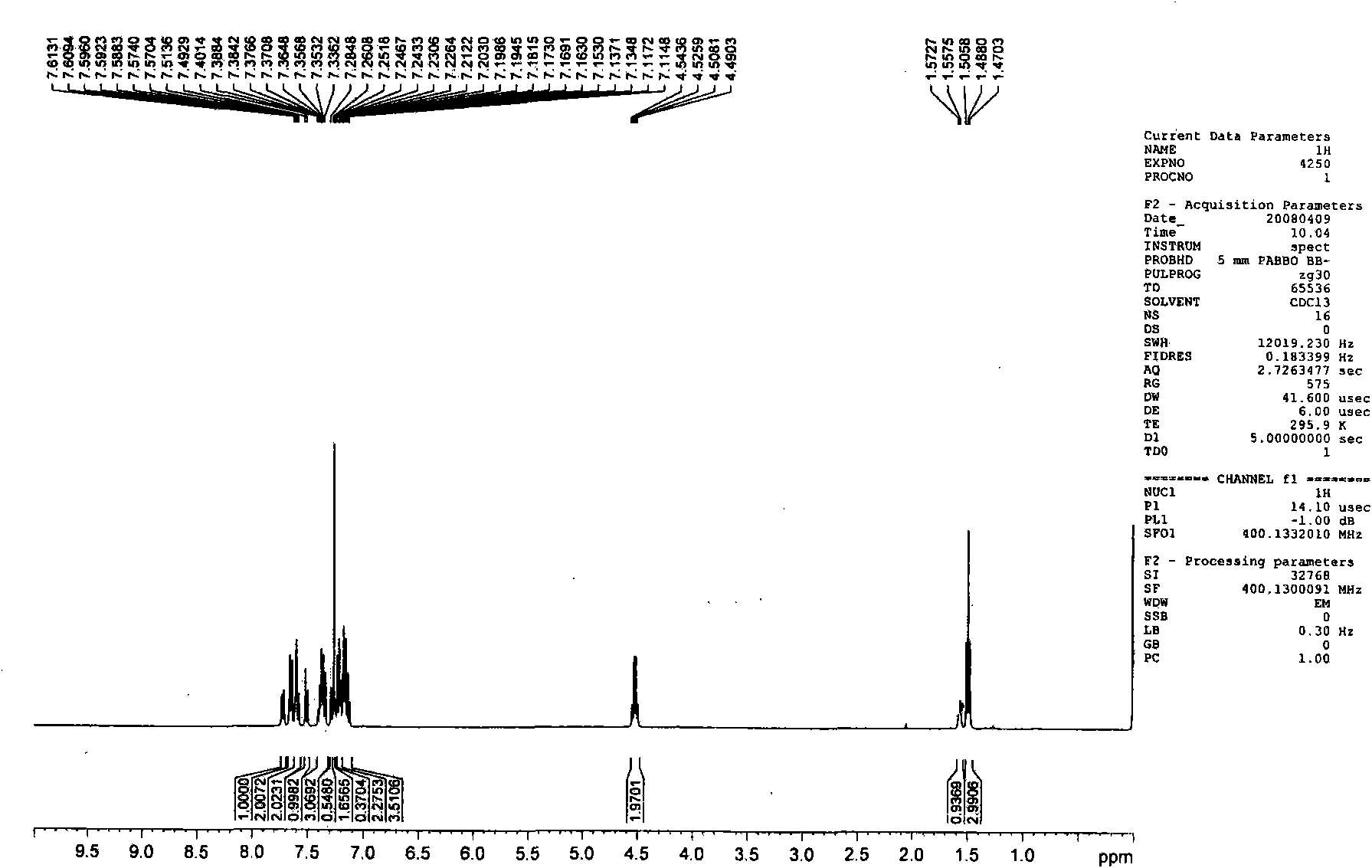
Figure 2 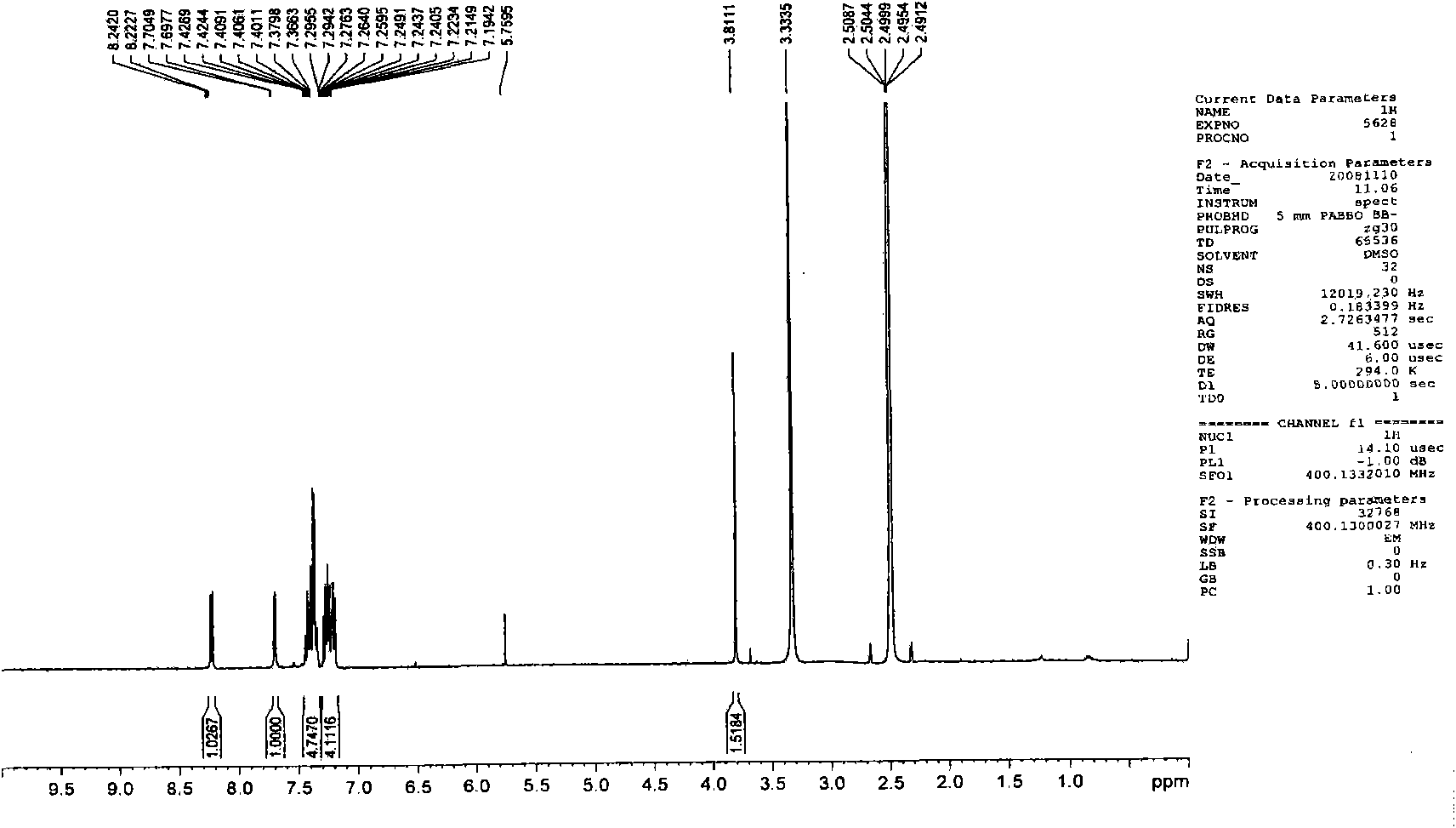
Figure 3
Abstract
Description
technical field
[0001] The invention belongs to the field of organic electroluminescent materials, and in particular relates to quinolone derivatives and a preparation method thereof, as well as the use of the compounds in preparing organic electroluminescent devices. Background technique
[0002] In recent years, the research on white light organic electroluminescent materials and devices has received great attention from international academic circles, governments and industries. Countries and regions such as the United States, Europe, Japan, etc. have launched major research programs (NextGeneration Lighting Initiative in the United States, OLLA in the European Union). , Japan 21Century Lighting Program) to strengthen research in this field, the reasons are: First, white organic electroluminescent technology (WOLED), together with inorganic LED technology, may be one of the most important solid-state light source technologies in the new generation. According to statistics...
Examples
Embodiment 1
[0071] Embodiment 1,1-methyl-3, the preparation of 4-diphenylquinolin-2 (1H)-ketone (Q1)
[0072]
[0073] The first step: take 1-methyl-4-phenylquinolin-2(1H)-one with a molar ratio of 1:1, and N-bromosuccinimide as raw materials, and dissolve the above-mentioned raw materials in N, N-dimethylformamide was reacted with stirring at room temperature for 10 hours, and a large amount of solid was precipitated by adding water, which was washed and dried to obtain the corresponding bromide with a yield of 80%.
[0074] The second step: under the protection of nitrogen, the bromide obtained in the first step and phenylboronic acid (molar ratio is 1: 1) are dropped into two-necked flasks, and a catalytic amount of tetrakis (triphenyl) phosphine palladium) and mixed solvent ( Sodium carbonate solution (2mol / L):toluene:ethanol=1:4:4), keep the temperature at 90-100°C, stir for 24 hours, extract with ether, and the product is subjected to column chromatography (eluent is petroleum et...
Embodiment 2
[0085] Embodiment 2, the preparation of 1-methyl-3-(2-naphthyl)-4-phenylquinolin-2(1H)-one (Q2)
[0086]
[0087] The first step: take 1-ethyl-4-phenylquinolin-2(1H)-one with a molar ratio of 1:1, and N-bromosuccinimide as raw materials, dissolve the above raw materials in N, N-dimethylformamide was stirred at room temperature for 10 hours, and a large amount of solid was precipitated by adding water. The solid was washed and dried to obtain the corresponding bromide with a yield of 80%.
[0088] The second step: under the protection of nitrogen, put the product obtained in the first step and 2-naphthylboronic acid (the molar ratio is 1:1) into a two-neck flask, add a catalytic amount of tetrakis (triphenyl) phosphine palladium) and a mixed solvent (sodium carbonate solution (2mol / L):toluene:ethanol=1:4:4), keep the temperature at 90-100°C, stir for 24 hours, extract with ether, and the product is subjected to column chromatography (eluent is petroleum ether / ethyl acetate ...
Embodiment 3
[0098] Embodiment 3, the preparation of 1-methyl-3-(4-(9-carbazolyl)phenyl)-4-phenylquinolin-2(1H)-one (Q3)
[0099]
[0100] The first step: take 1-methyl-4-phenylquinolin-2(1H)-one with a molar ratio of 1:1, and N-bromosuccinimide as raw materials, and dissolve the above-mentioned raw materials in N, N-dimethylformamide was stirred at room temperature for 10 hours, and a large amount of solid was precipitated by adding water. The solid was washed and dried to obtain the corresponding bromide with a yield of 80%.
[0101] The second step: under the protection of nitrogen, put the product obtained in the first step and 4-(9-carbazolyl)phenylboronic acid (1:1 in molar ratio) into a two-necked bottle, and add a catalytic amount of tetrakis(triphenyl) ) phosphine palladium) and mixed solvent (sodium carbonate solution: toluene: ethanol = 1: 4: 4), keep the temperature at 90-100 ° C, stir for 24 hours, extract with ether, and the product is subjected to column chromatography (e...