
Chemical-enzyme method for preparing D-tyrosine
A tyrosine and chemical technology, applied in the field of chemical enzymatic method for preparing D-tyrosine, can solve the problems of difficult removal of L-tartaric acid, low optical purity, etc., and achieve reduced process cost, high optical activity, and simplified enzyme The effect of catalytic reaction
Patent Information
- Authority / Receiving Office
- CN · China
- Patent Type
- Applications(China)
- Current Assignee / Owner
- Publication Date
- 2012-02-15
Smart Images
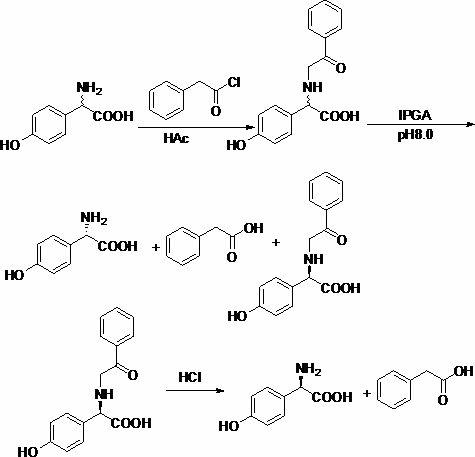
Figure 1 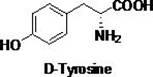
Figure 2
Abstract
Description
technical field
[0001] The invention relates to a chemical enzymatic method for preparing D-tyrosine, belonging to the technical field of biocatalytic preparation of chiral drug intermediates. Background technique
[0002] D-tyrosine is a non-protein source chiral amino acid, which is widely used in the synthesis of chiral drugs. For example, the polypeptide drug atosiban synthesized with D-tyrosine as a chiral intermediate is a tocolytic, and the synthesized deacetylanisomycin has antiprotozoal, anti-amoeba, anti-fungal, anti-swelling, Preventing the effect of plant fungal diseases, the synthetic polypeptide drug has special curative effect for the treatment of malignant tumors, and can also be used for inflammation of the lungs, central nervous system, joints, endocardium, eyes, ears, skin, intestines and stomach, and urinary system. Anti-inflammatory drugs with excellent efficacy, etc.
[0003]
[0004]
[0005] The preparation methods of D-tyrosine mainly include c...
Examples
Embodiment 1
[0018] Embodiment 1: Preparation of DL-N-phenylacetyltyrosine
[0019] Add 72.4g (0.4mol) DL-tyrosine and 48g acetic acid (0.8mol) into 800ml water, stir to dissolve. 64ml (0.48mol) of phenylacetyl chloride was added dropwise under ice bath conditions. After the dropwise addition was completed, the reaction was carried out overnight at 60°C. Cool in an ice bath to 5°C, filter with suction, wash the solid with a small amount of deionized water, and dry to obtain 110.2 g of DL-N-phenylacetyltyrosine, with a yield of 92.1%.
Embodiment 2
[0020] Example 2: DL-N-phenylacetyltyrosinase catalyzed hydrolysis
[0021] Add 89.7g (0.3mol) of DL-N-phenylacetyltyrosine to 1000ml of water, and adjust the pH to 8.0 with ammonia water. 17.9 g of immobilized penicillin acylase was added, and the reaction was stirred at 30° C. for 10 h. Suction filtration to remove immobilized penicillin acylase. The filtrate was adjusted to pH 1-2 with concentrated hydrochloric acid, filtered with suction, the solid was washed with cold water, and dried to obtain 40.4 g of D-N-phenylacetyltyrosine with a yield of 45%.
Embodiment 3
[0022] Embodiment 3: Preparation of D-tyrosine
[0023] Dissolve 40.4g of D-N-phenylacetyltyrosine in 200mL of 6 mol / L concentrated hydrochloric acid, N 2 protection, hydrolysis at 90°C for 12 hours, adding 10 g of activated carbon to the hydrolyzate for decolorization. Concentrate the decolorized solution to 40 ml, extract three times with ethyl acetate (40ml×3), adjust the pH of the aqueous layer to 5.6 with ammonia water, let stand overnight at 0-5°C, filter and wash the filter cake with a small amount of deionized water, and dry it 22.5 g of D-tyrosine was obtained, the yield was 92%, and the ee measured by HPLC was 99.9%.