
Water purification apparatus comprising UV source
A technology of purification equipment and equipment, applied in the field of purification, can solve problems such as water pollution, breeding of organic organisms, etc., and achieve the effect of reducing post-pollution
Patent Information
- Authority / Receiving Office
- CN · China
- Patent Type
- Patents(China)
- Current Assignee / Owner
- Publication Date
- 2014-05-14
Smart Images
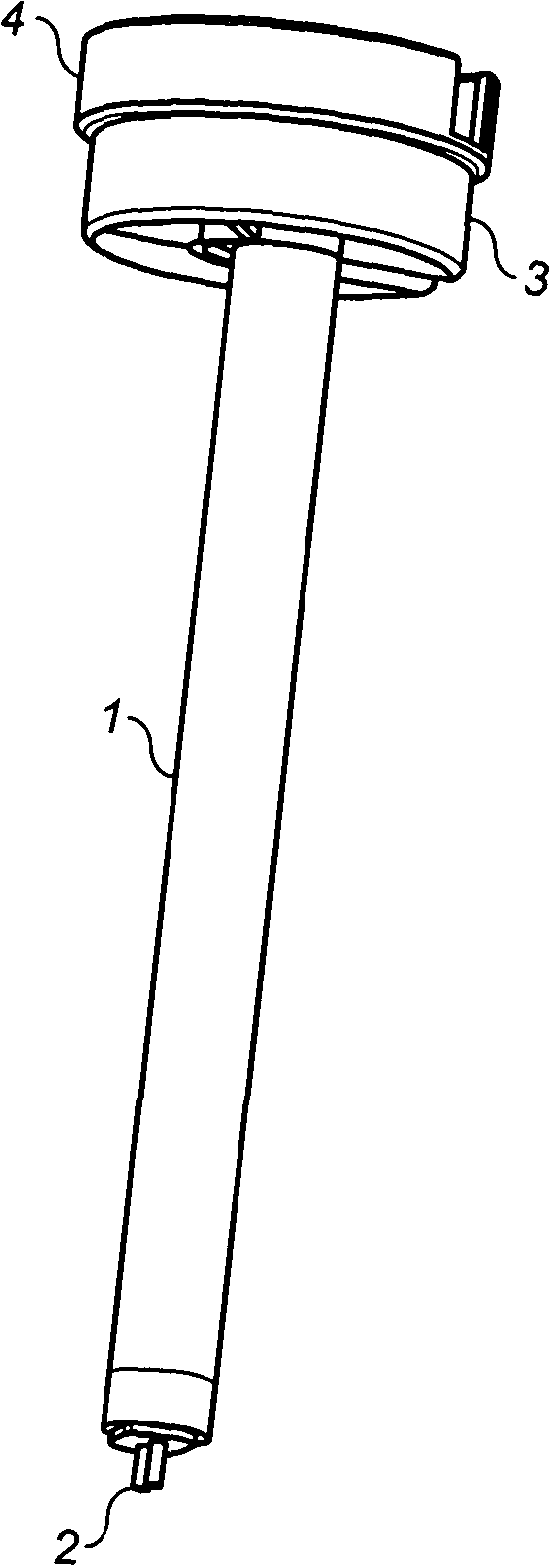
Figure 1 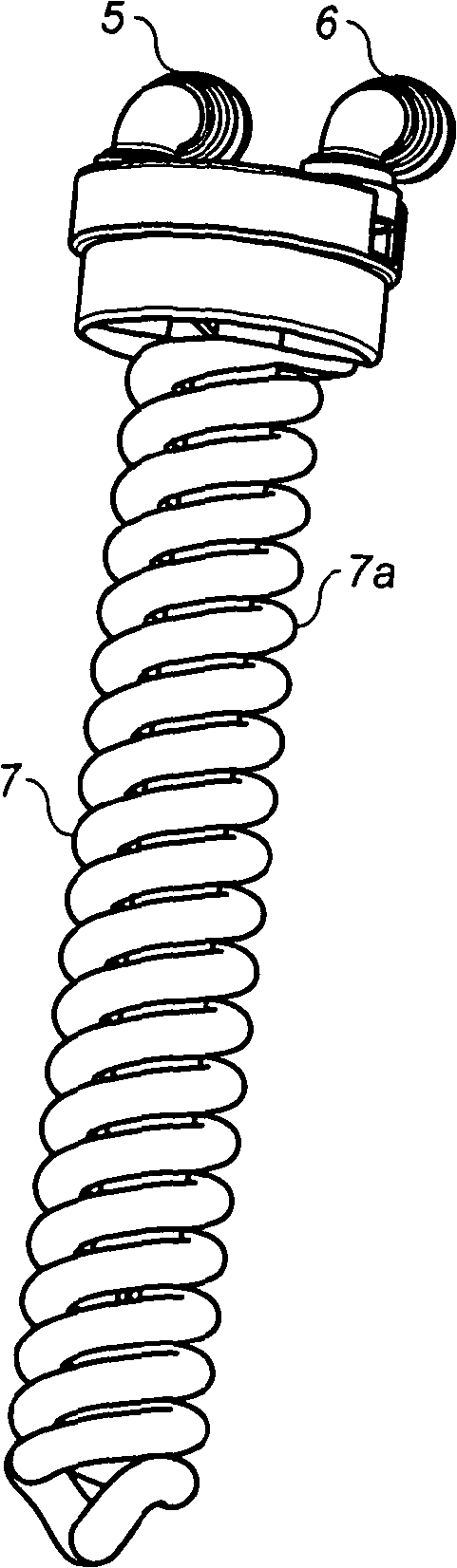
Figure 2 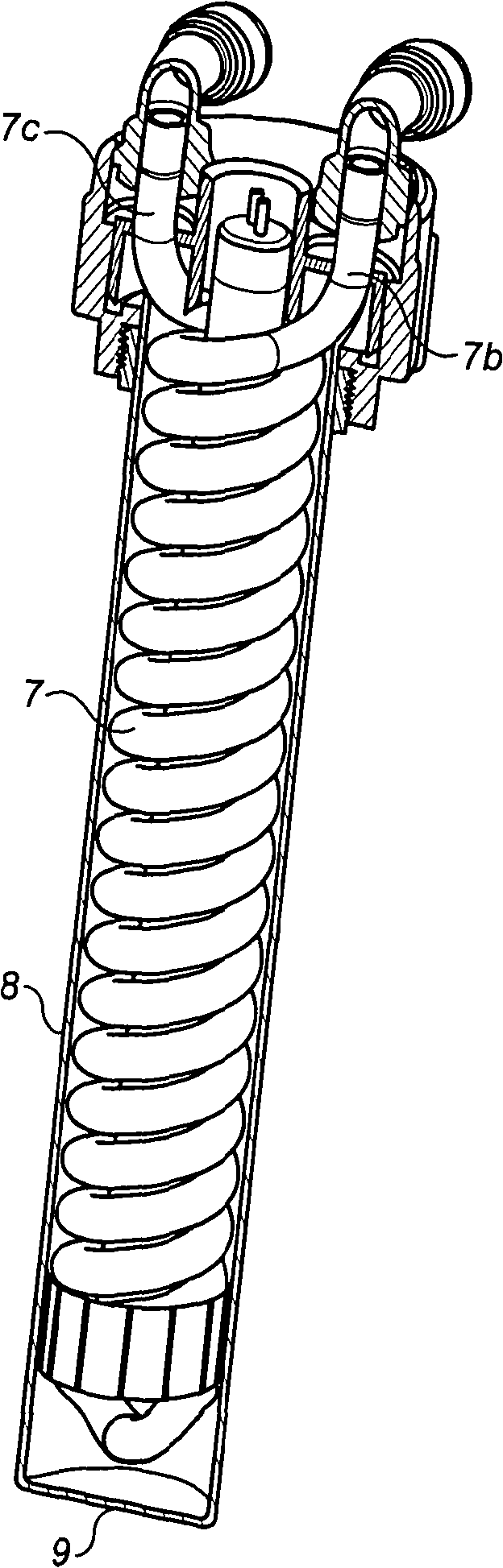
Figure 3
Abstract
Description
technical field
[0001] The present invention relates to the field of purification. In particular, the present invention relates to a water purification device. Background technique
[0002] Water cooling machines and other dispensing equipment are often required to dispense purified and potable water. Ultraviolet (UV) systems are often used to purify water. These systems perform purification by irradiating the water with UV radiation that destroys bacteria and other microorganisms.
[0003] While water coolers and similar dispensing machines used, for example, in a home, office, or factory setting are very effective at purifying water to a level sufficient to be potable and destroying microorganisms present in the water received from the source, sometimes Problems can arise from the growth of organisms at the actual point of distribution or at the tap. Therefore, water that has been treated and purified may become contaminated at the point of distribution. A disadvantag...
Examples
Embodiment Construction
[0055] figure 1 Shown is a portion of a sanitizing apparatus for a water dispenser (which may generally be of the type commonly used in offices or other environments and more commonly referred to as water coolers). Such water dispensers require proper sanitization of the water before dispensing. For this purpose, ultraviolet (UV) disinfection is usually used. UV is effective in destroying bacteria and other microorganisms if used at the correct frequency and intensity. These are known per se and are not the subject of this patent specification. It should be noted that while the fluid will typically be water, the fluid could be other fluids or beverages.
[0056] figure 1 A typical UV source in the form of an elongated UV lamp 1 is shown. The UV lamp 1 has an electrical connector 2 at one end for connection to a power source, the other end of the UV lamp 1 is housed in an end cap / end cap 3 which has a cylindrical shape surrounding the end of the UV lamp 1 Hood part 4. Th...