

Simulation method for residual stress prediction of micro-milling nickel-based superalloy
A technology of nickel-based superalloy and simulation method, which is applied in special data processing applications, instruments, electrical digital data processing, etc. It can solve the problems that cutting parameters cannot be considered and simulation results are consistent, so as to save manpower, realize prediction and reduce costs Effect
Patent Information
- Authority / Receiving Office
- CN · China
- Patent Type
- Applications(China)
- Current Assignee / Owner
- Publication Date
- 2015-12-02
Smart Images
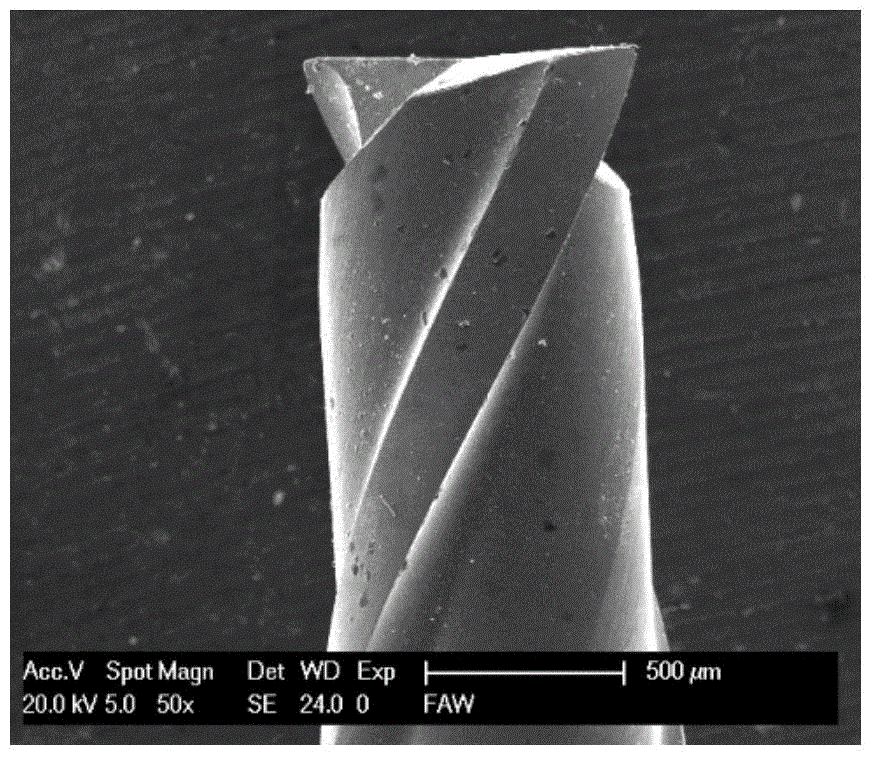
Figure 1 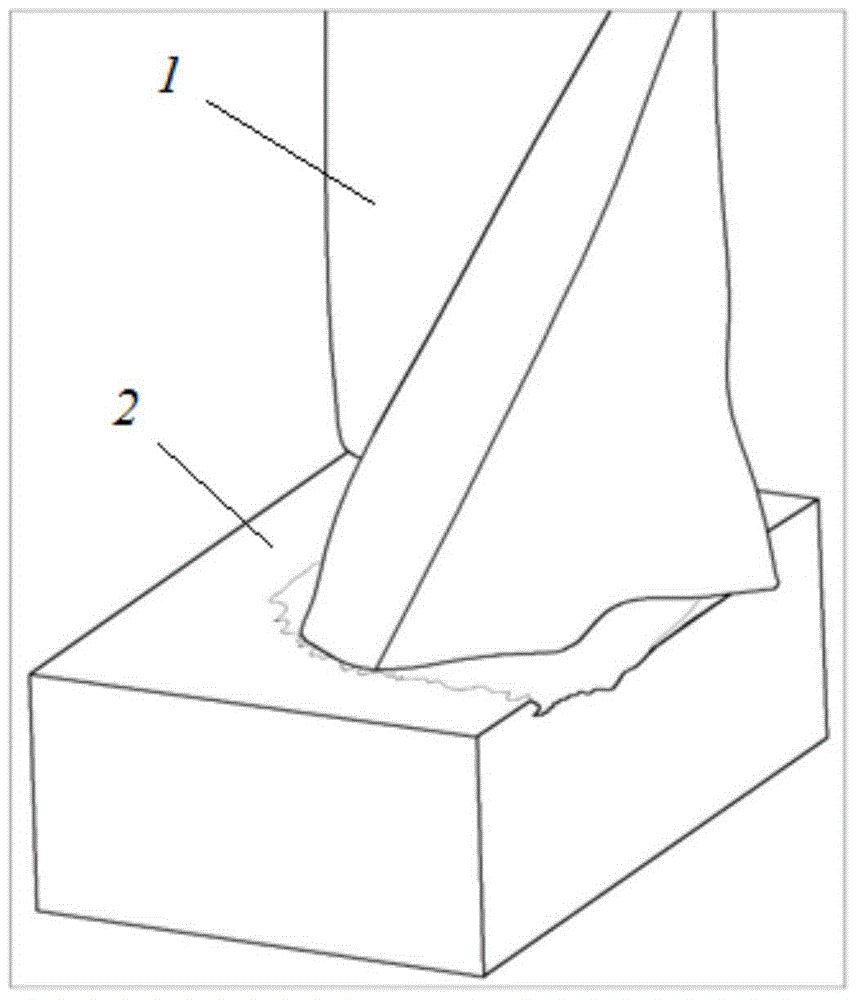
Figure 2 
Figure 3
Abstract
Description
technical field
[0001] The invention belongs to the field of finite element simulation cutting, and relates to a finite element simulation method for predicting and analyzing residual stress in the cutting process of nickel-based superalloy, which is a difficult-to-machine material. Background technique
[0002] Nickel-based superalloy has high tensile strength, fatigue strength, creep strength and fracture strength at 700°C, high oxidation resistance at 1000°C, stable chemical properties at low temperatures, and good welding performance , are widely used in various high-demand occasions. Such as steam turbines, nuclear power plants, acid environments, liquid fuel rockets, etc. In these applications, the fatigue strength, stress corrosion resistance and high temperature oxidation resistance of nickel-based superalloys are largely determined by the residual stress in the surface integrity of its machined parts. Different processing methods will produce different residual st...
Examples
Embodiment Construction
[0025] The specific implementation of the present invention is described in detail below in conjunction with technical scheme and accompanying drawing, use finite element calculation software ABAQUS, carry out three-dimensional finite element simulation to micro-milling nickel-base superalloy processing process, predict surface residual stress distribution and size, concrete simulation steps are as follows:
[0026] (1) In the three-dimensional finite element simulation, the tool model is a micro milling cutter MX230 produced by Japan NS Company, the tool diameter D = 1mm, the edge arc radius is 0.002mm, the helix angle β = 30°, and the edge length L = 2mm. According to the scanning electron microscope to take pictures of the micro milling cutter, such as figure 1 shown. The plan view of the rotating edge of the micro-milling cutter was drawn by AutoCAD software. Then import the CAD two-dimensional drawing into the Pro / E three-dimensional modeling software, start from the too...