
A kind of method for preparing polyaniline electrochromic film by hydrothermal self-assembly
An electrochromic and polyaniline technology, which is applied in the synthesis of polymer materials and materials, can solve the limitations of electrochromic and display device applications, the poor bonding strength of polyaniline and conductive glass, and the difficulty of large-scale production of polyaniline electrode areas, etc. problems, to achieve the effect of low preparation cost, excellent electrochromic performance and good conductivity
Patent Information
- Authority / Receiving Office
- CN · China
- Patent Type
- Patents(China)
- Current Assignee / Owner
- Publication Date
- 2017-09-26
- Estimated Expiration
- Not applicable · inactive patent
Smart Images
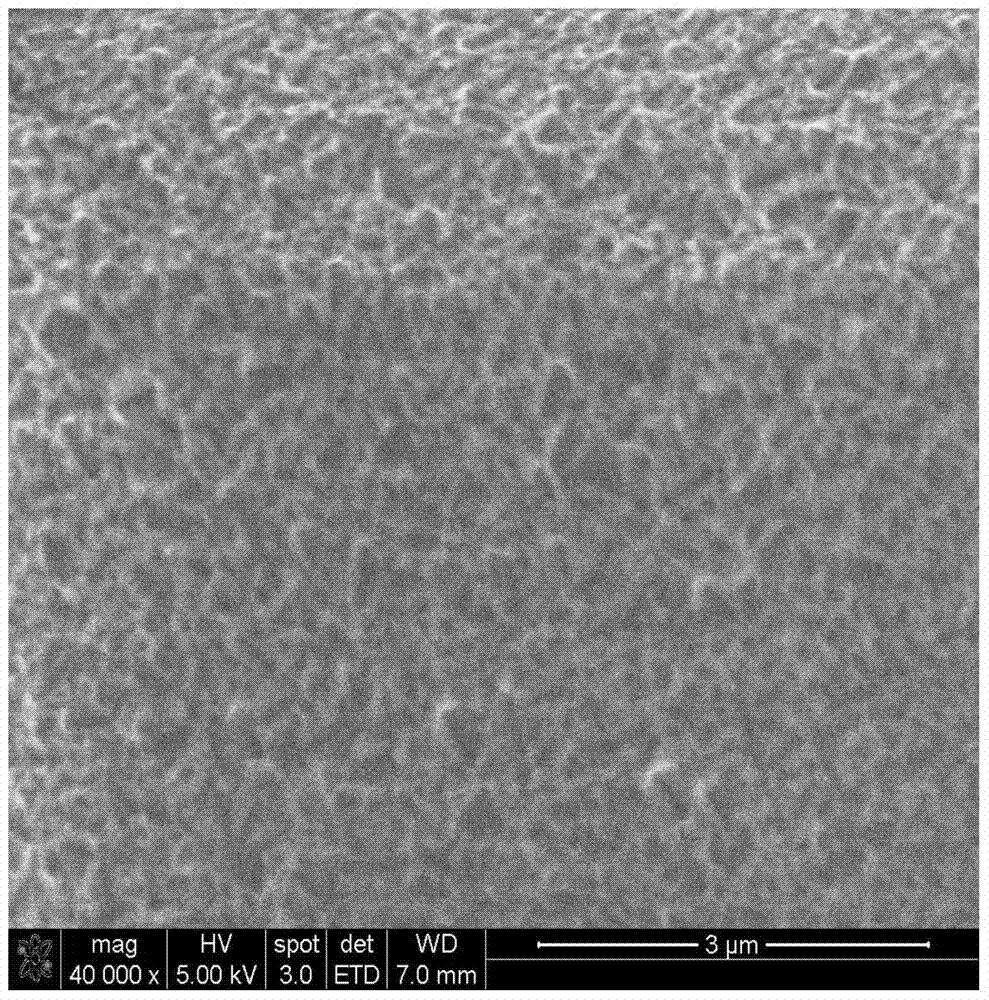
Figure 1 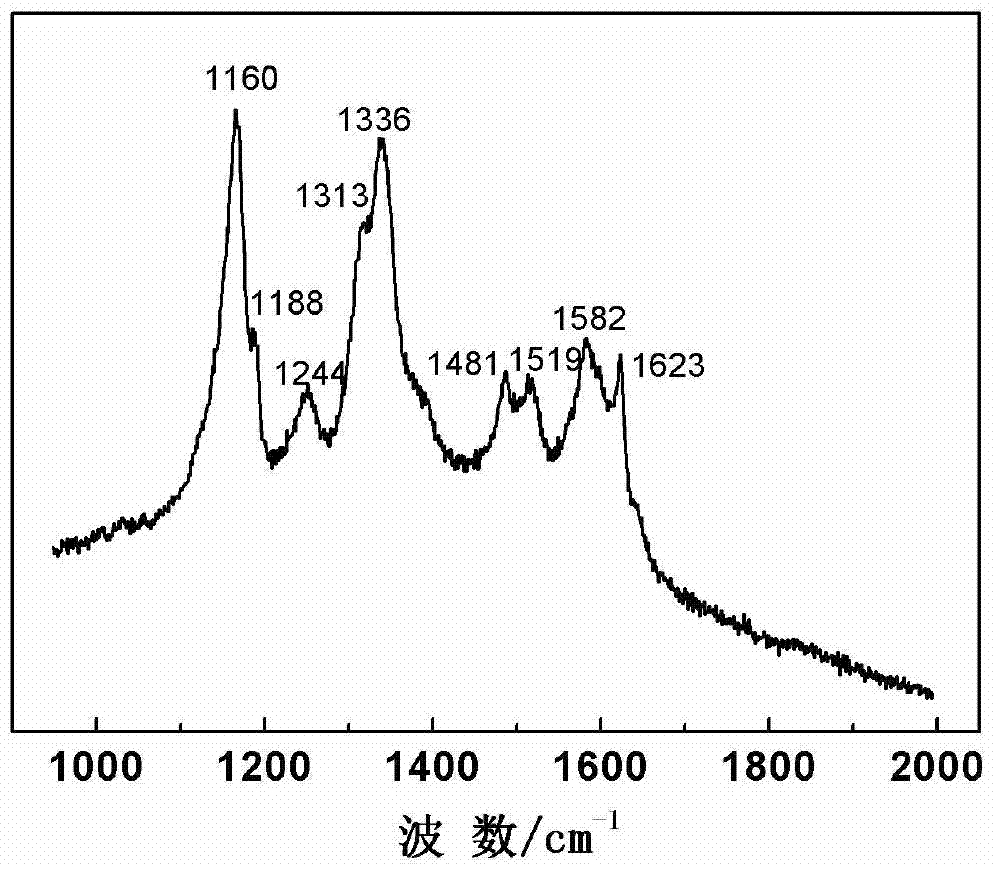
Figure 2 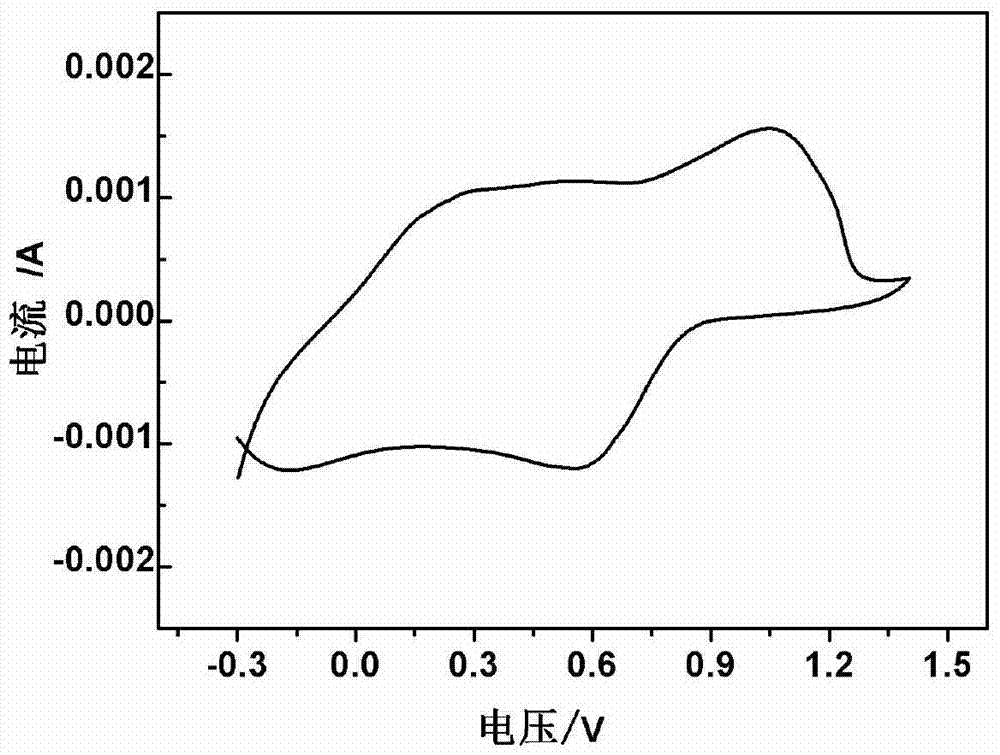
Figure 3
Abstract
Description
technical field
[0001] The invention belongs to the field of materials and the field of polymer material synthesis, in particular to a method for preparing a polyaniline electrochromic film by hydrothermal self-assembly. Background technique
[0002] Electrochromism refers to the stable and reversible color change of the material's optical properties (transmittance, reflectivity, absorptivity, etc.) under the action of an external electric field. In recent years, electrochromic materials have a very broad application prospect in the fields of smart windows, automotive anti-rotation rearview mirrors, displays and space temperature control devices.
[0003] Among many electrochromic materials, conductive polymer polyaniline films are considered as one of the most potential electrochromic materials due to their advantages of good conductivity, rich colors, inexpensive monomers, and tunable structure. At present, the preparation methods of polyaniline films mainly include elect...
Examples
Embodiment 1
[0029] The growth of polyaniline film on the surface of FTO glass by hydrothermal method includes the following steps:
[0030] 1) Hydroxylation treatment of FTO glass, ultrasonic cleaning of FTO glass with acetone, absolute ethanol and deionized water in sequence, and the cleaning time is 40-60 minutes.
[0031] 2) Immerse the cleaned FTO glass in a mixture of hydrogen peroxide and concentrated sulfuric acid with a volume ratio of 7:3, the heating temperature is 60-80°C, and the time is 12-24h. The hydroxylated FTO glass was rinsed several times with deionized water and treated with N 2 Air-dried for later use to obtain a surface hydroxylated FTO substrate.
[0032] 3) Add 0.7290 g of cetyl trimethyl ammonium bromide to 76 mL of deionized water, leave it to stand until the solution becomes clear and transparent, place the solution in an ice-water bath and stir for 2 minutes, and then dropwise add 0.2 mL of the solution under reduced pressure. After the distilled aniline, 4 ...
Embodiment 2
[0040] 1) Same as Example 1.
[0041] 2) Same as Example 1.
[0042] 3) Add 0.730 g of cetyl trimethyl ammonium bromide to 76 mL of deionized water, leave it to stand until the solution becomes clear and transparent, place the solution in an ice-water bath and stir for 2 minutes, and then dropwise add 0.2 mL of the solution under reduced pressure. After the distilled aniline, 4 mL of dodecylbenzenesulfonic acid was added after the aniline was uniformly dispersed, and after stirring for about 20 minutes, the solution became a uniform milky white, and then 4 mL of ammonium persulfate solution with a concentration of 0.24 mol / L was added and stirred for 5 minutes.
[0043] 4) The conductive surface of the hydroxylated FTO glass is tilted downward and put into the stainless steel reactor lined with PTFE, and then the above-mentioned mixed solution is transferred into the 50ml reactor, and the volume of the reaction solution does not exceed 2 / 2 of the entire reactor. 3. Hydrothermal...