
Irradiation preparation of geothermal floor substrate and its processing method
A technology of geothermal flooring and processing methods, which is applied to wood processing equipment, manufacturing tools, wood treatment, etc., can solve the problems of unenvironmental protection of products and processes, long wood manufacturing cycle, and easy occurrence of formaldehyde, etc., so as to save the use time of instruments and shorten the production time. The effect of short processing cycle and operation time
Patent Information
- Authority / Receiving Office
- CN · China
- Patent Type
- Patents(China)
- Current Assignee / Owner
- Publication Date
- 2018-07-20
Smart Images
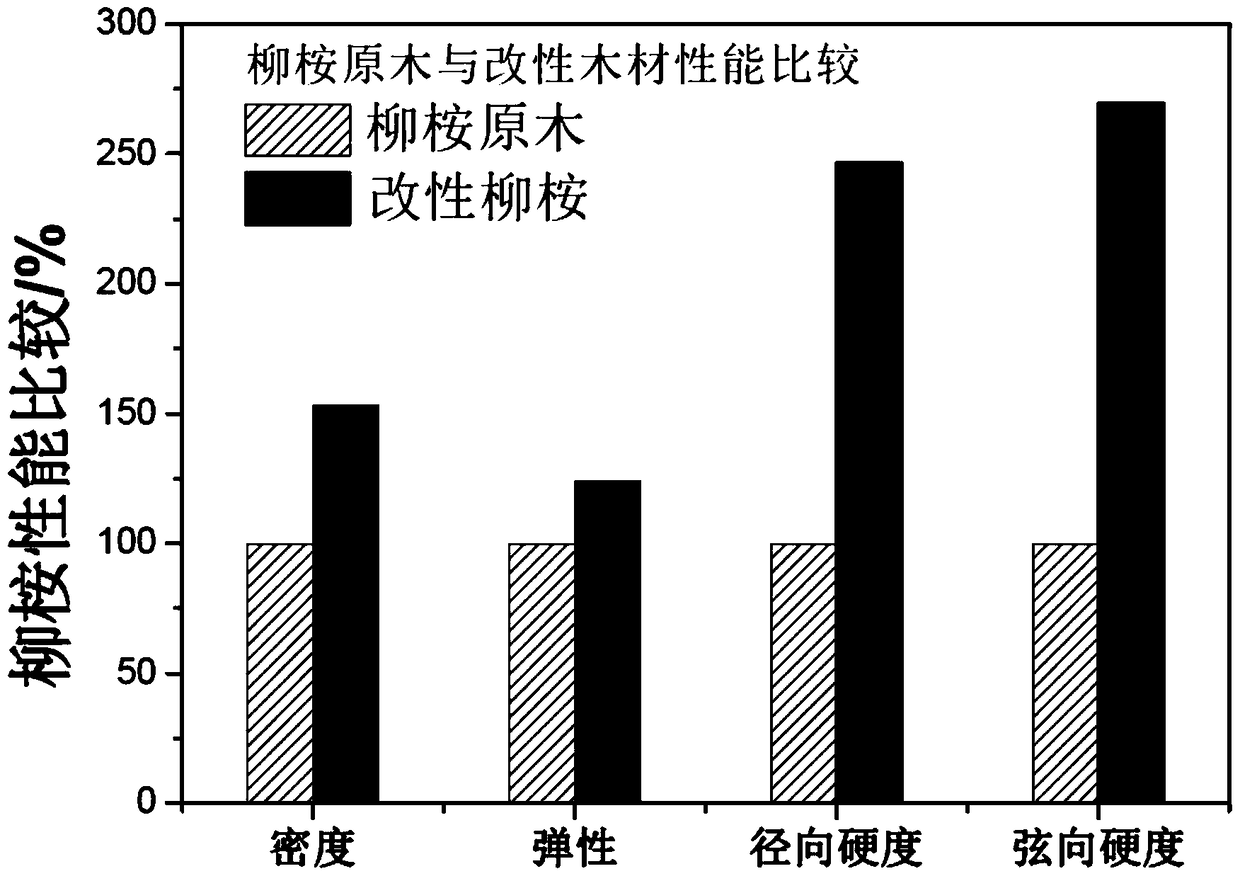
Figure 1 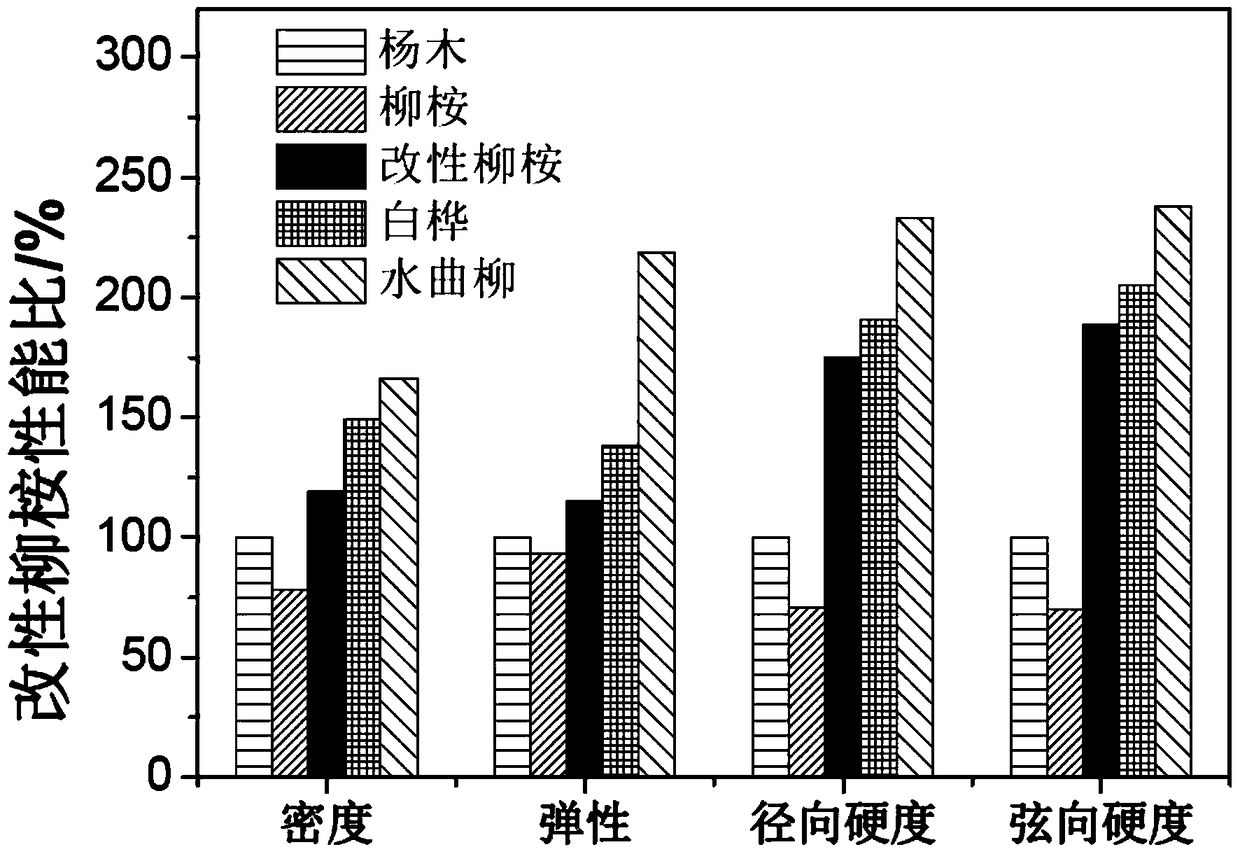
Figure 2 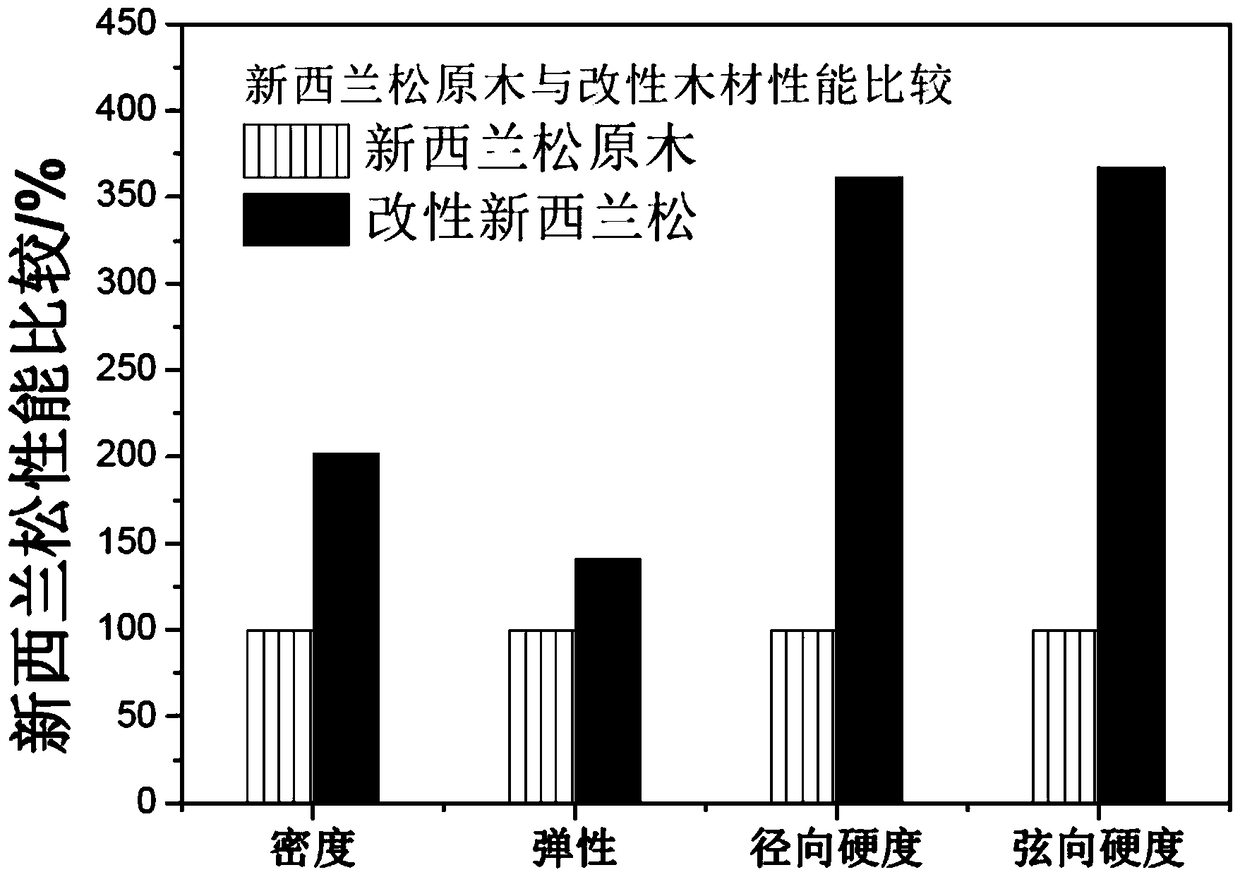
Figure 3
Abstract
Description
technical field
[0001] The invention relates to the field of floor production, in particular to a geothermal floor base material prepared by irradiation and a processing method thereof. Background technique
[0002] Wood, steel bars, and cement are the main building materials, and wood is a renewable resource that has attracted more and more attention. With the development of the economy, wood is mostly used for decoration in homes, hotels, colleges, and scenic spots. Solid wood flooring caters to people's consumption wishes with its natural environmental protection, gorgeous and elegant characteristics. However, the anisotropy of the wood itself makes the wood prone to warping, mildew, corrosion, cracking and other losses during use, and the service life is short. There are few sources of high-grade wood, and the price is high. The environmental protection department has banned logging and restricted import and export. my country's wood is mainly fast-growing wood, and th...
Examples
Embodiment 1
[0070] Embodiment 1: the processing method of Eucalyptus meranti modified floor substrate
[0071] According to the following components by weight percentage, the mixture is configured into a mixed solution, which is the impregnation solution:
[0072] Hydroxyethyl methacrylate 15%, methyl methacrylate 15%, ethyl methacrylate 10%, butyl methacrylate 10%, glycidyl methacrylate 20%, polyethylene glycol (PEG400) 20 %, ethylene glycol dimethacrylate 9%, trimethylolpropane triacrylate 1%.
[0073] 1. A batch of eucalyptus wood blocks. The length of the wood blocks is 300-800mm, the thickness is 20-80mm, and the width is 70mm. Dry them to a moisture content of 9%. Separated by a gap of 1cm, placed in a sealed jar;
[0074] 2. Vacuumize, and keep it for 15 minutes when the vacuum degree reaches 0.08Mpa;
[0075] 3. Open the valve and suck the prepared organic impregnating liquid into the sealed tank, control the flow rate to 50L / min, until the liquid level of the impregnating liqu...
Embodiment 2
[0090] Embodiment 2: the processing method of New Zealand pine modified floor substrate
[0091] According to the following components by weight percentage, the mixture is configured into a mixed solution, which is the impregnation solution:
[0092] 10% hydroxyethyl methacrylate, 20% methyl methacrylate, 10% ethyl methacrylate, 10% butyl methacrylate, 24% glycidyl methacrylate, polyethylene glycol (PEG400) 20 %, ethylene glycol dimethacrylate 5%, trimethylolpropane triacrylate 1%.
[0093] 1. A batch of New Zealand pine wood blocks. The length of the wood blocks is 300-800mm, the thickness is 20-80mm, and the width is 70mm. Dry them to a moisture content of 15%. The racks are separated by a 1cm gap and placed in a sealed tank;
[0094] 2. Vacuumize, and keep it for 20 minutes when the vacuum degree reaches 0.1Mpa;
[0095] 3. Open the valve and suck the prepared organic impregnating liquid into the sealed tank, control the flow rate to 50L / min, until the liquid level of th...
Embodiment 3
[0118] The processing method of the New Zealand pine modified floor base material is basically the same as in Example 2, and the different dipping solution is a mixed solution configured according to the following components in percentage by weight:
[0119] Hydroxyethyl methacrylate 20%, methyl methacrylate 20%, ethyl methacrylate 10%, glycidyl methacrylate 24%, polyethylene glycol (PEG400) 20%, ethylene dimethacrylate Alcohol ester 5%, trimethylolpropane triacrylate 1%.