
A kind of titanium silicon molecular sieve and its preparation method and application and a kind of method of ring ketone oxidation
A titanium-silicon molecular sieve and peroxide technology, which is applied in molecular sieve catalysts, carboxylate preparations, chemical instruments and methods, etc., can solve the problem of small grain size and achieve large amount of skeleton titanium, high utilization rate, and stability Good results
Patent Information
- Authority / Receiving Office
- CN · China
- Patent Type
- Patents(China)
- Current Assignee / Owner
- Publication Date
- 2020-01-10
Smart Images
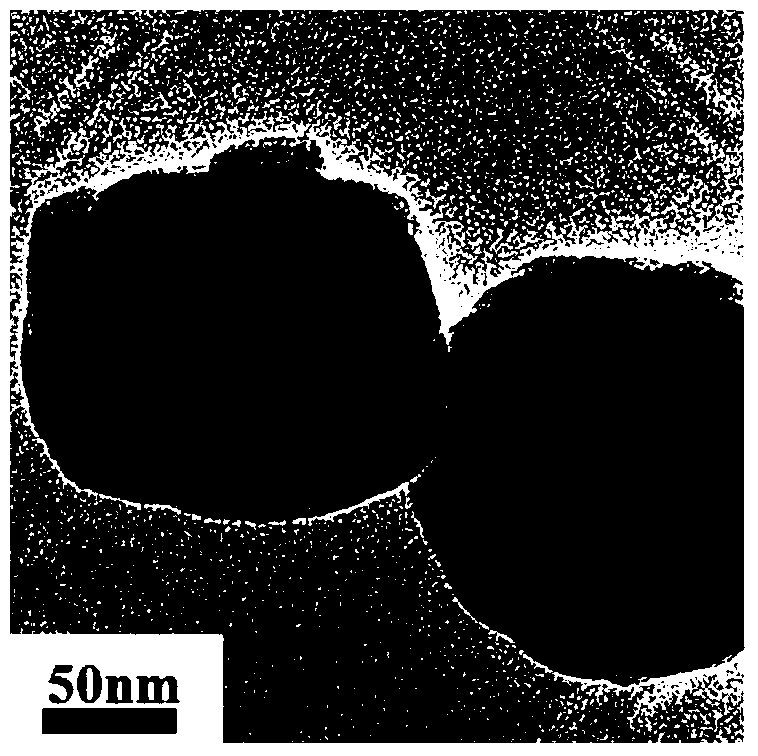
Figure 1 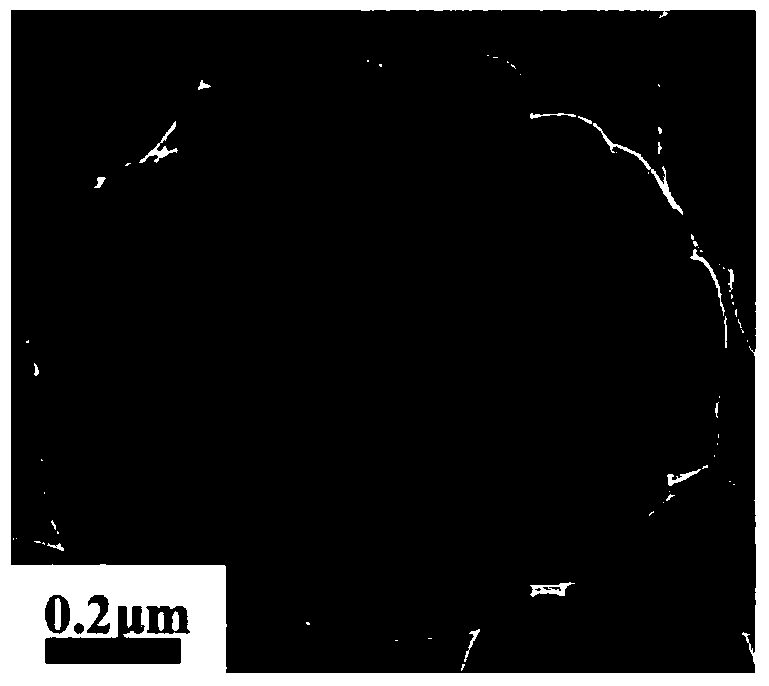
Figure 2 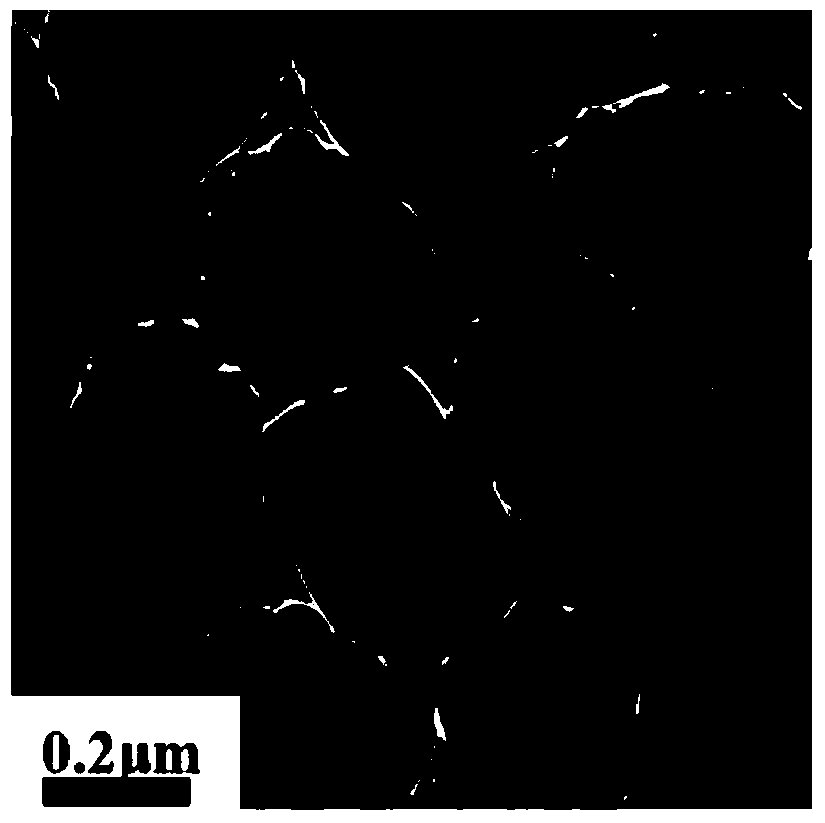
Figure 3
Abstract
Description
technical field
[0001] The invention relates to a titanium-silicon molecular sieve, a preparation method and application thereof, and a method for oxidizing cyclic ketones. Background technique
[0002] Titanium silicalite is a new type of heteroatom zeolite developed in the early 1980s. TS-1 with MFI structure, TS-2 with MEL structure, MCM-22 with MWW structure and TS-48 with larger pore structure have been prepared so far. Among them, the titanium silicalite TS-1 developed and prepared by Italian Enichem Company is a new type of titanium silicalite with excellent catalytic selective oxidation performance formed by introducing transition metal element titanium into the zeolite framework with ZSM-5 structure. TS-1 not only has the catalytic oxidation effect of titanium, but also has the shape-selective effect and excellent stability of ZSM-5 zeolite. Using titanium silicalite as a catalyst can catalyze various types of organic oxidation reactions, such as epoxidation of al...
Examples
Embodiment approach
[0027] According to a preferred embodiment of the present invention, the titanium-silicon molecular sieve is composed of nanoscale hollow crystal particles with a particle size of 20-100 nm, and the maximum diameter of the cavity of the nanoscale hollow crystal particles is 2-80 nm. Titanium Silica Molecular Sieve I 960 / I 550 The value is 0.725-0.825.
[0028] In the present invention, the titanium-silicon molecular sieve is formed by agglomerating nanoscale hollow crystal particles and detected by a transmission electron microscope.
[0029] In the present invention, the maximum diameter length of the cavity of the nanoscale hollow crystal particles can also be detected by a transmission electron microscope.
[0030] In the present invention, I 960 Refers to the infrared spectrum, 960cm -1 Absorption peak intensity at , I 550 Refers to the infrared spectrum, 550cm -1 Absorption peak intensity at , I 960 / I 550 The value indicates 960cm -1 Absorption peak intensity a...
Embodiment 1
[0108] Add 20 grams of silicon source tetraethyl orthosilicate to tetrapropyl ammonium hydroxide aqueous solution and stir to mix evenly, then add tetrabutyl titanate and mix well to obtain the molar composition of the mixture as silicon source: titanium source: organic base: Water = 100: 2: 15: 1000, then put into a stainless steel sealed reactor and treat at a temperature of 100°C and autogenous pressure for 24 hours (stage (1)); hydrothermal treatment at a temperature of 200°C and autogenous pressure for 6 hours (stage ( 2)); hydrothermal treatment at a temperature of 170°C and autogenous pressure for 48 hours (stage (3)), the heating rate from room temperature to stage (1) is 2°C / min, and the heating rate from stage (1) to stage (2) is 15°C / min, and the cooling rate from stage (2) to stage (3) is 10°C / min;
[0109] The resultant was filtered, washed with water, dried naturally, and calcined at 550°C for 5 hours, then the solid product was mixed with an aqueous solution of ...
Embodiment 2
[0112] Add 20 grams of silicon source solid silica gel silica into tetrapropyl ammonium hydroxide aqueous solution and stir to mix evenly, then add tetrabutyl titanate and mix evenly to obtain the molar composition of the mixture: silicon source: titanium source: organic base: Water = 100: 1: 20: 600, then put into a stainless steel sealed reactor, hydrothermal treatment at a temperature of 90°C and autogenous pressure for 12 hours (stage (1)); hydrothermal treatment at a temperature of 190°C and autogenous pressure for 4 hours (stage ( 2)); hydrothermal treatment at a temperature of 170°C and autogenous pressure for 36 hours (stage (3)), the heating rate from room temperature to stage (1) was 10°C / min, and the heating rate from stage (1) to stage (2) 20°C / min, the cooling rate from stage (2) to stage (3) is 10°C / min;
[0113] The resultant was filtered, washed with water, dried naturally, and calcined at 550°C for 5 hours. The obtained solid product, water and alkali source h...