
A kind of anhydrous tubular metal hypophosphite and preparation method thereof
A technology of hypophosphite and hypophosphorous acid, applied in the direction of hypophosphorous acid, phosphorus oxyacid, etc., can solve the problems of containing crystal water, irregular and uniform morphology, etc., achieving good thermal stability, improving mechanical properties, and broad market application Foreground effect
Patent Information
- Authority / Receiving Office
- CN · China
- Patent Type
- Patents(China)
- Current Assignee / Owner
- Publication Date
- 2019-12-03
Smart Images
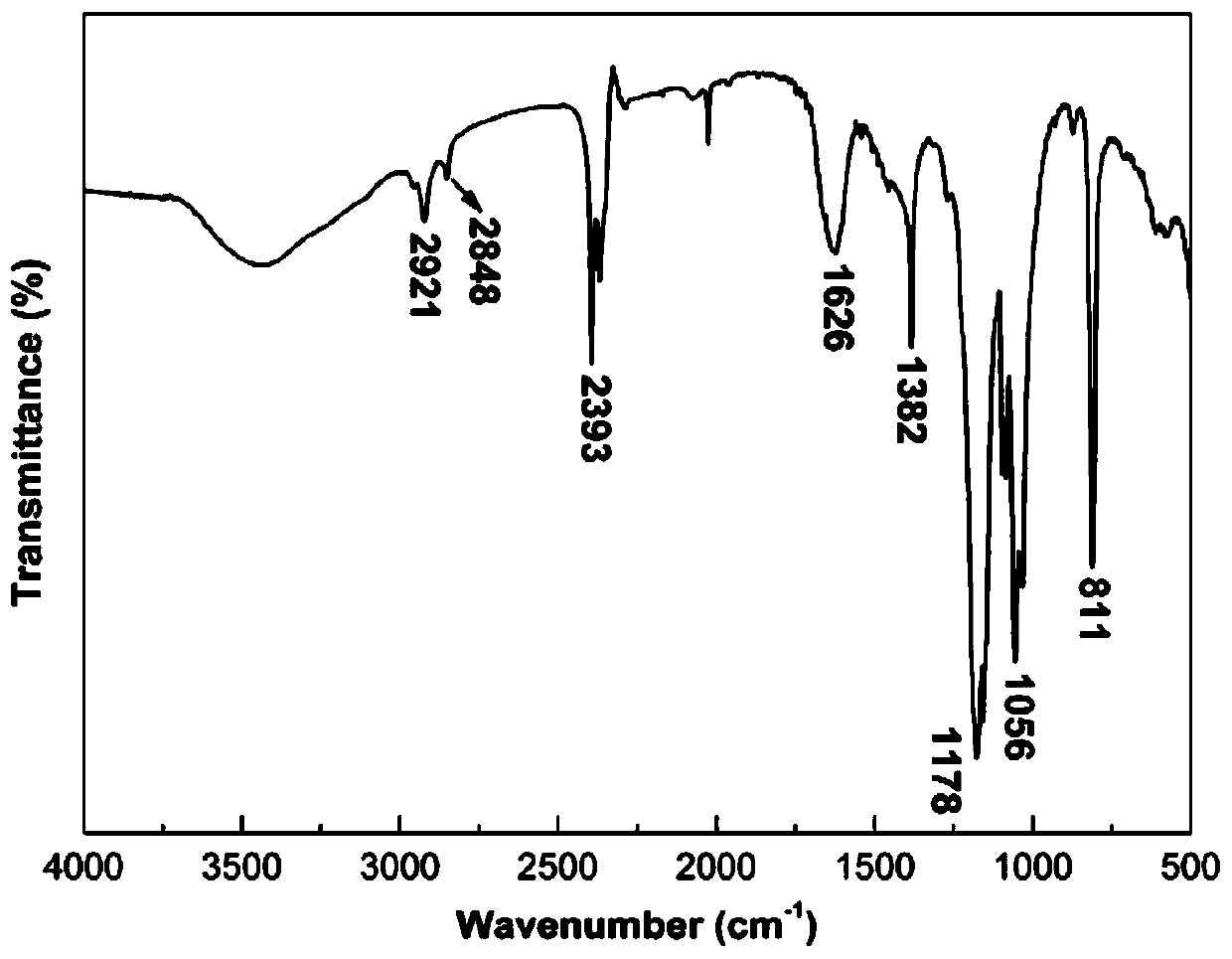
Figure 1 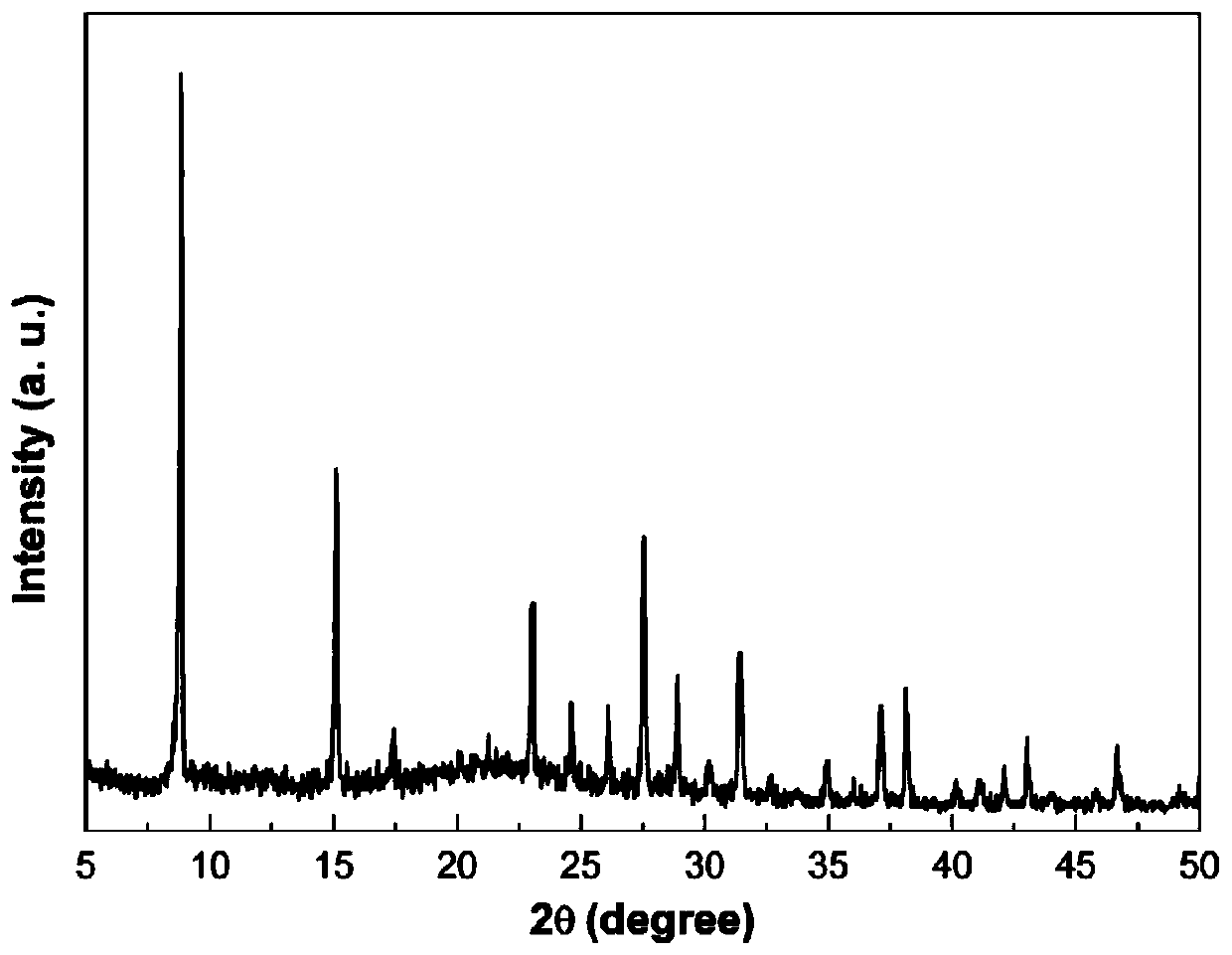
Figure 2 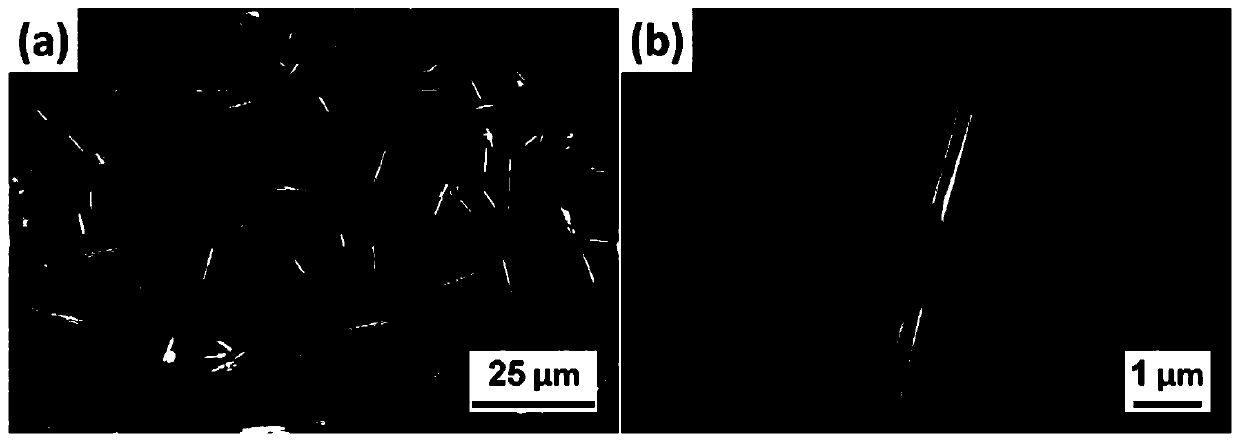
Figure 3
Abstract
Description
technical field
[0001] The invention relates to an anhydrous tubular metal hypophosphite and a preparation method thereof, belonging to the technical field of halogen-free flame retardants and preparation thereof. Background technique
[0002] Polymer materials include plastics, rubber, fibers, films, adhesives, and coatings. Among them, plastics, synthetic fibers and synthetic rubber, known as the three major synthetic materials of modern polymers, have become important materials that are indispensable for national economic construction and people's daily life.
[0003] However, most polymer materials are flammable, and polymer materials will generate a lot of smoke and toxic gases during heating or combustion, which greatly restricts their application fields. At present, the flame retardants used for polymer materials are mainly halogen-containing systems. Although the flame retardant efficiency of halogen-containing flame retardants is very high, due to the large amount ...
Examples
Embodiment 1
[0019] 0.80 gram of manganese chloride, 0.53 gram of hypophosphorous acid and 0.15 gram of cetyltrimethylammonium bromide were dissolved in 60 milliliters of N,N-dimethylformamide and 5 milliliters of ethanol in the mixed solvent, then added In a 100 ml polytetrafluoroethylene reactor, heat up to 180°C, react for 24 hours, and finally filter and wash the obtained product, and the obtained solid powder is the anhydrous tubular manganese hypophosphite of the present invention.
[0020] figure 1 Infrared spectrum (FTIR) of the anhydrous tubular manganese hypophosphite prepared for Example 1. In the FTIR spectrum, 2921cm -1 and 2848cm -1 The absorption peak at corresponds to the C–H stretching vibration, 1626cm -1 The absorption peak at corresponds to the stretching vibration of C=O, indicating that the resulting product contains a small amount of N,N-dimethylformamide; 1382cm -1 and 1056cm -1 The absorption peaks at correspond to the stretching vibrations of P=O and P–O resp...
Embodiment 2
[0024] 0.47 gram of sodium chloride, 0.53 gram of hypophosphorous acid and 0.58 gram of hexadecyltrimethylammonium bromide were dissolved in a mixed solvent of 50 milliliters of methylene chloride and 10 milliliters of ethanol, and then added to 100 milliliters of polytetrafluoroethylene In the reaction kettle, the temperature is raised to 200°C, and the reaction is carried out for 48 hours. Finally, the obtained product is filtered and washed, and the obtained solid powder is the anhydrous tubular sodium hypophosphite of the present invention.
Embodiment 3
[0026] 0.97 gram of aluminum chloride, 0.80 gram of hypophosphorous acid and 0.68 gram of dodecyl dimethyl benzyl ammonium chloride were dissolved in a mixed solvent of 55 milliliters of tetrahydrofuran and 15 milliliters of ethanol, and then added to 100 milliliters of polytetrafluoroethylene In the reaction kettle, the temperature is raised to 140° C., and the reaction is carried out for 12 hours. Finally, the obtained product is filtered and washed, and the obtained solid powder is the anhydrous tubular aluminum hypophosphite of the present invention.