
Antigen peptide chain group for curing tumors and application of antigen peptide chain group in medicine
A technology of antigenic peptides and drugs, applied in the field of malignant tumor bioimmune drugs, can solve problems such as hearing loss, side effects, blurred vision, etc., and achieve the effect of low incidence of side effects, killing tumor cells, and obvious changes
Patent Information
- Authority / Receiving Office
- CN · China
- Patent Type
- Applications(China)
- Current Assignee / Owner
- Publication Date
- 2018-07-06
- Estimated Expiration
- Not applicable · inactive patent
Smart Images
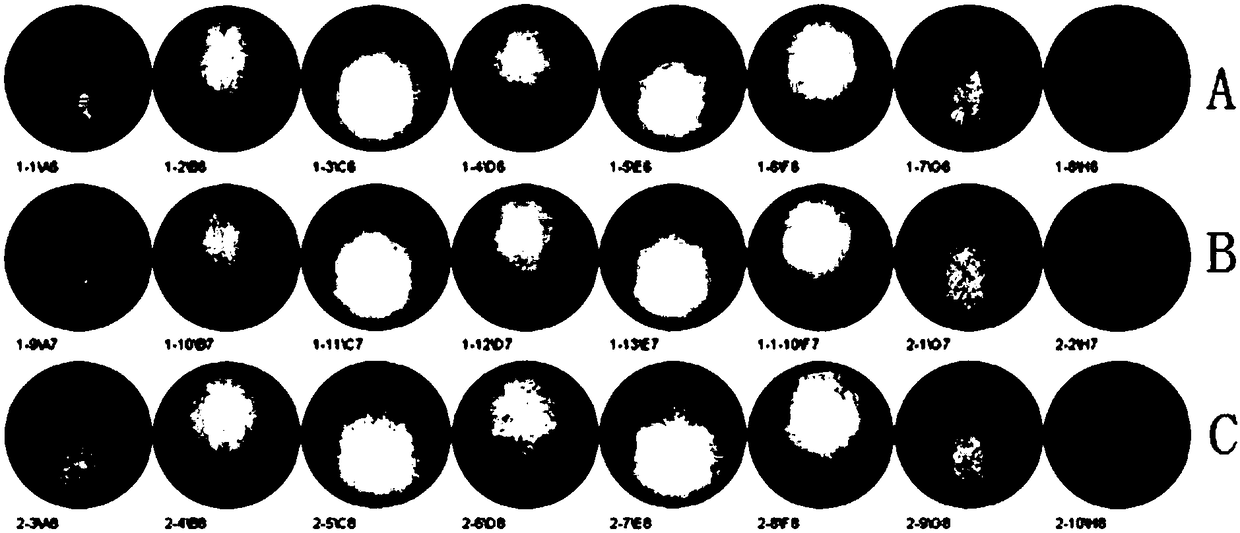
Figure 1 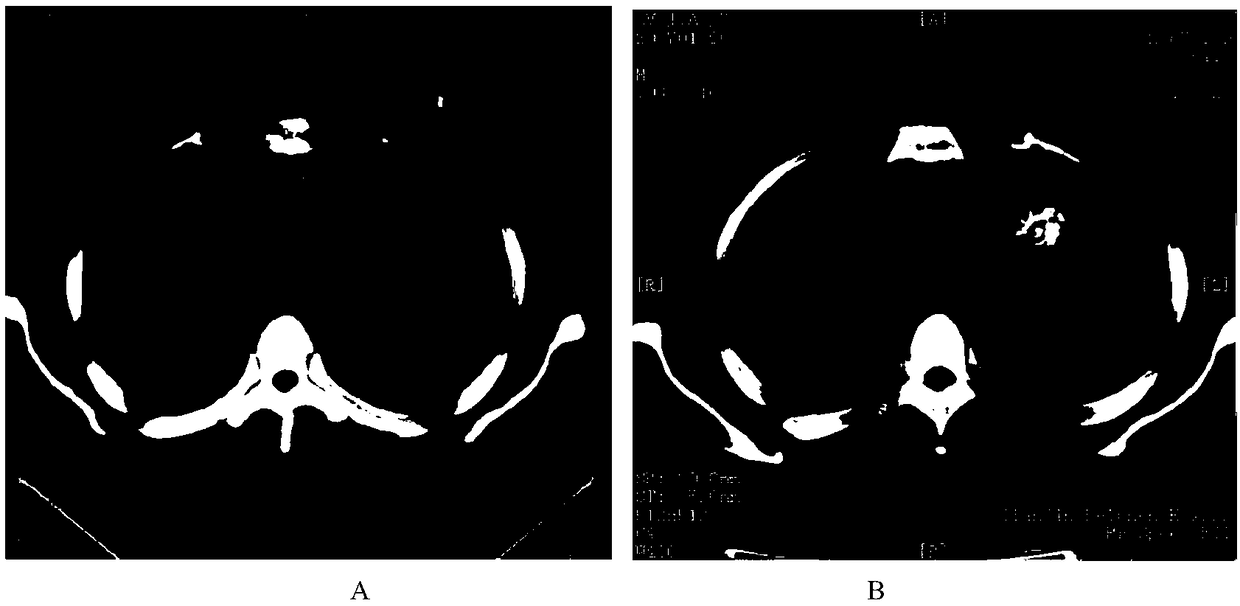
Figure 2 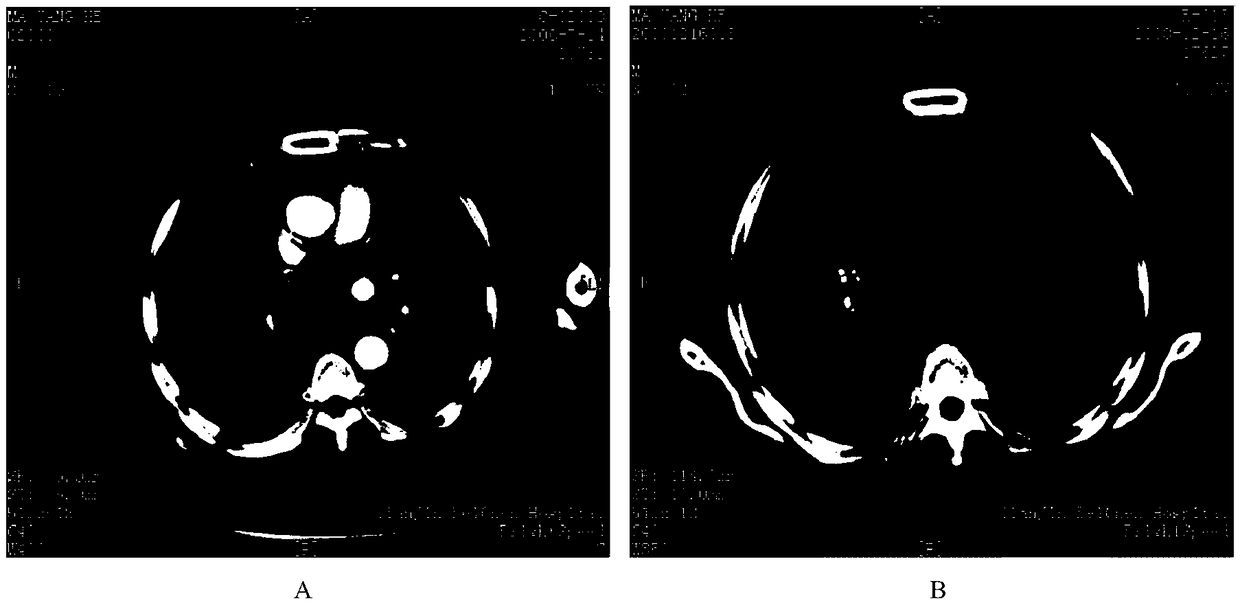
Figure 3
Abstract
Description
technical field
[0001] The invention belongs to the technical field of malignant tumor bioimmune drugs, and in particular relates to an antigen peptide chain group for individualized biological immunotherapy of tumors and its application in medicine. Background technique
[0002] At present, the global incidence of malignant tumors is increasing, the mortality rate is high, and the prognosis is poor. The National Cancer Prevention and Research Office of the National Cancer Center released the largest comprehensive analysis of cancer survival data in China in the International Journal of Cancer. The data shows that the 5-year survival rate of cancer in China is 30.9%, which is far lower than that of developed countries; at the same time, the survival rate of rural patients is only half of urban patients. In developed countries, prostate cancer and breast cancer account for the majority. In China, cancers such as lung cancer, gastric cancer, and liver cancer are more common, ...
Examples
Embodiment 1
[0035]Patient A, female, 49 years old. Lung gland, liver metastases, clinical stage IV, progression after vinorelbine single-drug chemotherapy for 3 times, progression after chemoembolization and iodine 125 seed implantation for liver metastases, KRAS molecular targeted drug resistance. Multiple lung metastases, liver metastases, pleural metastases, bone metastases, abdominal lymph node metastases. A lung lesion biopsy was taken, and after whole exome sequencing and HLA typing chip detection, the patient carried the KRAS p.G12R mutation, and the HLA typing was HLA-A: A*2403A*6501; HLA-B: B*1517B *3201; HLA-C: C*0303C*0712; HLA-DQB1: DQB1*0158DQB1*1121; HLA-DRB1: DRB1*0301DRB1*0601.
[0036] Use the specific tumor antigen peptide chain combination therapy of the present invention once a week for a total of 12 weeks. Detect the secretion of specific CD8+Tetramer+T cells by spot detection before and after the injection of the antigen peptide chain group (hereinafter referred to...
Embodiment 2
[0041] Patient B, female, 65 years old, lung adenocarcinoma, cervical lymph node metastasis, pleural effusion, oral gefitinib resistance. After whole exome sequencing and HLA typing chip detection, the patient carried the KRAS p.G12R mutation, and the HLA typing was HLA-A: A*0102A*0301; HLA-B: B*0201B*3001; HLA-C: C*0106C*0106; HLA-DQB1: DQB1*0302DQB1*0230; HLA-DRB1: DRB1*0024DRB1*1122.
[0042] Combination therapy was performed with the antigen peptide chain group for treating tumors of the present invention once a week for a total of 12 weeks. The specifically selected peptide chain is as follows: SEQ ID No:2.
[0043] The changes in the size of lung tumors before and after treatment are as follows: image 3 shown by image 3 It can be seen that before drug treatment, the size of the tumor in the lower lobe of the right lung was 4cm×3cm ( image 3 -A); After 12 weeks of drug treatment, the tumor in the lower lobe of the right lung basically disappeared ( image 3 -B), t...
Embodiment 3-95
[0045] Example 3-95 Cancer patients of different types and degrees were taken. After whole exome sequencing and HLA typing chip detection, the patients were all patients with KRAS p.G12R mutation, and different combinations of antigen peptide chain groups were used respectively. The treatment was performed once a week for 12 weeks. The results of HLA*A3101-HVKITDFGR Tetramer staining in Example 3-95 and the changes in the size of lung tumors before and after treatment are similar to those in Example 1-2, and will not be repeated here due to space limitations. The above results can all show that the antigen peptide chain group of the present invention can induce dendritic cells that produce tumors, and dendritic cells as antigen-presenting cells can present antigen information to T cells, interact with T cells, and cause T cells to produce tumors. It specifically kills tumor cells, plays a role in killing tumor cells, and the effect is obvious.
[0046] During the treatment of...