

DPP-4 inhibitor with dual action mechanisms and application of DPP-4 inhibitor
A DPP-4, dual-action technology, applied in the field of DPP-4 inhibitor compounds and DPP-4-related disease drugs, can solve problems such as burden, high disability rate, multi-system complications, etc.
Patent Information
- Authority / Receiving Office
- CN · China
- Patent Type
- Applications(China)
- Current Assignee / Owner
- Publication Date
- 2018-09-21
- Estimated Expiration
- Not applicable · inactive patent
Smart Images
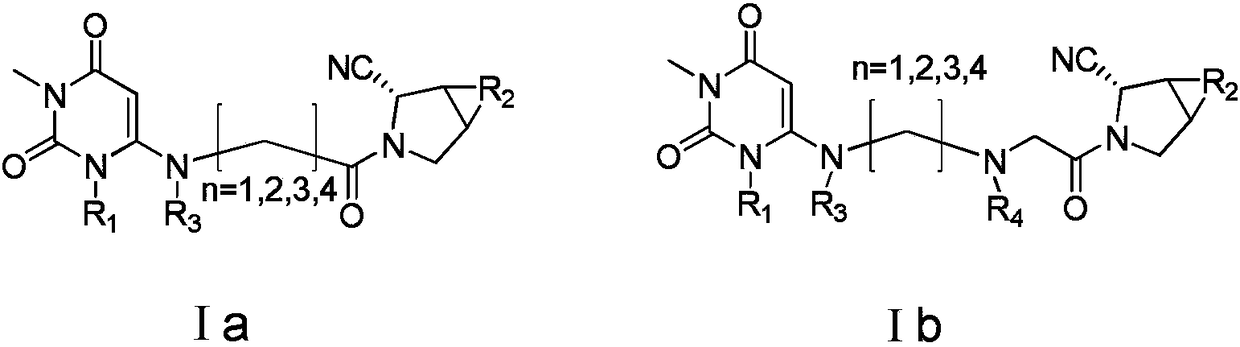
Figure 1 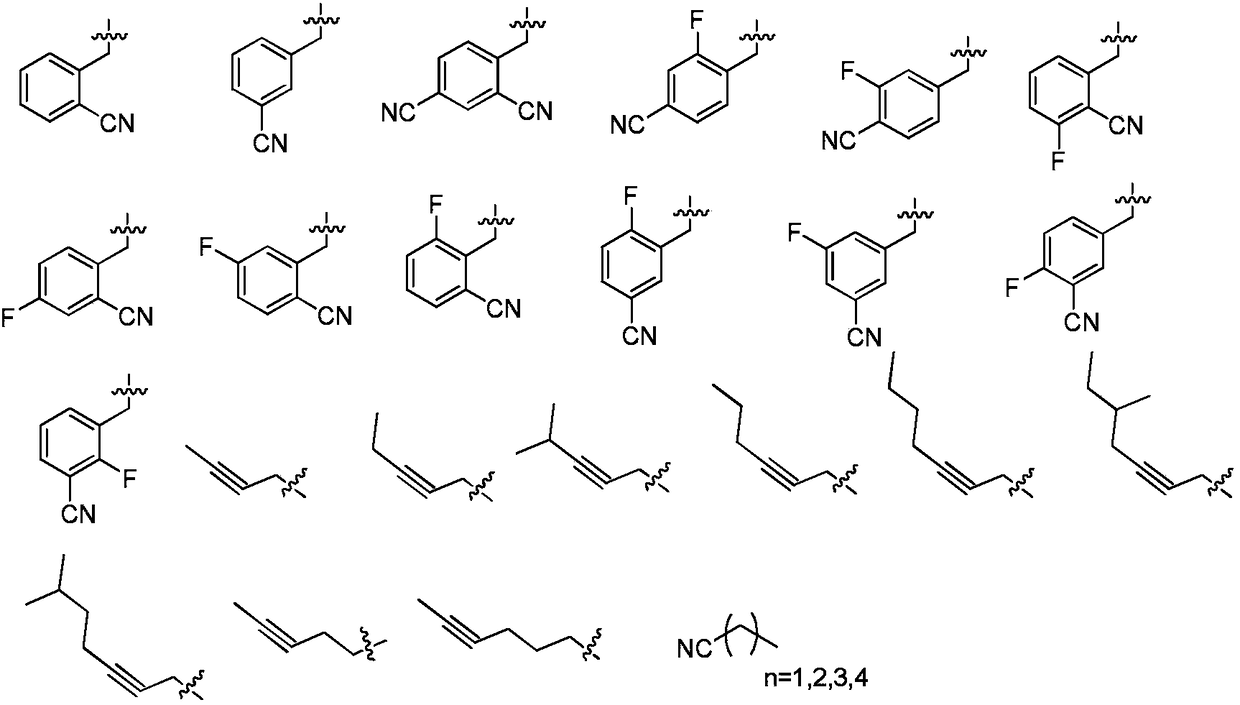
Figure 2 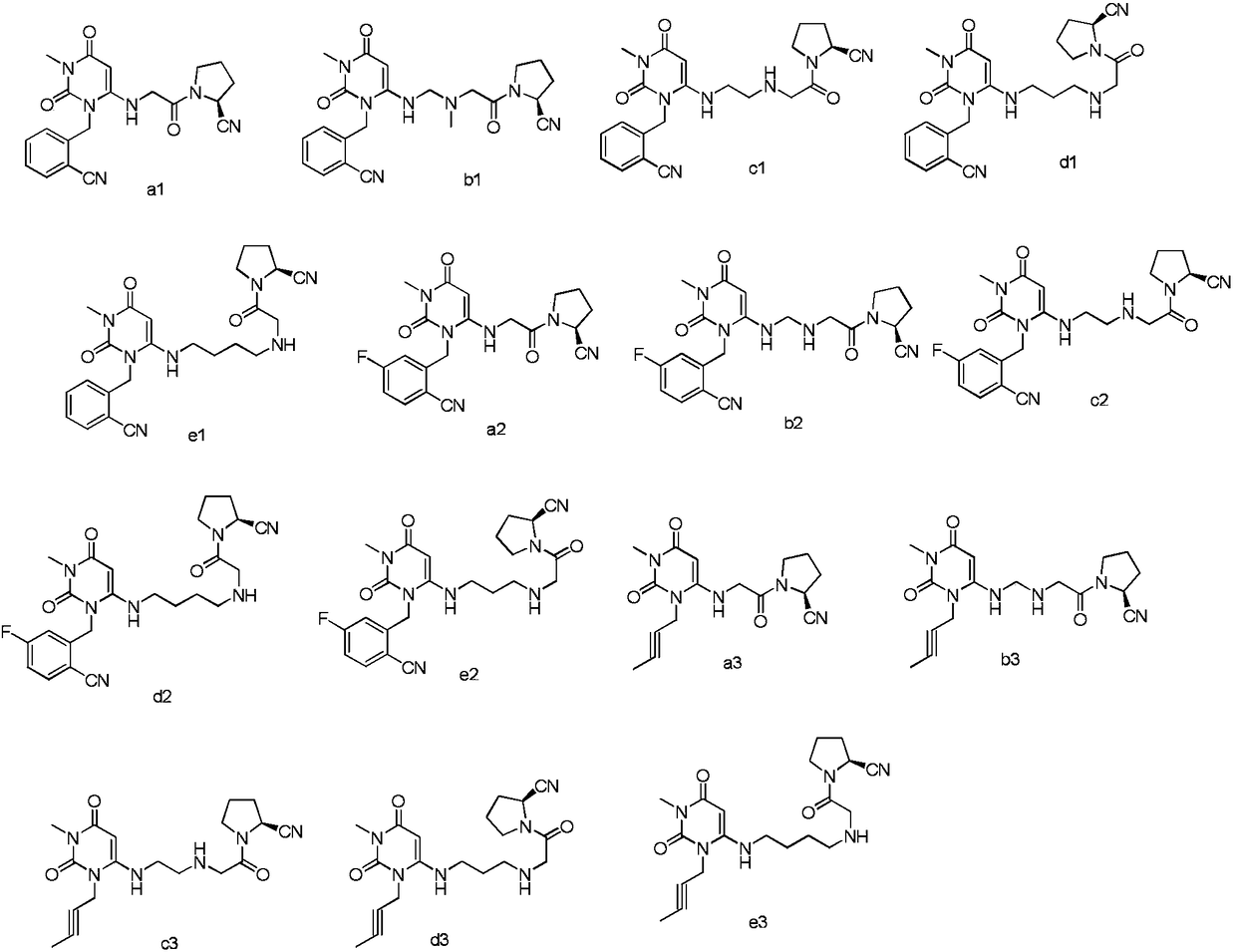
Figure 3
Abstract
Description
technical field
[0001] The invention belongs to the field of dipeptidyl peptidase IV inhibitor drugs, and specifically relates to a novel DPP-4 inhibitor compound with a dual mechanism of action and a drug for treating and preventing diabetes and other diseases related to DPP-4 use. Background technique
[0002] Diabetes mellitus is a group of metabolic diseases characterized by hyperglycemia that affects 415 million people worldwide. T2DM is caused by the body's insufficient response to insulin and accounts for about 90 percent of all people with diabetes. T2DM will lead to multi-system complications of the body, and has a high disability rate, which will bring a huge burden to the society. However, traditional T2DM treatment usually leads to some adverse reactions, such as hypoglycemia, edema, and weight gain. Therefore, more sustained efforts should be made to meet the medical needs of this disease.
[0003] GLP-1 is one of the important incretin hormones that stimula...
Examples
Embodiment Construction
[0025] Synthesis Cases of Compound Ia Series
[0026]
[0027] The synthetic method of compound a1:
[0028] ①Add 6-amino-3-methyluracil (14.1g, 0.1mol) into a 1000ml single-necked bottle, add 300ml of dichloromethane and add a magnet, turn on the stirrer for stirring, then add triethylamine (10.1 g, 0.1mol), turn on the refrigeration, and wait until the temperature drops to 10°C. General (Boc) 2 O (21.8g, 0.1mol) was dissolved in 30ml of dichloromethane, and slowly added dropwise into the one-necked bottle. After 0.5h, the dropwise addition was completed. Turn off the refrigeration, slowly warm up to room temperature, and react for another 4 hours, and the plate reaction is complete. Add 200ml of water, separate, extract, dry over anhydrous sodium sulfate, and evaporate to dryness. A pale yellow oil was obtained.
[0029] ② The raw materials in the previous step are calculated according to the feed intake of the reaction at a 100% molar yield. The product in the previ...