
Method and application of femtosecond laser direct writing processing with near 4π solid angle using multiphoton excitation
A femtosecond laser and multi-photon technology, applied in laser welding equipment, metal processing equipment, optics, etc., to achieve the effect of solving the problem of out-of-focus and uniform material properties
Patent Information
- Authority / Receiving Office
- CN · China
- Patent Type
- Patents(China)
- Current Assignee / Owner
- Publication Date
- 2020-07-10
Smart Images
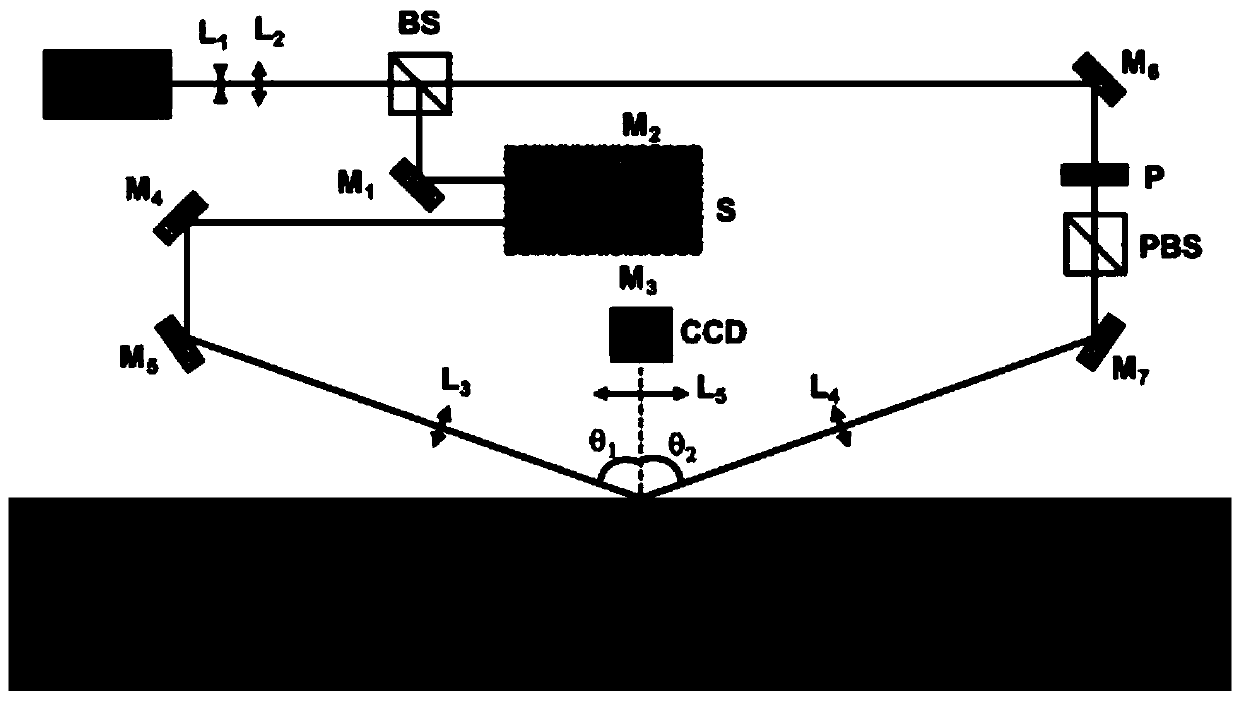
Figure 1 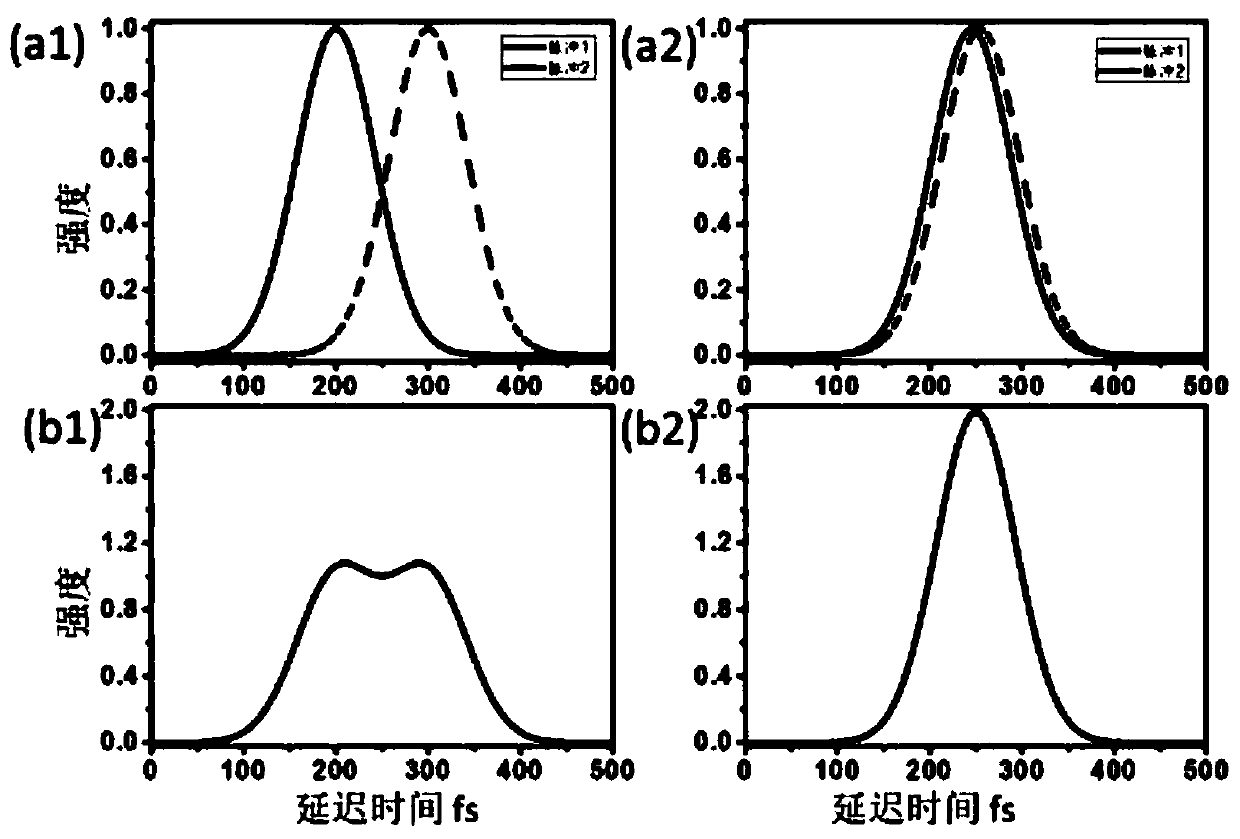
Figure 2 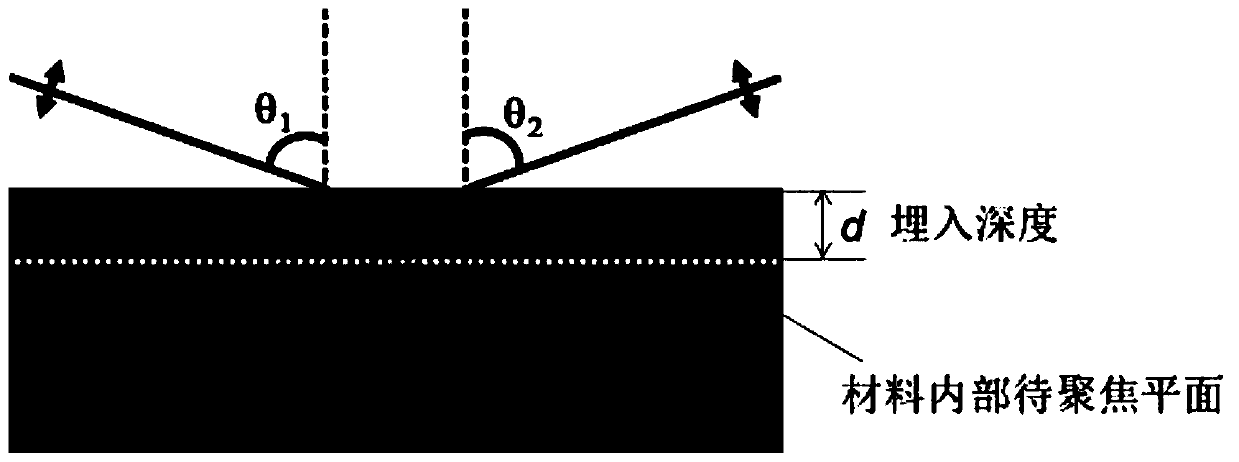
Figure 3
Abstract
Description
technical field
[0001] The invention belongs to the technical field of laser processing, and specifically relates to direct writing processing of femtosecond laser with large embedded depth by using multi-photon excitation. Direct-write processing of excited 3D buried structures.
[0002] technical background
[0003] Quantum information technology has become one of the key technologies developed by various countries because of its super parallel computing capabilities, large-capacity information transmission and processing capabilities, and high security characteristics based on the basic principles of quantum mechanics. Among the many physical systems that can support quantum information technology, photons have become the most important quantum information carrier due to their good generation, manipulation and detection characteristics. Furthermore, in order to meet the stability requirements of quantum computer systems, basic components such as beam splitters and wavegui...
Examples
Embodiment 1
[0027] Multiphoton excitation is achieved by adjusting the time-domain synchronization of sub-beam femtosecond laser pulses.
[0028] The way of using multi-photon excitation to "combine" energy can also provide the energy required for material modification. At the same time, the orthogonally converging sub-beam femtosecond laser can form a near-spherical focal spot with a solid angle of nearly 4π, which can correct the serious defocus of a single femtosecond laser in direct writing processing with a large embedding depth. In order to ensure that the energy of multiple photons can be effectively superimposed, it is necessary to adjust the pulse of the sub-beam laser through the optical path to achieve synchronization in time and space, that is, synchronization in the instant domain. Time synchronization adjustment is performed first, even if the sub-beam femtosecond lasers after beam splitting go through the same optical path. Then carry out spatial synchronization adjustment...
Embodiment 2
[0035] Three-dimensional embedded waveguide quantum devices using multiphoton excitation focal spot with near 4π solid angle.
[0036] By adjusting the time-domain synchronization of sub-beam femtosecond laser pulses, a multi-photon excitation focal spot with a solid angle of nearly 4π can be obtained deep inside the material, and its energy distribution has a near-spherical characteristic, thereby effectively correcting the defocus. Three-dimensional embedded quantum devices such as three-dimensional waveguides can be obtained by direct writing processing using multi-photon excitation focal spots with near 4π solid angle.
[0037] Three-dimensional embedded structure processing with multiphoton excitation focal spot with nearly 4π solid angle:
[0038] (1) Generation of time-synchronized pulses: the same as in Embodiment 1, wherein the femtosecond laser beam expands the spot by 4 times.
[0039] (2), pulse space synchronization adjustment: same as embodiment 1.
[0040] (3)...