
1,2-oxygen azetidines compound and preparation method and application thereof
A technology of heterocyclobutanes and compounds, which is applied in the field of 1,2-oxazetidine compounds and their preparation, can solve the problems of poor functional group tolerance, poor chemoselectivity, poor atom economy, etc., and achieve high yield , good regioselectivity and mild reaction conditions
Patent Information
- Authority / Receiving Office
- CN · China
- Patent Type
- Applications(China)
- Current Assignee / Owner
- Publication Date
- 2019-04-26
Smart Images
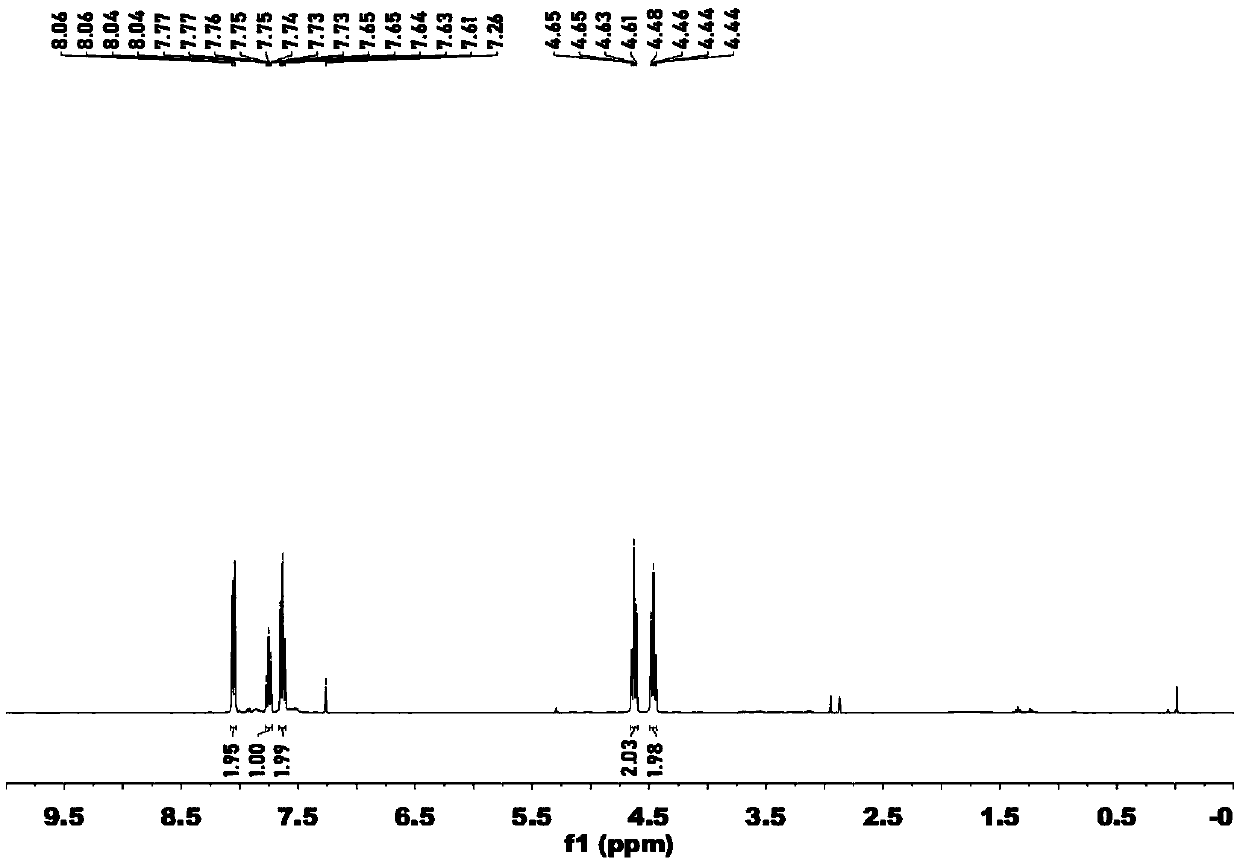
Figure 1 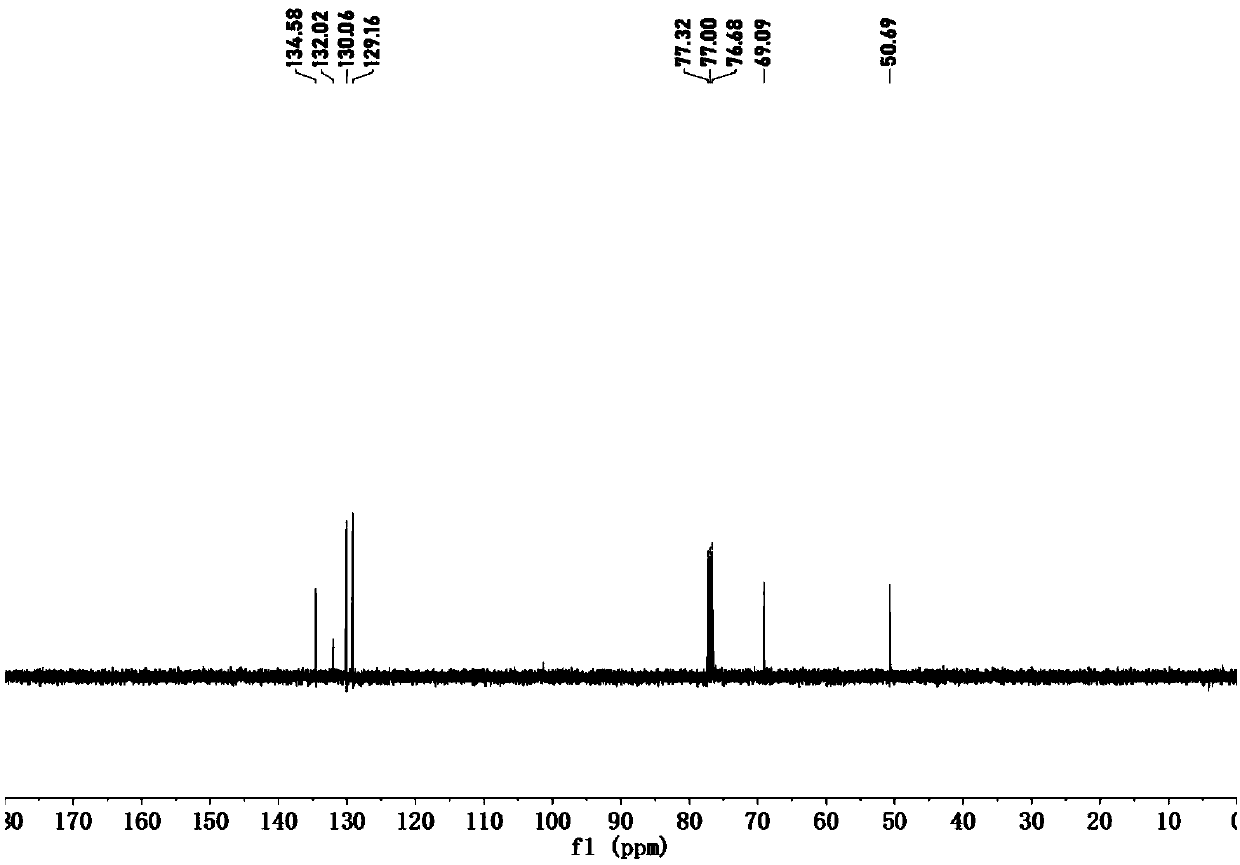
Figure 2 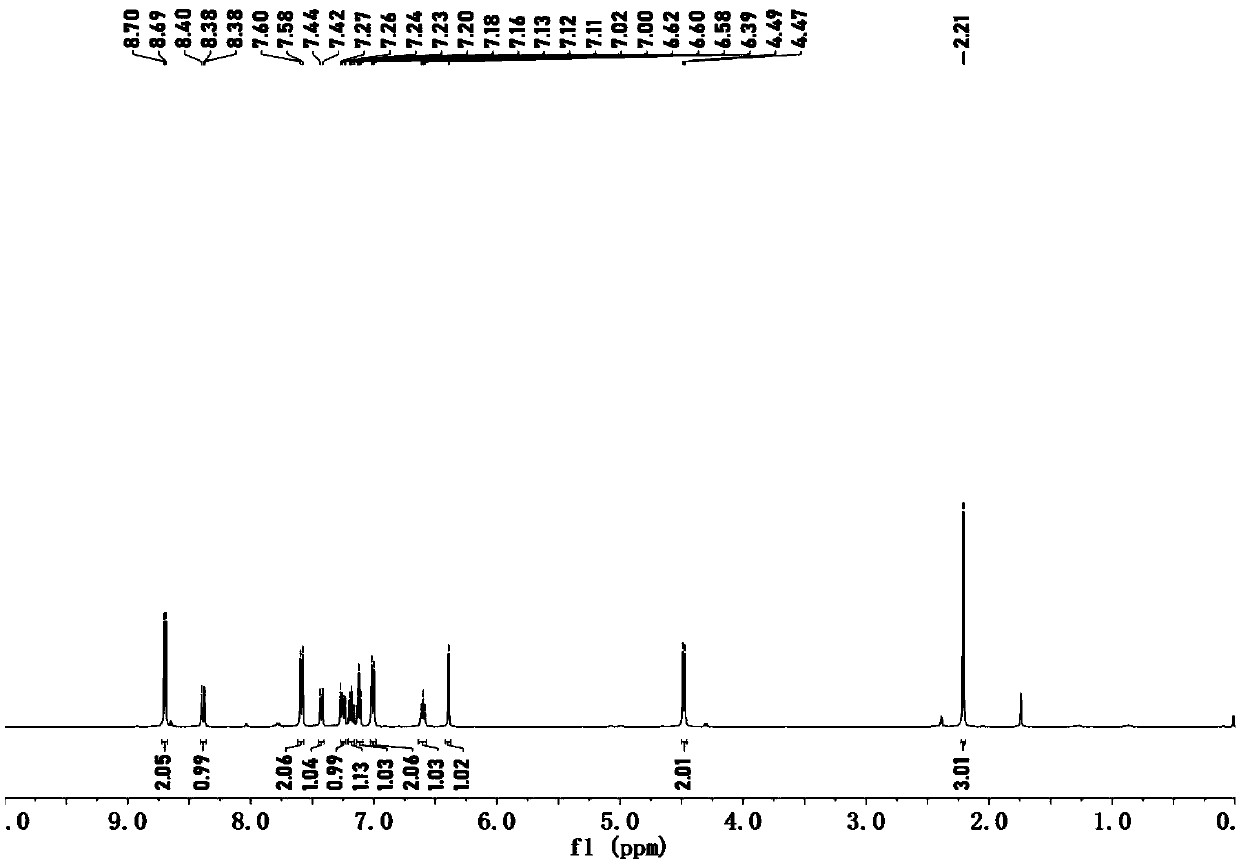
Figure 3
Abstract
Description
technical field
[0001] The invention belongs to the technical field of organic synthesis methodology, and in particular relates to a 1,2-oxazetidine compound and its preparation method and application. Background technique
[0002] Aminomethyl and hydroxymethyl fragment aromatic compounds widely exist in biologically active natural products, drug molecules and functional materials. In the field of organic synthesis, it is necessary to find a method for efficiently and accurately introducing aminomethyl and hydroxymethyl into aromatic systems.
[0003] The current methods for introducing aminomethyl and hydroxymethyl groups into aromatic compounds include: (1) Mannich reaction; (2) nucleophilic addition reaction of highly active aryl organometallic reagents to imines or aldehydes; (3) transition Metal-catalyzed cross-coupling reactions of aryl halides with activated amines or aldehydes. However, all three types of reactions have certain limitations. For example, the substra...
Examples
Embodiment 11
[0055] Example 1 Preparation of 1,2-oxazetidine compounds
[0056] (1) Add 120mmol 1,2-dibromoethane and 120mmol triethylamine to 80mL N,N-dimethylformamide solution containing 60mmol N-hydroxyphthalimide, and stir at room temperature until the reaction solution Become colorless, collect the precipitated solid in the reaction solution, dilute the filtrate with ice water and filter out the precipitated solid, combine the precipitated solid and recrystallize the precipitate with ethanol, which is compound III;
[0057] (2) Add 15 mL of hydrobromic acid with a mass concentration of 48% to 120 mmol of compound III in 10 mL of glacial acetic acid, stir and react at 130° C. for 5 minutes, cool, filter, and concentrate the filtrate to obtain yellow compound IV;
[0058] (3) Add 5 mL of pyridine to 8.7 mmol of compound IV, stir and react at room temperature for 5 minutes, then add 20.9 mmol of 4-methylbenzenesulfonyl chloride to the reaction solution, stir at room temperature for 5 ho...
Embodiment 2
[0062] (1) Add 120mmol 1,2-dibromoethane and 120mmol triethylamine to 80mL N,N-dimethylformamide solution containing 60mmol N-hydroxyphthalimide, and stir at room temperature until the reaction The liquid becomes colorless, collect the precipitated solid in the reaction solution, dilute the filtrate with ice water and filter out the precipitated solid, combine the precipitated solid and recrystallize the precipitate with ethanol, which is compound III;
[0063] (2) Add 15 mL of hydrobromic acid with a mass concentration of 48% to 120 mmol of compound III in 10 mL of glacial acetic acid, stir and react at 130° C. for 5 minutes, cool, filter, and concentrate the filtrate to obtain yellow compound IV;
[0064] (3) Add 5 mL of pyridine to 8.7 mmol of compound IV, stir and react at room temperature for 5 minutes, add 20.9 mmol of benzenesulfonyl chloride to the reaction solution, stir at room temperature for 5 hours, then add 1.0 M hydrochloric acid dropwise to the reaction solution...
Embodiment 3
[0067] (1) Add 120mmol 1,2-dibromoethane and 120mmol triethylamine to 80mL N,N-dimethylformamide solution containing 60mmol N-hydroxyphthalimide, and stir at room temperature until the reaction The liquid becomes colorless, collect the precipitated solid in the reaction solution, dilute the filtrate with ice water and filter out the precipitated solid, combine the precipitated solid and recrystallize the precipitate with ethanol, which is compound III;
[0068] (2) Add 15 mL of hydrobromic acid with a mass concentration of 48% to 120 mmol of compound III in 10 mL of glacial acetic acid, stir and react at 130° C. for 5 minutes, cool, filter, and concentrate the filtrate to obtain yellow compound IV;
[0069] (3) Add 5 mL of pyridine to 8.7 mmol of compound IV, stir and react at room temperature for 5 minutes, add 20.9 mmol of p-fluorobenzenesulfonyl to the reaction solution, stir at room temperature for 5 hours, then add 1.0 M hydrochloric acid solution to neutrality, extracted...