
A high-potential high-power thermal battery positive electrode material and preparation method thereof
A technology of positive electrode materials and active positive electrode materials, which is applied in the field of high potential and high power thermal battery positive electrode materials and its preparation, can solve the problems of not significantly improving the conductivity of materials, hindering electron movement, and hindering the degree of electrolyte infiltration, etc., to achieve excellent The effect of high-power pulse carrying capacity, improving high-current carrying capacity, and improving high-power output capacity
Patent Information
- Authority / Receiving Office
- CN · China
- Patent Type
- Patents(China)
- Current Assignee / Owner
- Publication Date
- 2021-06-18
Smart Images
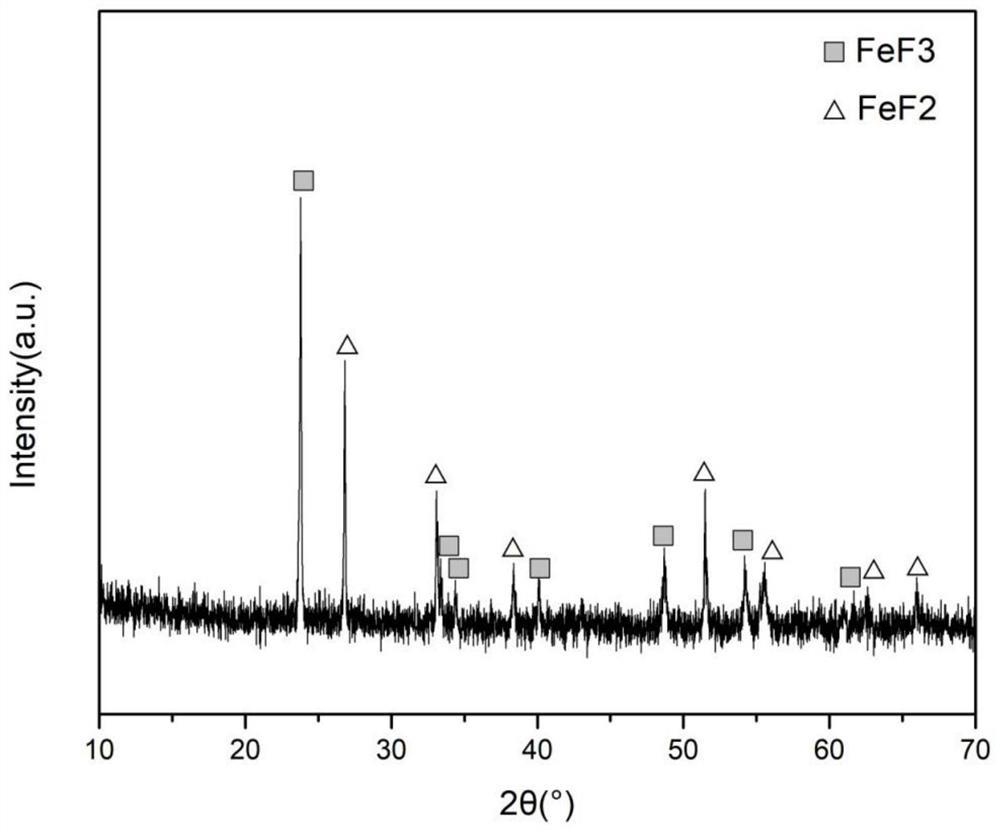
Figure 1 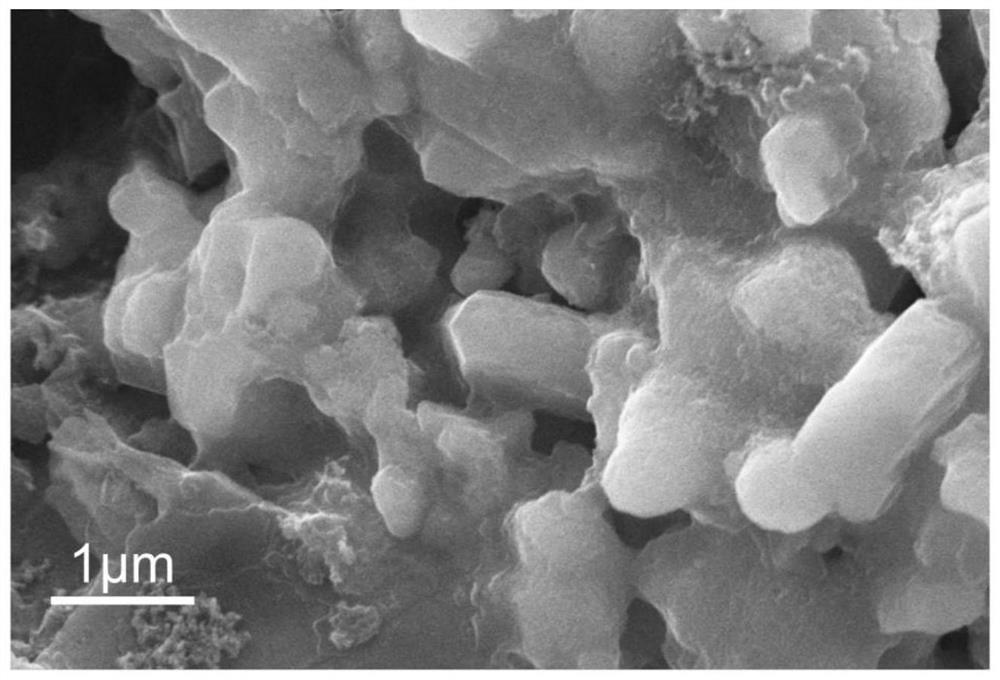
Figure 2 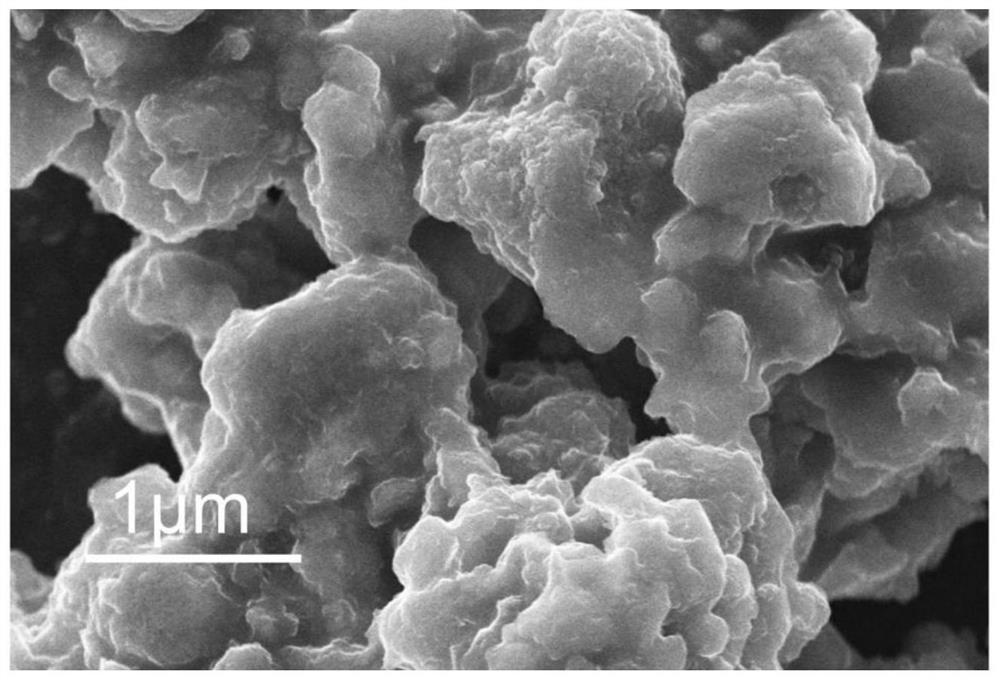
Figure 3
Abstract
Description
technical field
[0001] The invention belongs to the technical field of thermal batteries, and in particular relates to a high-potential and high-power thermal battery cathode material and a preparation method thereof. Background technique
[0002] In various temperatures, climates and dynamic environments, thermal batteries have a maintenance-free shelf life of up to 20 years, because the ionic conductivity of the molten salt electrolyte used exceeds that of conventional lithium-ion battery electrolytes by many orders of magnitude, so its It can provide high-power output performance and ensure the power demand of power supply equipment. It is an ideal choice for military and aerospace electrical equipment batteries.
[0003] The existing thermal battery system is dominated by lithium-based anodes, which include lithium-silicon alloys and lithium-boron alloys. The potential of lithium-silicon alloy to lithium is 157mV, while the potential of lithium-boron alloy to lithium is...
Examples
Embodiment 1
[0043] A high-potential and high-power thermal battery positive electrode material is prepared from the following raw materials according to weight percentage: 50% of composite high-potential active positive electrode material, 49.5% of high-ionic conductivity electrolyte, and 0.5% of high-conductivity electronic conductive agent; The composite high potential active cathode material is composed of 69.1% FeF by weight 3 and 30.9% FeF 2 Common composition, its preparation method is an in-situ synthesis method; the high ion conductivity electrolyte is a LiF-NaF-LiCl eutectic molten salt.
[0044] Further, using the in-situ synthesis method to prepare a composite high-potential active positive electrode material specifically includes the following steps:
[0045] (1) Fluorination: Fe 2 o 3 As a raw material, put it in a high-pressure reactor and mix it with HF solution at room temperature, let it stand, heat and keep it warm, and generate FeF 3 , the FeF was washed off with di...
Embodiment 2
[0053] A high-potential and high-power thermal battery positive electrode material is prepared from the following raw materials according to weight percentage: 95% of composite high-potential active positive electrode material, 4% of high-ionic conductivity electrolyte, and 1% of high-conductivity electronic conductive agent; The composite high potential active cathode material is composed of 65.3% FeF by weight 3 and 34.7% FeF2 Common composition, its preparation method is an in-situ synthesis method; the high ion conductivity electrolyte is a LiF-NaF-LiCl eutectic molten salt.
[0054] Further, using the in-situ synthesis method to prepare a composite high-potential active positive electrode material specifically includes the following steps:
[0055] (1) Fluorination: Fe 2 o 3 As a raw material, put it in a high-pressure reactor and mix it with HF solution at room temperature, let it stand, heat and keep it warm, and generate FeF 3 , the FeF was washed off with distilled...
Embodiment 3
[0063] A high-potential and high-power thermal battery positive electrode material is prepared from the following raw materials according to weight percentage: 55% of composite high-potential active positive electrode material, 25% of high-ionic conductivity electrolyte, and 20% of high-conductivity electronic conductive agent; Composite high-potential active cathode material consists of 90% FeF by weight 3 and 10% FeF 2 Common composition, the preparation method is a direct mixing method; the high ion conductivity electrolyte is LiF-KF-LiCl eutectic molten salt.
[0064] Further, the specific method for preparing the composite high-potential active positive electrode material by direct mixing is as follows: FeF 3 and FeF 2 The raw materials are fed into a high-energy ball mill according to weight percentage, and ball-milled for 3 minutes in a high-energy ball mill with a rotating speed of 600r / min.
[0065] Further, the ionic conductivity of the electrolyte with high ionic...