
Dual-polarized microstrip patch antenna, packaged antenna and terminal equipment
A microstrip patch antenna and dual-polarization technology, applied in resonant antennas and other directions, can solve the problem of low polarization isolation of antennas, achieve low mutual interference, realize duplex transmission and reception, and improve polarization isolation
Patent Information
- Authority / Receiving Office
- CN · China
- Current Assignee / Owner
- Publication Date
- 2022-04-22
Smart Images
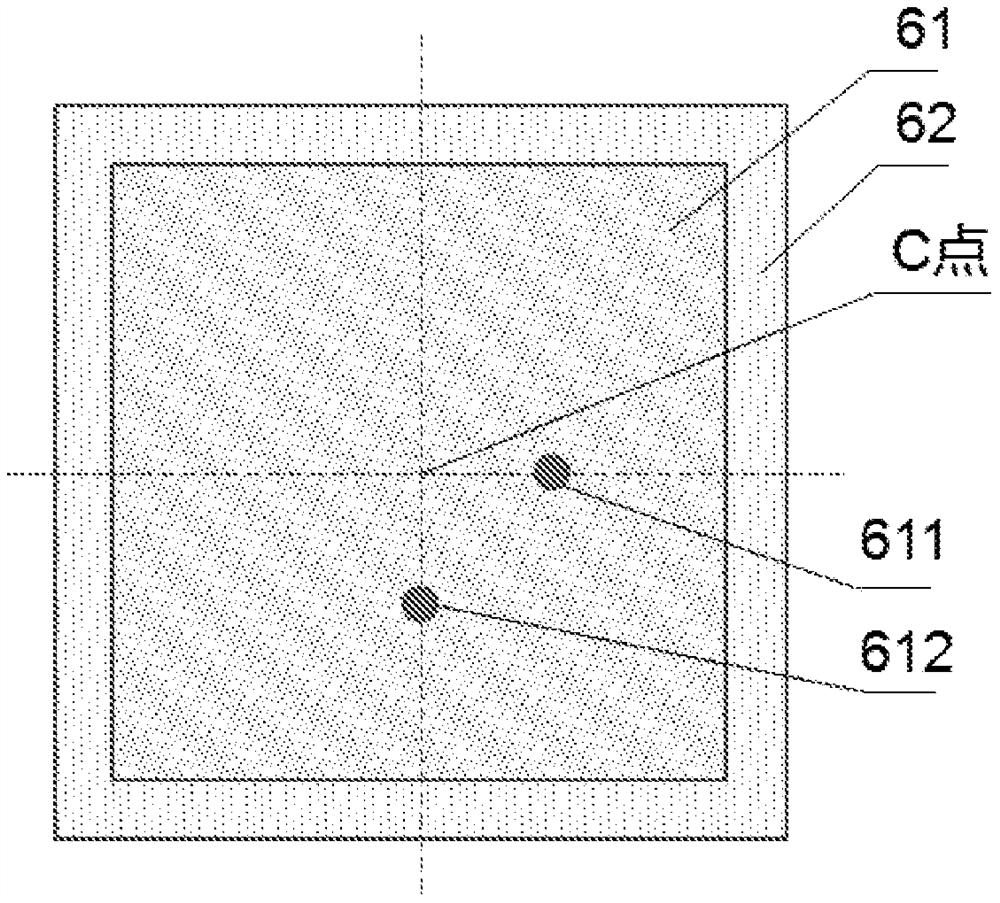
Figure 1 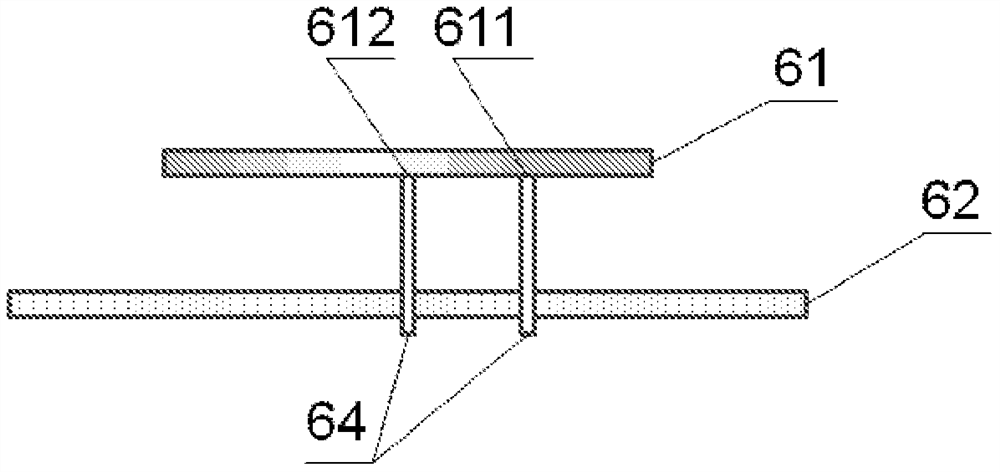
Figure 2 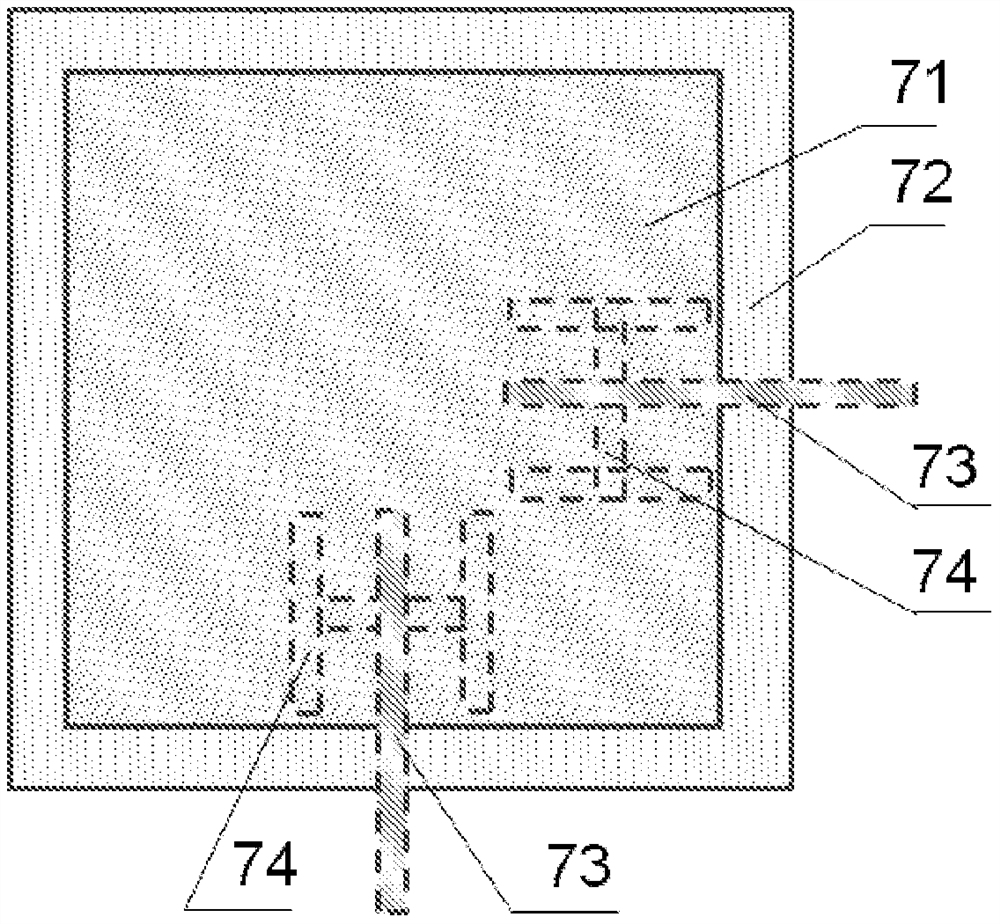
Figure 3
Abstract
Description
Technical field
[0001] The present application relates to the field of antenna technology, specifically to a dual-polarized microstrip patch antenna, a packaged antenna and a terminal device. Background
[0002] An antenna is a transceiver component of a wireless communication system. Microstrip antennas have the advantages of low profile, low cost, easy integration, etc., and have been widely used in the field of wireless communications. Microstrip antennas come in many different architectural forms, mainly including three basic components: radiation unit, reference ground and feed structure. When the radiation unit is implemented in the form of a radiation patch, such an antenna is also called a microstrip patch antenna (mpa).
[0003] The direction of the electric field formed when the antenna radiates is the direction of the polarization of the antenna. Dualpolarization of an antenna refers to two orthogonal polarization directions when the antenna is radiated, that is, the ...
Examples
Embodiment Construction
[0057] The following will be a detailed description of the embodiment of the present application.
[0058] In order to facilitate the understanding of the technical solution of the present application, the following first antenna feed point, isolation of the two concepts of a brief introduction.
[0059] The feedpoint of the antenna, also known as the feed port, mainly refers to the interface between the feeder and the antenna. For some microstrip patch antennas, the feed point marked on the radiation patch indicates where the probe is connected to the radiation patch. The position of the feed point on the radiation patch is different, that is, the contact position between the probe and the surface of the radiation patch is different, and the impedance of the antenna is correspondingly different. When designing an antenna, the impedance of the antenna can be matched to the impedance of the feeder by selecting the appropriate location.
[0060] For a dual-polarized microstrip patch...