
Novel repairing agent for heavy metal and organic matter combined polluted soil
A technology of compound pollution and remediation agent, applied in the field of environmental management and contaminated site remediation, can solve the problems of economic and environmental loss, affecting human health, aquatic organism poisoning, etc., achieving high remediation efficiency, easy redevelopment and utilization, no secondary The effect of pollution
Patent Information
- Authority / Receiving Office
- CN · China
- Current Assignee / Owner
- Publication Date
- 2021-05-07
Smart Images

Figure 1 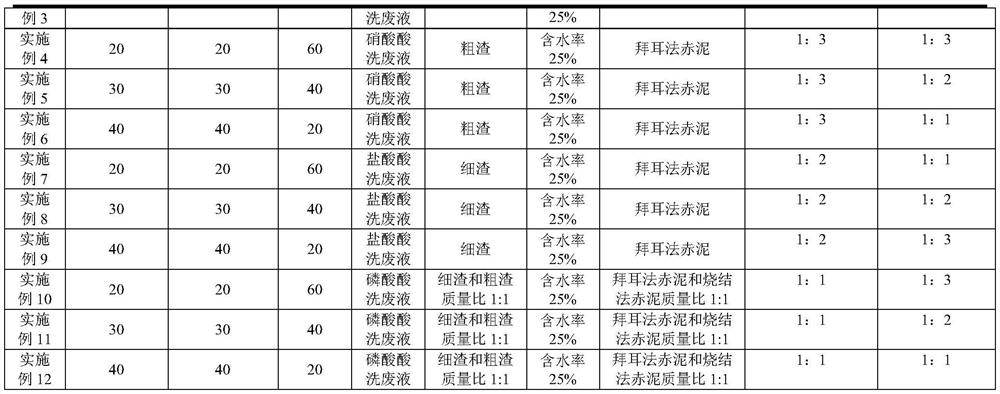
Figure 2 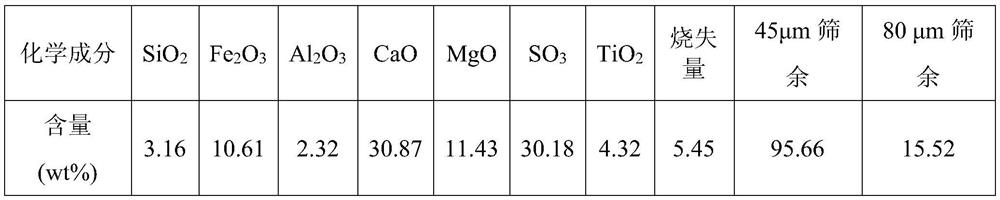
Figure 3
Abstract
Description
technical field
[0001] The invention belongs to the technical field of environmental treatment and restoration of polluted sites, and in particular relates to a novel restoration agent for compound polluted soil of heavy metals and organic matter. Background technique
[0002] Heavy metals and organic pollutants have obvious differences in chemical properties, migration capabilities, and storage forms. At the same time, there are complex interactions between them and soil particles, water, organic matter, and soluble salts in the soil. Therefore, heavy metals and organic compounds are polluted together. The harmless treatment of soil has always been a difficult point in the field of environmental restoration. At present, technologies such as steam extraction, electrokinetic repair, and solidification stabilization that have been put into use at home and abroad are often only effective for a certain type or type of pollutant-contaminated sites. The combined use of restoratio...
Examples
Embodiment Construction
[0030] The technical solution of the present invention will be described in detail below.
[0031] The embodiment of the present invention provides a novel remediation agent for compound polluted soil with heavy metals and organic matter. The novel remediation agent includes the following components according to mass percentage:
[0032] Titanium gypsum modified coal gas waste residue: 20-40%;
[0033] Red mud modified cyanobacteria-based carbonaceous material: 20-40%;
[0034] Iron and steel pickling waste liquid: 20-60%.
[0035] Preferably, the titanium gypsum modified coal gasification waste residue is made through the following steps:
[0036] Step 101) Drying and dehydrating the titanium gypsum and coal gasification waste slag obtained from the storage yard respectively, then using mechanical grinding, and passing through nylon sieves respectively to obtain titanium gypsum powder and coal gasification waste residue powder;
[0037] Step 102) After dry mixing the titan...