
Quinoline derivative as well as preparation method and application thereof
A derivative, quinoline technology, applied in the field of quinoline derivatives and their preparation, can solve the problems of limitations, lack of universality, quinoline derivative fluorescein cannot be used to label small molecular compounds, etc., and meet the reaction conditions Mild, broadened selection range, and stable fluorescence properties
Patent Information
- Authority / Receiving Office
- CN · China
- Patent Type
- Applications(China)
- Current Assignee / Owner
- Publication Date
- 2021-05-21
- Estimated Expiration
- Not applicable · inactive patent
Smart Images
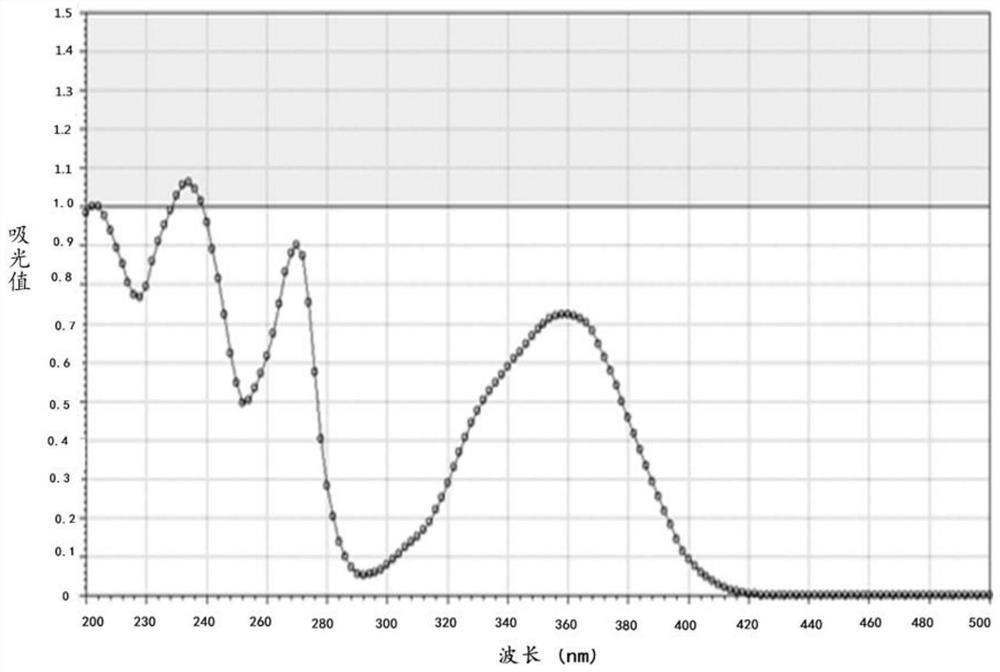
Figure 1 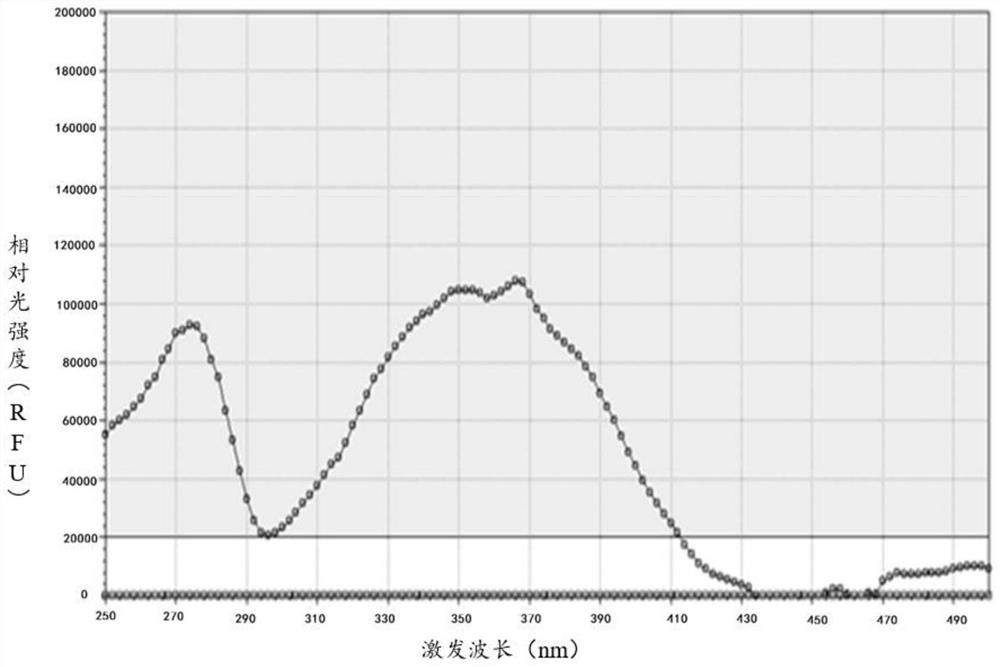
Figure 2 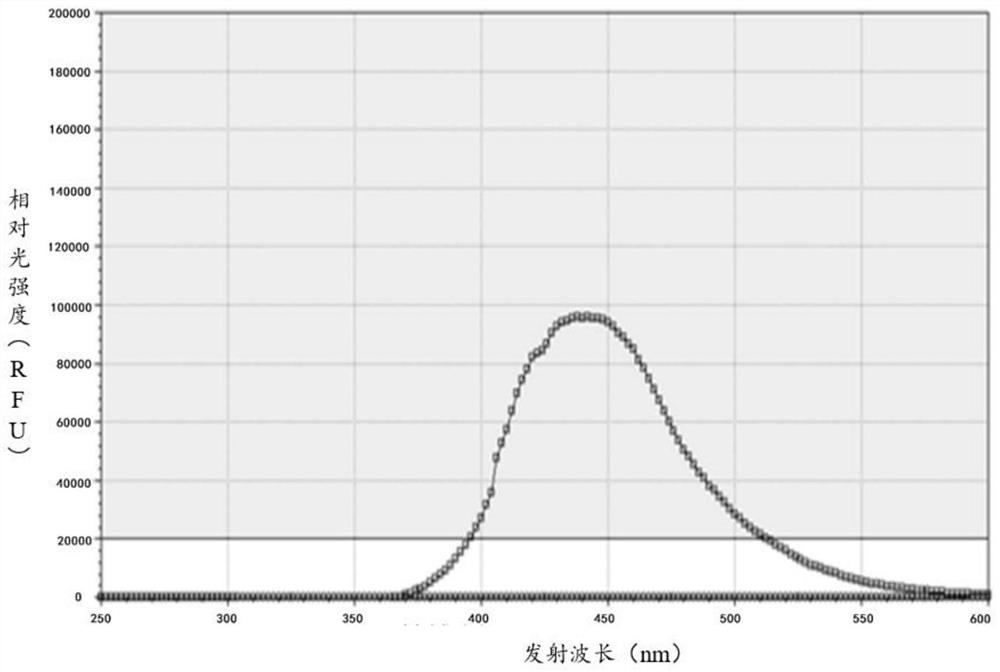
Figure 3
Abstract
Description
technical field
[0001] The invention relates to the technical field of chemical industry, in particular to a quinoline derivative and its preparation method and application. Background technique
[0002] The parent structure of quinoline derivatives is quinoline, which was first isolated from coal tar. Quinoline derivatives are a very important class of heterocyclic compounds. Due to their obvious pharmacological and biological activities, they have been widely used in the fields of drug screening, dye industry and chemical analysis. A large number of studies have shown that many compounds with quinoline rings have obvious biological and pharmacological activities such as antibacterial, bactericidal, analgesic, antiallergic, antimalarial, antitumor, anticancer, antihypertensive, antidepressant and memory enhancement, and In recent years, quinoline derivatives have also been used to develop drugs for the treatment of AIDS. In addition, due to the excellent optical propertie...
Examples
Embodiment 1
[0072] This embodiment provides a quinoline derivative of the present invention and a preparation method thereof.
[0073] Concrete preparation steps are as follows:
[0074] (1) 4-benzoyl butyric acid is subjected to amidation reaction to obtain compound I:
[0075] Dissolve 119g (100mmol) of 4-benzoylbutyric acid in 500mL of dichloromethane (DCM), then add 8.97g (110mmol) of dimethylamine hydrochloride, 50mL of N,N-diisopropylethylamine (DIPEA ), 41.80g (110mmol) tetramethylurea hexafluorophosphate (HATU), stirred at room temperature 25°C for 16h, after the reaction, washed with 500mL water each time, repeated twice, then dried with anhydrous sodium sulfate, centrifuged The precipitated substance was taken and separated by thin-layer chromatography (the developing solvent was dichloromethane / methanol (v / v, 50:1)) to obtain 14.25 g of compound I with a yield of 65%.
[0076] (2) subjecting the compound I to an oximation reaction to obtain compound II;
[0077] 14.25g (65mm...