
Dithiophospholipid compound and preparation method thereof
A technology of dithiophospholipids and compounds, applied in the direction of phosphorus organic compounds, chemical instruments and methods, compounds of Group 5/15 elements of the periodic table, etc., can solve problems such as limited application range, lack of GSH response fracture, etc.
Patent Information
- Authority / Receiving Office
- CN · China
- Patent Type
- Applications(China)
- Current Assignee / Owner
- Publication Date
- 2021-07-06
Smart Images
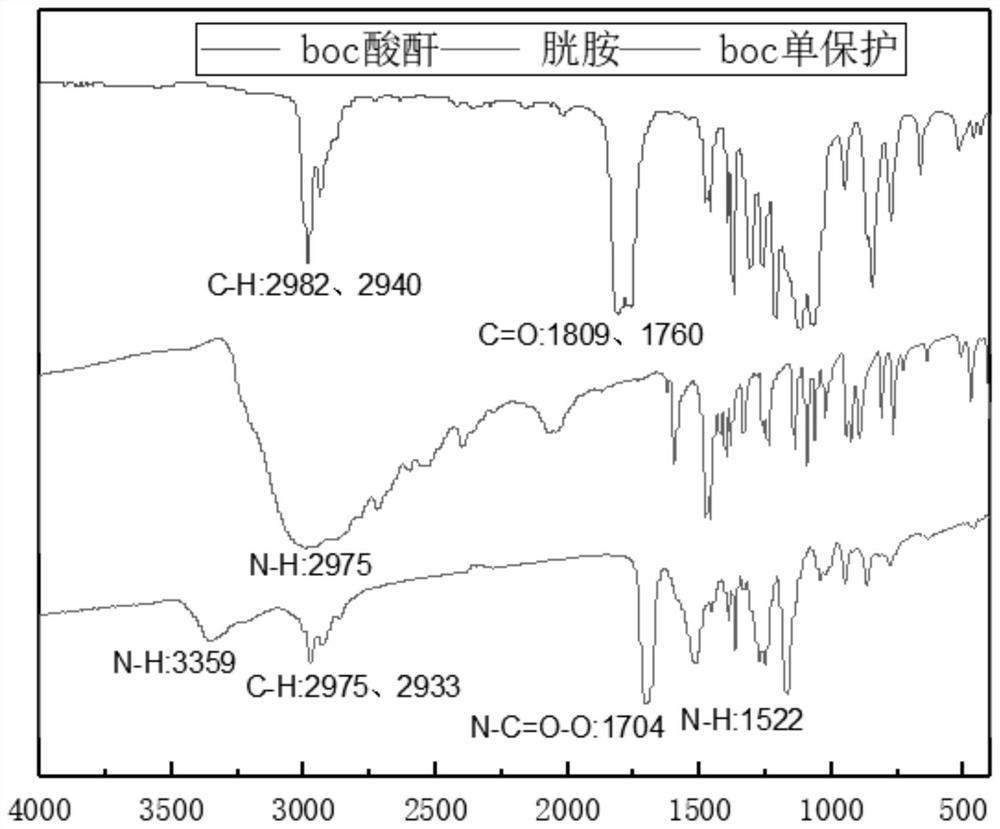
Figure 1 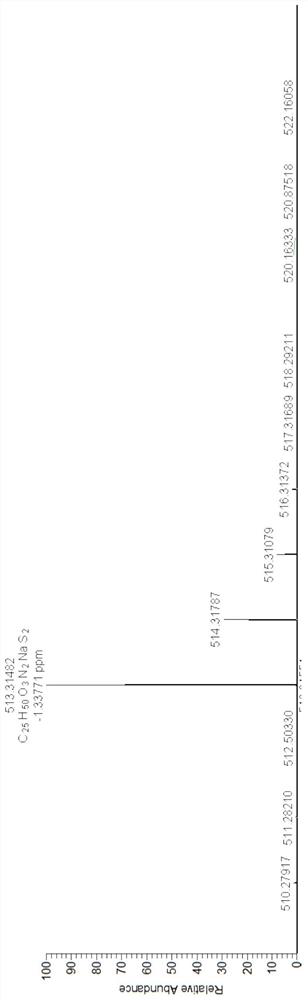
Figure 2 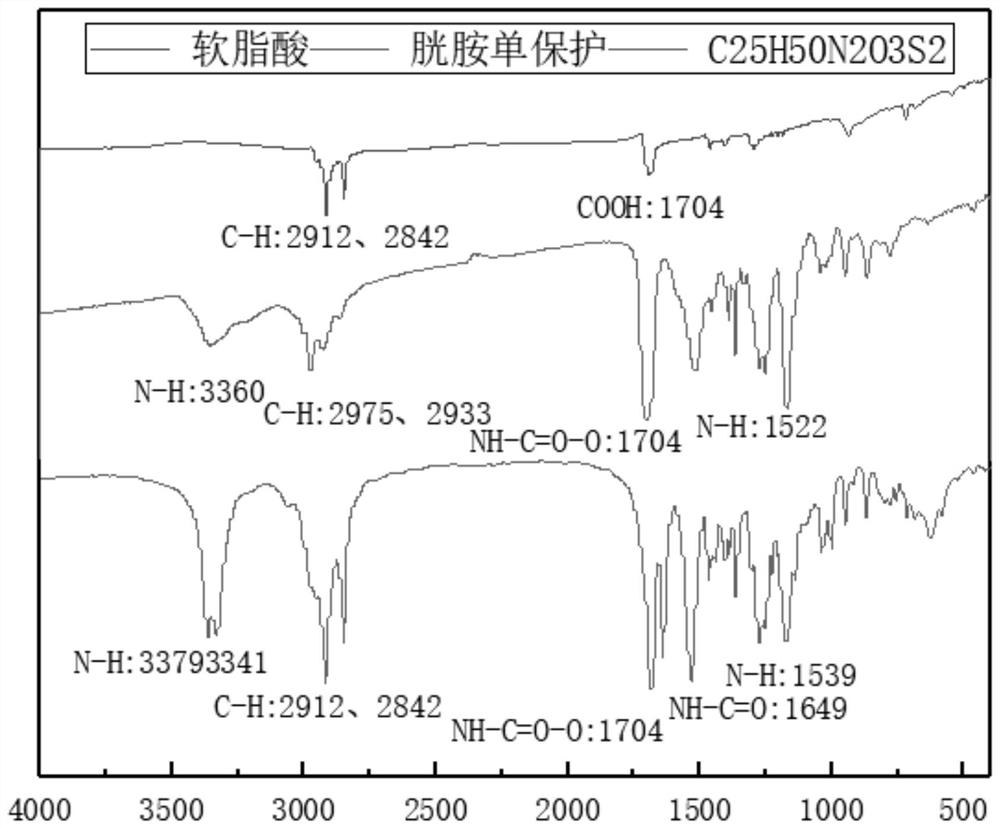
Figure 3
Abstract
Description
technical field
[0001] The invention relates to the technical field of phospholipid compounds, in particular to a dithiophospholipid compound and a preparation method thereof. Background technique
[0002] Nanoparticle drug therapy (NDT) is a novel approach to cancer treatment that utilizes drugs and nanoparticles to more precisely identify tumor cells. Various methods have been used to synthesize nanoparticles from natural organic compounds (proteins, polysaccharides, lipids, bacteria, fungi, and viruses) and inorganic materials (Ag, Au, Ti, Zn, Co, etc.). Liposomes are nanocarriers with good biocompatibility and strong modifiability, which can realize the targeted delivery and intelligent release of drugs, and are expected to significantly improve the pharmacokinetic properties of traditional chemotherapy drugs and prolong their circulation half-life.
[0003] In the process of drug delivery in vivo, dynamic microenvironmental changes (such as changes in pH, glutathione, ...
Examples
Embodiment 1
[0042] 1) Dissolve about 10 mmol of cystamine hydrochloride in anhydrous methanol, add 20 mmol of triethylamine, dissolve 15 mmol of di-tert-butyl dicarbonate in a small amount of dichloromethane, add dropwise to the above methanol solution, and react at 20°C for 10 hours. After the reaction was completed, 1.7 g of Boc mono-protected cystamine was obtained by separation and purification. The infrared spectrum of monoprotected cystamine is shown in figure 1 .
[0043] 2) Dissolve 15mmol palmitic acid in dichloromethane, add 20mmol 1-(3-dimethylaminopropyl)-3-ethylcarbodiimide hydrochloride, 12mmol N-hydroxysulfosuccinimide, room temperature After activation, add 10 mmol monoprotected cystamine and react at 20°C for 10 h. After the reaction finished, the solid 10mmol obtained by separation and purification (see figure 2 ) was dissolved in dichloromethane, 20% trifluoroacetic acid was added, reacted at 20° C. for 12 hours, separated and purified to obtain 1.5 g of light yello...
Embodiment 2
[0047] 1) Dissolve about 15 mmol of cystamine hydrochloride in anhydrous methanol, add 20 mmol of triethylamine, dissolve 10 mmol of di-tert-butyl dicarbonate in a small amount of dichloromethane, add dropwise to the above methanol solution, and react at 25°C for 12 hours. After the reaction was completed, 1.8 g of Boc mono-protected cystamine was obtained by separation and purification.
[0048] 2) Dissolve 10mmol stearic acid in dichloromethane, add 12mmol 1-(3-dimethylaminopropyl)-3-ethylcarbodiimide hydrochloride, 15mmol N-hydroxysulfosuccinimide, room temperature Activated under low temperature, add 12mmol mono-protected cystamine, and react at 25°C for 10h. After the reaction, the product was obtained by separation and purification.
[0049] 3) Dissolve 10 mmol of the product in the previous step with dichloromethane, add 15% trifluoroacetic acid, react at 25° C. for 12 h, and separate and purify the product after the reaction ends.
[0050] 4) Dissolve 10 mmol of the ...
Embodiment 3
[0053] 1) Dissolve about 10 mmol of cystamine hydrochloride in anhydrous methanol, add 30 mmol of triethylamine, dissolve 15 mmol of di-tert-butyl dicarbonate in a small amount of dichloromethane, add dropwise to the above methanol solution, and react at 30°C for 12 hours. After the reaction, 1.9 g of Boc mono-protected cystamine was obtained by separation and purification.
[0054] 2) Dissolve 10mmol myristic acid in dichloromethane, add 20mmol 1-(3-dimethylaminopropyl)-3-ethylcarbodiimide hydrochloride, 15mmol N-hydroxysulfosuccinimide, at room temperature For activation, add 10 mmol monoprotected cystamine and react at room temperature for 15 h. After the reaction was completed, 2.3 g of a light yellow solid was obtained by separation and purification.
[0055] 3) Dissolve 10 mmol of the product in the previous step with dichloromethane, add 15% trifluoroacetic acid, stir at room temperature for 8 h, and separate and purify to obtain 1.5 g of a light yellow solid after the...