

Microfluidic chip, detector, detection method and application for detecting bacteria
A technology of microfluidic chips and detectors, which is applied to chemical instruments and methods, containers used in laboratories, and analysis through chemical reactions of materials. It is unfavorable for on-site diagnosis and other problems, and achieves the effect of improving detection sensitivity, facilitating mass production, and small size
Patent Information
- Authority / Receiving Office
- CN · China
- Patent Type
- Patents(China)
- Current Assignee / Owner
- Publication Date
- 2022-07-15
Smart Images
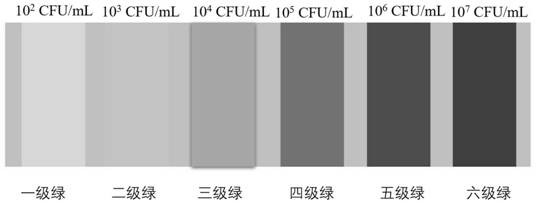
Figure 1 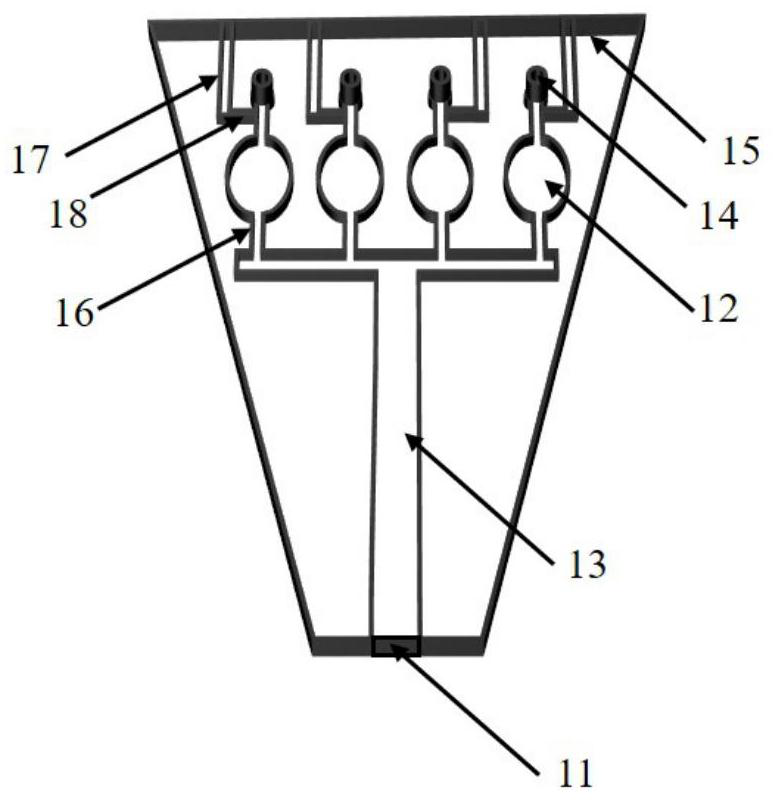
Figure 2 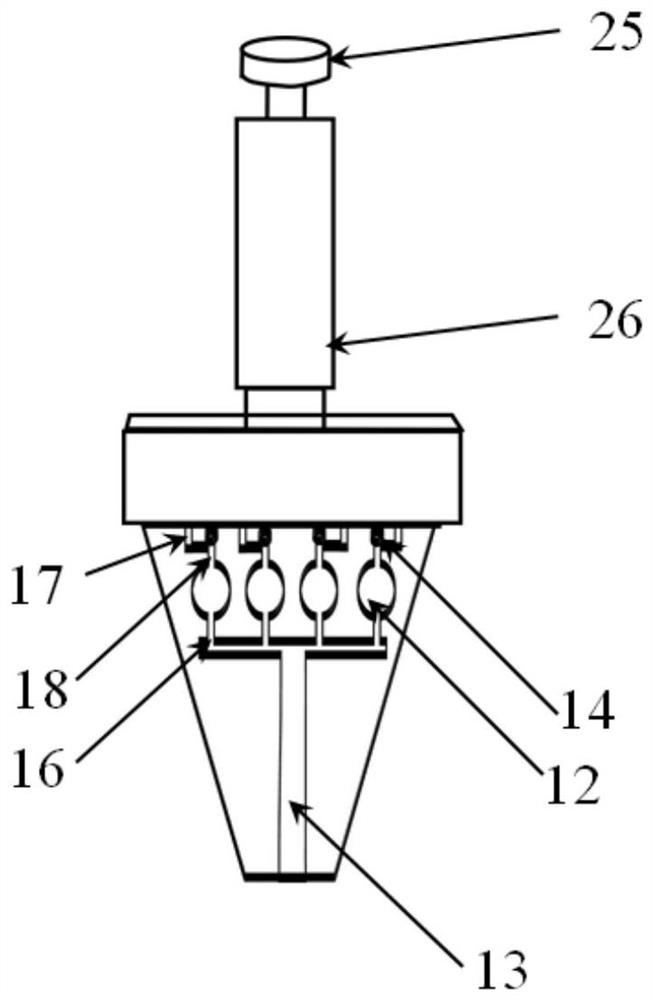
Figure 3
Abstract
Description
technical field
[0001] The invention relates to the technical field of rapid detection of bacteria, in particular to a microfluidic chip, a detector, a detection method and application for rapid detection of bacteria. Background technique
[0002] As an important factor in causing food-borne diseases, food-borne pathogens have attracted extensive attention from all walks of life. The pathogenic bacteria that usually cause foodborne diseases mainly include the following: pathogenic Escherichia coli, Salmonella, Shigella, Listeria monocytogenes, Vibrio parahaemolyticus, Streptococcus hemolyticus , Bacillus cereus and Staphylococcus aureus. Pathogenic bacteria in food can cause food safety concerns. These bacteria invade the body and produce toxins that can make people sick. Therefore, rapid detection of foodborne pathogens is crucial for the effective control of related diseases.
[0003] At present, the detection methods of foodborne bacteria mainly include conventional d...
Examples
Embodiment 1
[0072] The above method and device are used to detect the content of pathogenic Escherichia coli.
[0073] Pathogenic Escherichia coli: BNCC 133264, purchased from Beina Biological Company.
[0074] The sequence of the priming chain is shown in SEQ ID No. 1, which was synthesized by Shanghai Sangon Biological Company.
[0075] The aptamer sequence is shown in SEQ ID No. 2, which was synthesized by Shanghai Sangon Biological Company.
[0076] Reagents are H1 and H2 chains for the hybridization chain reaction, and hemin. The sequence of the H1 chain is shown in SEQ ID No. 3, and the sequence of H2 is shown in SEQ ID No. 4, both of which were synthesized by Shanghai Sangong Company. Hemin has a CAS# of 16009-13-5 and was purchased from SigmaAldrich.
[0077] According to the detection steps described in this application, after reaching S3, it was observed that the color of the reagent in the reaction chamber reached the fifth-grade green, and the content of pathogenic E. 6 Th...
Embodiment 2
[0082] The content detection of Bacillus cereus is carried out by using the above method and device.
[0083] Bacillus cereus: BNCC 336744, purchased from Beina Bio.
[0084] The sequence of the priming chain is shown in SEQ ID No. 1, which was synthesized by Shanghai Sangon Biological Company.
[0085] The aptamer sequence is shown in SEQ ID No. 5, which was synthesized by Shanghai Sangon Biotechnology Co., Ltd.
[0086] Reagents are H1 and H2 chains for the hybridization chain reaction, and hemin. The sequence of the H1 chain is shown in SEQ ID No. 6, and the sequence of the H2 chain is shown in SEQ ID No. 7, both of which were synthesized by Shanghai Sangong Company. Hemin was the same as in Example 1.
[0087] According to the detection steps described in this application, after S3, it is observed that the color of the reagent in the reaction chamber reaches the second-level green, and the content of Bacillus cereus determined after comparing with the colorimetric card ...
Embodiment 3
[0092] The above method and device are used to detect the content of Staphylococcus aureus.
[0093] Staphylococcus aureus: BNCC 186335, purchased from Beina Bio.
[0094] The sequence of the priming chain is shown in SEQ ID No. 1, which was synthesized by Shanghai Sangon Biological Company.
[0095] The aptamer sequence is shown in SEQ ID No. 8, which was synthesized by Shanghai Sangon Biological Company.
[0096] Reagents are H1 and H2 chains for the hybridization chain reaction, and hemin. The sequence of the H1 chain is shown in SEQ ID No. 9, and the sequence of the H2 chain is shown in SEQ ID No. 10, both of which were synthesized by Shanghai Sangong Company. Hemin was the same as in Example 1.
[0097] According to the detection steps described in this application, after reaching S3, it is observed that the color of the reagent in the reaction chamber reaches the sixth-grade green, and the content of Staphylococcus aureus determined after comparing with the colorimetr...