
High-strength composite electric power tube and preparation process thereof
A preparation process and technology for power pipes, which are used in tubular articles, other household appliances, applications, etc., can solve the problems of uneven distribution, low bending resistance of pipes, and poor compatibility.
Patent Information
- Authority / Receiving Office
- CN · China
- Patent Type
- Applications(China)
- Current Assignee / Owner
- Publication Date
- 2021-11-02
- Estimated Expiration
- Not applicable · inactive patent
Smart Images
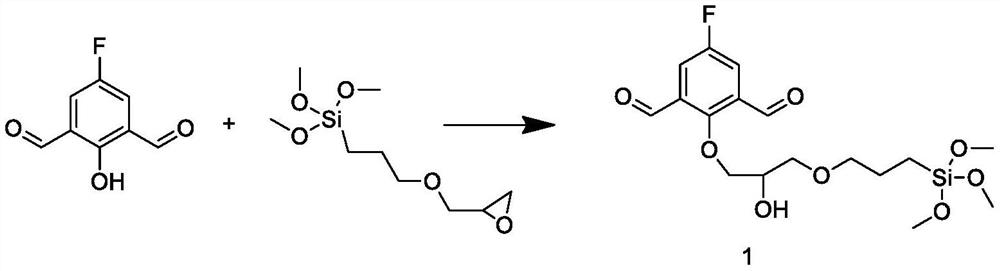
Figure 1 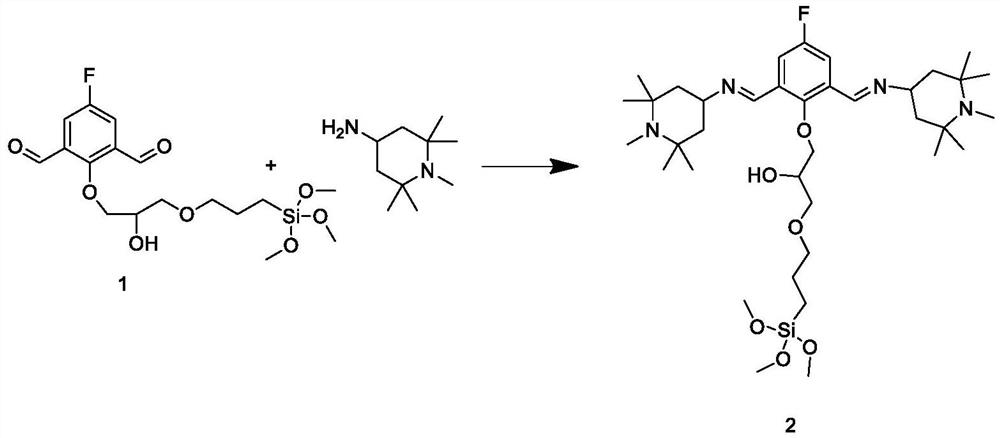
Figure 2 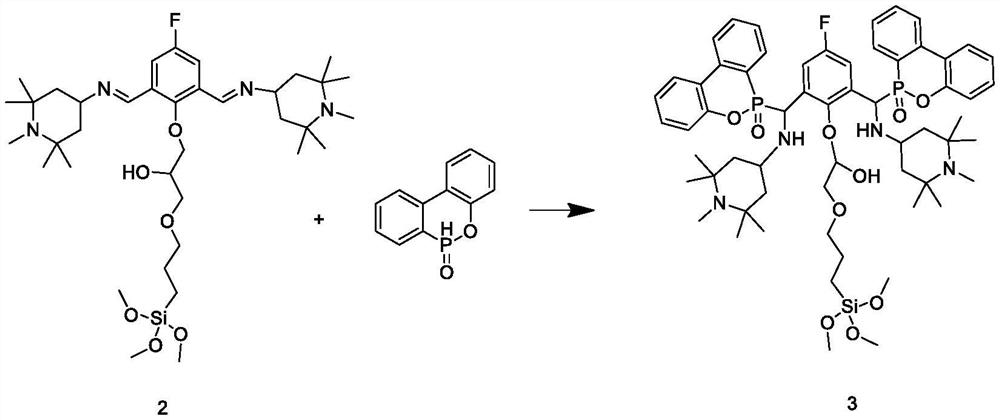
Figure 3
Abstract
Description
technical field
[0001] The invention belongs to the technical field of pipe material preparation, and in particular relates to a high-strength composite power pipe and a preparation process thereof. Background technique
[0002] Power pipe is a hard rubber pipe for electrical installation and wiring, including PVC and PE threading pipes. The threading pipe needs to meet the requirements of anti-corrosion, anti-leakage and flame retardant. The formula of PVC plastic pipe is mainly composed of PVC resin and additives. Among them, the additives are further divided into heat stabilizers, lubricants, processing modifiers, impact modifiers, fillers, anti-aging agents, colorants, etc. according to their functions.
[0003] Chinese Patent Publication No. CN111040342A discloses a PVC power pipe material, the parts by weight of which are: 150 parts of polyvinyl chloride resin with a particle size of 0.1-0.3 mm, and 20-40 parts of calcium carbonate with a particle size of 300 mm-800 mm...
Examples
Embodiment 1
[0035] Modified carbon nanotubes are made by the following steps:
[0036] Step A1. Add 0.1mol 4-fluoro-2,5-dialdehyde phenol, 0.1mol coupling agent KH-560 and 100mL dimethyl sulfoxide into a three-necked flask, control the temperature at 50°C, stir for 10 minutes, and then add Potassium hydroxide, the stirring speed is 120r / min, reflux reaction for 3h, after the reaction is finished, filter, add deionized water to the filtrate to wash, then extract with ethyl acetate, rotary steam, to obtain intermediate 1, the consumption of potassium hydroxide is 6% of the total mass of 4-fluoro-2,5-dialdehyde phenol and coupling agent KH-560;
[0037] Step A2: Add 0.1 mol of intermediate 1 and 68.5 mL of 1,4-dioxane into a three-necked flask, stir at room temperature for 3 minutes, then dropwise add 0.2 mol of 4-amino-1,2,2,6, 6-pentamethylpiperidine, reflux reaction for 24 hours, after the reaction, 1,4-dioxane was removed by rotary evaporation to obtain intermediate 1;
[0038] Step A3: ...
Embodiment 2
[0041] Modified carbon nanotubes are made by the following steps:
[0042] Step A1. Add 0.1mol 4-fluoro-2,5-dialdehyde phenol, 0.1mol coupling agent KH-560 and 110mL dimethyl sulfoxide into a three-necked flask, control the temperature at 55°C, stir for 10 minutes, and then add Potassium hydroxide, the stirring speed is 140r / min, reflux reaction 4h, after the reaction is finished, filter, add deionized water to wash in the filtrate, then extract with ethyl acetate, rotary steam, obtain intermediate 1, the consumption of potassium hydroxide is 7% of the total mass of 4-fluoro-2,5-dialdehyde phenol and coupling agent KH-560;
[0043] Step A2: Add 0.1 mol of intermediate 1 and 69.2 mL of 1,4-dioxane into a three-necked flask, stir at room temperature for 3 minutes, then dropwise add 0.2 mol of 4-amino-1,2,2,6, 6-pentamethylpiperidine, reflux reaction for 24 hours, after the reaction, 1,4-dioxane was removed by rotary evaporation to obtain intermediate 1;
[0044] Step A3. Add 0...
Embodiment 3
[0047] Modified carbon nanotubes are made by the following steps:
[0048] Step A1. Add 0.1mol 4-fluoro-2,5-dialdehyde phenol, 0.1mol coupling agent KH-560 and 120mL dimethyl sulfoxide into a three-necked flask, control the temperature at 60°C, stir for 10 minutes, and then add Potassium hydroxide, the stirring speed is 150r / min, reflux reaction 5h, after the reaction is finished, filter, add deionized water to wash in the filtrate, then extract with ethyl acetate, rotary steam, obtain intermediate 1, the consumption of potassium hydroxide is 8% of the total mass of 4-fluoro-2,5-dialdehyde phenol and coupling agent KH-560;
[0049] Step A2: Add 0.1 mol of intermediate 1 and 74.2 mL of 1,4-dioxane into a three-necked flask, stir at room temperature for 3 minutes, then dropwise add 0.2 mol of 4-amino-1,2,2,6, 6-pentamethylpiperidine, reflux reaction for 24 hours, after the reaction, 1,4-dioxane was removed by rotary evaporation to obtain intermediate 1;
[0050] Step A3, add 0...