
Box bottom composite sack
Patent Information
- Authority / Receiving Office
- US · United States
- Current Assignee / Owner
- Publication Date
- 2005-03-31
- Estimated Expiration
- Not applicable · inactive patent
Smart Images
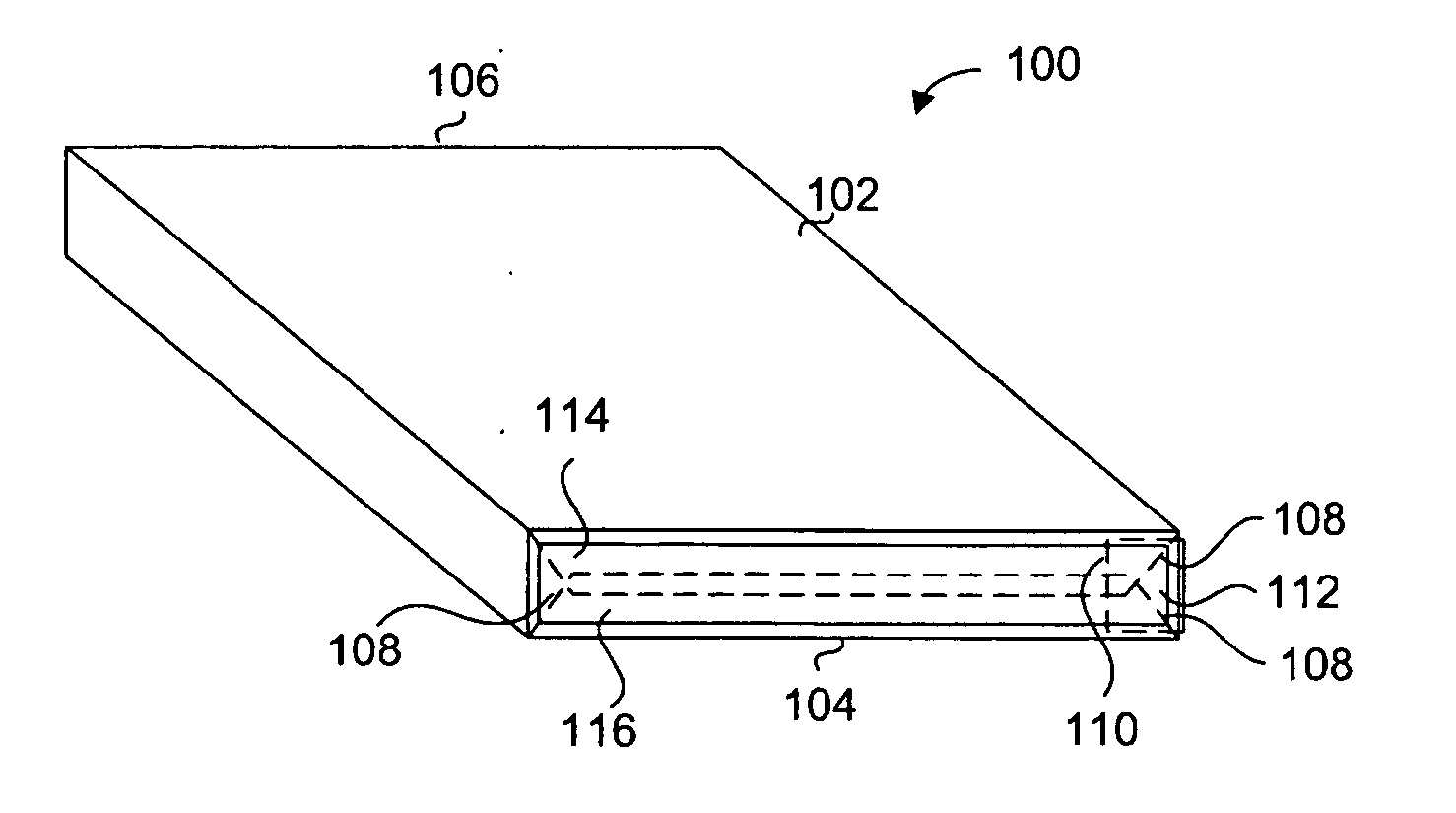
Figure 1 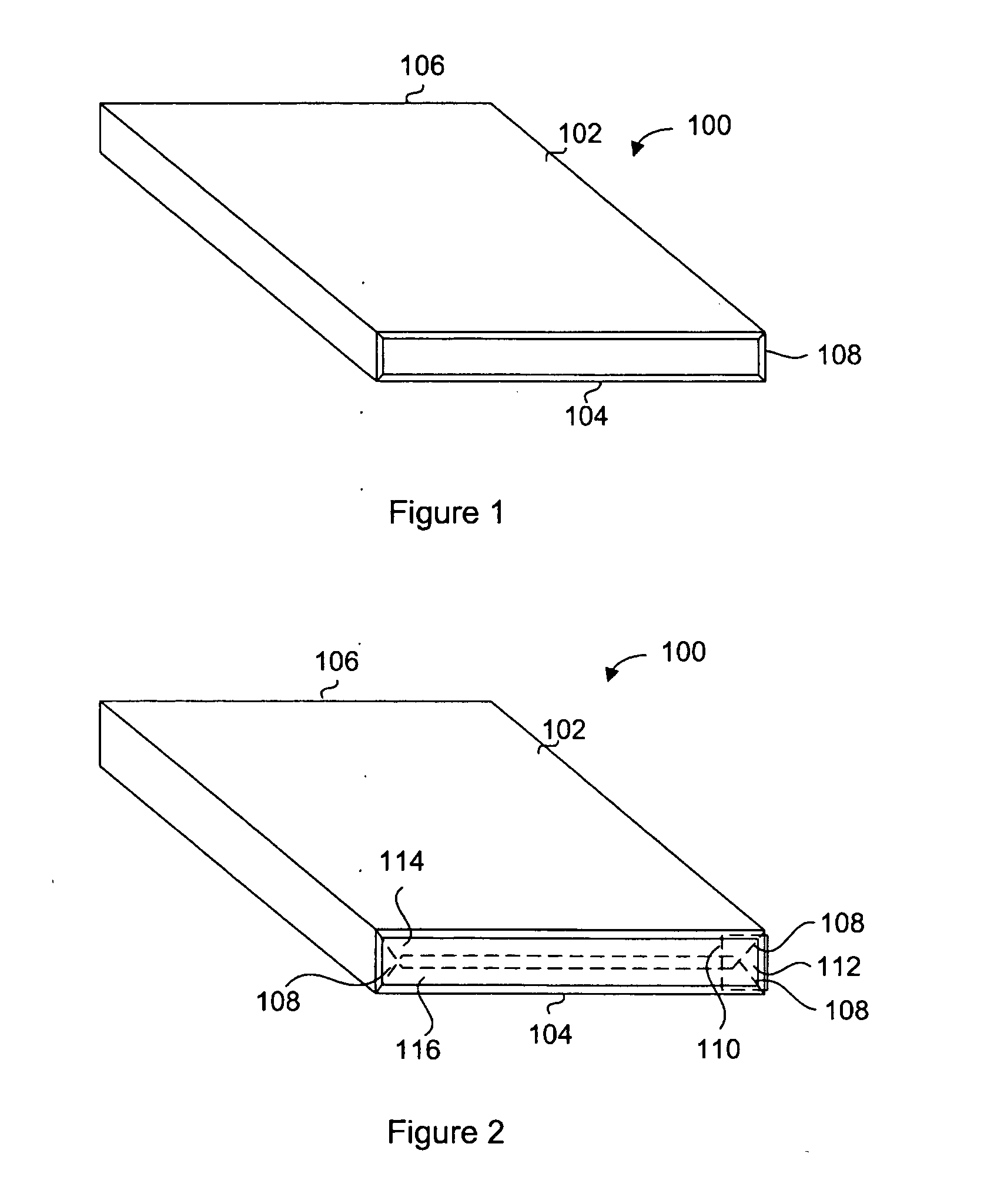
Figure 2 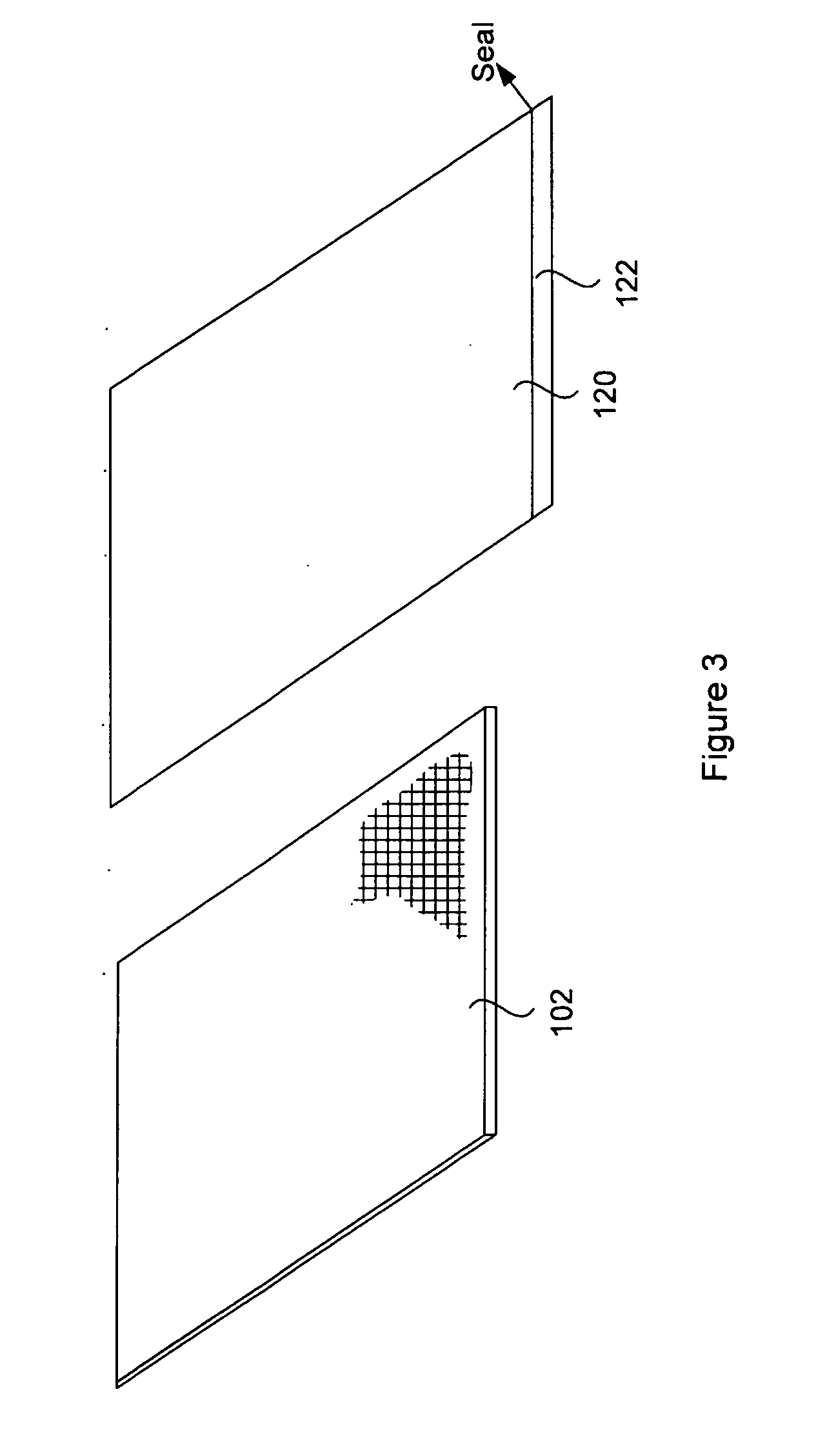
Figure 3
Abstract
Description
FIELD OF THE INVENTION
[0001] The present invention relates generally to composite sacks for packaging of bulk material. More particularly, the present invention relates to composite sacks having a box shaped end. BACKGROUND OF THE INVENTION
[0002] Sacks are commonly used to pack bulk material for storage or transportation, and have capacities anywhere between 10 to 1000 kilograms for example. These sacks can take on different shapes, such as pillow and box shapes. A pillow shape is typically created by manufacturing the bottoms with seams. A box shape is created by folding and bonding the bottom into a block form. Those of skill in the art will understand that a box shape optimizes use of the material surface, facilitates stacking and provides improved utilization of volume due to its brick shape. A variant of the box shape sack is the quasi-box shape which is a pillow sack on one side and a box sack on the other.
[0003] There is a wide variety of literature regarding box bottomed ...
Examples
Embodiment Construction
[0044] The present invention provides for a box bottomed sack or bag that can be manufactured without complete reliance on coated woven tape fabric. As discussed above, this fabric is typically selected for its strength and its ability to prevent the seepage of its contents. There are a range of other woven fabrics made of non-oriented fibres that can be used, and are more readily accessible in many parts of the world. These fabrics include cotton, hemp, jute, other commonly used natural fibres as well as synthetic fibres such as nylon and polyester. These fabrics can be manufactured locally in many parts of the world where labour costs are lower, and then used to form the body of the bag. To prevent seepage, these fabrics can be coated on either a single side, or both sides, with a thermoplastic material such as polyethylene, polypropylene, E.V.A. to seal the sack and to facilitate bonding to the cover sheet. The cover sheet can also be constructed with any suitable material, such ...