
Polysubunit opioid prodrugs resistant to overdose and abuse
a technology of opioid prodrugs and subunits, applied in the field of polysubunit opioid prodrugs resistant to overdose and abuse, can solve the problems of severe social and financial costs, nonmedical use and abuse of opioids, and pain under treatment, and achieve the effects of reducing the expected systemic exposure of delivered opioid agonists, inhibiting digestive enzymes, and saturating or inhibiting gi enzymes
Patent Information
- Authority / Receiving Office
- US · United States
- Patent Type
- Applications(United States)
- Current Assignee / Owner
- Publication Date
- 2017-04-13
Smart Images
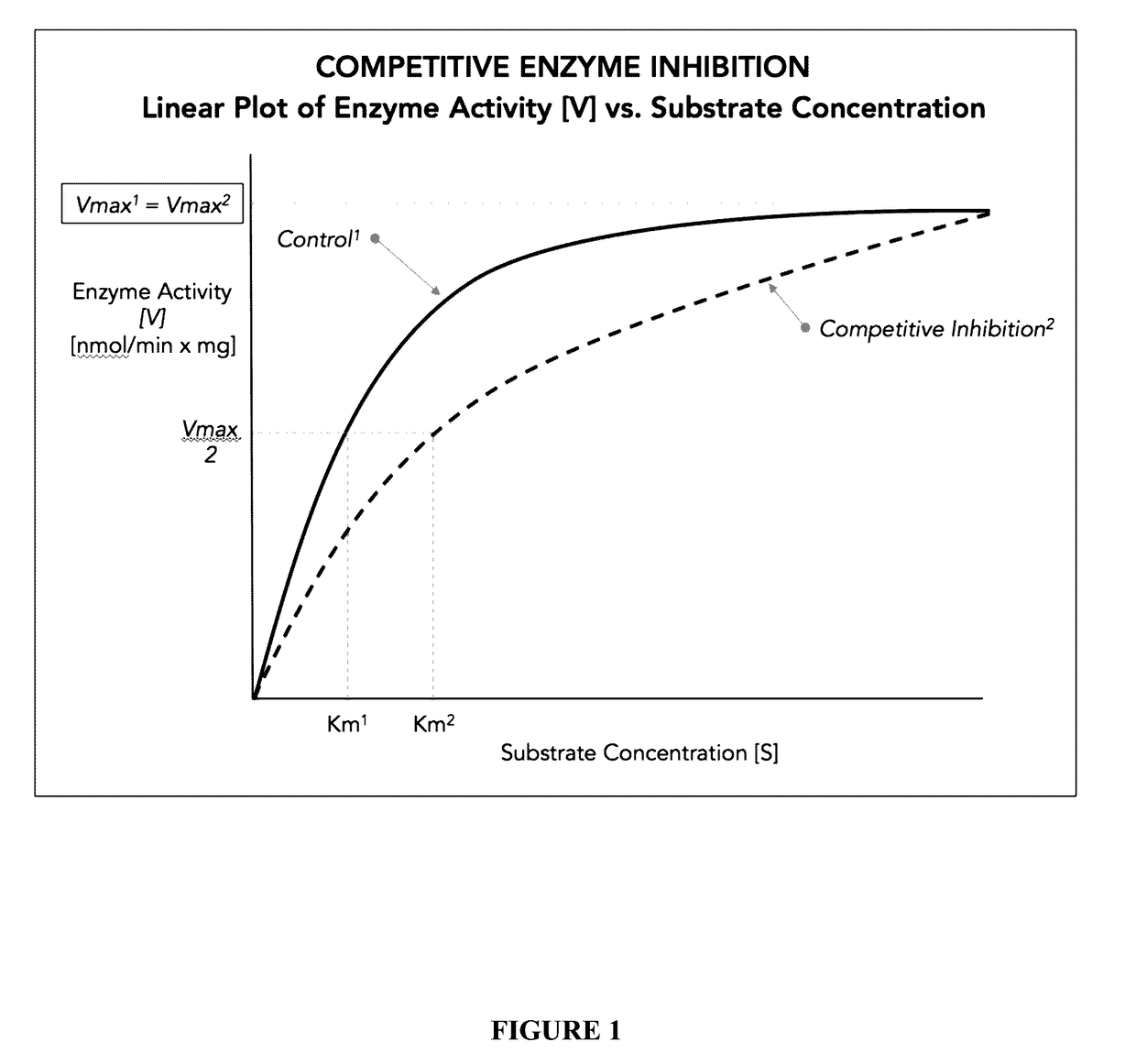
Figure 1 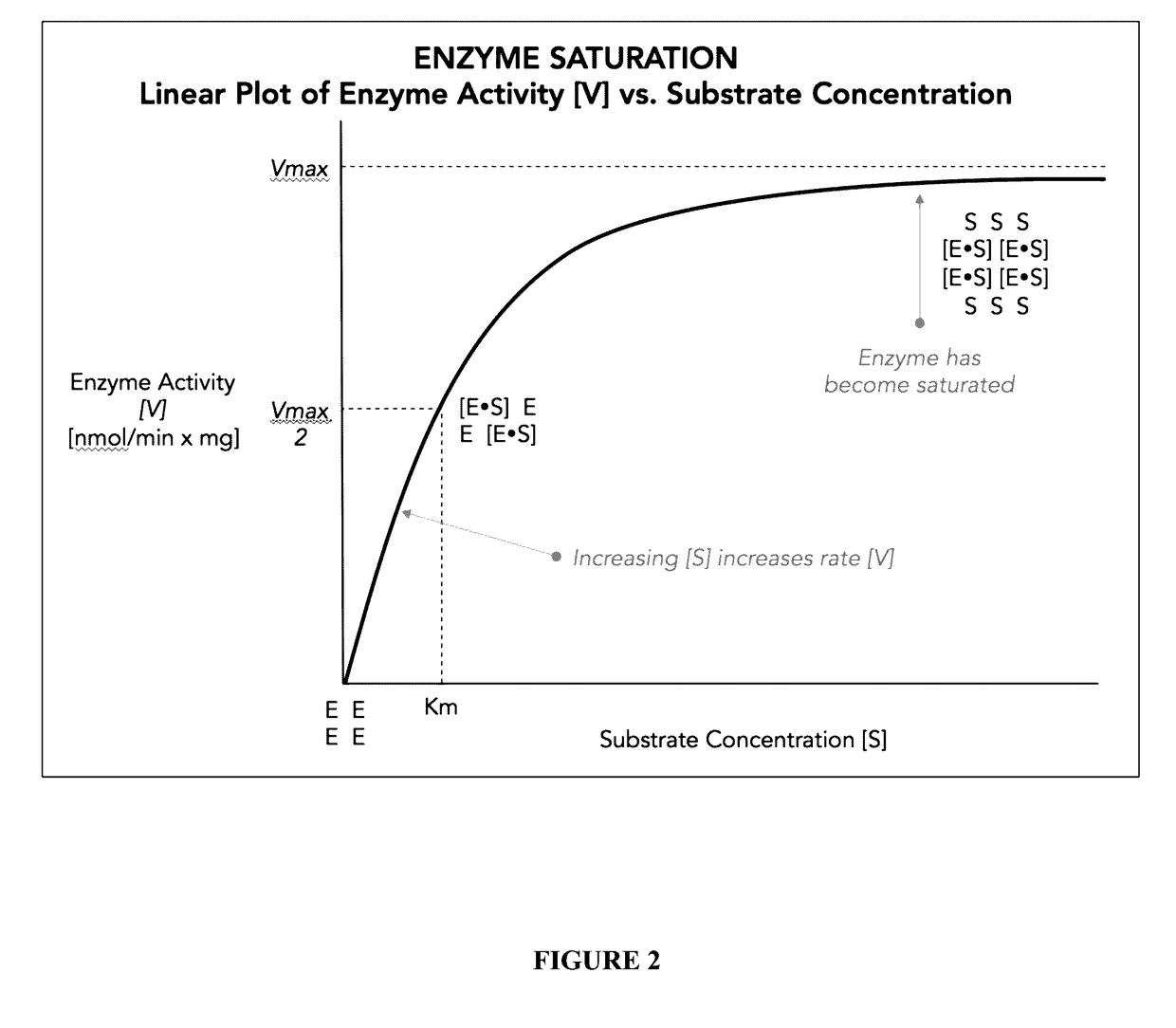
Figure 2 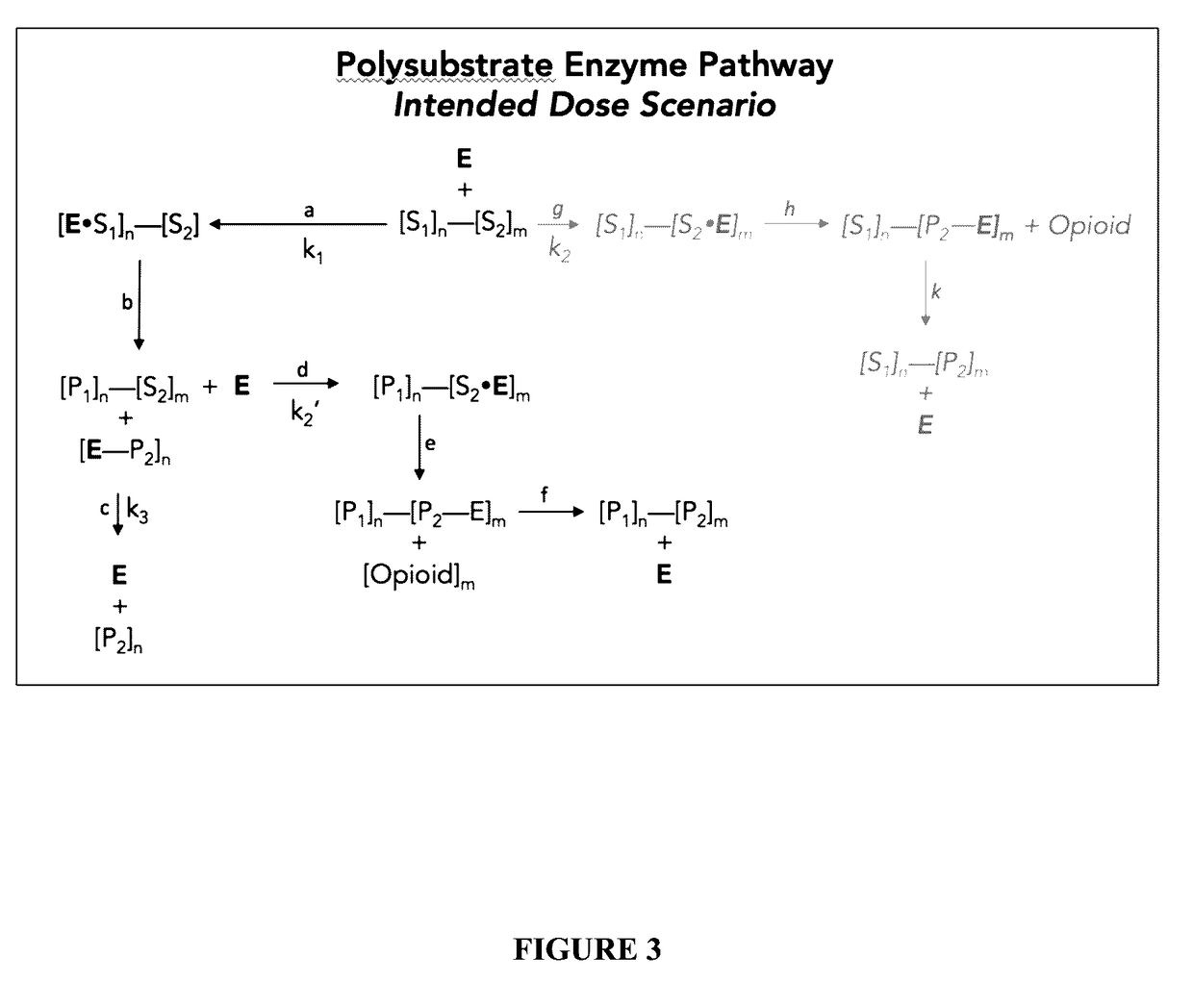
Figure 3
Abstract
Description
STATEMENT AS TO FEDERALLY SPONSORED RESEARCH
[0001] This invention was made with the support of the United States government under SBIR Grant number 1R44DA037900 by the National Institute on Drug Abuse (NIDA), one of the National Institutes of Health (NIH) in the U.S. Department of Health and Human Services.TECHNICAL FIELD
[0002] The present invention relates to compounds, methods and formulations for the prevention and / or treatment of pain. More particularly, the invention relates to pharmaceutical agents that interact with analgesic receptors, methods of preparing these agents, and their use for analgesia, pain, and other conditions, while protecting against overdose and abuse.BACKGROUND
[0003] Pharmacologically, opioid agonists represent an important class of agents for the management of pain. The high abuse liability of opioid agonists often limits their use in the treatment of patients, and results in the under-treatment of pain, and severe social and financial costs. The U.S. Food a...
Examples
example 1
In Vitro Characterization of an Overdose Protection Mechanism with Compounds of the Disclosure
[1173]This example describes in vitro experiments with a compound of the disclosure to provide a mechanism of overdose protection. Specifically, this study was designed to assess the ability of increasing concentrations of compounds 2 and 3 to progressively inhibit trypsin activity.
[1174]The effect of increasing concentrations of compounds 2 and 3 on the rate and extent of the trypsin-catalyzed hydrolysis of a commercially available trypsin substrate Na-Benzoyl-L-arginine 4-nitroanilide hydrochloride was evaluated in the presence of trypsin (2,000 BAEE activity) in a pH 7.4 phosphate buffer at 37° C. in vitro. Both buffer alone (i.e. no trypsin) and trypsin (i.e. no compound 2 or 3) controls were run contemporaneously. The data are presented below in the Tables below, and clearly demonstrates the ability of compounds 2 and 3 to progressively inhibit trypsin in a concentration dependent mann...
example 2
In Vivo Demonstration of Non-Linear Pharmacokinetics (i.e. Overdose Protection) with Compounds of the Disclosure
[1175]This example describes in vivo experiments with a compound of the disclosure to demonstrate overdose protection (i.e. non-linear pharmacokinetics of delivered hydrocodone).
[1176]The effect of increasing oral doses of compounds 2 and 3 on the pharmacokinetics of delivered hydrocodone (i.e. measured plasma hydrocodone concentrations vs. time) was evaluated in dogs. Specific pharmacokinetics parameters of the delivered opioid were calculated (e.g. Cmax, Tmax, AUC) and are presented below in the Table below. This data clearly demonstrates the ability of increasing oral doses of compounds 2 and 3 of the invention to progressively attenuate the release of hydrocodone in vivo.