
TOPICAL APPLICATIONS OF Kv1.3 CHANNEL BLOCKING PEPTIDES TO TREAT SKIN INFLAMMATION
a kv1.3 channel and peptide technology, applied in the field of toxic-based peptides and proteins, can solve the problems of skin atrophy, dermatological side effects, and the loss of effectiveness of topical steroids, and achieve the effects of reducing off-target effects, reducing systemic exposure, and increasing concentration
Patent Information
- Authority / Receiving Office
- US · United States
- Patent Type
- Applications(United States)
- Current Assignee / Owner
- Publication Date
- 2018-09-20
- Estimated Expiration
- Not applicable · inactive patent
Smart Images
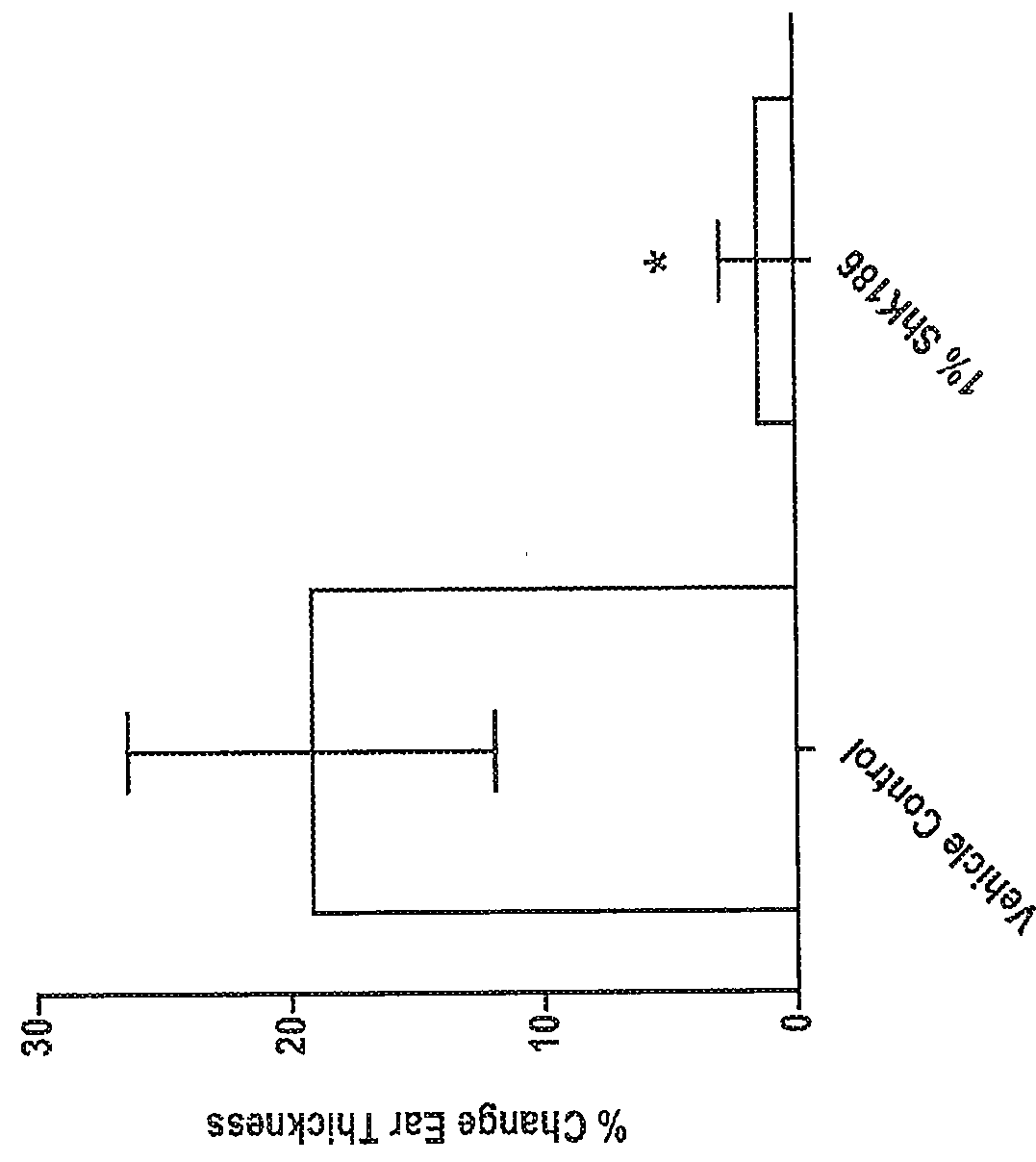
Figure 1 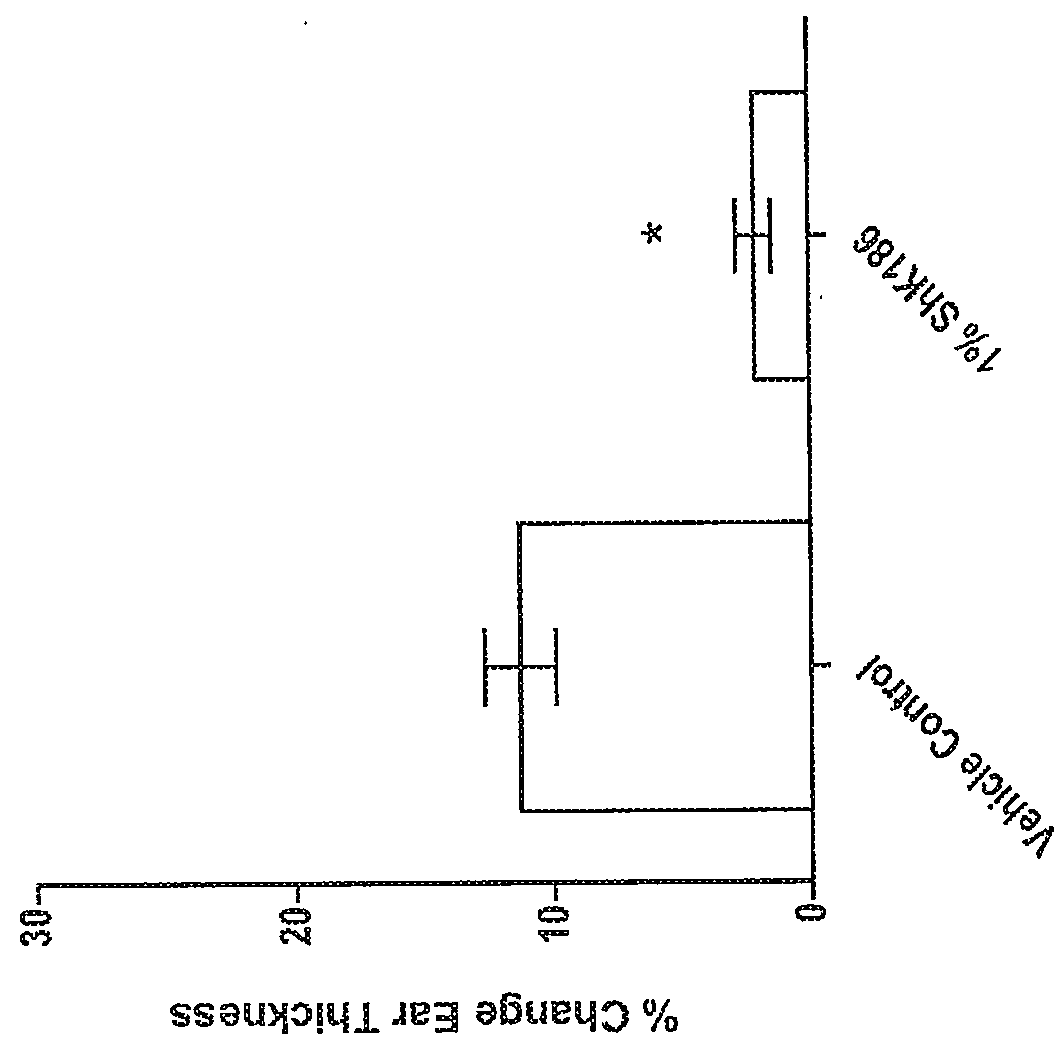
Figure 2 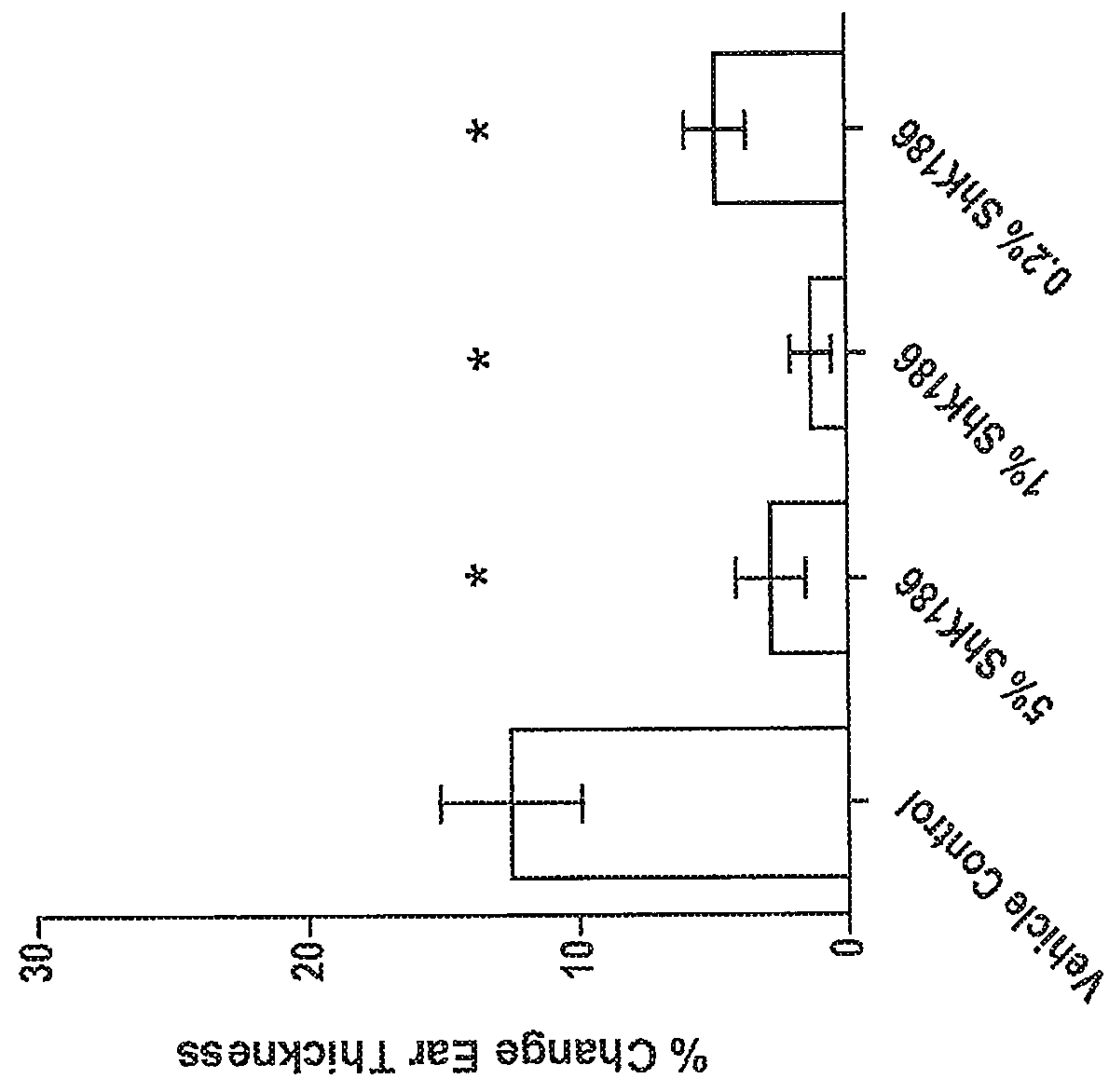
Figure 3
Abstract
Description
FIELD OF THE DISCLOSURE
[0001] The methods disclosed herein relate to the topical use of toxin-based peptides and proteins to treat conditions of skin inflammation including psoriasis and atopic dermatitis, among other uses. The toxin-based peptides can include ShK-based peptides. Pharmaceutical compositions including the peptides are also disclosed.BACKGROUND
[0002] Autoimmune and inflammatory diseases of the skin are common and include psoriasis and atopic dermatitis. Many of the most common forms of immune mediated skin inflammation are caused by pathogenic T cells, and many systemic T cell-mediated autoimmune diseases have associated skin manifestations. In particular T cells have been implicated in the pathogenesis of psoriasis; atopic dermatitis; eczema; skin and mucosal lesions in Bechet's disease, scleroderma, systemic sclerosis, systemic lupus erythematosis, inflammatory bowel disease, Graves' disease, Hashimoto's thyroiditis and graft-versus-host disease; drug induced hypersen...
Examples
example 1
Topically Administered Kv1.3 Channel Blocking Peptides on the Delayed Type Hypersensitivity Reaction in Rat
[0294]This example describes the evaluation of delayed-type hypersensitivity response after topical administration of a peptide of the disclosure, such as ShK-186 (SEQ ID NO:217) or ShK-198 (SEQ ID NO:210).
[0295]Model Description: The delayed type-hypersensitivity (DTH) model has been commonly used for years in drug discovery screening in relation to psoriasis and atopic dermatitis. This model is simple, reproducible and particularly useful for evaluation of potent anti-inflammatory therapeutics. It's performed by sensitizing rats on the abdomen with a hapten, in this case oxazolone, and a week later, challenging the pinna of the ear with the same sensitizing agent. This challenge causes an acute and robust DTH response which can be measured in terms of ear thickness and histopathology.
[0296]Materials: Female Lewis rats aged 9 weeks were procured from Charles River Labs (Stock ...
example 2
ormulations for the Localized Delivery of the Disclosed Peptides
[0308]This example describes the formulation of the peptides of the disclosure, such as ShK-186 (SEQ ID NO:217) or ShK-198 (SEQ ID NO:210) for topical delivery to the skin.
[0309]Materials: ShK-186 toxin-based therapeutic peptide was synthesized by CS Bio / Integrity Bio; ShK-198 toxin-based therapeutic peptide was synthesized by Peptides International. Absolute ethanol was purchased from Fisher Scientific; DMI (Dimethyl Isosorbide) and propylene glycol were purchased from Croda Inc.; Acetone was purchased from EMD Millipore; DMSO (dimethyl sulfoxide) was purchased from Calbiochem; Transcutol (Diethylene glycol monoethyl ether) was purchased from Sigma. P6N vehicle (10 nM sodium phosphate, 0.8% sodium chloride, 0.05% polysorbate 20, Water for injection, pH 6) was formulated in-house. All P6N excipients were purchased from Sigma. Sterile, DNAse and RNAse-free polypropylene microcentrifuge tubes were purchased from Olympus P...
example 3
and Immunohistochemical Analysis of the DTH Response in Rats Treated with Topical Compositions of the Disclosure
[0314]This example describes the histopathological evaluation of delayed-type hypersensitivity response 48 hours post-challenge with a sensitizing agent after topical administration of a peptide of the disclosure, such as ShK-186 (SEQ ID NO:217) or ShK-198 (SEQ ID NO:210) in a topical composition.
[0315]Samples: All samples were from 9 week old Lewis rats that were used in a typical delayed-type hypersensitivity study. From these animals, 8 mm punch biopsies were harvested from the area of treatment and measurement on the right ear. The biopsies were then hemisectioned and fixed in 10% neutral buffered formalin. All samples were processed by HistoTox Inc. (Boulder, Colo.). Ear sections were paraffin-embedded and stained using an anti-CD8 antibody as well as hematoxylin-eosin (H&E). Slides were then scored at Bolder Biopath Inc. (Boulder, Colo.) by an independent board-certi...