
Medical applications of artificial olfactometry
Patent Information
- Authority / Receiving Office
- US · United States
- Current Assignee / Owner
- Publication Date
- 2005-01-11
- Estimated Expiration
- Not applicable · inactive patent
Smart Images
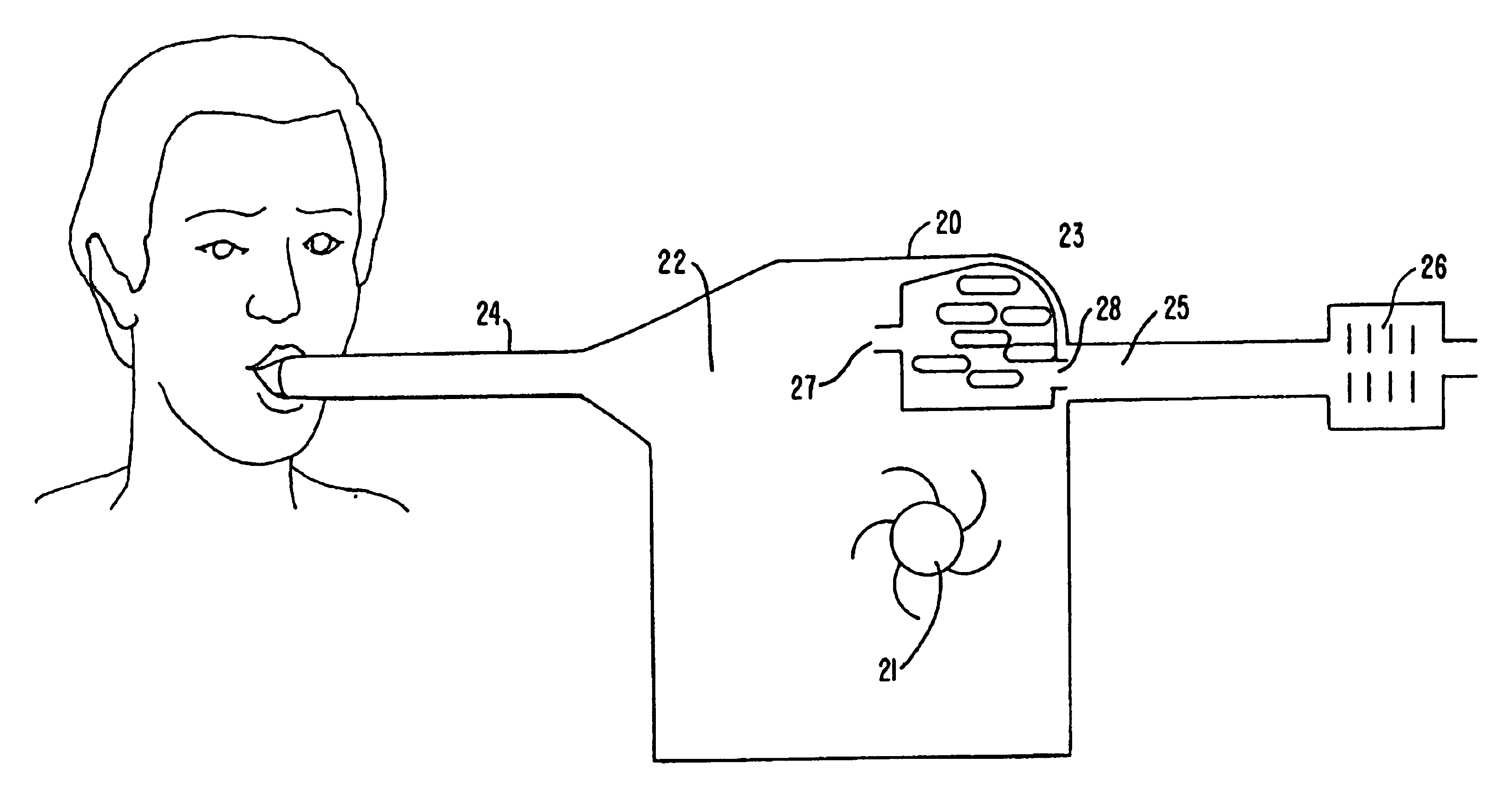
Figure 1 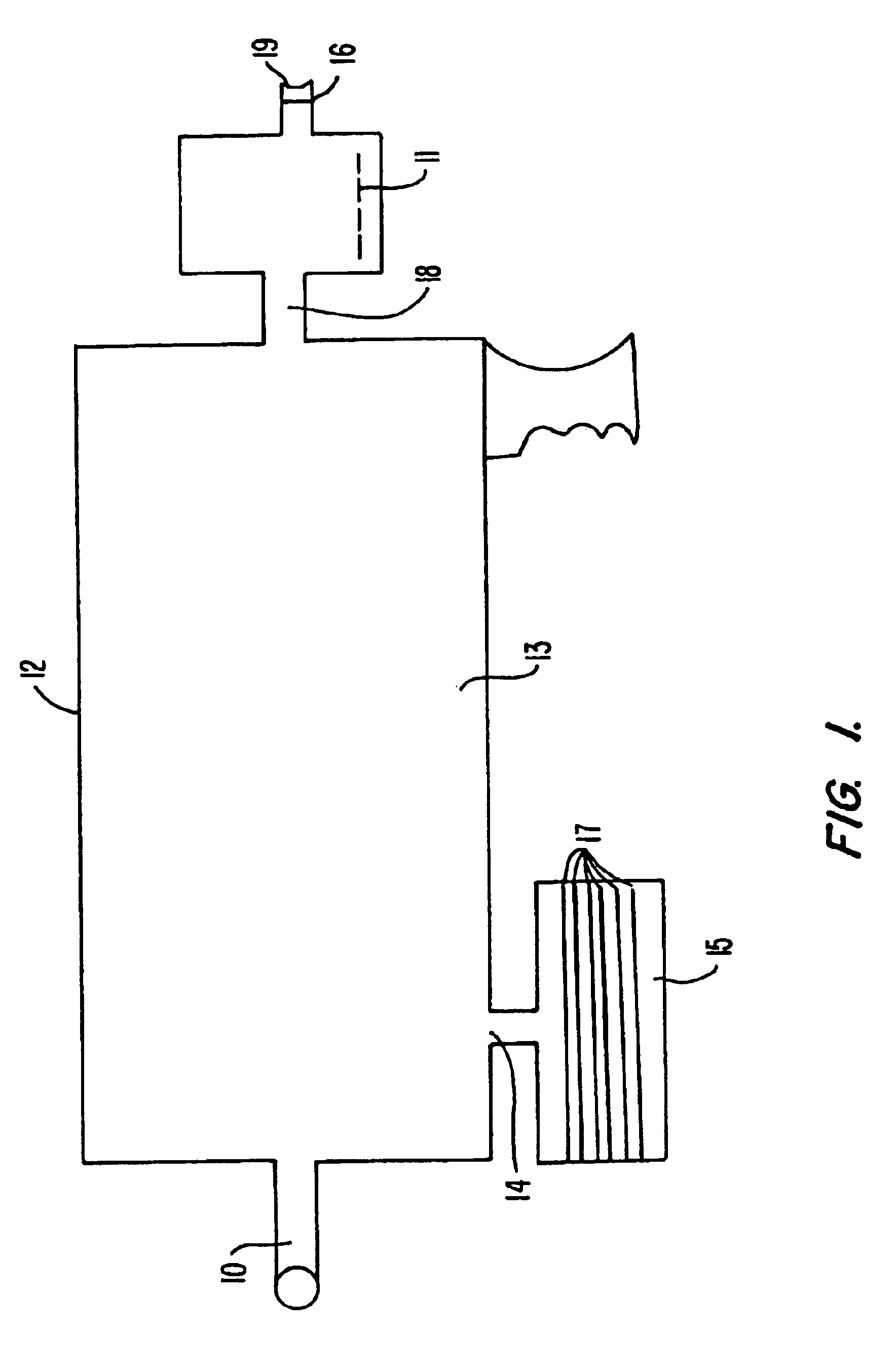
Figure 2 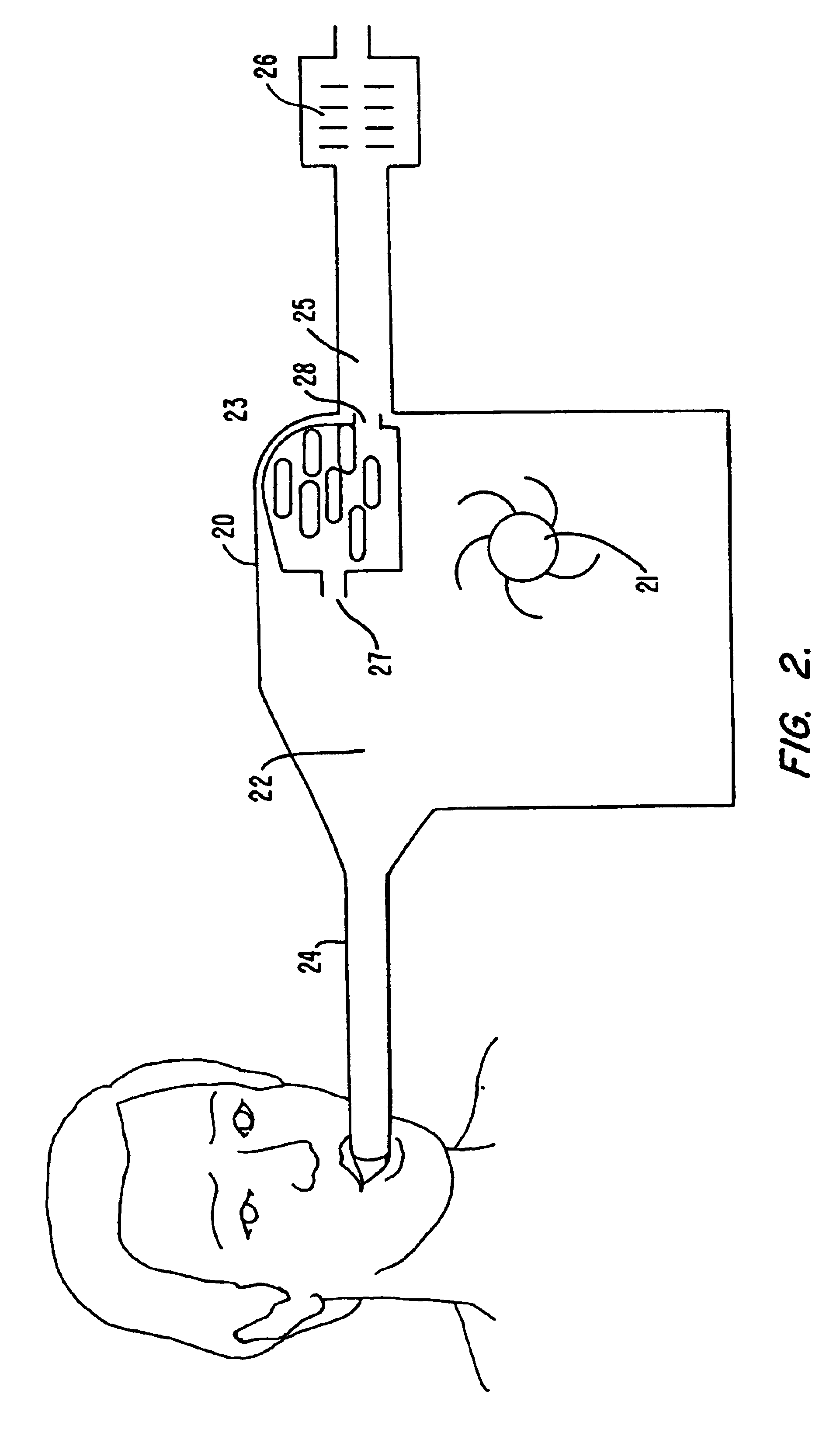
Figure 3
Abstract
Description
BACKGROUND OF THE INVENTIONAn artificial olfactory system is a device that is capable of detecting a wide variety of analytes in fluids such as vapors, gases and liquids. The device comprises an array of sensors that in the presence of an analyte produces a response. The device produces a unique signature output for a particular analyte. Using pattern recognition algorithms, the output signature, such as an electrical response, can be correlated and compared to a particular analyte or mixture of substances that are known. By comparing the unknown signature with the stored or known signatures, the analyte can be detected, identified and quantified.There are many instances where it is desirable to measure trace amounts of analytes. However, in certain instances, the analytes are found at levels that are too low to register a robust signal by direct exposure to currently available sensors. In headspace analysis of applications in agricultural, wine, tobacco, perfume, plastics, and the ...
Examples
example 1
In this Example, the detection and identification of bacteria was conducted by measuring the metabolic products produced from plate bacteria cultures carried out using an electronic nose (a 32-sensor array) and a Fisher Linear Discrimination (FLD) algorithm.
As shown herein, the data was also examined using principal component analysis (PCA) and statistical isolinear multicategory analysis (SIMCA). The results carried out on two very distinct bacteria, i.e., peptostreptococcus anerobius and porphyromonas gingivalis, show that the two bacteria were clearly discriminated by the sensors as shown by PCA. The metabolites of additional an 11 bacteria and one fungus plus controls were tested and the data was examined using PCA, SIMCA and FLD and discrimination among the bacteria was demonstrated.
The objective of these experiments was to evaluate the discriminating capability of a thirty-two sensor array composed of mixtures of polymers and carbon black for metabolites produced by a variety ...
example 2
This Example illustrates that the apparatus and methods comprising the sensor arrays of the present invention are suitable for process control of anesthetic gases. As disclosed herein, a method for monitoring anesthetic gases in order to establish reliable monitoring of a patient's condition while under anesthetics is possible. Conducting-polymer composite sensors change resistance when exposed to an analyte in the vapor phase, and the pattern of such resistance changes across an array allows identification of a concentration of an analyte. The pattern height allows identification of the concentration of an analyte. The experiments show that these arrays are suitable for process control over the concentration of anesthetic gases at levels that are clinically of interest.
Using a 18-sensor array a suitable concentration of halothane was delivered. The flow rate of the carbon dioxide carrier gas was 10 mL / min. The anesthetic gas flow rate was 0.2 mL / min, thus the ratio of carrier gas f...