
Internal combustion engine control for improved fuel efficiency
a technology for internal combustion engines and fuel efficiency, applied in the direction of electrical control, process and machine control, instruments, etc., can solve the problems of engine operation under conditions well below their optimal thermodynamic, more power (and often far more power) than desired or appropriate, and less torque output, so as to reduce the probability of resonant vibration, enhance emission characteristics, and control the torque more precisely
Patent Information
- Authority / Receiving Office
- US · United States
- Patent Type
- Patents(United States)
- Current Assignee / Owner
- Publication Date
- 2012-03-06
Smart Images
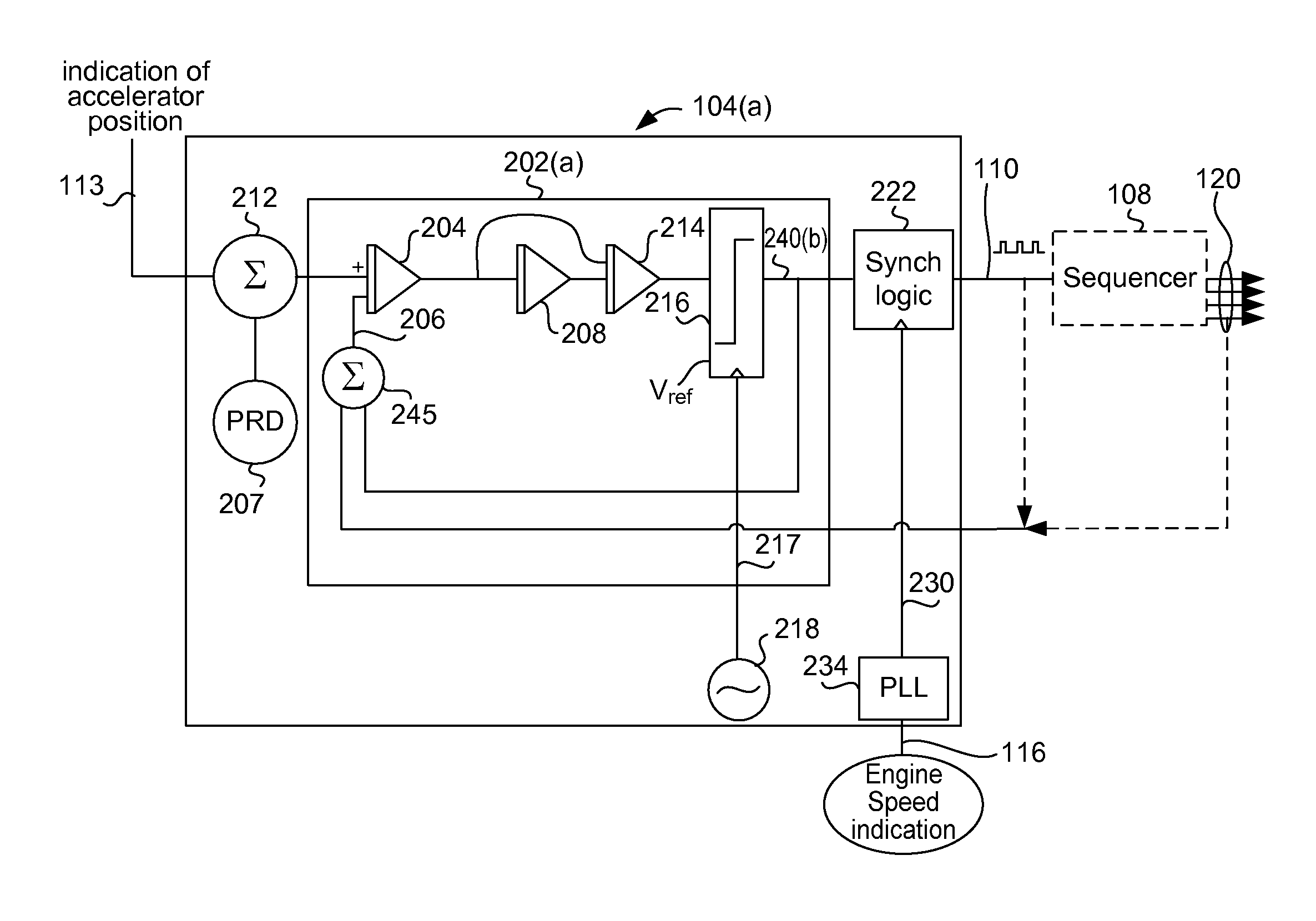
Figure 1 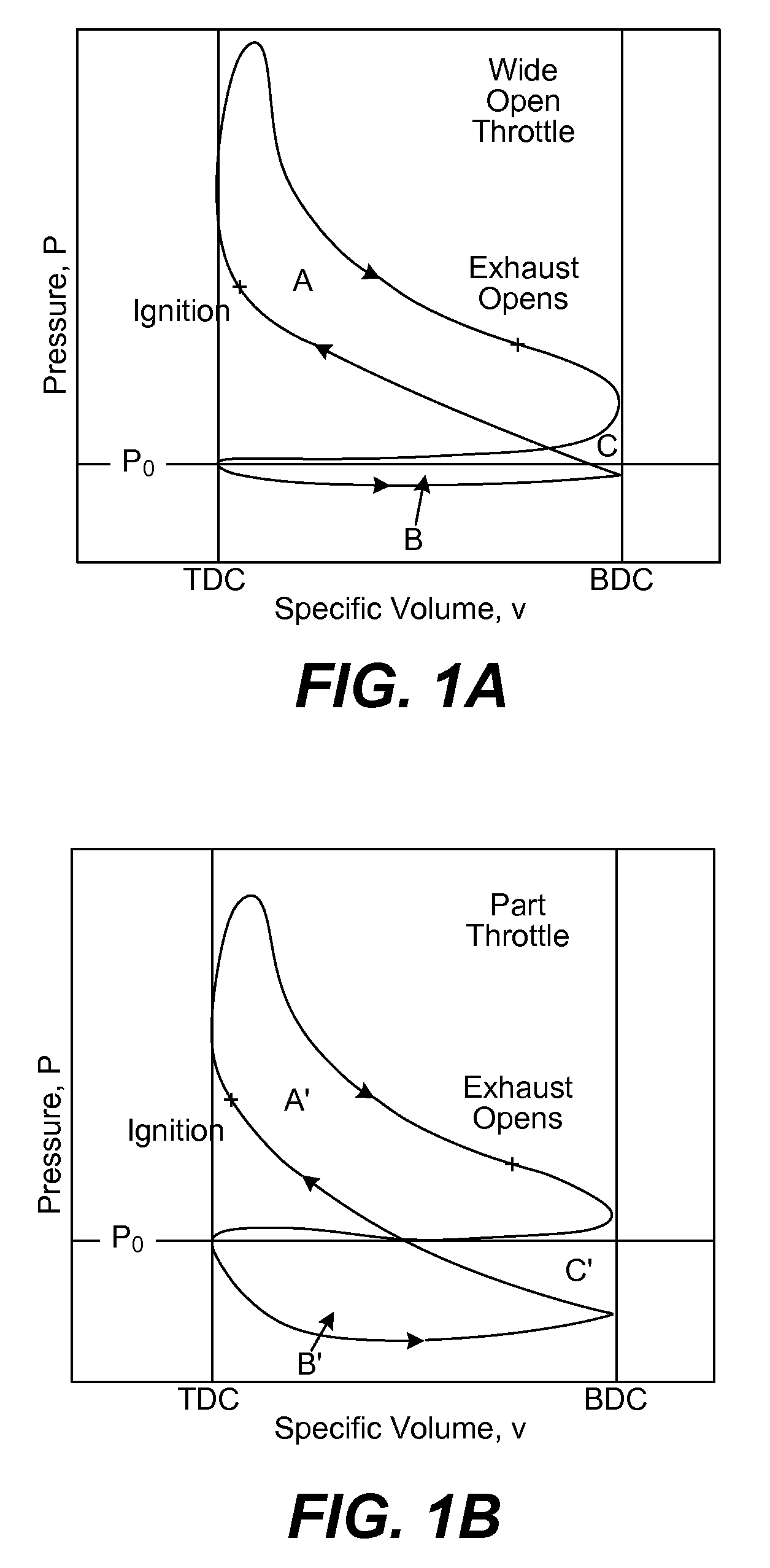
Figure 2 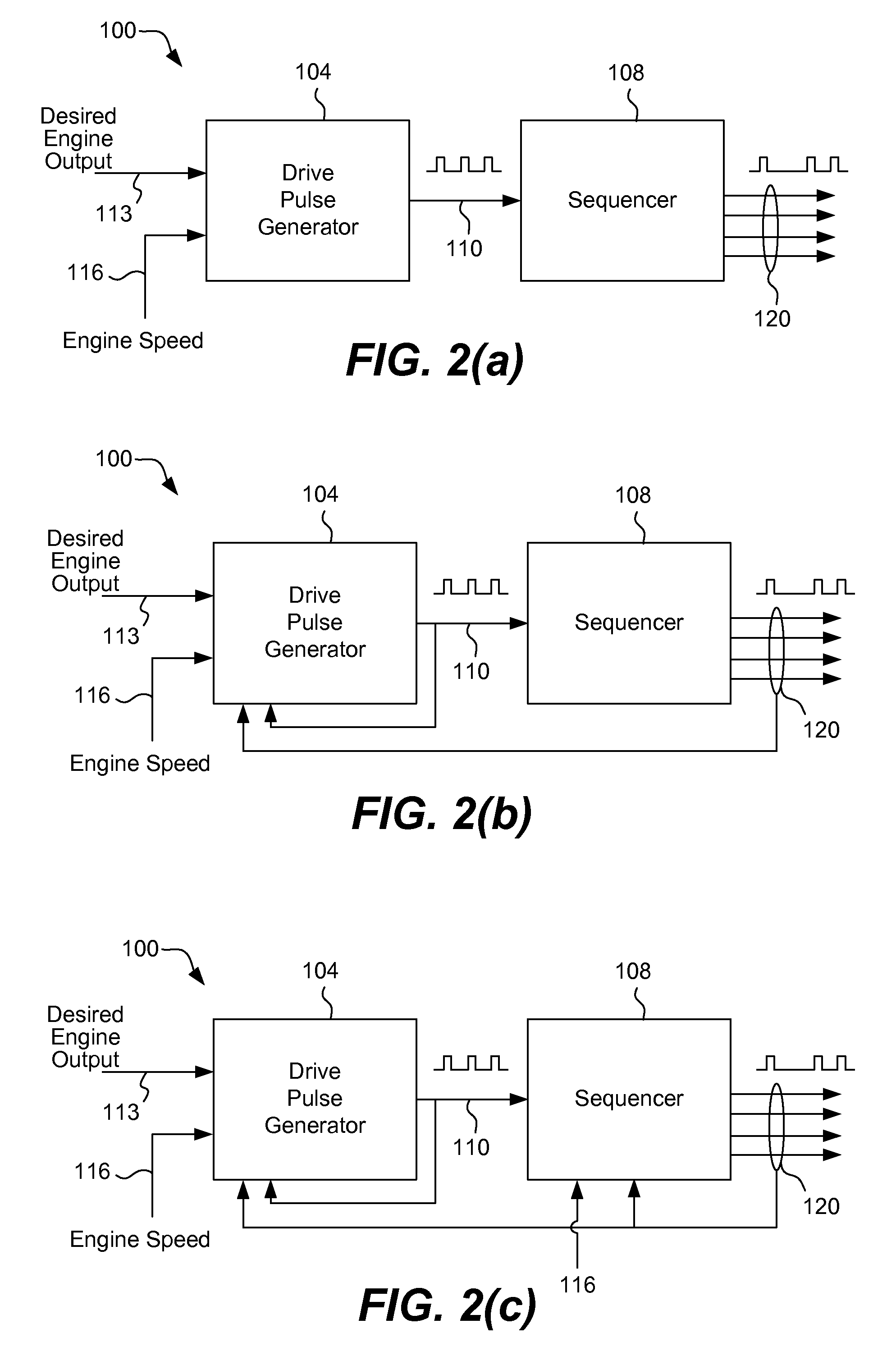
Figure 3
Abstract
Description
CROSS REFERENCE TO RELATED APPLICATIONS
[0001] This application claims the benefit of priority to U.S. Provisional Patent Application No. 61 / 080,192, filed Jul. 11, 2008, entitled “INTERNAL COMBUSTION ENGINE CONTROL FOR IMPROVED FUEL EFFICIENCY,” and also to U.S. Provisional Patent Application No. 61 / 104,222, filed Oct. 9, 2008, entitled “INTERNAL COMBUSTION ENGINE CONTROL FOR IMPROVED FUEL EFFICIENCY,” both of which are incorporated herein by reference.FIELD OF THE INVENTION
[0002] The present invention relates generally to internal combustion engines and to methods and arrangements for controlling internal combustion engines to operate more efficiently. Generally, selected combustion events are skipped during operation of the internal combustion engine so that other working cycles can operate at better thermodynamic efficiency.BACKGROUND OF THE INVENTION
[0003] There are a wide variety of internal combustion engines in common usage today. Most internal combustion engines utilize recipro...
Examples
Embodiment Construction
[0035]The present invention relates generally to methods and arrangements for controlling the operation of internal combustion engines to improve their thermodynamic and fuel efficiencies. Various aspects of the invention relate to motorized vehicles that utilize such engine control and to engine control units suitable for implementing such control.
[0036]Most internal combustion engines are arranged to vary the amount of air and / or fuel that is delivered to the cylinders (or other working chambers) based on the engine output that is requested by the user or otherwise required at any given time. However, the thermodynamic efficiency of a fixed size cylinder is not the same at every air / fuel level. Rather, the thermodynamic efficiency is best when an optimal amount of air and fuel is delivered to the cylinder to achieve maximum permissible compression and optimal combustion efficiency. Since internal combustion engines need to be able to operate under a wide variety of different loads...