Advances in Solid Electrolytes for Lithium Iron Phosphate Batteries
AUG 8, 20259 MIN READ
Generate Your Research Report Instantly with AI Agent
Patsnap Eureka helps you evaluate technical feasibility & market potential.
LFP Battery Electrolyte Evolution and Objectives
Lithium iron phosphate (LFP) batteries have emerged as a prominent technology in the energy storage landscape, with their development closely tied to advancements in electrolyte systems. The evolution of LFP battery electrolytes has been driven by the need for improved safety, enhanced performance, and increased energy density.
Initially, LFP batteries utilized liquid electrolytes, primarily composed of lithium salts dissolved in organic solvents. These early electrolytes provided adequate ionic conductivity but faced challenges related to safety and long-term stability. The flammability of organic solvents posed significant risks, particularly in high-temperature or abuse conditions.
As research progressed, the focus shifted towards developing safer and more stable electrolyte systems. Gel polymer electrolytes emerged as a promising alternative, offering improved safety characteristics while maintaining good ionic conductivity. These electrolytes combined the benefits of liquid electrolytes with the mechanical stability of polymers, reducing the risk of leakage and enhancing overall battery safety.
The next significant milestone in LFP battery electrolyte evolution was the introduction of solid electrolytes. These materials promised to address the inherent limitations of liquid and gel electrolytes by eliminating the need for flammable organic solvents altogether. Solid electrolytes offered the potential for enhanced safety, increased energy density, and improved thermal stability.
Recent years have seen intensive research efforts focused on developing advanced solid electrolytes for LFP batteries. Various materials, including ceramic, glass-ceramic, and polymer-based solid electrolytes, have been explored. Each of these materials presents unique advantages and challenges, driving ongoing research to optimize their properties and performance.
The primary objectives in the development of solid electrolytes for LFP batteries include achieving high ionic conductivity comparable to liquid electrolytes, ensuring good interfacial contact with electrodes, and maintaining mechanical and chemical stability over extended cycling. Researchers aim to develop solid electrolytes that can operate effectively across a wide temperature range and withstand the mechanical stresses associated with battery operation.
Another crucial goal is to enhance the energy density of LFP batteries through electrolyte innovations. This involves developing solid electrolytes that enable the use of high-voltage cathode materials and lithium metal anodes, potentially leading to significant improvements in overall battery performance.
As the field progresses, the focus is increasingly shifting towards scalable manufacturing processes for solid electrolytes, aiming to bridge the gap between laboratory-scale demonstrations and commercial viability. The ultimate objective is to develop LFP batteries with solid electrolytes that offer superior safety, extended cycle life, and improved energy density, positioning them as a competitive and sustainable energy storage solution for a wide range of applications.
Initially, LFP batteries utilized liquid electrolytes, primarily composed of lithium salts dissolved in organic solvents. These early electrolytes provided adequate ionic conductivity but faced challenges related to safety and long-term stability. The flammability of organic solvents posed significant risks, particularly in high-temperature or abuse conditions.
As research progressed, the focus shifted towards developing safer and more stable electrolyte systems. Gel polymer electrolytes emerged as a promising alternative, offering improved safety characteristics while maintaining good ionic conductivity. These electrolytes combined the benefits of liquid electrolytes with the mechanical stability of polymers, reducing the risk of leakage and enhancing overall battery safety.
The next significant milestone in LFP battery electrolyte evolution was the introduction of solid electrolytes. These materials promised to address the inherent limitations of liquid and gel electrolytes by eliminating the need for flammable organic solvents altogether. Solid electrolytes offered the potential for enhanced safety, increased energy density, and improved thermal stability.
Recent years have seen intensive research efforts focused on developing advanced solid electrolytes for LFP batteries. Various materials, including ceramic, glass-ceramic, and polymer-based solid electrolytes, have been explored. Each of these materials presents unique advantages and challenges, driving ongoing research to optimize their properties and performance.
The primary objectives in the development of solid electrolytes for LFP batteries include achieving high ionic conductivity comparable to liquid electrolytes, ensuring good interfacial contact with electrodes, and maintaining mechanical and chemical stability over extended cycling. Researchers aim to develop solid electrolytes that can operate effectively across a wide temperature range and withstand the mechanical stresses associated with battery operation.
Another crucial goal is to enhance the energy density of LFP batteries through electrolyte innovations. This involves developing solid electrolytes that enable the use of high-voltage cathode materials and lithium metal anodes, potentially leading to significant improvements in overall battery performance.
As the field progresses, the focus is increasingly shifting towards scalable manufacturing processes for solid electrolytes, aiming to bridge the gap between laboratory-scale demonstrations and commercial viability. The ultimate objective is to develop LFP batteries with solid electrolytes that offer superior safety, extended cycle life, and improved energy density, positioning them as a competitive and sustainable energy storage solution for a wide range of applications.
Market Demand for Advanced LFP Batteries
The market demand for advanced Lithium Iron Phosphate (LFP) batteries has been experiencing significant growth, driven by the increasing adoption of electric vehicles (EVs) and renewable energy storage systems. LFP batteries, known for their safety, long cycle life, and cost-effectiveness, are becoming increasingly popular in various applications, particularly in the automotive and energy storage sectors.
In the automotive industry, the demand for LFP batteries has surged due to their improved performance and lower cost compared to other lithium-ion battery chemistries. Major automakers are incorporating LFP batteries into their electric vehicle lineups, especially in entry-level and mid-range models. This trend is particularly evident in China, the world's largest EV market, where LFP batteries have gained substantial market share.
The energy storage sector is another key driver of demand for advanced LFP batteries. As renewable energy sources like solar and wind power become more prevalent, the need for efficient and reliable energy storage solutions has increased. LFP batteries are well-suited for grid-scale energy storage applications due to their stability, long lifespan, and ability to withstand frequent charge-discharge cycles.
The industrial and commercial sectors are also contributing to the growing demand for LFP batteries. These batteries are being increasingly used in material handling equipment, such as forklifts and pallet jacks, as well as in backup power systems for data centers and telecommunications infrastructure.
Despite the advantages of LFP batteries, there are still challenges that need to be addressed to meet market demands fully. One of the primary concerns is the relatively lower energy density compared to other lithium-ion chemistries. This limitation has spurred research and development efforts to improve the energy density of LFP batteries, with solid electrolytes being a promising avenue for advancement.
The market for LFP batteries is expected to continue its growth trajectory in the coming years. Factors such as government regulations promoting clean energy and electric vehicles, advancements in battery technology, and the increasing focus on sustainability are likely to drive further demand. Additionally, the ongoing efforts to improve the performance and reduce the cost of LFP batteries are expected to expand their applications across various industries.
As the demand for advanced LFP batteries grows, there is an increasing need for innovations in solid electrolytes. These advancements aim to address the current limitations of LFP batteries, particularly in terms of energy density and fast-charging capabilities. The development of effective solid electrolytes could potentially unlock new market opportunities and applications for LFP batteries, further driving their adoption in high-performance and demanding use cases.
In the automotive industry, the demand for LFP batteries has surged due to their improved performance and lower cost compared to other lithium-ion battery chemistries. Major automakers are incorporating LFP batteries into their electric vehicle lineups, especially in entry-level and mid-range models. This trend is particularly evident in China, the world's largest EV market, where LFP batteries have gained substantial market share.
The energy storage sector is another key driver of demand for advanced LFP batteries. As renewable energy sources like solar and wind power become more prevalent, the need for efficient and reliable energy storage solutions has increased. LFP batteries are well-suited for grid-scale energy storage applications due to their stability, long lifespan, and ability to withstand frequent charge-discharge cycles.
The industrial and commercial sectors are also contributing to the growing demand for LFP batteries. These batteries are being increasingly used in material handling equipment, such as forklifts and pallet jacks, as well as in backup power systems for data centers and telecommunications infrastructure.
Despite the advantages of LFP batteries, there are still challenges that need to be addressed to meet market demands fully. One of the primary concerns is the relatively lower energy density compared to other lithium-ion chemistries. This limitation has spurred research and development efforts to improve the energy density of LFP batteries, with solid electrolytes being a promising avenue for advancement.
The market for LFP batteries is expected to continue its growth trajectory in the coming years. Factors such as government regulations promoting clean energy and electric vehicles, advancements in battery technology, and the increasing focus on sustainability are likely to drive further demand. Additionally, the ongoing efforts to improve the performance and reduce the cost of LFP batteries are expected to expand their applications across various industries.
As the demand for advanced LFP batteries grows, there is an increasing need for innovations in solid electrolytes. These advancements aim to address the current limitations of LFP batteries, particularly in terms of energy density and fast-charging capabilities. The development of effective solid electrolytes could potentially unlock new market opportunities and applications for LFP batteries, further driving their adoption in high-performance and demanding use cases.
Solid Electrolyte Challenges in LFP Batteries
Solid electrolytes present significant challenges in the development of lithium iron phosphate (LFP) batteries. One of the primary issues is the low ionic conductivity of solid electrolytes compared to their liquid counterparts. This limitation hinders the rapid movement of lithium ions between electrodes, potentially reducing the battery's power output and charging speed.
Another major challenge is the interface stability between the solid electrolyte and the electrodes. The formation of a stable and low-resistance interface is crucial for efficient ion transfer. However, many solid electrolytes react with electrode materials, leading to the formation of resistive layers that impede ion transport and degrade battery performance over time.
Mechanical stress is also a significant concern in solid-state LFP batteries. During charging and discharging cycles, electrode materials expand and contract, which can cause mechanical failures in the rigid solid electrolyte. This may lead to cracks or delamination, compromising the battery's structural integrity and performance.
The manufacturing of solid-state LFP batteries poses additional challenges. Achieving uniform and dense solid electrolyte layers without defects or impurities is technically demanding. The high-temperature sintering processes often required can lead to undesired reactions between components, affecting the battery's electrochemical properties.
Scalability and cost-effectiveness remain hurdles in the commercialization of solid-state LFP batteries. The materials and processes involved in producing solid electrolytes are generally more expensive than those used in conventional liquid electrolyte systems. Developing economically viable large-scale production methods is essential for widespread adoption.
Temperature sensitivity is another challenge for solid electrolytes in LFP batteries. Many solid electrolytes exhibit significant variations in ionic conductivity with temperature changes, which can affect battery performance across different operating conditions. Ensuring consistent performance across a wide temperature range is crucial for practical applications.
Lastly, the integration of solid electrolytes with existing battery manufacturing processes and infrastructure presents logistical and technical challenges. Adapting current production lines and developing new equipment and techniques for solid-state battery assembly require substantial investment and innovation.
Addressing these challenges is critical for realizing the full potential of solid electrolytes in LFP batteries. Ongoing research focuses on developing novel materials, improving interfacial engineering, and refining manufacturing processes to overcome these obstacles and pave the way for next-generation energy storage solutions.
Another major challenge is the interface stability between the solid electrolyte and the electrodes. The formation of a stable and low-resistance interface is crucial for efficient ion transfer. However, many solid electrolytes react with electrode materials, leading to the formation of resistive layers that impede ion transport and degrade battery performance over time.
Mechanical stress is also a significant concern in solid-state LFP batteries. During charging and discharging cycles, electrode materials expand and contract, which can cause mechanical failures in the rigid solid electrolyte. This may lead to cracks or delamination, compromising the battery's structural integrity and performance.
The manufacturing of solid-state LFP batteries poses additional challenges. Achieving uniform and dense solid electrolyte layers without defects or impurities is technically demanding. The high-temperature sintering processes often required can lead to undesired reactions between components, affecting the battery's electrochemical properties.
Scalability and cost-effectiveness remain hurdles in the commercialization of solid-state LFP batteries. The materials and processes involved in producing solid electrolytes are generally more expensive than those used in conventional liquid electrolyte systems. Developing economically viable large-scale production methods is essential for widespread adoption.
Temperature sensitivity is another challenge for solid electrolytes in LFP batteries. Many solid electrolytes exhibit significant variations in ionic conductivity with temperature changes, which can affect battery performance across different operating conditions. Ensuring consistent performance across a wide temperature range is crucial for practical applications.
Lastly, the integration of solid electrolytes with existing battery manufacturing processes and infrastructure presents logistical and technical challenges. Adapting current production lines and developing new equipment and techniques for solid-state battery assembly require substantial investment and innovation.
Addressing these challenges is critical for realizing the full potential of solid electrolytes in LFP batteries. Ongoing research focuses on developing novel materials, improving interfacial engineering, and refining manufacturing processes to overcome these obstacles and pave the way for next-generation energy storage solutions.
Current Solid Electrolyte Solutions for LFP
01 Polymer-based solid electrolytes
Polymer-based solid electrolytes are being developed for lithium iron phosphate batteries. These electrolytes offer improved safety and flexibility compared to liquid electrolytes. They typically consist of a polymer matrix, such as polyethylene oxide (PEO), combined with lithium salts. Research focuses on enhancing ionic conductivity and mechanical properties of these electrolytes.- Polymer-based solid electrolytes: Polymer-based solid electrolytes are being developed for use in lithium iron phosphate batteries. These electrolytes offer improved safety and stability compared to liquid electrolytes. They typically consist of a polymer matrix, such as polyethylene oxide (PEO), combined with lithium salts. The polymer matrix provides mechanical support while allowing for lithium ion conduction.
- Ceramic-based solid electrolytes: Ceramic-based solid electrolytes are another promising option for lithium iron phosphate batteries. These materials, such as LLZO (Li7La3Zr2O12) and LATP (Li1.3Al0.3Ti1.7(PO4)3), offer high ionic conductivity and excellent chemical stability. They can withstand higher operating temperatures and provide better resistance to lithium dendrite growth compared to polymer electrolytes.
- Composite solid electrolytes: Composite solid electrolytes combine the advantages of different materials to achieve improved performance. These electrolytes typically consist of a polymer matrix with dispersed ceramic particles or a ceramic framework with a polymer filling. This approach aims to enhance ionic conductivity, mechanical strength, and interfacial stability between the electrolyte and electrodes.
- Sulfide-based solid electrolytes: Sulfide-based solid electrolytes, such as Li10GeP2S12 and Li3PS4, are being investigated for use in lithium iron phosphate batteries. These materials offer high ionic conductivity, comparable to liquid electrolytes, and can be processed at lower temperatures compared to oxide-based ceramics. However, their sensitivity to moisture and air requires careful handling and packaging.
- Interface engineering for solid electrolytes: Interface engineering is crucial for improving the performance of solid electrolytes in lithium iron phosphate batteries. This involves developing strategies to enhance the contact between the solid electrolyte and electrodes, reducing interfacial resistance, and preventing the formation of detrimental interphases. Techniques such as surface coatings, buffer layers, and nanostructured interfaces are being explored to address these challenges.
02 Ceramic-based solid electrolytes
Ceramic-based solid electrolytes are another promising option for lithium iron phosphate batteries. These materials, such as LLZO (Li7La3Zr2O12) and LATP (Li1.3Al0.3Ti1.7(PO4)3), offer high ionic conductivity and excellent thermal stability. Research is ongoing to improve their manufacturing processes and reduce interfacial resistance with electrodes.Expand Specific Solutions03 Composite solid electrolytes
Composite solid electrolytes combine different types of materials to leverage their respective advantages. For example, polymer-ceramic composites aim to combine the flexibility of polymers with the high ionic conductivity of ceramics. These composites are being developed to achieve better overall performance in lithium iron phosphate batteries.Expand Specific Solutions04 Sulfide-based solid electrolytes
Sulfide-based solid electrolytes, such as Li10GeP2S12 and Li3PS4, are being investigated for use in lithium iron phosphate batteries. These materials offer high ionic conductivity at room temperature. Research focuses on improving their stability and developing manufacturing processes that are less sensitive to moisture.Expand Specific Solutions05 Interface engineering for solid electrolytes
Interface engineering is crucial for the successful implementation of solid electrolytes in lithium iron phosphate batteries. This involves developing strategies to reduce interfacial resistance between the solid electrolyte and electrodes, such as using buffer layers or surface modifications. Research also focuses on preventing lithium dendrite growth at these interfaces.Expand Specific Solutions
Key Players in Solid Electrolyte Research
The field of solid electrolytes for lithium iron phosphate batteries is in a growth phase, with increasing market size driven by the demand for safer and more efficient energy storage solutions. The global market for solid-state batteries is projected to expand significantly in the coming years. Technologically, while progress has been made, the field is still evolving, with various companies at different stages of development. Key players like Samsung Electronics, Toyota Motor Corp., and LG Chem are investing heavily in R&D, while specialized firms such as QuantumScape and Solid Ultrabattery are focusing exclusively on solid-state battery technology. Academic institutions like the University of Maryland and Soochow University are also contributing to advancements in this field, indicating a collaborative ecosystem of industry and academia pushing the boundaries of solid electrolyte technology.
Toyota Motor Corp.
Technical Solution: Toyota has been a pioneer in solid-state battery research, with a focus on sulfide-based solid electrolytes for various lithium-ion chemistries, including LFP. Their approach involves developing highly conductive sulfide glass-ceramic electrolytes that can operate at room temperature. Toyota's solid electrolyte technology aims to enable all-solid-state batteries with energy densities exceeding 400 Wh/L, potentially doubling the range of electric vehicles[6]. The company has also made progress in addressing interface issues between the solid electrolyte and electrodes, which is crucial for long-term stability and performance[7].
Strengths: Extensive research experience, potential for integration with vehicle manufacturing. Weaknesses: Sulfide electrolytes are moisture-sensitive, requiring careful handling and packaging.
LG Chem Ltd.
Technical Solution: LG Chem has been actively researching and developing advanced solid electrolytes for lithium iron phosphate batteries. Their approach focuses on polymer-ceramic composite electrolytes that combine the flexibility of polymers with the high ionic conductivity of ceramics. LG Chem's solid electrolyte technology aims to improve the energy density and safety of LFP batteries while maintaining their inherent stability and long cycle life. The company has reported achieving ionic conductivities of up to 1 mS/cm at room temperature, which is comparable to liquid electrolytes[4]. LG Chem is also working on integrating their solid electrolytes with silicon anodes to further boost energy density[5].
Strengths: Strong R&D capabilities, potential for high-volume production. Weaknesses: Balancing performance improvements with cost-effectiveness.
Breakthrough Solid Electrolyte Technologies
Solid electrolyte composition
PatentActiveUS12125977B2
Innovation
- A solid electrolyte composition comprising a perfluoropolyether with specific chain ends, a poly(alkylene) oxide, and a lithium salt, processed through melting and cooling or dissolution in a solvent followed by evaporation, to enhance ionic conductivity and specific discharge capacity.
Solid electrolyte and method for producing same
PatentWO2022210675A1
Innovation
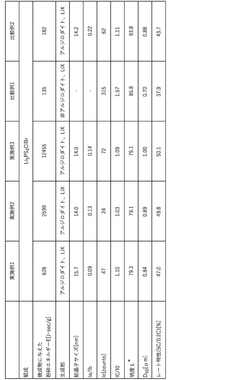
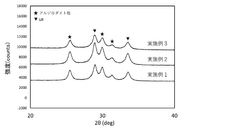
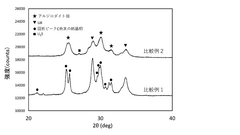
- A solid electrolyte with a crystalline phase having an argyrodite crystal structure, composed of lithium, phosphorus, sulfur, and a halogen element, is developed, utilizing a manufacturing method that includes firing and strong pulverization to enhance lithium ion conductivity and reduce the presence of foreign phases, thereby improving battery characteristics.
Safety Regulations for Solid-State Batteries
The development of solid-state batteries, particularly those utilizing lithium iron phosphate (LFP) chemistry, has necessitated the establishment of comprehensive safety regulations. These regulations aim to address the unique challenges posed by solid electrolytes and ensure the safe production, use, and disposal of these advanced energy storage devices.
One of the primary focuses of safety regulations for solid-state LFP batteries is the prevention of thermal runaway. Unlike traditional liquid electrolyte batteries, solid-state batteries have a reduced risk of electrolyte leakage and combustion. However, the potential for internal short circuits and subsequent thermal events still exists. Regulatory bodies have implemented stringent testing protocols to evaluate the thermal stability of solid electrolytes under various conditions, including extreme temperatures and mechanical stress.
Mechanical integrity is another crucial aspect addressed by safety regulations. Solid electrolytes must maintain their structural stability during battery operation and under external forces. Standards have been developed to assess the resistance of solid-state batteries to crushing, puncturing, and vibration. These tests ensure that the batteries can withstand the rigors of everyday use and potential accidents without compromising safety.
Electrical safety is a key consideration in the regulatory framework. Solid-state batteries must comply with standards regarding maximum voltage, current, and power output. Additionally, regulations mandate the incorporation of robust battery management systems (BMS) to monitor and control the electrical parameters of each cell, preventing overcharging, over-discharging, and other potentially hazardous conditions.
The manufacturing process of solid-state LFP batteries is subject to strict quality control measures. Regulations require manufacturers to implement rigorous testing at various stages of production to ensure the consistency and reliability of the solid electrolyte and other battery components. This includes checks for impurities, defects, and uniformity in the electrolyte layer, which are critical for maintaining safety and performance.
Environmental and health considerations are also addressed in the safety regulations. Guidelines have been established for the safe handling and disposal of solid electrolyte materials, many of which may be toxic or environmentally harmful. Manufacturers are required to provide detailed safety data sheets and implement proper waste management protocols.
Transportation safety is a significant concern for solid-state batteries. Regulations have been adapted to account for the unique properties of these batteries, including specific packaging requirements, labeling standards, and shipping restrictions. These measures aim to prevent accidents during transit and ensure that emergency responders are adequately informed about the nature of the cargo.
As the technology continues to evolve, safety regulations for solid-state LFP batteries are subject to ongoing review and updates. Regulatory bodies work closely with industry stakeholders, research institutions, and standards organizations to refine and expand the regulatory framework, ensuring that it keeps pace with technological advancements and emerging safety concerns in this rapidly developing field.
One of the primary focuses of safety regulations for solid-state LFP batteries is the prevention of thermal runaway. Unlike traditional liquid electrolyte batteries, solid-state batteries have a reduced risk of electrolyte leakage and combustion. However, the potential for internal short circuits and subsequent thermal events still exists. Regulatory bodies have implemented stringent testing protocols to evaluate the thermal stability of solid electrolytes under various conditions, including extreme temperatures and mechanical stress.
Mechanical integrity is another crucial aspect addressed by safety regulations. Solid electrolytes must maintain their structural stability during battery operation and under external forces. Standards have been developed to assess the resistance of solid-state batteries to crushing, puncturing, and vibration. These tests ensure that the batteries can withstand the rigors of everyday use and potential accidents without compromising safety.
Electrical safety is a key consideration in the regulatory framework. Solid-state batteries must comply with standards regarding maximum voltage, current, and power output. Additionally, regulations mandate the incorporation of robust battery management systems (BMS) to monitor and control the electrical parameters of each cell, preventing overcharging, over-discharging, and other potentially hazardous conditions.
The manufacturing process of solid-state LFP batteries is subject to strict quality control measures. Regulations require manufacturers to implement rigorous testing at various stages of production to ensure the consistency and reliability of the solid electrolyte and other battery components. This includes checks for impurities, defects, and uniformity in the electrolyte layer, which are critical for maintaining safety and performance.
Environmental and health considerations are also addressed in the safety regulations. Guidelines have been established for the safe handling and disposal of solid electrolyte materials, many of which may be toxic or environmentally harmful. Manufacturers are required to provide detailed safety data sheets and implement proper waste management protocols.
Transportation safety is a significant concern for solid-state batteries. Regulations have been adapted to account for the unique properties of these batteries, including specific packaging requirements, labeling standards, and shipping restrictions. These measures aim to prevent accidents during transit and ensure that emergency responders are adequately informed about the nature of the cargo.
As the technology continues to evolve, safety regulations for solid-state LFP batteries are subject to ongoing review and updates. Regulatory bodies work closely with industry stakeholders, research institutions, and standards organizations to refine and expand the regulatory framework, ensuring that it keeps pace with technological advancements and emerging safety concerns in this rapidly developing field.
Environmental Impact of Solid Electrolytes
The environmental impact of solid electrolytes in lithium iron phosphate (LFP) batteries is a critical consideration as the technology advances. Solid electrolytes offer potential benefits in terms of safety and energy density, but their production and lifecycle also present environmental challenges.
One of the primary environmental advantages of solid electrolytes is the reduction of fire hazards associated with traditional liquid electrolytes. This increased safety profile can lead to fewer incidents of battery fires or explosions, potentially reducing environmental contamination from hazardous materials released during such events.
However, the production of solid electrolytes often requires energy-intensive processes and specialized materials. The synthesis of ceramic-based solid electrolytes, for instance, may involve high-temperature sintering, which consumes significant amounts of energy. This energy consumption could lead to increased carbon emissions if not sourced from renewable energy.
The raw materials used in solid electrolytes also have environmental implications. Some solid electrolytes contain rare earth elements or other scarce materials, which may lead to increased mining activities and associated environmental degradation. The extraction and processing of these materials can result in habitat destruction, water pollution, and soil contamination if not properly managed.
On the other hand, solid electrolytes may contribute to the overall longevity and recyclability of LFP batteries. Their stability and resistance to degradation could extend battery life, reducing the frequency of battery replacements and the associated environmental impact of manufacturing new batteries.
The end-of-life management of solid electrolyte batteries presents both challenges and opportunities. While the absence of liquid components may simplify the recycling process, the recovery of valuable materials from solid electrolytes requires the development of new recycling technologies. Efficient recycling methods could significantly reduce the environmental footprint of these batteries by minimizing the need for virgin material extraction.
Furthermore, the potential for solid electrolytes to enable higher energy density in LFP batteries could have indirect environmental benefits. Improved energy storage capacity could accelerate the adoption of renewable energy sources and electric vehicles, contributing to a reduction in greenhouse gas emissions from the energy and transportation sectors.
As research in solid electrolytes progresses, there is a growing focus on developing more environmentally friendly production methods and materials. This includes exploring bio-derived precursors, low-temperature synthesis techniques, and the use of abundant, non-toxic elements in electrolyte compositions.
One of the primary environmental advantages of solid electrolytes is the reduction of fire hazards associated with traditional liquid electrolytes. This increased safety profile can lead to fewer incidents of battery fires or explosions, potentially reducing environmental contamination from hazardous materials released during such events.
However, the production of solid electrolytes often requires energy-intensive processes and specialized materials. The synthesis of ceramic-based solid electrolytes, for instance, may involve high-temperature sintering, which consumes significant amounts of energy. This energy consumption could lead to increased carbon emissions if not sourced from renewable energy.
The raw materials used in solid electrolytes also have environmental implications. Some solid electrolytes contain rare earth elements or other scarce materials, which may lead to increased mining activities and associated environmental degradation. The extraction and processing of these materials can result in habitat destruction, water pollution, and soil contamination if not properly managed.
On the other hand, solid electrolytes may contribute to the overall longevity and recyclability of LFP batteries. Their stability and resistance to degradation could extend battery life, reducing the frequency of battery replacements and the associated environmental impact of manufacturing new batteries.
The end-of-life management of solid electrolyte batteries presents both challenges and opportunities. While the absence of liquid components may simplify the recycling process, the recovery of valuable materials from solid electrolytes requires the development of new recycling technologies. Efficient recycling methods could significantly reduce the environmental footprint of these batteries by minimizing the need for virgin material extraction.
Furthermore, the potential for solid electrolytes to enable higher energy density in LFP batteries could have indirect environmental benefits. Improved energy storage capacity could accelerate the adoption of renewable energy sources and electric vehicles, contributing to a reduction in greenhouse gas emissions from the energy and transportation sectors.
As research in solid electrolytes progresses, there is a growing focus on developing more environmentally friendly production methods and materials. This includes exploring bio-derived precursors, low-temperature synthesis techniques, and the use of abundant, non-toxic elements in electrolyte compositions.
Unlock deeper insights with Patsnap Eureka Quick Research — get a full tech report to explore trends and direct your research. Try now!
Generate Your Research Report Instantly with AI Agent
Supercharge your innovation with Patsnap Eureka AI Agent Platform!