

How to Assess GDI Engine's Starting System Performance
AUG 28, 20259 MIN READ
Generate Your Research Report Instantly with AI Agent
PatSnap Eureka helps you evaluate technical feasibility & market potential.
GDI Engine Starting System Background and Objectives
Gasoline Direct Injection (GDI) engine technology has evolved significantly over the past three decades, revolutionizing the automotive industry with improved fuel efficiency and reduced emissions. The starting system of a GDI engine represents a critical component that determines overall engine performance, fuel consumption, and emission levels during cold and warm starts. Understanding the historical development of GDI technology provides essential context for assessing starting system performance.
The first commercial GDI engines emerged in the late 1990s, with Mitsubishi's GDI system leading the way, followed by advancements from European manufacturers like Volkswagen and Bosch. Early GDI systems faced challenges with cold-start emissions and carbon buildup, which have been progressively addressed through technological innovations. The evolution of GDI starting systems has been driven by increasingly stringent emission regulations worldwide, particularly Euro 6, China 6, and US Tier 3 standards.
Modern GDI starting systems must balance multiple competing objectives: rapid engine start-up, minimal emissions during the critical first seconds of operation, consistent performance across varying ambient conditions, and long-term durability. The technical goal of GDI starting system assessment is to develop comprehensive evaluation methodologies that accurately measure and predict real-world performance across these dimensions.
Current assessment approaches typically focus on parameters such as time-to-idle stability, hydrocarbon emissions during cold start, particulate matter formation, and fuel consumption during the starting phase. However, these methods often lack standardization across the industry, creating challenges for comparative analysis and regulatory compliance verification.
The technological trajectory indicates a growing need for more sophisticated assessment tools that can capture the complex interactions between fuel injection strategies, ignition timing, valve control, and exhaust aftertreatment systems during engine start. Advanced simulation capabilities and real-time monitoring systems are becoming essential for predicting and optimizing starting performance.
The primary objective of this technical research is to establish a comprehensive framework for assessing GDI engine starting system performance that addresses current limitations. This includes developing standardized test protocols that account for varying ambient conditions, identifying key performance indicators that correlate with real-world performance, and creating predictive models that can accelerate the development cycle of next-generation starting systems.
Additionally, this research aims to explore emerging technologies that may fundamentally transform GDI starting systems, such as advanced sensors for real-time combustion monitoring, machine learning algorithms for adaptive control strategies, and novel heating technologies for catalyst light-off acceleration. These innovations promise to further reduce emissions and improve efficiency during the critical starting phase of engine operation.
The first commercial GDI engines emerged in the late 1990s, with Mitsubishi's GDI system leading the way, followed by advancements from European manufacturers like Volkswagen and Bosch. Early GDI systems faced challenges with cold-start emissions and carbon buildup, which have been progressively addressed through technological innovations. The evolution of GDI starting systems has been driven by increasingly stringent emission regulations worldwide, particularly Euro 6, China 6, and US Tier 3 standards.
Modern GDI starting systems must balance multiple competing objectives: rapid engine start-up, minimal emissions during the critical first seconds of operation, consistent performance across varying ambient conditions, and long-term durability. The technical goal of GDI starting system assessment is to develop comprehensive evaluation methodologies that accurately measure and predict real-world performance across these dimensions.
Current assessment approaches typically focus on parameters such as time-to-idle stability, hydrocarbon emissions during cold start, particulate matter formation, and fuel consumption during the starting phase. However, these methods often lack standardization across the industry, creating challenges for comparative analysis and regulatory compliance verification.
The technological trajectory indicates a growing need for more sophisticated assessment tools that can capture the complex interactions between fuel injection strategies, ignition timing, valve control, and exhaust aftertreatment systems during engine start. Advanced simulation capabilities and real-time monitoring systems are becoming essential for predicting and optimizing starting performance.
The primary objective of this technical research is to establish a comprehensive framework for assessing GDI engine starting system performance that addresses current limitations. This includes developing standardized test protocols that account for varying ambient conditions, identifying key performance indicators that correlate with real-world performance, and creating predictive models that can accelerate the development cycle of next-generation starting systems.
Additionally, this research aims to explore emerging technologies that may fundamentally transform GDI starting systems, such as advanced sensors for real-time combustion monitoring, machine learning algorithms for adaptive control strategies, and novel heating technologies for catalyst light-off acceleration. These innovations promise to further reduce emissions and improve efficiency during the critical starting phase of engine operation.
Market Requirements for GDI Starting Performance
The global automotive market is witnessing a significant shift towards more stringent emissions regulations and higher fuel efficiency standards, directly impacting requirements for GDI (Gasoline Direct Injection) engine starting performance. Market analysis indicates that consumers increasingly demand vehicles with rapid start capabilities, minimal emissions during cold starts, and consistent performance across varying environmental conditions.
Current market research shows that premium vehicle segments expect start times under 0.5 seconds from key-on to stable idle, while mainstream segments typically accept 0.7-1.0 seconds. This performance metric has become a key differentiator in consumer perception of vehicle quality and responsiveness, particularly in regions with extreme climate conditions.
Environmental regulations, especially in Europe, North America, and China, have established increasingly strict limits on cold-start emissions when engines are most prone to incomplete combustion. The California Air Resources Board (CARB) and European Euro 7 standards specifically target the first 30 seconds of operation, creating market pressure for advanced starting systems that can rapidly achieve optimal combustion parameters.
Market feedback from dealerships and customer satisfaction surveys reveals that starting reliability ranks among the top five concerns for vehicle purchasers, with particular emphasis on consistent performance in cold weather conditions. Fleet operators specifically evaluate total cost of ownership implications of starting system reliability, as starting failures represent a significant portion of service calls and downtime costs.
The growing market for start-stop technology has further elevated requirements for GDI starting systems, with consumers expecting seamless restarts that occur within 300 milliseconds and without perceptible vibration or noise. This feature is increasingly standard across vehicle segments as manufacturers pursue fuel economy improvements.
Emerging markets in regions with variable fuel quality present additional challenges, requiring starting systems that maintain performance despite fuel composition variations. This has created demand for adaptive starting systems that can detect and compensate for fuel properties in real-time.
The electric vehicle transition is paradoxically increasing requirements for efficient GDI starting in hybrid vehicles, where frequent engine starts during operation must be imperceptible to occupants. Premium hybrid vehicles now target start events that produce less than 0.4g of vibration at the driver's seat, setting new benchmarks for starting refinement.
Market forecasts project that by 2025, over 70% of new internal combustion vehicles will incorporate some form of hybridization, making starting system performance a critical component in the overall powertrain strategy and customer acceptance of these transitional technologies.
Current market research shows that premium vehicle segments expect start times under 0.5 seconds from key-on to stable idle, while mainstream segments typically accept 0.7-1.0 seconds. This performance metric has become a key differentiator in consumer perception of vehicle quality and responsiveness, particularly in regions with extreme climate conditions.
Environmental regulations, especially in Europe, North America, and China, have established increasingly strict limits on cold-start emissions when engines are most prone to incomplete combustion. The California Air Resources Board (CARB) and European Euro 7 standards specifically target the first 30 seconds of operation, creating market pressure for advanced starting systems that can rapidly achieve optimal combustion parameters.
Market feedback from dealerships and customer satisfaction surveys reveals that starting reliability ranks among the top five concerns for vehicle purchasers, with particular emphasis on consistent performance in cold weather conditions. Fleet operators specifically evaluate total cost of ownership implications of starting system reliability, as starting failures represent a significant portion of service calls and downtime costs.
The growing market for start-stop technology has further elevated requirements for GDI starting systems, with consumers expecting seamless restarts that occur within 300 milliseconds and without perceptible vibration or noise. This feature is increasingly standard across vehicle segments as manufacturers pursue fuel economy improvements.
Emerging markets in regions with variable fuel quality present additional challenges, requiring starting systems that maintain performance despite fuel composition variations. This has created demand for adaptive starting systems that can detect and compensate for fuel properties in real-time.
The electric vehicle transition is paradoxically increasing requirements for efficient GDI starting in hybrid vehicles, where frequent engine starts during operation must be imperceptible to occupants. Premium hybrid vehicles now target start events that produce less than 0.4g of vibration at the driver's seat, setting new benchmarks for starting refinement.
Market forecasts project that by 2025, over 70% of new internal combustion vehicles will incorporate some form of hybridization, making starting system performance a critical component in the overall powertrain strategy and customer acceptance of these transitional technologies.
Current Challenges in GDI Starting System Evaluation
The evaluation of GDI (Gasoline Direct Injection) engine starting systems presents significant challenges due to the complex interplay of multiple variables and systems. Current assessment methodologies often struggle to capture the full spectrum of performance factors under varying conditions, leading to incomplete understanding of system behavior and potential failure modes.
Traditional testing approaches typically focus on isolated parameters such as cranking time, first-fire timing, or emissions during cold start. However, these methods fail to account for the integrated nature of modern GDI starting systems, where fuel pressure dynamics, injector performance, spark timing, and electronic control unit (ECU) calibration must work in perfect harmony across diverse environmental conditions.
Temperature dependency represents a particularly difficult challenge in evaluation protocols. GDI systems exhibit dramatically different behaviors across temperature ranges, with cold-start performance at -30°C bearing little resemblance to operation at 40°C. Current test methodologies rarely capture this full temperature spectrum, creating blind spots in performance assessment.
Fuel quality variations further complicate evaluation efforts. GDI systems are notably sensitive to fuel composition differences, with ethanol content, volatility, and impurity levels significantly affecting atomization quality and combustion stability during startup. Most current evaluation frameworks fail to systematically account for these fuel-related variables.
Aging effects and component degradation present another substantial challenge. As injectors accumulate deposits, pressure regulators wear, and sensors drift from calibration, starting performance can degrade in ways that standard testing may not detect until significant problems emerge. The industry lacks standardized methodologies for accelerated aging tests that accurately predict real-world degradation patterns.
Emissions measurement during the critical first seconds of operation remains technically challenging. The transient nature of startup emissions, particularly particulate matter in GDI engines, requires sophisticated sampling techniques and equipment that many testing facilities lack. This creates a significant gap in understanding the environmental impact of different starting strategies.
Integration with modern start-stop systems adds another layer of complexity. The frequent restart events in these systems create unique wear patterns and performance requirements that differ substantially from traditional cold-start scenarios. Current evaluation protocols have not fully adapted to these new operational profiles.
Finally, the increasing complexity of control algorithms and their calibration parameters makes comprehensive evaluation increasingly difficult. Modern GDI starting systems may adjust dozens of parameters based on multiple sensor inputs, creating a vast parameter space that traditional testing approaches cannot fully explore or validate.
Traditional testing approaches typically focus on isolated parameters such as cranking time, first-fire timing, or emissions during cold start. However, these methods fail to account for the integrated nature of modern GDI starting systems, where fuel pressure dynamics, injector performance, spark timing, and electronic control unit (ECU) calibration must work in perfect harmony across diverse environmental conditions.
Temperature dependency represents a particularly difficult challenge in evaluation protocols. GDI systems exhibit dramatically different behaviors across temperature ranges, with cold-start performance at -30°C bearing little resemblance to operation at 40°C. Current test methodologies rarely capture this full temperature spectrum, creating blind spots in performance assessment.
Fuel quality variations further complicate evaluation efforts. GDI systems are notably sensitive to fuel composition differences, with ethanol content, volatility, and impurity levels significantly affecting atomization quality and combustion stability during startup. Most current evaluation frameworks fail to systematically account for these fuel-related variables.
Aging effects and component degradation present another substantial challenge. As injectors accumulate deposits, pressure regulators wear, and sensors drift from calibration, starting performance can degrade in ways that standard testing may not detect until significant problems emerge. The industry lacks standardized methodologies for accelerated aging tests that accurately predict real-world degradation patterns.
Emissions measurement during the critical first seconds of operation remains technically challenging. The transient nature of startup emissions, particularly particulate matter in GDI engines, requires sophisticated sampling techniques and equipment that many testing facilities lack. This creates a significant gap in understanding the environmental impact of different starting strategies.
Integration with modern start-stop systems adds another layer of complexity. The frequent restart events in these systems create unique wear patterns and performance requirements that differ substantially from traditional cold-start scenarios. Current evaluation protocols have not fully adapted to these new operational profiles.
Finally, the increasing complexity of control algorithms and their calibration parameters makes comprehensive evaluation increasingly difficult. Modern GDI starting systems may adjust dozens of parameters based on multiple sensor inputs, creating a vast parameter space that traditional testing approaches cannot fully explore or validate.
Existing GDI Starting Assessment Methodologies
01 Fuel injection control strategies for GDI engine starting
Various fuel injection control strategies can be implemented to improve GDI engine starting performance. These include optimizing injection timing, pressure, and quantity during cranking and initial combustion cycles. Advanced control algorithms can adjust fuel delivery based on engine temperature, ambient conditions, and cranking speed to ensure reliable cold and hot starts while minimizing emissions and fuel consumption during the critical starting phase.- GDI Engine Starting System Optimization: Optimization techniques for Gasoline Direct Injection (GDI) engine starting systems focus on improving cold start performance and reducing emissions during the critical startup phase. These systems typically involve precise fuel injection timing, optimized spark timing, and advanced control algorithms that adapt to various environmental conditions. By enhancing the starting sequence, these technologies enable faster, more reliable engine starts while minimizing hydrocarbon emissions and fuel consumption during the initial combustion cycles.
- Fuel Injection Control Strategies for GDI Starting: Advanced fuel injection control strategies specifically designed for GDI engine starting systems involve precise management of injection parameters such as timing, pressure, and spray pattern. These strategies often incorporate multiple injection events during startup, with pre-injection and post-injection techniques to optimize fuel atomization and mixture formation. By controlling these parameters based on engine temperature, ambient conditions, and other factors, the system can achieve improved combustion stability during cold starts and reduce the overall starting time.
- Electronic Control Systems for GDI Starting Performance: Electronic control systems play a crucial role in GDI engine starting performance by integrating various sensors and actuators to manage the starting sequence. These systems typically include advanced ECU algorithms that monitor engine parameters in real-time and adjust starting strategies accordingly. Features such as adaptive learning capabilities allow the system to optimize starting performance over time based on historical data and changing environmental conditions, resulting in more consistent starting behavior across a wide range of operating scenarios.
- Thermal Management for GDI Starting Systems: Thermal management solutions for GDI starting systems focus on optimizing engine temperature during cold starts to improve performance and reduce emissions. These technologies may include rapid warm-up systems, insulated components, and strategic cooling circuit designs that help maintain optimal operating temperatures. Some systems incorporate pre-heating elements for fuel or intake air, while others utilize waste heat recovery mechanisms to accelerate the warming process, all contributing to enhanced starting reliability and reduced emissions during the critical warm-up phase.
- Integration of Start-Stop Technology with GDI Systems: The integration of start-stop technology with GDI engine systems presents unique challenges and opportunities for starting system performance. These integrated systems require robust starting mechanisms capable of frequent cycling, enhanced battery management, and specialized control strategies to ensure seamless operation. Advanced solutions in this area focus on minimizing restart time, reducing NVH during restarts, and maintaining optimal fuel pressure between stop-start cycles. These technologies often incorporate reinforced starter motors, enhanced engine bearings, and sophisticated pressure maintenance systems to support the increased demands of frequent engine starts.
02 Ignition system enhancements for GDI engines
Specialized ignition system designs can significantly improve GDI engine starting performance. These include advanced spark plug technologies, multi-spark capabilities, and precise ignition timing control systems that adapt to varying fuel mixtures and combustion chamber conditions. Enhanced ignition systems ensure more complete combustion during starting, particularly under challenging conditions such as cold temperatures or when using fuels with different properties.Expand Specific Solutions03 Starting system hardware and component optimization
Physical components of the GDI engine starting system can be optimized for improved performance. This includes enhanced starter motors, more efficient cranking mechanisms, and specialized components designed specifically for GDI applications. Hardware improvements focus on increasing cranking speed, reducing friction, and ensuring proper fuel atomization during the starting phase to achieve faster, more reliable engine starts.Expand Specific Solutions04 Sensor integration and diagnostic systems for starting performance
Advanced sensor technologies and diagnostic systems can monitor and improve GDI engine starting performance. These systems utilize various sensors to collect real-time data on engine parameters during starting, allowing for adaptive control strategies. Diagnostic capabilities can identify starting issues, adjust parameters accordingly, and provide feedback for system optimization, resulting in more consistent starting performance across various operating conditions.Expand Specific Solutions05 Thermal management strategies for GDI starting systems
Thermal management approaches can enhance GDI engine starting performance, particularly in extreme temperature conditions. These strategies include pre-heating systems, temperature-adaptive fuel delivery, and specialized cold-start calibrations. By managing component temperatures and fuel properties during starting, these systems ensure optimal atomization and combustion, reducing emissions and improving reliability across a wide range of ambient conditions.Expand Specific Solutions
Major Industry Players in GDI Starting Systems
The GDI engine starting system performance assessment market is currently in a growth phase, with increasing demand driven by automotive efficiency and emission regulations. The market size is expanding as gasoline direct injection technology becomes standard in modern vehicles. From a technical maturity perspective, established automotive giants like Ford Global Technologies, GM Global Technology Operations, and Hyundai Motor Co. lead with comprehensive assessment methodologies, while specialized component manufacturers such as BorgWarner, Continental Automotive, and Delphi Technology offer advanced diagnostic solutions. Chinese manufacturers including FAW, Changan, and Chery are rapidly advancing their capabilities, narrowing the technology gap with traditional leaders. The competitive landscape shows a blend of established OEMs and emerging players developing increasingly sophisticated performance metrics.
Ford Global Technologies LLC
Technical Solution: Ford has developed a comprehensive GDI engine starting system assessment methodology that combines real-time data analytics with advanced diagnostics. Their approach utilizes a multi-parameter evaluation framework that monitors critical starting metrics including fuel pressure build-up time, injector response, cranking RPM stability, and first-fire characteristics. Ford's system employs embedded sensors that capture high-resolution temporal data during the critical first 1-2 seconds of the starting sequence, allowing for millisecond-level analysis of the air-fuel mixture formation and ignition timing. The company has implemented machine learning algorithms that can identify patterns in starting performance across various environmental conditions, enabling predictive diagnostics and adaptive calibration strategies. Ford's assessment technology includes specialized cold-start performance metrics that evaluate fuel atomization efficiency and combustion stability at temperatures as low as -30°C, which is particularly critical for GDI systems where fuel vaporization challenges are amplified in cold conditions.
Strengths: Ford's system excels in cold weather performance assessment and features excellent integration with vehicle diagnostic systems. Their predictive analytics capability allows for early detection of starting system degradation before complete failure occurs. Weaknesses: The system requires extensive sensor integration which increases complexity and cost. Implementation requires significant calibration effort across different engine variants.
Hyundai Motor Co., Ltd.
Technical Solution: Hyundai has pioneered a GDI engine starting system assessment platform that focuses on both laboratory and real-world performance metrics. Their approach integrates specialized test benches with in-vehicle monitoring systems to create a comprehensive evaluation framework. Hyundai's technology employs high-precision fuel pressure sensors and accelerometers to measure injection system response and engine vibration patterns during startup, which serve as key indicators of starting system health. Their assessment methodology includes a proprietary "Start Quality Index" that quantifies user-perceived starting performance by analyzing parameters such as time-to-idle stability, combustion smoothness during acceleration from idle, and acoustic characteristics during the starting event. Hyundai has developed specific test protocols for evaluating GDI starting performance under challenging conditions, including high-altitude testing (up to 4,000m elevation) where air density affects fuel atomization and combustion efficiency. The company utilizes thermal imaging during cold starts to map fuel spray patterns and wall wetting phenomena, providing visual confirmation of injector performance and mixture formation quality.
Strengths: Hyundai's system provides excellent correlation between laboratory measurements and real-world performance. Their comprehensive altitude testing capabilities address performance in challenging environments that competitors often overlook. Weaknesses: The system's reliance on specialized testing equipment limits widespread deployment across service networks. The thermal imaging components require careful calibration and controlled testing environments.
Key Technical Innovations in Starting Performance Metrics
Gasoline direct injection engine
PatentInactiveCN102080604A
Innovation
- By designing the recess and groove structure on the piston head, the fuel injected by the injector is returned to the intake valve, and a violent vortex is formed through the protrusion, ensuring the concentration of the fuel-air mixture around the spark plug, thereby ensuring high load operation under high load conditions. Maintain efficient gas mixture flow.


Direct Injection Fuel System with Reservoir
PatentInactiveUS20090107461A1
Innovation
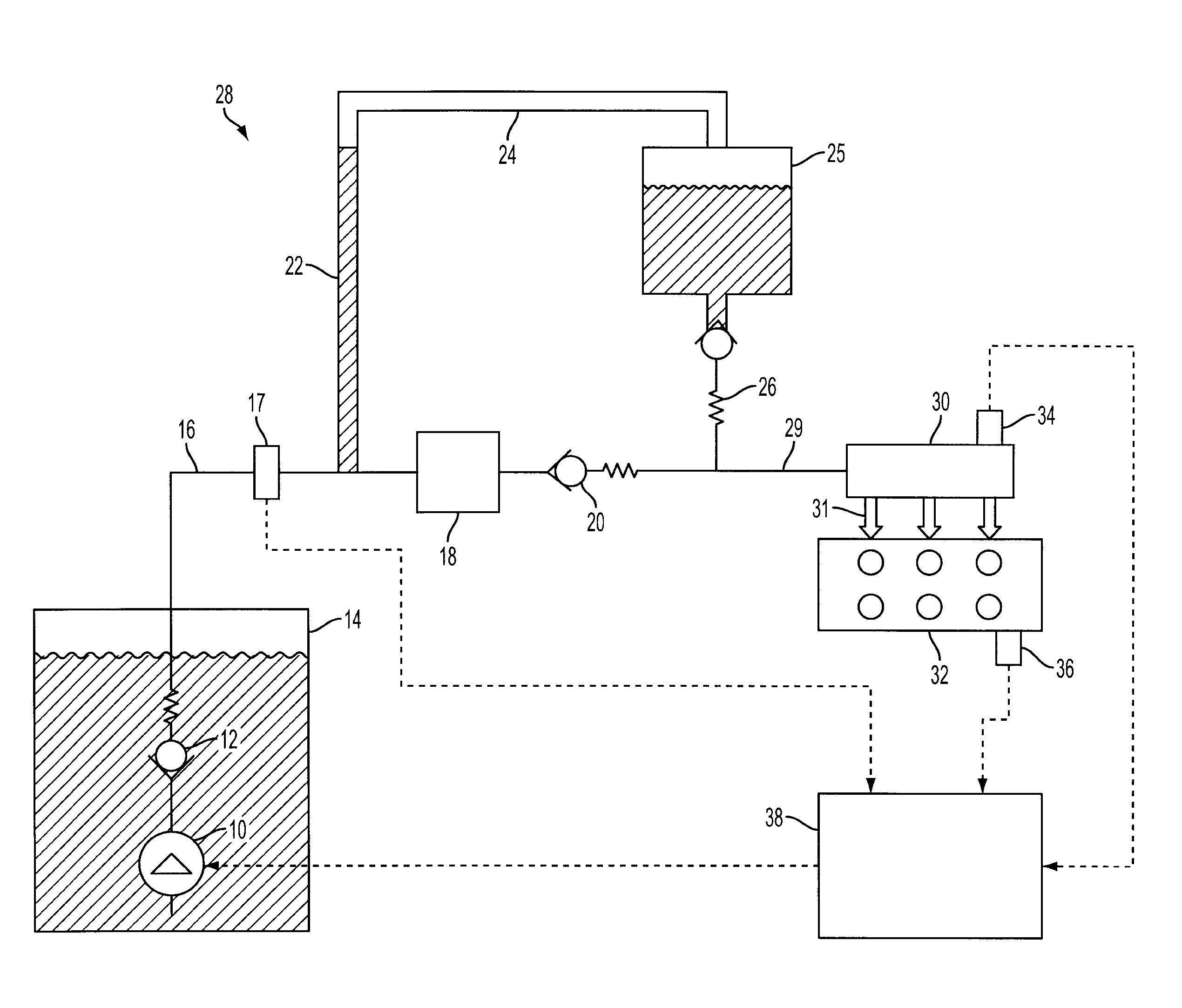
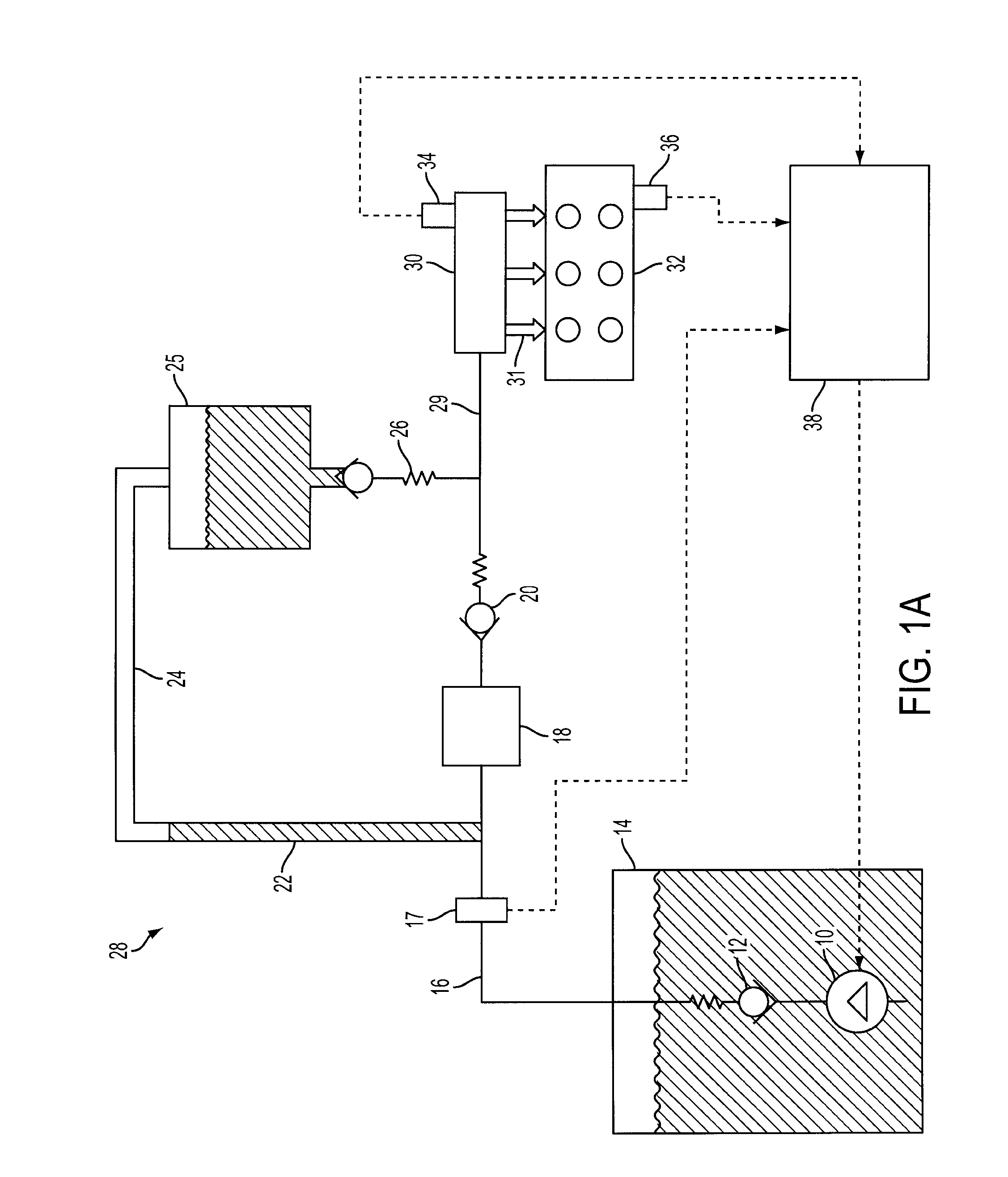
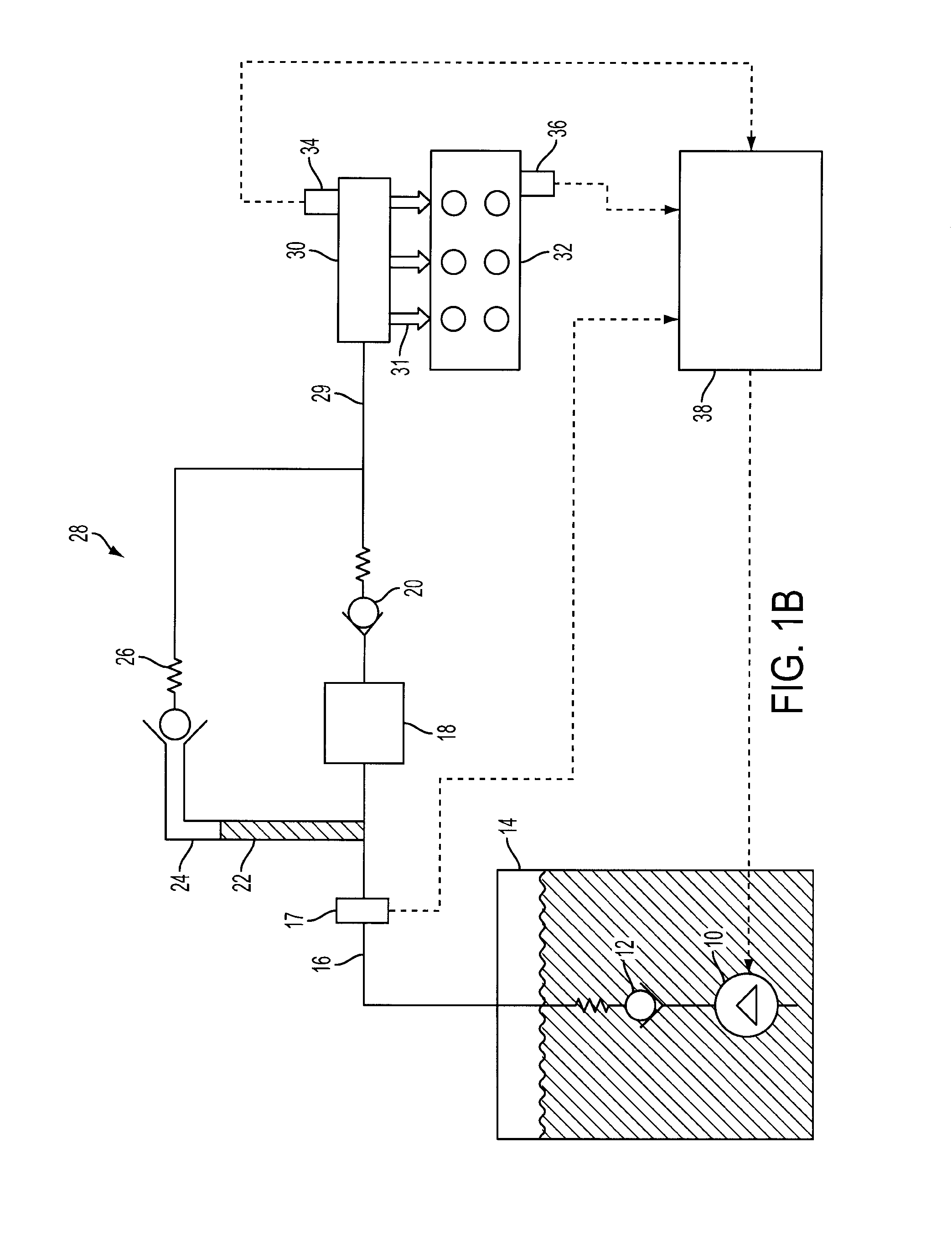
- A fuel delivery system with a lift pump and a high-pressure pump, coupled with a bypass and check valve configuration, where the lift pump is activated during engine shutdown to maintain pressure and fill the fuel rail with liquid fuel, preventing air and vapor ingestion, and a reservoir positioned vertically above the check valve ensures only liquid fuel enters the rail, maintaining pressure and improving fuel pressure rise during engine starts.
Environmental Impact of GDI Starting Performance
The environmental impact of GDI (Gasoline Direct Injection) starting performance represents a critical aspect of modern automotive engineering that demands thorough assessment. GDI engines, while offering improved fuel efficiency and power output compared to traditional port fuel injection systems, present unique environmental challenges during cold starts and initial operation phases. These environmental considerations have become increasingly important as global emissions regulations continue to tighten.
During cold starts, GDI engines typically produce higher levels of particulate matter (PM) emissions compared to their port-injected counterparts. This phenomenon occurs because fuel atomization is less efficient at lower temperatures, resulting in incomplete combustion and increased formation of soot particles. Studies have shown that up to 80% of total particulate emissions can occur during the first 120 seconds of engine operation, making the starting phase disproportionately impactful on overall environmental performance.
Nitrogen oxide (NOx) emissions also present significant environmental concerns during GDI engine starts. The higher compression ratios and combustion temperatures characteristic of GDI technology can lead to elevated NOx formation during the warming phase. These emissions contribute to smog formation, acid rain, and various respiratory health issues in urban environments where frequent cold starts are common.
Hydrocarbon (HC) emissions represent another environmental challenge during GDI engine starts. Fuel impingement on cylinder walls during cold operation can result in unburned hydrocarbons escaping through the exhaust system. These compounds contribute to photochemical smog and are regulated under increasingly stringent emissions standards worldwide, including Euro 6d and China 6 regulations.
Carbon dioxide (CO2) emissions, while generally lower in GDI engines during normal operation, can be elevated during cold starts due to enrichment strategies necessary for stable combustion. This temporary increase in fuel consumption directly impacts the vehicle's carbon footprint and affects compliance with fleet-wide CO2 targets established by regulatory bodies.
Advanced starting system performance assessment must therefore incorporate comprehensive environmental impact analysis. This includes real-world testing under various ambient conditions, as laboratory results often fail to capture the full spectrum of emissions behavior. Portable emissions measurement systems (PEMS) have become valuable tools for quantifying actual environmental impact during diverse starting scenarios.
Manufacturers are implementing various technologies to mitigate these environmental concerns, including electrically heated catalysts, advanced thermal management systems, and sophisticated fuel injection strategies specifically optimized for cold-start conditions. The effectiveness of these solutions must be rigorously evaluated as part of any comprehensive GDI starting system performance assessment protocol.
During cold starts, GDI engines typically produce higher levels of particulate matter (PM) emissions compared to their port-injected counterparts. This phenomenon occurs because fuel atomization is less efficient at lower temperatures, resulting in incomplete combustion and increased formation of soot particles. Studies have shown that up to 80% of total particulate emissions can occur during the first 120 seconds of engine operation, making the starting phase disproportionately impactful on overall environmental performance.
Nitrogen oxide (NOx) emissions also present significant environmental concerns during GDI engine starts. The higher compression ratios and combustion temperatures characteristic of GDI technology can lead to elevated NOx formation during the warming phase. These emissions contribute to smog formation, acid rain, and various respiratory health issues in urban environments where frequent cold starts are common.
Hydrocarbon (HC) emissions represent another environmental challenge during GDI engine starts. Fuel impingement on cylinder walls during cold operation can result in unburned hydrocarbons escaping through the exhaust system. These compounds contribute to photochemical smog and are regulated under increasingly stringent emissions standards worldwide, including Euro 6d and China 6 regulations.
Carbon dioxide (CO2) emissions, while generally lower in GDI engines during normal operation, can be elevated during cold starts due to enrichment strategies necessary for stable combustion. This temporary increase in fuel consumption directly impacts the vehicle's carbon footprint and affects compliance with fleet-wide CO2 targets established by regulatory bodies.
Advanced starting system performance assessment must therefore incorporate comprehensive environmental impact analysis. This includes real-world testing under various ambient conditions, as laboratory results often fail to capture the full spectrum of emissions behavior. Portable emissions measurement systems (PEMS) have become valuable tools for quantifying actual environmental impact during diverse starting scenarios.
Manufacturers are implementing various technologies to mitigate these environmental concerns, including electrically heated catalysts, advanced thermal management systems, and sophisticated fuel injection strategies specifically optimized for cold-start conditions. The effectiveness of these solutions must be rigorously evaluated as part of any comprehensive GDI starting system performance assessment protocol.
Cold-Start Emissions Compliance Standards
Cold-start emissions compliance has become increasingly stringent worldwide, creating significant challenges for GDI (Gasoline Direct Injection) engine manufacturers. The European Union's Euro 6d standards mandate that vehicles must meet emissions limits during cold-start conditions, with Real Driving Emissions (RDE) testing requiring compliance across a wide range of operating conditions. Similarly, the United States EPA Tier 3 and California's LEVIII standards impose strict limits on non-methane organic gases (NMOG) and nitrogen oxides (NOx) during the critical first 20 seconds of engine operation.
These regulations specifically target the cold-start phase because emissions during this period can constitute up to 80% of the total emissions in standardized test cycles. For GDI engines, particulate matter (PM) and particulate number (PN) emissions are particularly problematic during cold starts, with Euro 6d imposing a limit of 6×10¹¹ particles/km and 4.5 mg/km for PN and PM respectively.
China's National 6 standards, implemented in phases since 2019, align closely with Euro 6 requirements but include additional provisions for high-altitude and low-temperature performance, directly impacting cold-start assessment protocols. Japanese regulations focus heavily on real-world driving conditions, requiring manufacturers to demonstrate compliance across varying ambient temperatures ranging from -7°C to 35°C.
Assessment methodologies for cold-start compliance typically involve standardized testing procedures such as the Worldwide harmonized Light vehicles Test Procedure (WLTP) and Federal Test Procedure (FTP-75). These tests measure emissions during specific driving cycles that include cold-start phases. Advanced portable emissions measurement systems (PEMS) are now required for RDE testing, capturing real-world emissions data outside laboratory conditions.
The technical challenges of meeting these standards have driven significant innovations in GDI starting systems, including advanced catalyst heating strategies, optimized fuel injection patterns, and sophisticated engine control algorithms. Manufacturers must now demonstrate compliance through both laboratory certification and in-use verification testing, with penalties for non-compliance ranging from sales restrictions to substantial financial penalties.
Future regulatory trends indicate even stricter cold-start emissions requirements, with proposed Euro 7 standards potentially lowering PN limits by an additional 50% and introducing more challenging testing conditions. This regulatory landscape necessitates comprehensive assessment protocols for GDI starting system performance that address both current compliance requirements and anticipated future standards.
These regulations specifically target the cold-start phase because emissions during this period can constitute up to 80% of the total emissions in standardized test cycles. For GDI engines, particulate matter (PM) and particulate number (PN) emissions are particularly problematic during cold starts, with Euro 6d imposing a limit of 6×10¹¹ particles/km and 4.5 mg/km for PN and PM respectively.
China's National 6 standards, implemented in phases since 2019, align closely with Euro 6 requirements but include additional provisions for high-altitude and low-temperature performance, directly impacting cold-start assessment protocols. Japanese regulations focus heavily on real-world driving conditions, requiring manufacturers to demonstrate compliance across varying ambient temperatures ranging from -7°C to 35°C.
Assessment methodologies for cold-start compliance typically involve standardized testing procedures such as the Worldwide harmonized Light vehicles Test Procedure (WLTP) and Federal Test Procedure (FTP-75). These tests measure emissions during specific driving cycles that include cold-start phases. Advanced portable emissions measurement systems (PEMS) are now required for RDE testing, capturing real-world emissions data outside laboratory conditions.
The technical challenges of meeting these standards have driven significant innovations in GDI starting systems, including advanced catalyst heating strategies, optimized fuel injection patterns, and sophisticated engine control algorithms. Manufacturers must now demonstrate compliance through both laboratory certification and in-use verification testing, with penalties for non-compliance ranging from sales restrictions to substantial financial penalties.
Future regulatory trends indicate even stricter cold-start emissions requirements, with proposed Euro 7 standards potentially lowering PN limits by an additional 50% and introducing more challenging testing conditions. This regulatory landscape necessitates comprehensive assessment protocols for GDI starting system performance that address both current compliance requirements and anticipated future standards.
Unlock deeper insights with PatSnap Eureka Quick Research — get a full tech report to explore trends and direct your research. Try now!
Generate Your Research Report Instantly with AI Agent
Supercharge your innovation with PatSnap Eureka AI Agent Platform!