

Optimizing GDI Engine's Spark Efficiency for Cold Starts
AUG 28, 20259 MIN READ
Generate Your Research Report Instantly with AI Agent
PatSnap Eureka helps you evaluate technical feasibility & market potential.
GDI Cold Start Spark Efficiency Background and Objectives
Gasoline Direct Injection (GDI) technology has revolutionized internal combustion engines since its commercial introduction in the late 1990s. This advanced fuel delivery system injects fuel directly into the combustion chamber rather than the intake port, offering significant improvements in fuel efficiency and power output. However, GDI engines face unique challenges during cold start conditions, particularly regarding spark efficiency and emissions control.
Cold start conditions represent one of the most critical operational phases for modern automotive engines, accounting for a disproportionate percentage of total emissions in the typical drive cycle. During cold starts, fuel atomization is compromised, cylinder wall temperatures are low, and catalytic converters have not reached their operational temperature, creating a perfect storm of inefficiency and elevated emissions.
The evolution of GDI technology has been driven by increasingly stringent emissions regulations worldwide, including Euro 7, China 7, and US EPA Tier 3 standards. These regulations have placed particular emphasis on reducing cold start emissions, as they can constitute up to 80% of total emissions in standardized test cycles despite representing only a small fraction of operational time.
Our technical objective is to optimize spark efficiency specifically during cold start conditions in GDI engines. This entails developing solutions that address multiple interrelated challenges: improving fuel atomization at low temperatures, optimizing spark timing and energy delivery, enhancing mixture formation near the spark plug, and accelerating catalyst light-off times.
Current GDI systems typically employ strategies such as retarded ignition timing, increased fuel enrichment, and higher idle speeds during cold starts. While effective to some degree, these approaches often result in efficiency penalties and increased emissions. The goal is to develop more sophisticated approaches that maintain combustion stability while minimizing these negative side effects.
Recent advancements in ignition systems, including multi-spark technology, corona discharge ignition, and laser-induced ignition, offer promising pathways for improving cold start performance. Additionally, innovations in injector design, spray pattern optimization, and cylinder pressure sensing provide complementary approaches to addressing the cold start challenge.
The technical trajectory aims to achieve robust cold start performance across a wide range of ambient temperatures (-30°C to +35°C) while meeting or exceeding all applicable emissions standards. Secondary objectives include minimizing the duration of the cold start enrichment period, reducing catalyst light-off time, and maintaining acceptable NVH (Noise, Vibration, Harshness) characteristics during the warm-up phase.
Cold start conditions represent one of the most critical operational phases for modern automotive engines, accounting for a disproportionate percentage of total emissions in the typical drive cycle. During cold starts, fuel atomization is compromised, cylinder wall temperatures are low, and catalytic converters have not reached their operational temperature, creating a perfect storm of inefficiency and elevated emissions.
The evolution of GDI technology has been driven by increasingly stringent emissions regulations worldwide, including Euro 7, China 7, and US EPA Tier 3 standards. These regulations have placed particular emphasis on reducing cold start emissions, as they can constitute up to 80% of total emissions in standardized test cycles despite representing only a small fraction of operational time.
Our technical objective is to optimize spark efficiency specifically during cold start conditions in GDI engines. This entails developing solutions that address multiple interrelated challenges: improving fuel atomization at low temperatures, optimizing spark timing and energy delivery, enhancing mixture formation near the spark plug, and accelerating catalyst light-off times.
Current GDI systems typically employ strategies such as retarded ignition timing, increased fuel enrichment, and higher idle speeds during cold starts. While effective to some degree, these approaches often result in efficiency penalties and increased emissions. The goal is to develop more sophisticated approaches that maintain combustion stability while minimizing these negative side effects.
Recent advancements in ignition systems, including multi-spark technology, corona discharge ignition, and laser-induced ignition, offer promising pathways for improving cold start performance. Additionally, innovations in injector design, spray pattern optimization, and cylinder pressure sensing provide complementary approaches to addressing the cold start challenge.
The technical trajectory aims to achieve robust cold start performance across a wide range of ambient temperatures (-30°C to +35°C) while meeting or exceeding all applicable emissions standards. Secondary objectives include minimizing the duration of the cold start enrichment period, reducing catalyst light-off time, and maintaining acceptable NVH (Noise, Vibration, Harshness) characteristics during the warm-up phase.
Market Demand Analysis for Efficient Cold Start Technologies
The global market for efficient cold start technologies in GDI (Gasoline Direct Injection) engines has experienced significant growth in recent years, driven primarily by stringent emission regulations and increasing consumer demand for fuel-efficient vehicles. According to industry reports, the automotive engine management systems market, which includes cold start optimization technologies, was valued at approximately $38.2 billion in 2022 and is projected to reach $60.5 billion by 2030, growing at a CAGR of 6.8%.
Cold start efficiency has become a critical focus area for automotive manufacturers worldwide as vehicles produce up to 80% of their total emissions during the first 90 seconds of operation. This challenge is particularly pronounced in regions with colder climates, where engine performance and emission control during cold starts represent significant technical hurdles.
Market research indicates that consumer preferences are increasingly shifting toward vehicles that offer improved cold-weather performance without compromising on fuel efficiency or environmental standards. A 2023 J.D. Power survey revealed that 67% of consumers in northern markets consider cold start performance an important factor in vehicle purchasing decisions, up from 52% five years ago.
From a regulatory perspective, the implementation of Euro 7 standards in Europe, China 6b in Asia, and Tier 3 regulations in North America has created substantial market pressure for advanced cold start technologies. These regulations specifically target reduction of particulate matter and NOx emissions during the critical warm-up phase of engine operation.
The aftermarket segment for cold start optimization solutions is also expanding, with a market size of approximately $3.7 billion in 2022, expected to grow at 5.2% annually through 2028. This growth is fueled by existing vehicle owners seeking to improve performance and reduce emissions in older GDI engine models.
Regional analysis shows varying demand patterns, with North America and Europe leading adoption due to their combination of cold climates and strict emission standards. However, emerging markets in Asia-Pacific are showing the fastest growth rate at 8.3% annually, driven by rapid vehicle fleet expansion and increasingly stringent environmental regulations in countries like China and India.
The market is further segmented by vehicle type, with passenger vehicles representing the largest share at 68%, followed by light commercial vehicles at 22%. Premium vehicle manufacturers have been early adopters of advanced cold start technologies, but the technology is rapidly penetrating mid-range vehicle segments as production costs decrease and consumer awareness increases.
Cold start efficiency has become a critical focus area for automotive manufacturers worldwide as vehicles produce up to 80% of their total emissions during the first 90 seconds of operation. This challenge is particularly pronounced in regions with colder climates, where engine performance and emission control during cold starts represent significant technical hurdles.
Market research indicates that consumer preferences are increasingly shifting toward vehicles that offer improved cold-weather performance without compromising on fuel efficiency or environmental standards. A 2023 J.D. Power survey revealed that 67% of consumers in northern markets consider cold start performance an important factor in vehicle purchasing decisions, up from 52% five years ago.
From a regulatory perspective, the implementation of Euro 7 standards in Europe, China 6b in Asia, and Tier 3 regulations in North America has created substantial market pressure for advanced cold start technologies. These regulations specifically target reduction of particulate matter and NOx emissions during the critical warm-up phase of engine operation.
The aftermarket segment for cold start optimization solutions is also expanding, with a market size of approximately $3.7 billion in 2022, expected to grow at 5.2% annually through 2028. This growth is fueled by existing vehicle owners seeking to improve performance and reduce emissions in older GDI engine models.
Regional analysis shows varying demand patterns, with North America and Europe leading adoption due to their combination of cold climates and strict emission standards. However, emerging markets in Asia-Pacific are showing the fastest growth rate at 8.3% annually, driven by rapid vehicle fleet expansion and increasingly stringent environmental regulations in countries like China and India.
The market is further segmented by vehicle type, with passenger vehicles representing the largest share at 68%, followed by light commercial vehicles at 22%. Premium vehicle manufacturers have been early adopters of advanced cold start technologies, but the technology is rapidly penetrating mid-range vehicle segments as production costs decrease and consumer awareness increases.
Current GDI Spark Ignition Challenges in Cold Conditions
Gasoline Direct Injection (GDI) engines face significant challenges during cold start conditions, particularly related to spark ignition efficiency. When ambient temperatures are low, typically below 20°C, the combustion chamber environment becomes increasingly hostile to effective ignition. The primary challenge stems from increased fuel condensation on cylinder walls and piston surfaces, creating a heterogeneous air-fuel mixture that is difficult to ignite consistently.
Cold start conditions dramatically affect the thermal efficiency of the spark plug system. The electrode temperature remains well below optimal operating range, leading to increased voltage requirements for arc formation. Research indicates that at 0°C, the required ignition voltage can increase by up to 40% compared to normal operating temperatures, pushing ignition systems to their design limits.
Another critical challenge is the formation of stable flame kernels during cold starts. The reduced vaporization of fuel creates localized regions of excessively rich or lean mixtures around the spark plug, inhibiting the transition from initial spark to sustainable flame propagation. Studies show that flame development period can extend by 15-30% during cold starts, significantly impacting combustion stability and emissions performance.
The increased viscosity of engine oil at low temperatures further compounds these issues by creating higher mechanical resistance, reducing engine speed during cranking, and consequently lowering the energy available in the ignition system. This creates a negative feedback loop where reduced available energy meets increased energy requirements for successful ignition.
Modern GDI systems also struggle with precise fuel targeting during cold conditions. Injector spray patterns can be affected by the thermal contraction of components and changes in fuel properties at low temperatures. This leads to suboptimal fuel distribution and wall wetting, further degrading ignition conditions.
Emissions control presents another significant challenge. Cold start emissions can account for up to 80% of total trip emissions in short urban driving cycles. The incomplete combustion during cold starts produces elevated levels of unburned hydrocarbons (HC) and carbon monoxide (CO), while also generating particulate matter (PM) that is particularly problematic for meeting increasingly stringent emissions regulations.
Advanced ignition technologies such as multi-spark systems and corona discharge ignition have shown promise in laboratory settings but face durability and cost challenges in production applications. Similarly, laser ignition systems offer theoretical advantages for cold start conditions but remain commercially impractical due to packaging constraints and system complexity.
The industry currently lacks a comprehensive solution that addresses all aspects of cold start ignition challenges without significant cost or complexity penalties, creating a critical gap in GDI engine technology that impacts both performance and environmental compliance.
Cold start conditions dramatically affect the thermal efficiency of the spark plug system. The electrode temperature remains well below optimal operating range, leading to increased voltage requirements for arc formation. Research indicates that at 0°C, the required ignition voltage can increase by up to 40% compared to normal operating temperatures, pushing ignition systems to their design limits.
Another critical challenge is the formation of stable flame kernels during cold starts. The reduced vaporization of fuel creates localized regions of excessively rich or lean mixtures around the spark plug, inhibiting the transition from initial spark to sustainable flame propagation. Studies show that flame development period can extend by 15-30% during cold starts, significantly impacting combustion stability and emissions performance.
The increased viscosity of engine oil at low temperatures further compounds these issues by creating higher mechanical resistance, reducing engine speed during cranking, and consequently lowering the energy available in the ignition system. This creates a negative feedback loop where reduced available energy meets increased energy requirements for successful ignition.
Modern GDI systems also struggle with precise fuel targeting during cold conditions. Injector spray patterns can be affected by the thermal contraction of components and changes in fuel properties at low temperatures. This leads to suboptimal fuel distribution and wall wetting, further degrading ignition conditions.
Emissions control presents another significant challenge. Cold start emissions can account for up to 80% of total trip emissions in short urban driving cycles. The incomplete combustion during cold starts produces elevated levels of unburned hydrocarbons (HC) and carbon monoxide (CO), while also generating particulate matter (PM) that is particularly problematic for meeting increasingly stringent emissions regulations.
Advanced ignition technologies such as multi-spark systems and corona discharge ignition have shown promise in laboratory settings but face durability and cost challenges in production applications. Similarly, laser ignition systems offer theoretical advantages for cold start conditions but remain commercially impractical due to packaging constraints and system complexity.
The industry currently lacks a comprehensive solution that addresses all aspects of cold start ignition challenges without significant cost or complexity penalties, creating a critical gap in GDI engine technology that impacts both performance and environmental compliance.
Current Solutions for Cold Start Spark Optimization
01 Ignition system optimization for GDI engines
Advanced ignition systems specifically designed for GDI engines can significantly improve spark efficiency. These systems include high-energy ignition coils, optimized spark plug designs, and precise timing control mechanisms that ensure reliable combustion even under high-pressure direct injection conditions. By enhancing the ignition energy delivery and spark characteristics, these systems overcome the challenges of igniting compressed fuel-air mixtures in GDI environments, resulting in improved combustion efficiency and reduced emissions.- Spark plug design optimization for GDI engines: Optimized spark plug designs can significantly improve the efficiency of gasoline direct injection engines. These designs focus on electrode configuration, materials, and gap size to enhance spark formation and energy transfer. Advanced electrode materials and configurations can reduce voltage requirements while improving ignition reliability, especially under high-pressure conditions typical in GDI engines. These optimizations lead to more complete combustion and reduced emissions.
- Ignition timing control systems for GDI engines: Advanced ignition timing control systems utilize sensors and electronic control units to optimize spark timing based on engine operating conditions. These systems can adjust timing based on factors such as load, speed, temperature, and fuel quality to maximize efficiency. Real-time adjustments help maintain optimal combustion across various operating conditions, improving fuel economy and reducing emissions. Some systems incorporate predictive algorithms to anticipate required timing changes based on driving patterns.
- Multi-spark ignition technology for GDI applications: Multi-spark ignition systems deliver multiple sparks during a single combustion cycle, enhancing ignition reliability and combustion efficiency in GDI engines. This technology is particularly effective for lean-burn and stratified charge operations where fuel mixture may be less homogeneous. By providing sequential sparks within microseconds, these systems ensure more complete fuel combustion, especially under challenging conditions such as cold starts or high EGR rates. The result is improved fuel economy and reduced emissions.
- Combustion chamber design for improved spark efficiency: Optimized combustion chamber designs enhance spark efficiency in GDI engines by creating favorable conditions for flame propagation. These designs focus on creating controlled turbulence and optimizing the position of the spark plug relative to the fuel injector. By managing air-fuel mixture distribution and flow patterns within the chamber, these designs ensure that the spark ignites the mixture effectively under various operating conditions. Features such as piston crown geometry and intake port design contribute to improved combustion stability and efficiency.
- Integrated sensor and feedback systems for spark control: Advanced sensor and feedback systems monitor combustion parameters in real-time to optimize spark characteristics in GDI engines. These systems utilize ion sensing, pressure monitoring, and knock detection to provide data for closed-loop control of ignition parameters. By continuously measuring combustion quality and adjusting spark energy and timing accordingly, these systems maintain optimal efficiency across varying operating conditions. Some implementations include self-diagnostic capabilities to detect ignition system degradation and maintain performance over the engine's lifetime.
02 Spark plug design and electrode configuration
Specialized spark plug designs with optimized electrode configurations can enhance spark efficiency in GDI engines. Features such as fine-wire electrodes, precious metal tips, and specific gap geometries help create stronger, more consistent sparks that can effectively ignite stratified or lean fuel mixtures. These designs reduce voltage requirements, minimize quenching effects, and extend plug life while ensuring reliable ignition under the challenging conditions present in direct injection combustion chambers.Expand Specific Solutions03 Combustion chamber design for improved spark propagation
Optimized combustion chamber geometries can significantly enhance spark efficiency in GDI engines. By carefully designing the piston crown shape, injector position, and spark plug location, engineers can create ideal conditions for flame kernel development and propagation. These designs promote turbulence at the spark location while maintaining stable combustion, resulting in faster burn rates, reduced cycle-to-cycle variations, and improved thermal efficiency even with stratified charge operation.Expand Specific Solutions04 Electronic control strategies for spark timing
Advanced electronic control strategies can optimize spark timing in GDI engines to maximize efficiency across various operating conditions. These systems use sophisticated algorithms that consider factors such as engine load, speed, temperature, fuel quality, and injection timing to determine the optimal spark timing. Real-time adjustments based on knock sensor feedback and cylinder pressure monitoring allow for operation closer to the knock limit, improving thermal efficiency while protecting the engine from damage.Expand Specific Solutions05 Integration of spark efficiency with fuel injection strategies
Coordinated control of spark timing and fuel injection parameters can significantly enhance overall GDI engine efficiency. By precisely synchronizing the spark event with injection timing, duration, and pressure, these integrated strategies optimize the fuel-air mixture at the spark plug gap at the moment of ignition. Multiple injection events can be used to create ideal stratification around the spark plug while maintaining lean operation elsewhere in the cylinder, resulting in improved combustion stability, reduced emissions, and enhanced fuel economy.Expand Specific Solutions
Key Industry Players in GDI Engine Technology
The GDI engine cold start spark efficiency optimization market is currently in a growth phase, with an estimated global market size of $5-7 billion annually. Major automotive manufacturers including Ford, GM, Toyota, and Volkswagen are leading technological advancements in this space, with Asian players like Hyundai, Kia, and Chinese manufacturers (Chery, Great Wall) rapidly gaining ground. Technology maturity varies significantly across competitors, with Ford Global Technologies and GM Global Technology Operations demonstrating the most advanced solutions through extensive patent portfolios. European manufacturers Mercedes-Benz and Renault are focusing on premium segment innovations, while specialized suppliers like BorgWarner, Delphi, and AVL List provide critical component technologies. ClearFlame Engines represents an emerging disruptive force with alternative fuel compatibility innovations for cold-start optimization.
Ford Global Technologies LLC
Technical Solution: Ford has developed an advanced pre-chamber ignition system specifically designed to enhance GDI engine cold start performance. Their technology utilizes a dual-ignition strategy where a small pre-chamber with its own fuel injector and spark plug creates a powerful flame jet that propagates into the main combustion chamber. This system incorporates adaptive spark timing control that automatically adjusts based on coolant temperature, ambient conditions, and fuel properties. Ford's solution also features intelligent thermal management that selectively directs available heat to critical components during cold starts, while their proprietary corona discharge ignition technology generates multiple ignition points for more reliable combustion under cold conditions. The system is integrated with Ford's PowerBoost technology to provide supplementary electrical heating when necessary for extreme cold conditions.
Strengths: Superior cold-start emissions reduction (up to 25% lower HC emissions), faster catalyst light-off times, and excellent integration with existing Ford powertrains. Weaknesses: Higher system complexity and cost compared to conventional ignition systems, requires additional sensors and control algorithms that increase computational demands.
GM Global Technology Operations LLC
Technical Solution: GM has pioneered a multi-coil ignition system with dynamic energy management specifically optimized for GDI cold starts. Their approach features variable energy discharge technology that can deliver up to 140mJ of ignition energy during cold starts - approximately three times the energy of conventional systems. The system incorporates predictive algorithms that analyze multiple parameters including barometric pressure, fuel composition, and battery voltage to optimize spark timing and energy. GM's solution also includes a specialized electrode design with iridium-platinum alloy that maintains gap stability while improving cold ionization properties. Their cold-start optimization package integrates with GM's Active Fuel Management system to ensure optimal air-fuel ratios during the critical warm-up phase, while employing cylinder-specific spark advance strategies based on real-time combustion feedback from ion-sensing technology.
Strengths: Exceptional cold-weather starting capability down to -40°F, reduced cold-start misfires by up to 85%, and seamless integration with existing engine control architecture. Weaknesses: Higher component cost due to premium materials and multiple coil design, increased electrical system load during cold starts that can impact battery life.
Critical Patents and Research in GDI Ignition Technology
Cold start strategy and system for gasoline direct injection compression ignition engine
PatentWO2015066253A1
Innovation
- A method and system that involve cranking the engine, conditioning intake air by increasing its temperature and pressure using heaters and compressors, and controlling valve timing to support compression ignition, allowing fuel injection when in-cylinder conditions are sufficient.


Cold-start reliability and reducing hydrocarbon emissions in a gasoline direct injection engine
PatentInactiveUS20100175657A1
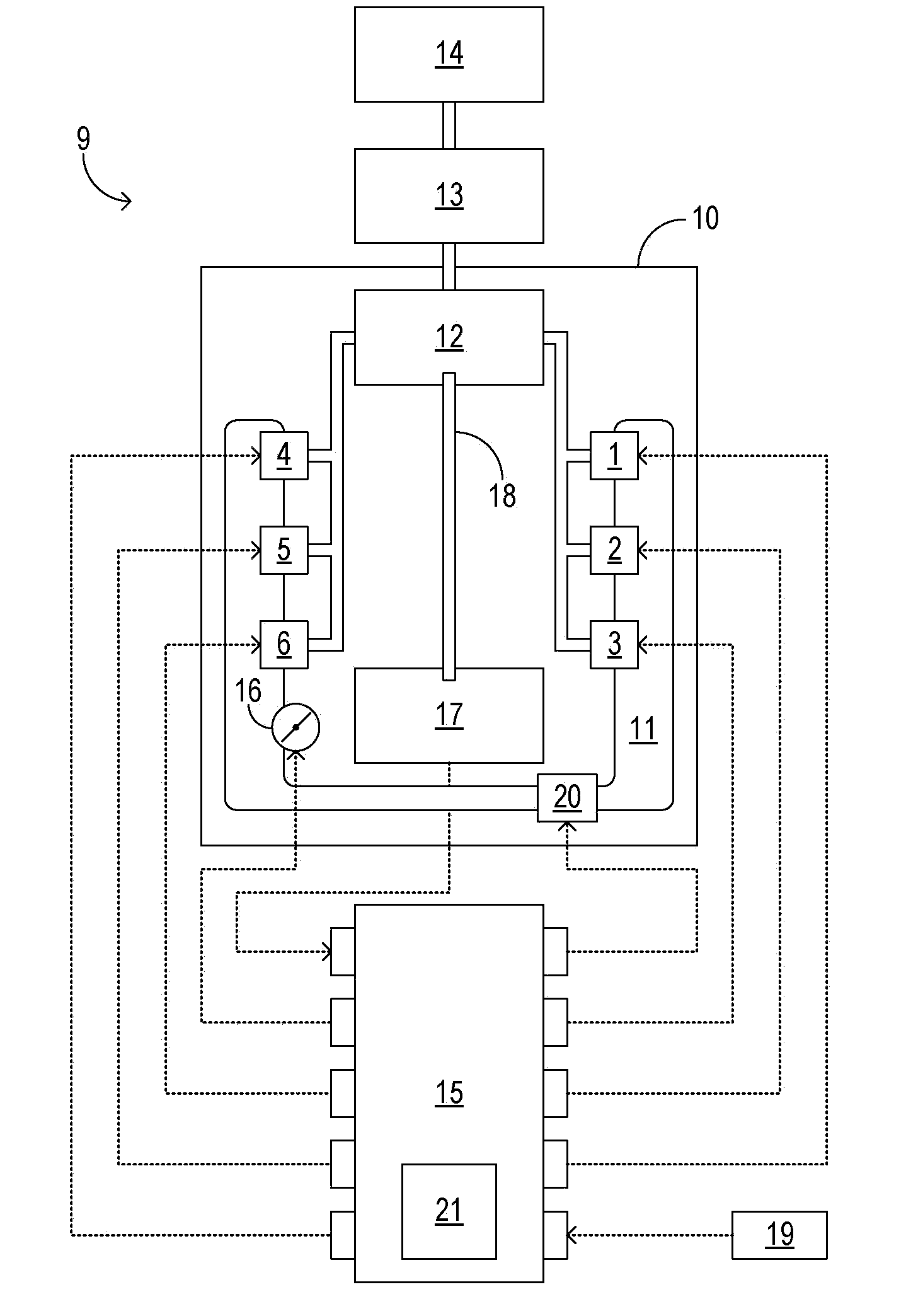
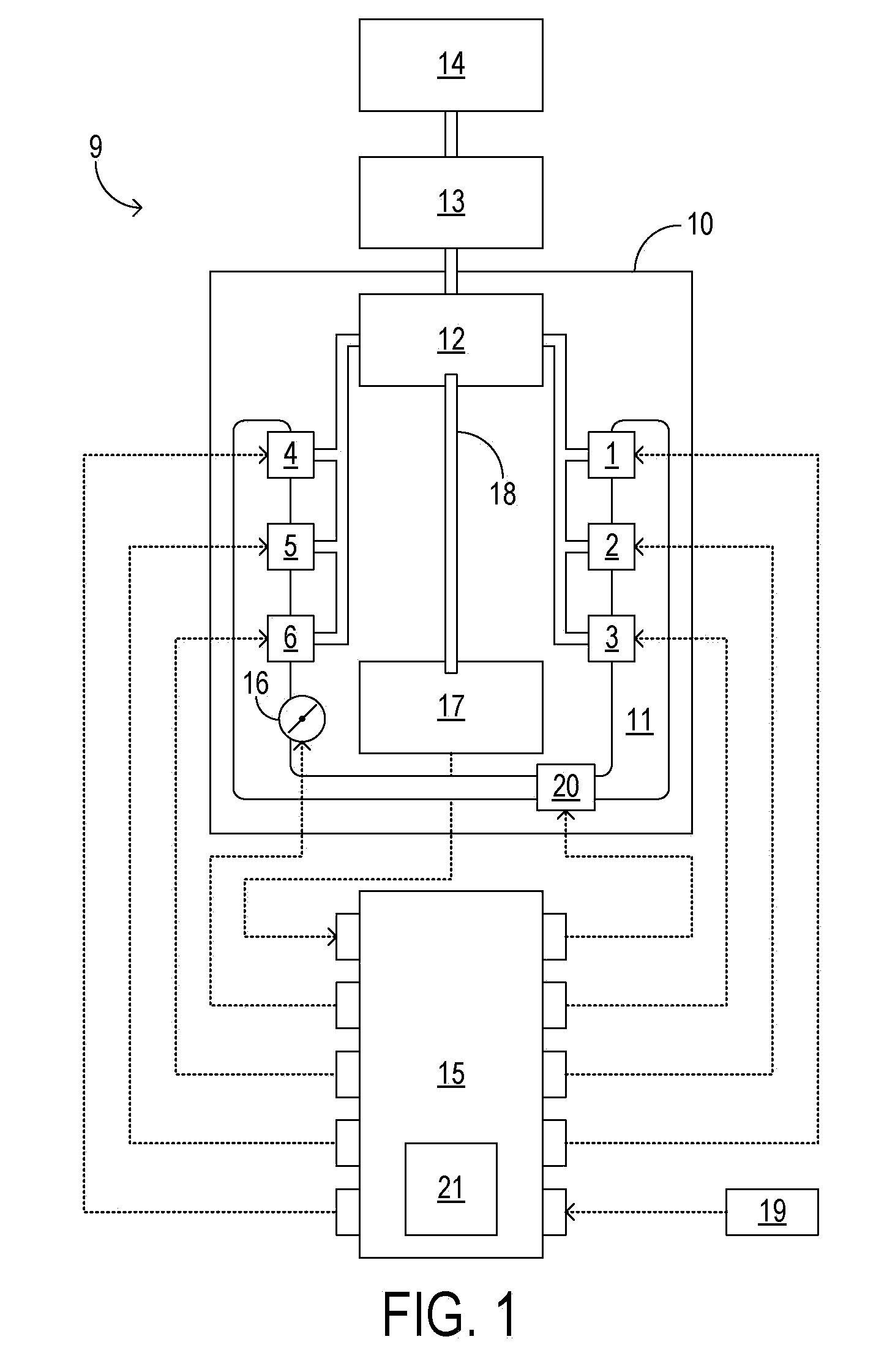
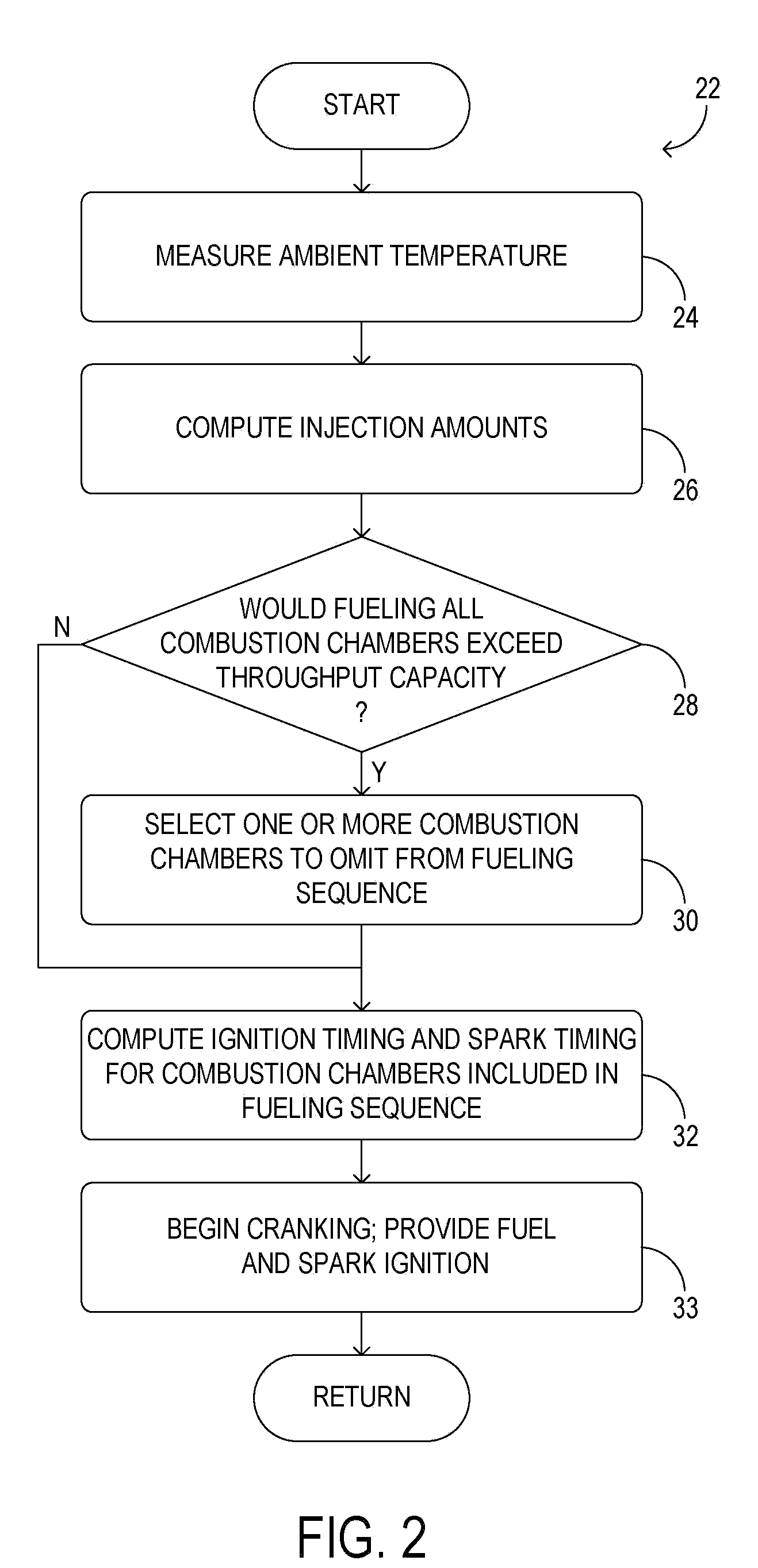
Innovation
- A method that adjusts fuel injection to all or less than all combustion chambers based on temperature conditions, using reduced manifold air pressure to enhance fuel evaporation and reduce the need for overfueling, while omitting prone misfire chambers to prevent engine overload and emissions issues.

Emissions Regulations Impact on GDI Cold Start Development
The evolution of global emissions regulations has significantly shaped the development trajectory of Gasoline Direct Injection (GDI) engine cold start technologies. Since the introduction of Euro 6 standards in Europe and Tier 3 regulations in the United States, automotive manufacturers have faced increasingly stringent requirements for reducing cold start emissions, particularly hydrocarbon (HC) and nitrogen oxide (NOx) emissions that are predominantly generated during the first 90 seconds of engine operation.
These regulatory frameworks have established specific limits for particulate matter (PM) and particulate number (PN) emissions, which are especially challenging to control during cold starts in GDI engines. The California Air Resources Board (CARB) and the Environmental Protection Agency (EPA) have progressively lowered the permissible emission thresholds, with the latest standards requiring a reduction of up to 80% in cold start emissions compared to previous generations.
The regulatory landscape has created a technological imperative for optimizing spark efficiency during cold starts. China's implementation of China 6 standards, which closely align with Euro 6 but include additional requirements for evaporative emissions and OBD systems, has further accelerated the need for advanced cold start technologies. Japanese and Korean regulations have similarly tightened, creating a globally consistent pressure for technological advancement in this area.
Regulatory timelines have become more compressed, with phase-in periods shortening from 5-7 years historically to 3-4 years in recent iterations. This acceleration has intensified research and development efforts focused specifically on cold start optimization, as this operational phase accounts for approximately 60-80% of total trip emissions in standardized test cycles.
The introduction of Real Driving Emissions (RDE) testing in Europe has further complicated compliance strategies, as manufacturers must now ensure effective cold start performance across a wider range of ambient conditions and driving scenarios than previously required under laboratory testing protocols.
Financial implications of these regulations are substantial, with non-compliance penalties reaching up to $37,500 per vehicle in the US market. This economic pressure has redirected significant R&D resources toward spark efficiency optimization technologies specifically designed to address cold start challenges in GDI engines.
Looking forward, proposed future regulations including Euro 7 and potential updates to US standards suggest even more stringent cold start requirements, potentially including extended durability requirements and expanded temperature operation ranges. These evolving regulatory frameworks will continue to drive innovation in GDI cold start technologies, with particular emphasis on spark efficiency as a critical control parameter for emissions reduction.
These regulatory frameworks have established specific limits for particulate matter (PM) and particulate number (PN) emissions, which are especially challenging to control during cold starts in GDI engines. The California Air Resources Board (CARB) and the Environmental Protection Agency (EPA) have progressively lowered the permissible emission thresholds, with the latest standards requiring a reduction of up to 80% in cold start emissions compared to previous generations.
The regulatory landscape has created a technological imperative for optimizing spark efficiency during cold starts. China's implementation of China 6 standards, which closely align with Euro 6 but include additional requirements for evaporative emissions and OBD systems, has further accelerated the need for advanced cold start technologies. Japanese and Korean regulations have similarly tightened, creating a globally consistent pressure for technological advancement in this area.
Regulatory timelines have become more compressed, with phase-in periods shortening from 5-7 years historically to 3-4 years in recent iterations. This acceleration has intensified research and development efforts focused specifically on cold start optimization, as this operational phase accounts for approximately 60-80% of total trip emissions in standardized test cycles.
The introduction of Real Driving Emissions (RDE) testing in Europe has further complicated compliance strategies, as manufacturers must now ensure effective cold start performance across a wider range of ambient conditions and driving scenarios than previously required under laboratory testing protocols.
Financial implications of these regulations are substantial, with non-compliance penalties reaching up to $37,500 per vehicle in the US market. This economic pressure has redirected significant R&D resources toward spark efficiency optimization technologies specifically designed to address cold start challenges in GDI engines.
Looking forward, proposed future regulations including Euro 7 and potential updates to US standards suggest even more stringent cold start requirements, potentially including extended durability requirements and expanded temperature operation ranges. These evolving regulatory frameworks will continue to drive innovation in GDI cold start technologies, with particular emphasis on spark efficiency as a critical control parameter for emissions reduction.
Fuel Composition Effects on Cold Start Performance
Fuel composition plays a critical role in determining the cold start performance of Gasoline Direct Injection (GDI) engines. The volatility characteristics of fuel significantly impact the engine's ability to form a combustible mixture during cold start conditions. Higher volatility fuels with increased proportions of light-end hydrocarbons generally facilitate easier vaporization at low temperatures, improving cold start performance by enabling more efficient spark ignition.
Ethanol content in gasoline blends presents particular challenges for cold starts. While ethanol offers environmental benefits and octane enhancement, its higher latent heat of vaporization requires more energy for evaporation, potentially exacerbating cold start difficulties. Research indicates that E10 (10% ethanol) fuels demonstrate approximately 12-15% reduced vapor pressure compared to pure gasoline at temperatures below 0°C, directly affecting spark efficiency during cold starts.
Sulfur content in fuel also influences cold start performance by affecting catalyst efficiency. Higher sulfur levels can temporarily poison catalytic converters, particularly during cold starts when the catalyst has not reached operating temperature. This results in increased emissions and potentially unstable combustion during the critical warm-up phase, indirectly impacting spark efficiency by requiring richer air-fuel ratios to maintain combustion stability.
Aromatic compound concentration affects cold start performance through its impact on fuel atomization quality. Fuels with higher aromatic content typically exhibit reduced atomization characteristics at low temperatures, creating larger droplets that are more difficult to vaporize. Studies show that reducing aromatic content by 10% can improve cold start spark efficiency by approximately 7-9% at temperatures below -10°C.
Seasonal fuel formulations represent an important consideration for optimizing cold start performance. Winter-blend fuels typically contain more butane and other light hydrocarbons to increase Reid Vapor Pressure (RVP), facilitating easier vaporization in cold conditions. These seasonal adjustments can improve cold start spark efficiency by up to 20% compared to summer blends when operating at temperatures below freezing.
Oxygenate additives beyond ethanol, such as MTBE, ETBE, and TAME, demonstrate varying effects on cold start performance. While these compounds generally improve combustion efficiency through their oxygen content, their specific molecular structures and physical properties create distinct cold start behaviors. For instance, ETBE exhibits approximately 5-8% better cold start performance than equivalent ethanol blends at temperatures below -15°C due to its lower heat of vaporization.
Ethanol content in gasoline blends presents particular challenges for cold starts. While ethanol offers environmental benefits and octane enhancement, its higher latent heat of vaporization requires more energy for evaporation, potentially exacerbating cold start difficulties. Research indicates that E10 (10% ethanol) fuels demonstrate approximately 12-15% reduced vapor pressure compared to pure gasoline at temperatures below 0°C, directly affecting spark efficiency during cold starts.
Sulfur content in fuel also influences cold start performance by affecting catalyst efficiency. Higher sulfur levels can temporarily poison catalytic converters, particularly during cold starts when the catalyst has not reached operating temperature. This results in increased emissions and potentially unstable combustion during the critical warm-up phase, indirectly impacting spark efficiency by requiring richer air-fuel ratios to maintain combustion stability.
Aromatic compound concentration affects cold start performance through its impact on fuel atomization quality. Fuels with higher aromatic content typically exhibit reduced atomization characteristics at low temperatures, creating larger droplets that are more difficult to vaporize. Studies show that reducing aromatic content by 10% can improve cold start spark efficiency by approximately 7-9% at temperatures below -10°C.
Seasonal fuel formulations represent an important consideration for optimizing cold start performance. Winter-blend fuels typically contain more butane and other light hydrocarbons to increase Reid Vapor Pressure (RVP), facilitating easier vaporization in cold conditions. These seasonal adjustments can improve cold start spark efficiency by up to 20% compared to summer blends when operating at temperatures below freezing.
Oxygenate additives beyond ethanol, such as MTBE, ETBE, and TAME, demonstrate varying effects on cold start performance. While these compounds generally improve combustion efficiency through their oxygen content, their specific molecular structures and physical properties create distinct cold start behaviors. For instance, ETBE exhibits approximately 5-8% better cold start performance than equivalent ethanol blends at temperatures below -15°C due to its lower heat of vaporization.
Unlock deeper insights with PatSnap Eureka Quick Research — get a full tech report to explore trends and direct your research. Try now!
Generate Your Research Report Instantly with AI Agent
Supercharge your innovation with PatSnap Eureka AI Agent Platform!