

Mini LED Plus sRGB: Color Calibration Techniques
SEP 15, 20259 MIN READ
Generate Your Research Report Instantly with AI Agent
PatSnap Eureka helps you evaluate technical feasibility & market potential.
Mini LED Plus sRGB Background and Objectives
Mini LED technology represents a significant advancement in display technology, bridging the gap between traditional LED backlighting and the more advanced micro LED displays. Emerging in the mid-2010s, Mini LED has evolved rapidly as manufacturers sought solutions to enhance contrast ratios and color accuracy while maintaining cost-effectiveness in LCD panels. The integration of Mini LED with sRGB color space calibration techniques marks a pivotal development in display technology, aiming to deliver superior visual experiences across consumer electronics, professional monitors, and television displays.
The evolution of Mini LED technology has been driven by the increasing demand for higher display quality in various applications. Initially focused on premium television sets, the technology has gradually expanded into professional monitors, laptops, and tablets. This expansion reflects the growing recognition of Mini LED's potential to address limitations in traditional LCD displays, particularly in terms of local dimming capabilities and color reproduction accuracy.
The primary objective of Mini LED Plus sRGB technology is to achieve precise color calibration that meets or exceeds the sRGB color space standard while leveraging the enhanced contrast capabilities of Mini LED backlighting. This combination aims to deliver more accurate color reproduction, deeper blacks, and improved overall image quality compared to conventional LED-backlit displays. The technology seeks to maintain color accuracy across different brightness levels, a challenge that has historically plagued LCD displays.
Market trends indicate a growing preference for displays that can accurately reproduce content across various color spaces, with sRGB remaining the fundamental standard for web content and general computing applications. Mini LED Plus sRGB technology addresses this need by focusing on calibration techniques that ensure consistent color reproduction while maximizing the benefits of Mini LED's local dimming capabilities.
Technical objectives for Mini LED Plus sRGB include developing efficient calibration algorithms that can compensate for the inherent variations in Mini LED backlighting, reducing color shift at different viewing angles, and minimizing the halo effect that can occur around bright objects on dark backgrounds. Additionally, the technology aims to achieve these improvements while maintaining reasonable manufacturing costs and energy efficiency.
The convergence of Mini LED hardware advancements with sophisticated color calibration software represents a holistic approach to display technology improvement. This integration reflects the understanding that superior display performance requires both advanced physical components and intelligent calibration systems working in concert to deliver optimal visual experiences.
The evolution of Mini LED technology has been driven by the increasing demand for higher display quality in various applications. Initially focused on premium television sets, the technology has gradually expanded into professional monitors, laptops, and tablets. This expansion reflects the growing recognition of Mini LED's potential to address limitations in traditional LCD displays, particularly in terms of local dimming capabilities and color reproduction accuracy.
The primary objective of Mini LED Plus sRGB technology is to achieve precise color calibration that meets or exceeds the sRGB color space standard while leveraging the enhanced contrast capabilities of Mini LED backlighting. This combination aims to deliver more accurate color reproduction, deeper blacks, and improved overall image quality compared to conventional LED-backlit displays. The technology seeks to maintain color accuracy across different brightness levels, a challenge that has historically plagued LCD displays.
Market trends indicate a growing preference for displays that can accurately reproduce content across various color spaces, with sRGB remaining the fundamental standard for web content and general computing applications. Mini LED Plus sRGB technology addresses this need by focusing on calibration techniques that ensure consistent color reproduction while maximizing the benefits of Mini LED's local dimming capabilities.
Technical objectives for Mini LED Plus sRGB include developing efficient calibration algorithms that can compensate for the inherent variations in Mini LED backlighting, reducing color shift at different viewing angles, and minimizing the halo effect that can occur around bright objects on dark backgrounds. Additionally, the technology aims to achieve these improvements while maintaining reasonable manufacturing costs and energy efficiency.
The convergence of Mini LED hardware advancements with sophisticated color calibration software represents a holistic approach to display technology improvement. This integration reflects the understanding that superior display performance requires both advanced physical components and intelligent calibration systems working in concert to deliver optimal visual experiences.
Market Analysis for Color-Accurate Display Solutions
The color-accurate display market is experiencing robust growth driven by increasing demand across multiple sectors. Professional content creators, including graphic designers, video editors, and photographers, require displays with precise color reproduction to ensure their work meets industry standards. This segment values color fidelity above all else, with professionals willing to invest significantly in solutions that deliver consistent and accurate color representation.
The healthcare sector represents another critical market, where diagnostic imaging demands exceptionally accurate color reproduction. Radiologists and medical professionals rely on precise color calibration to make accurate diagnoses, creating a specialized niche for high-end calibrated displays. This segment is characterized by stringent regulatory requirements and high barriers to entry.
Entertainment and media production companies form a substantial market segment, requiring color-accurate displays throughout their production pipelines. The rise of HDR content has further intensified the need for displays capable of reproducing wider color gamuts with precision, particularly as streaming platforms compete on visual quality.
Consumer markets are increasingly recognizing the value of color accuracy, especially in premium laptops, monitors, and mobile devices. This trend is evidenced by Apple's Pro Display XDR and Samsung's professional monitor lines, which emphasize color accuracy as a key selling point. Market research indicates that consumers are becoming more discerning about display quality, with color accuracy emerging as a differentiator in purchasing decisions.
The gaming sector presents a growing opportunity, with competitive gamers and enthusiasts seeking displays that combine high refresh rates with accurate color reproduction. This segment values both performance and visual fidelity, creating demand for solutions that don't compromise on either aspect.
Geographically, North America and Europe lead in adoption of color-accurate display solutions, primarily due to their established creative industries. However, the Asia-Pacific region is showing the fastest growth rate, driven by expanding entertainment production in countries like South Korea, Japan, and China.
Market forecasts suggest the global color-accurate display market will continue its upward trajectory, with particular growth in Mini LED technology due to its ability to deliver improved local dimming and color accuracy compared to traditional LCD displays. The integration of advanced color calibration techniques with Mini LED technology represents a significant market opportunity, as it addresses the growing demand for displays that can accurately reproduce the sRGB color space while offering the enhanced contrast and brightness characteristics of Mini LED backlighting.
The healthcare sector represents another critical market, where diagnostic imaging demands exceptionally accurate color reproduction. Radiologists and medical professionals rely on precise color calibration to make accurate diagnoses, creating a specialized niche for high-end calibrated displays. This segment is characterized by stringent regulatory requirements and high barriers to entry.
Entertainment and media production companies form a substantial market segment, requiring color-accurate displays throughout their production pipelines. The rise of HDR content has further intensified the need for displays capable of reproducing wider color gamuts with precision, particularly as streaming platforms compete on visual quality.
Consumer markets are increasingly recognizing the value of color accuracy, especially in premium laptops, monitors, and mobile devices. This trend is evidenced by Apple's Pro Display XDR and Samsung's professional monitor lines, which emphasize color accuracy as a key selling point. Market research indicates that consumers are becoming more discerning about display quality, with color accuracy emerging as a differentiator in purchasing decisions.
The gaming sector presents a growing opportunity, with competitive gamers and enthusiasts seeking displays that combine high refresh rates with accurate color reproduction. This segment values both performance and visual fidelity, creating demand for solutions that don't compromise on either aspect.
Geographically, North America and Europe lead in adoption of color-accurate display solutions, primarily due to their established creative industries. However, the Asia-Pacific region is showing the fastest growth rate, driven by expanding entertainment production in countries like South Korea, Japan, and China.
Market forecasts suggest the global color-accurate display market will continue its upward trajectory, with particular growth in Mini LED technology due to its ability to deliver improved local dimming and color accuracy compared to traditional LCD displays. The integration of advanced color calibration techniques with Mini LED technology represents a significant market opportunity, as it addresses the growing demand for displays that can accurately reproduce the sRGB color space while offering the enhanced contrast and brightness characteristics of Mini LED backlighting.
Current Challenges in Mini LED Color Calibration
Despite significant advancements in Mini LED technology, color calibration remains one of the most challenging aspects in achieving accurate sRGB color reproduction. The primary challenge stems from the inherent variability in LED manufacturing processes, resulting in inconsistent color temperature and brightness across individual LEDs within the same panel. This non-uniformity creates visible "hot spots" and color inconsistencies that compromise display quality and accuracy.
Temperature dependency presents another significant obstacle, as Mini LEDs exhibit color shift behavior when operating at different temperatures. During extended operation, as the display heats up, color reproduction can drift significantly from initial calibration values, making consistent color accuracy difficult to maintain throughout usage sessions.
The complex interaction between local dimming zones and color reproduction further complicates calibration efforts. When adjacent zones operate at dramatically different brightness levels, light leakage between zones can cause color contamination and reduce the effectiveness of zone-specific calibration. This phenomenon is particularly problematic in high contrast scenes where bright and dark content appear simultaneously.
Current calibration methodologies also struggle with the "halo effect" around bright objects displayed against dark backgrounds. This artifact, resulting from the limited number of dimming zones relative to pixel count, creates color accuracy challenges at these critical brightness transition boundaries where precise color reproduction is most noticeable to viewers.
The industry faces additional challenges with calibration speed and efficiency in production environments. Traditional pixel-by-pixel calibration methods are time-consuming and cost-prohibitive for mass production, while faster zone-based approaches sacrifice accuracy. Finding the optimal balance between calibration precision and manufacturing throughput remains an unresolved challenge.
Gamma curve consistency across the brightness range represents another significant hurdle. Mini LED displays often exhibit non-linear color behavior at very low and very high brightness levels, making it difficult to maintain accurate sRGB color space reproduction across the entire dynamic range. This is particularly problematic for professional applications requiring color-critical work.
Finally, the integration of Mini LED technology with quantum dot color enhancement layers introduces additional calibration variables. While quantum dots improve color gamut, they add another layer of complexity to the calibration process, as their performance characteristics can vary based on manufacturing tolerances and operating conditions, requiring more sophisticated calibration algorithms and procedures.
Temperature dependency presents another significant obstacle, as Mini LEDs exhibit color shift behavior when operating at different temperatures. During extended operation, as the display heats up, color reproduction can drift significantly from initial calibration values, making consistent color accuracy difficult to maintain throughout usage sessions.
The complex interaction between local dimming zones and color reproduction further complicates calibration efforts. When adjacent zones operate at dramatically different brightness levels, light leakage between zones can cause color contamination and reduce the effectiveness of zone-specific calibration. This phenomenon is particularly problematic in high contrast scenes where bright and dark content appear simultaneously.
Current calibration methodologies also struggle with the "halo effect" around bright objects displayed against dark backgrounds. This artifact, resulting from the limited number of dimming zones relative to pixel count, creates color accuracy challenges at these critical brightness transition boundaries where precise color reproduction is most noticeable to viewers.
The industry faces additional challenges with calibration speed and efficiency in production environments. Traditional pixel-by-pixel calibration methods are time-consuming and cost-prohibitive for mass production, while faster zone-based approaches sacrifice accuracy. Finding the optimal balance between calibration precision and manufacturing throughput remains an unresolved challenge.
Gamma curve consistency across the brightness range represents another significant hurdle. Mini LED displays often exhibit non-linear color behavior at very low and very high brightness levels, making it difficult to maintain accurate sRGB color space reproduction across the entire dynamic range. This is particularly problematic for professional applications requiring color-critical work.
Finally, the integration of Mini LED technology with quantum dot color enhancement layers introduces additional calibration variables. While quantum dots improve color gamut, they add another layer of complexity to the calibration process, as their performance characteristics can vary based on manufacturing tolerances and operating conditions, requiring more sophisticated calibration algorithms and procedures.
Current Color Calibration Methodologies for Mini LED
01 Mini LED backlight calibration techniques
Calibration techniques specifically designed for Mini LED backlight displays to achieve accurate sRGB color reproduction. These methods involve adjusting individual LED brightness levels, compensating for variations in LED performance, and optimizing the backlight control algorithms to ensure uniform illumination across the display panel, resulting in more precise color representation within the sRGB color space.- Mini LED backlight technology for improved color calibration: Mini LED backlight technology enables more precise local dimming zones, which significantly improves contrast ratios and color accuracy for sRGB calibration. The smaller size of Mini LEDs allows for more granular control over backlight distribution, resulting in better color reproduction and more accurate sRGB color space representation. This technology reduces light bleeding and enhances color fidelity across the display.
- Color calibration algorithms for sRGB accuracy in Mini LED displays: Advanced color calibration algorithms specifically designed for Mini LED displays ensure accurate sRGB color space reproduction. These algorithms compensate for inherent variations in LED brightness and color temperature, applying precise gamma corrections and color mapping techniques. The calibration process typically involves measuring display output with specialized equipment and creating correction profiles that adjust RGB values to match sRGB standard specifications.
- Hardware-based calibration systems for Mini LED displays: Specialized hardware systems have been developed for calibrating Mini LED displays to the sRGB color space. These systems include color sensors, spectrophotometers, and integrated circuits designed to measure and adjust display output in real-time. The hardware components work in conjunction with firmware to continuously monitor and correct color deviations, ensuring consistent sRGB color reproduction across the entire display panel even as components age.
- Zone-based calibration techniques for Mini LED displays: Zone-based calibration techniques divide the Mini LED display into multiple regions that can be individually calibrated for optimal sRGB color accuracy. This approach addresses the challenge of maintaining uniform color reproduction across large display areas by compensating for variations in LED performance in different zones. The calibration process measures and adjusts each zone separately, creating a composite calibration profile that ensures consistent color reproduction across the entire display surface.
- User-adjustable calibration interfaces for Mini LED displays: User-friendly calibration interfaces allow for personalized adjustment of Mini LED displays to match sRGB color standards. These interfaces provide controls for adjusting white point, gamma, and color balance, often with visual feedback to guide users through the calibration process. Some systems include preset calibration profiles optimized for different use cases such as content creation, photography, or general use, while still maintaining adherence to the sRGB color space standard.
02 Color gamut mapping for sRGB standards
Methods for mapping the wide color gamut capabilities of Mini LED displays to the standard sRGB color space. These techniques involve color transformation algorithms, gamut compression methods, and calibration processes that ensure accurate representation of sRGB content on displays with broader native color capabilities, maintaining color fidelity while taking advantage of the Mini LED technology's contrast benefits.Expand Specific Solutions03 Hardware-based color calibration systems
Specialized hardware systems designed for calibrating Mini LED displays to sRGB standards. These systems include color sensors, measurement devices, and dedicated calibration hardware that work together with software algorithms to analyze display output and make precise adjustments to color parameters, ensuring accurate sRGB reproduction across different viewing conditions and display units.Expand Specific Solutions04 Local dimming optimization for color accuracy
Techniques that optimize the local dimming capabilities of Mini LED displays to enhance color accuracy in the sRGB color space. These methods involve zone-based brightness control, halo effect reduction, and contrast enhancement algorithms that leverage the high density of Mini LEDs to improve color reproduction while maintaining energy efficiency and extending the display's dynamic range.Expand Specific Solutions05 Software-based color calibration solutions
Software solutions for calibrating Mini LED displays to the sRGB color space. These include calibration applications, firmware updates, and driver-level adjustments that modify color lookup tables, gamma curves, and white point settings. The software approaches enable user-friendly calibration processes that can be performed without specialized equipment while still achieving professional-level color accuracy for content creation and consumption.Expand Specific Solutions
Leading Manufacturers in Mini LED Display Industry
The Mini LED Plus sRGB color calibration technology market is currently in a growth phase, with an estimated global market size of $3-5 billion and projected annual growth of 15-20%. The competitive landscape features established display manufacturers like Samsung Electronics, BOE Technology, and LG Electronics leading innovation, while specialized players such as Novatek Microelectronics and Realtek Semiconductor focus on driver IC solutions. Technology maturity varies across applications, with consumer electronics implementations more advanced than professional solutions. Companies including EIZO, BenQ, and Colorlight Cloud are developing advanced calibration algorithms, while major players like Google and Canon are integrating these technologies into their ecosystem products, indicating industry-wide recognition of color accuracy importance in next-generation displays.
BOE Technology Group Co., Ltd.
Technical Solution: BOE Technology has developed an innovative Mini LED Plus sRGB color calibration system that leverages their vertical integration in display manufacturing. Their approach begins with precise characterization of Mini LED components at the production stage, creating detailed spectral profiles for each LED batch that feed into their calibration algorithms. BOE implements a multi-stage calibration process that addresses both panel-level and zone-level color variations through a combination of hardware and software corrections[1]. Their "Advanced Color Enhancement" technology utilizes a proprietary algorithm that dynamically adjusts the pulse width modulation of individual Mini LED zones to maintain consistent color reproduction across varying brightness levels. BOE's calibration system incorporates a 12-bit internal processing pipeline that enables smooth gradient handling while preserving compatibility with standard 8-bit and 10-bit interfaces. For professional applications, BOE offers their "TruColor Pro" calibration system that interfaces with external colorimeters to perform precise hardware-level adjustments stored directly in the display's firmware[3]. Their latest panels feature an integrated color sensor array that continuously monitors output and applies real-time corrections to compensate for temperature-related drift and aging effects. BOE has also developed specialized calibration profiles for different viewing environments, allowing users to optimize color accuracy for specific lighting conditions.
Strengths: BOE's solution delivers very good color accuracy with factory calibration achieving ΔE values typically below 2.5 across the sRGB spectrum. Their vertical integration allows for tighter quality control throughout the manufacturing process. The technology is available at competitive price points compared to some premium alternatives. Weaknesses: Color uniformity across the panel surface can be less consistent than some premium competitors. The calibration software has limited third-party support compared to more established systems. Some models show more pronounced color shifting at extreme viewing angles.
LG Electronics, Inc.
Technical Solution: LG Electronics has pioneered a comprehensive Mini LED Plus sRGB color calibration system that combines hardware precision with sophisticated software algorithms. Their approach begins with individual LED characterization during manufacturing, where each Mini LED undergoes spectral analysis to document its unique color output characteristics[2]. LG implements a dual-layer calibration architecture: a hardware layer that handles basic color correction through custom-designed ASICs, and a software layer that performs advanced color mapping using machine learning algorithms trained on thousands of display samples. Their NanoCell Mini LED displays utilize a proprietary "Color Fidelity Pro" processor that continuously monitors and adjusts color output based on ambient lighting conditions and panel temperature variations. LG's calibration technique incorporates a 3D color volume mapping that addresses not just primary and secondary colors but also complex color transitions across the entire sRGB gamut. The system employs a closed-loop feedback mechanism where internal color sensors periodically check calibration accuracy and trigger micro-adjustments when drift is detected[4]. For professional applications, LG offers hardware-level calibration that can store multiple color profiles directly in the display's firmware.
Strengths: LG's solution provides exceptional color consistency across the entire panel with minimal deviation between units. Their adaptive calibration system compensates for environmental factors and aging, maintaining accuracy over the product lifespan. The multi-profile support is particularly valuable for professional environments. Weaknesses: The system requires significant processing power, potentially increasing power consumption. The advanced calibration features are primarily available on higher-end models, limiting accessibility. Some users report that the auto-adjustment features can sometimes be too aggressive in changing color settings.
Key Patents and Innovations in sRGB Color Calibration
Display calibrating method
PatentActiveCN104361879A
Innovation
- A measurement device containing a light sensor is used to collect display characteristic parameters, and a signal processing device embedded with a correction algorithm is used to perform real-time correction processing, and the calibrated driving signal is calculated and output to achieve the display of the target color. The method includes measuring the CIE chromaticity coordinates of the primary color, the tristimulus values of the highest brightness white and the lowest brightness black, as well as the photoelectric tuning curve of each primary color, and calculating the linear brightness value and driving signal for driving the display.
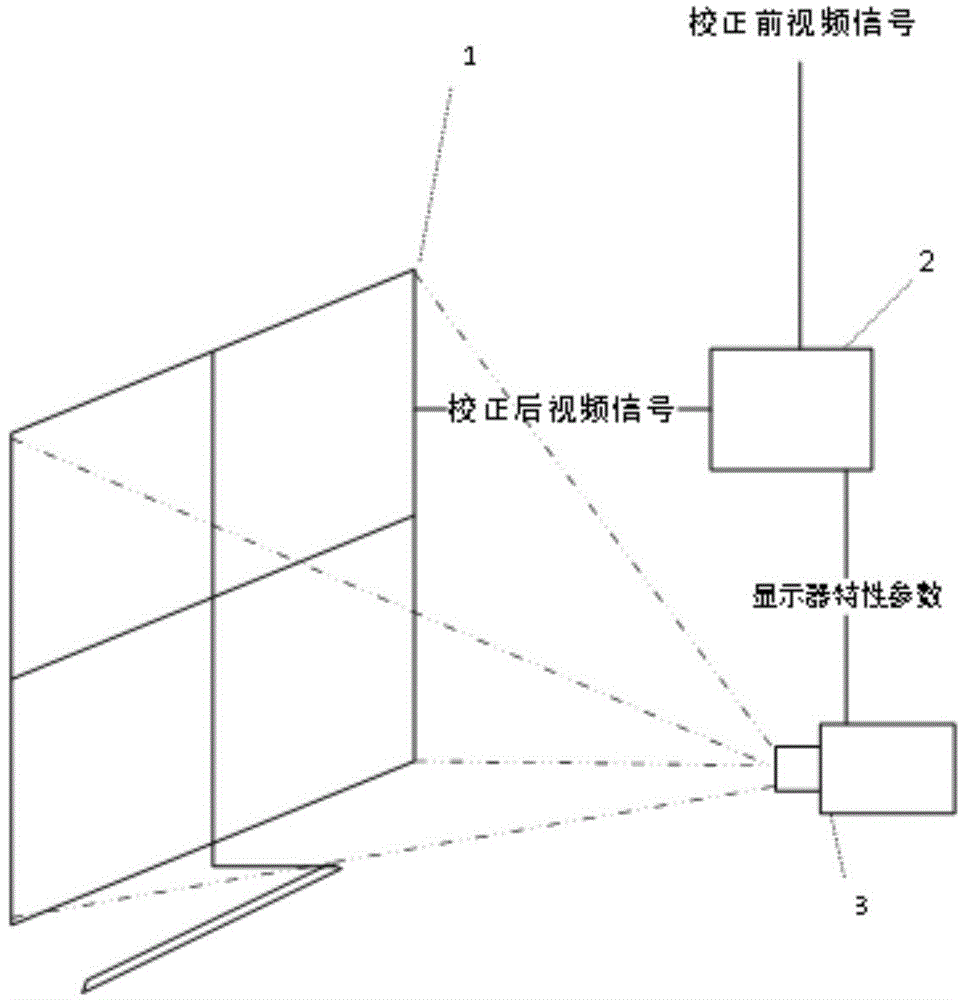
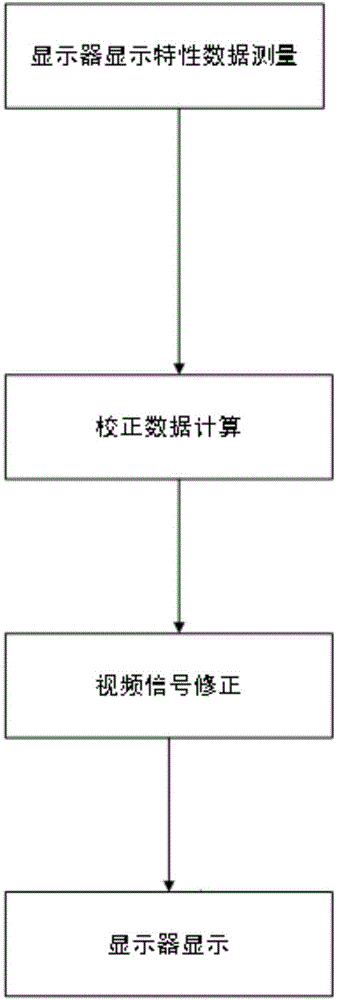
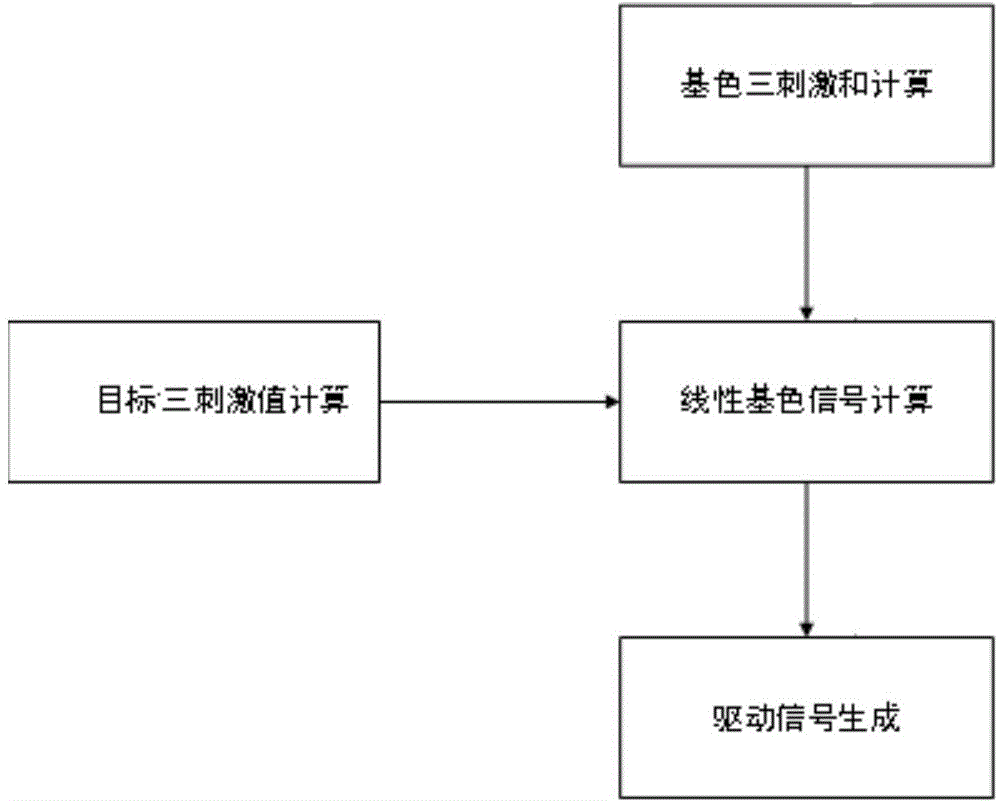

Picture display method and device
PatentPendingCN120048212A
Innovation
- These initial electrical parameters are obtained by obtaining the initial electrical parameters of the first screen (red, green, blue) and the second screen (white) under the same gray scale, and iteratively optimized. During the optimization process, based on the difference between the actual display brightness and color temperature and the target value, the initial electrical parameters are corrected until the brightness and color temperature requirements of each picture are met.


Industry Standards and Compliance Requirements
The Mini LED display industry operates within a complex framework of international standards and compliance requirements that govern color calibration and reproduction. The International Electrotechnical Commission (IEC) has established the IEC 61966 series, which specifically addresses color management and measurement systems. For Mini LED Plus sRGB calibration, adherence to IEC 61966-2-1:1999 is critical as it defines the standard RGB color space parameters that serve as the foundation for accurate color reproduction across devices.
The International Commission on Illumination (CIE) standards, particularly CIE 1931 and CIE 1976, provide the colorimetric frameworks essential for Mini LED calibration. These standards define the mathematical models for converting between different color spaces and establish the measurement methodologies for quantifying color accuracy. Display manufacturers must demonstrate compliance with these standards through rigorous testing and documentation.
VESA (Video Electronics Standards Association) has introduced the DisplayHDR certification program, which includes specific requirements for color gamut coverage. For Mini LED displays targeting professional applications, the DisplayHDR True Black certification has become increasingly relevant, with stringent requirements for color accuracy and consistency across the display surface.
The sRGB color space itself is defined by IEC 61966-2-1 and requires displays to accurately reproduce a specific set of color coordinates. Mini LED manufacturers must ensure their calibration techniques achieve at least 95% sRGB coverage to meet basic professional standards, with high-end models expected to reach 99% or higher. Delta-E values, which measure the difference between intended and displayed colors, must typically remain below 2.0 across the entire gamut to meet professional standards.
ISO standards also play a crucial role, particularly ISO 3664:2009, which specifies viewing conditions for graphic technology and photography. This standard influences how Mini LED displays must be calibrated to ensure consistent color reproduction under standardized lighting conditions. Additionally, ISO 12646:2015 provides specific requirements for displays used in graphic technology workflows.
Regulatory bodies in different regions impose additional requirements. The European Union's Energy-related Products Directive (ErP) includes specifications for display energy efficiency that can impact calibration approaches. Similarly, the US Environmental Protection Agency's ENERGY STAR program includes color accuracy requirements that must be balanced with power consumption constraints during the calibration process.
For Mini LED displays targeting specific industries, additional standards apply. Medical displays must comply with DICOM Part 14 for consistent grayscale and color reproduction, while displays for film and broadcast industries must adhere to standards set by organizations like the Society of Motion Picture and Television Engineers (SMPTE).
The International Commission on Illumination (CIE) standards, particularly CIE 1931 and CIE 1976, provide the colorimetric frameworks essential for Mini LED calibration. These standards define the mathematical models for converting between different color spaces and establish the measurement methodologies for quantifying color accuracy. Display manufacturers must demonstrate compliance with these standards through rigorous testing and documentation.
VESA (Video Electronics Standards Association) has introduced the DisplayHDR certification program, which includes specific requirements for color gamut coverage. For Mini LED displays targeting professional applications, the DisplayHDR True Black certification has become increasingly relevant, with stringent requirements for color accuracy and consistency across the display surface.
The sRGB color space itself is defined by IEC 61966-2-1 and requires displays to accurately reproduce a specific set of color coordinates. Mini LED manufacturers must ensure their calibration techniques achieve at least 95% sRGB coverage to meet basic professional standards, with high-end models expected to reach 99% or higher. Delta-E values, which measure the difference between intended and displayed colors, must typically remain below 2.0 across the entire gamut to meet professional standards.
ISO standards also play a crucial role, particularly ISO 3664:2009, which specifies viewing conditions for graphic technology and photography. This standard influences how Mini LED displays must be calibrated to ensure consistent color reproduction under standardized lighting conditions. Additionally, ISO 12646:2015 provides specific requirements for displays used in graphic technology workflows.
Regulatory bodies in different regions impose additional requirements. The European Union's Energy-related Products Directive (ErP) includes specifications for display energy efficiency that can impact calibration approaches. Similarly, the US Environmental Protection Agency's ENERGY STAR program includes color accuracy requirements that must be balanced with power consumption constraints during the calibration process.
For Mini LED displays targeting specific industries, additional standards apply. Medical displays must comply with DICOM Part 14 for consistent grayscale and color reproduction, while displays for film and broadcast industries must adhere to standards set by organizations like the Society of Motion Picture and Television Engineers (SMPTE).
Energy Efficiency Considerations in Calibration Processes
The energy consumption aspects of Mini LED Plus sRGB color calibration processes represent a critical consideration in modern display technology implementation. As displays continue to advance in resolution and color accuracy capabilities, the energy requirements for calibration procedures have increased proportionally, creating new challenges for manufacturers and end-users alike.
Traditional color calibration methods for Mini LED displays typically involve extensive computational processes that require significant power resources. These processes often necessitate multiple iterations of measurement, adjustment, and verification cycles, each consuming substantial energy. In production environments, where thousands of units undergo calibration daily, the cumulative energy impact becomes considerable, affecting both operational costs and environmental footprint.
Recent advancements in calibration algorithms have begun addressing these concerns through optimization techniques that reduce processing time while maintaining accuracy standards. Adaptive sampling methods, for instance, strategically reduce the number of color points requiring full measurement by intelligently predicting intermediate values, thereby decreasing the overall energy demands of the calibration process by up to 30% in some implementations.
Hardware innovations have similarly contributed to energy efficiency improvements. Low-power measurement sensors and more efficient spectrophotometers have reduced the energy requirements during the data collection phase of calibration. Additionally, specialized calibration hardware accelerators have emerged that can perform complex color transformation calculations with significantly lower power consumption compared to general-purpose computing systems.
The development of batch calibration techniques has further enhanced energy efficiency by enabling simultaneous processing of multiple display units. This approach optimizes resource utilization and reduces the per-unit energy expenditure by sharing computational resources across multiple calibration processes running in parallel.
Temperature management during calibration represents another important energy consideration. Mini LED displays generate heat during operation, and maintaining stable thermal conditions during calibration requires additional energy for cooling systems. Advanced thermal management solutions that incorporate passive cooling techniques have shown promise in reducing this auxiliary energy consumption by up to 25%.
Looking toward future developments, machine learning approaches to color calibration show significant potential for further energy optimization. Neural network models trained on extensive calibration datasets can predict optimal calibration parameters with fewer measurement iterations, substantially reducing the energy footprint of the entire process while maintaining or even improving color accuracy outcomes.
Traditional color calibration methods for Mini LED displays typically involve extensive computational processes that require significant power resources. These processes often necessitate multiple iterations of measurement, adjustment, and verification cycles, each consuming substantial energy. In production environments, where thousands of units undergo calibration daily, the cumulative energy impact becomes considerable, affecting both operational costs and environmental footprint.
Recent advancements in calibration algorithms have begun addressing these concerns through optimization techniques that reduce processing time while maintaining accuracy standards. Adaptive sampling methods, for instance, strategically reduce the number of color points requiring full measurement by intelligently predicting intermediate values, thereby decreasing the overall energy demands of the calibration process by up to 30% in some implementations.
Hardware innovations have similarly contributed to energy efficiency improvements. Low-power measurement sensors and more efficient spectrophotometers have reduced the energy requirements during the data collection phase of calibration. Additionally, specialized calibration hardware accelerators have emerged that can perform complex color transformation calculations with significantly lower power consumption compared to general-purpose computing systems.
The development of batch calibration techniques has further enhanced energy efficiency by enabling simultaneous processing of multiple display units. This approach optimizes resource utilization and reduces the per-unit energy expenditure by sharing computational resources across multiple calibration processes running in parallel.
Temperature management during calibration represents another important energy consideration. Mini LED displays generate heat during operation, and maintaining stable thermal conditions during calibration requires additional energy for cooling systems. Advanced thermal management solutions that incorporate passive cooling techniques have shown promise in reducing this auxiliary energy consumption by up to 25%.
Looking toward future developments, machine learning approaches to color calibration show significant potential for further energy optimization. Neural network models trained on extensive calibration datasets can predict optimal calibration parameters with fewer measurement iterations, substantially reducing the energy footprint of the entire process while maintaining or even improving color accuracy outcomes.
Unlock deeper insights with PatSnap Eureka Quick Research — get a full tech report to explore trends and direct your research. Try now!
Generate Your Research Report Instantly with AI Agent
Supercharge your innovation with PatSnap Eureka AI Agent Platform!