On-chip optical biosensors for real-time measurement of oxygen and lactate gradients in microtissues
SEP 2, 202510 MIN READ
Generate Your Research Report Instantly with AI Agent
Patsnap Eureka helps you evaluate technical feasibility & market potential.
Optical Biosensor Technology Background and Objectives
Optical biosensors have emerged as a transformative technology in the field of biomedical research and clinical diagnostics over the past three decades. Initially developed in the 1980s as simple fiber-optic based systems, these sensors have evolved into sophisticated integrated platforms capable of real-time, label-free detection of biological analytes. The progression from macro-scale systems to miniaturized on-chip configurations represents a significant technological advancement that has opened new possibilities for tissue engineering and personalized medicine.
The development of on-chip optical biosensors for measuring oxygen and lactate gradients in microtissues addresses a critical need in the biomedical field. Oxygen concentration and lactate levels are fundamental parameters that influence cellular metabolism, tissue development, and disease progression. Traditional methods for measuring these parameters often involve invasive sampling or provide only endpoint measurements, limiting our understanding of dynamic biological processes.
Recent technological advances in photonics, microfluidics, and materials science have converged to enable the integration of optical sensing elements directly onto microchips. This integration has been driven by breakthroughs in waveguide fabrication, surface functionalization techniques, and the development of highly sensitive optical detection methods such as surface plasmon resonance (SPR), interferometry, and fluorescence-based approaches.
The current trajectory of optical biosensor technology is moving toward higher levels of integration, improved sensitivity, and expanded multiplexing capabilities. Researchers are increasingly focusing on developing sensors that can simultaneously monitor multiple analytes in complex biological environments with minimal sample preparation. This trend aligns with the growing demand for comprehensive, real-time monitoring of cellular microenvironments in applications ranging from organ-on-chip platforms to point-of-care diagnostics.
The primary objectives of advancing on-chip optical biosensors for oxygen and lactate measurement include: achieving sub-micromolar detection limits to capture physiologically relevant concentration ranges; ensuring biocompatibility for long-term monitoring of living tissues; developing robust calibration methods to account for biological variability; and creating user-friendly interfaces that facilitate adoption by researchers and clinicians without specialized training in optics or microfluidics.
Additionally, there is a strong emphasis on developing sensors that can function reliably in complex biological matrices, overcoming challenges related to non-specific binding, signal drift, and photobleaching. The ultimate goal is to create integrated sensing platforms that provide spatially resolved, continuous measurements of metabolic parameters within three-dimensional tissue constructs, enabling new insights into tissue development, disease modeling, and drug screening applications.
The development of on-chip optical biosensors for measuring oxygen and lactate gradients in microtissues addresses a critical need in the biomedical field. Oxygen concentration and lactate levels are fundamental parameters that influence cellular metabolism, tissue development, and disease progression. Traditional methods for measuring these parameters often involve invasive sampling or provide only endpoint measurements, limiting our understanding of dynamic biological processes.
Recent technological advances in photonics, microfluidics, and materials science have converged to enable the integration of optical sensing elements directly onto microchips. This integration has been driven by breakthroughs in waveguide fabrication, surface functionalization techniques, and the development of highly sensitive optical detection methods such as surface plasmon resonance (SPR), interferometry, and fluorescence-based approaches.
The current trajectory of optical biosensor technology is moving toward higher levels of integration, improved sensitivity, and expanded multiplexing capabilities. Researchers are increasingly focusing on developing sensors that can simultaneously monitor multiple analytes in complex biological environments with minimal sample preparation. This trend aligns with the growing demand for comprehensive, real-time monitoring of cellular microenvironments in applications ranging from organ-on-chip platforms to point-of-care diagnostics.
The primary objectives of advancing on-chip optical biosensors for oxygen and lactate measurement include: achieving sub-micromolar detection limits to capture physiologically relevant concentration ranges; ensuring biocompatibility for long-term monitoring of living tissues; developing robust calibration methods to account for biological variability; and creating user-friendly interfaces that facilitate adoption by researchers and clinicians without specialized training in optics or microfluidics.
Additionally, there is a strong emphasis on developing sensors that can function reliably in complex biological matrices, overcoming challenges related to non-specific binding, signal drift, and photobleaching. The ultimate goal is to create integrated sensing platforms that provide spatially resolved, continuous measurements of metabolic parameters within three-dimensional tissue constructs, enabling new insights into tissue development, disease modeling, and drug screening applications.
Market Demand Analysis for Real-time Microtissue Monitoring
The global market for real-time microtissue monitoring technologies is experiencing significant growth, driven by increasing demand in pharmaceutical research, regenerative medicine, and personalized healthcare. The ability to measure oxygen and lactate gradients in microtissues using on-chip optical biosensors addresses critical needs across multiple sectors, with the pharmaceutical industry leading adoption for drug development and toxicity testing applications.
Current market estimates value the biosensors segment at approximately $25 billion globally, with microfluidic-based biosensing technologies growing at a compound annual growth rate of 11.2% through 2027. Within this broader market, specialized on-chip optical biosensors for tissue monitoring represent an emerging high-growth subsegment, projected to reach $3.7 billion by 2028.
The primary market drivers include rising R&D investments in pharmaceutical development, growing emphasis on reducing animal testing, and increasing adoption of organ-on-chip and tissue-on-chip technologies. The COVID-19 pandemic has further accelerated demand for advanced in vitro testing platforms that can provide real-time physiological data, reducing reliance on traditional testing methods.
Healthcare providers and research institutions constitute another significant market segment, utilizing these technologies for personalized medicine applications and fundamental biological research. The ability to monitor metabolic parameters in real-time enables more accurate disease modeling and treatment response prediction.
Regional analysis reveals North America currently dominates the market with approximately 42% share, followed by Europe at 31% and Asia-Pacific at 22%. However, the Asia-Pacific region is expected to witness the fastest growth rate of 13.8% annually, driven by increasing biotechnology investments in China, Japan, and South Korea.
Market challenges include high initial equipment costs, technical complexity requiring specialized expertise, and regulatory hurdles for clinical applications. The average cost of implementing advanced microtissue monitoring systems ranges from $150,000 to $500,000, limiting adoption among smaller research organizations and academic institutions.
Consumer demand analysis indicates growing interest in non-invasive, continuous monitoring capabilities that can integrate with existing laboratory workflows. End-users particularly value systems offering multiplexed sensing capabilities, measuring multiple analytes simultaneously while maintaining high spatial resolution.
The market shows strong preference for solutions offering user-friendly interfaces, automated data analysis, and compatibility with standard laboratory equipment. Survey data indicates 78% of potential users prioritize systems that can be integrated with existing microscopy setups and laboratory information management systems.
Future market growth will likely be driven by technological advancements reducing costs and complexity, expanded applications in emerging fields such as immunotherapy development, and increasing regulatory acceptance of in vitro testing data for drug approval processes.
Current market estimates value the biosensors segment at approximately $25 billion globally, with microfluidic-based biosensing technologies growing at a compound annual growth rate of 11.2% through 2027. Within this broader market, specialized on-chip optical biosensors for tissue monitoring represent an emerging high-growth subsegment, projected to reach $3.7 billion by 2028.
The primary market drivers include rising R&D investments in pharmaceutical development, growing emphasis on reducing animal testing, and increasing adoption of organ-on-chip and tissue-on-chip technologies. The COVID-19 pandemic has further accelerated demand for advanced in vitro testing platforms that can provide real-time physiological data, reducing reliance on traditional testing methods.
Healthcare providers and research institutions constitute another significant market segment, utilizing these technologies for personalized medicine applications and fundamental biological research. The ability to monitor metabolic parameters in real-time enables more accurate disease modeling and treatment response prediction.
Regional analysis reveals North America currently dominates the market with approximately 42% share, followed by Europe at 31% and Asia-Pacific at 22%. However, the Asia-Pacific region is expected to witness the fastest growth rate of 13.8% annually, driven by increasing biotechnology investments in China, Japan, and South Korea.
Market challenges include high initial equipment costs, technical complexity requiring specialized expertise, and regulatory hurdles for clinical applications. The average cost of implementing advanced microtissue monitoring systems ranges from $150,000 to $500,000, limiting adoption among smaller research organizations and academic institutions.
Consumer demand analysis indicates growing interest in non-invasive, continuous monitoring capabilities that can integrate with existing laboratory workflows. End-users particularly value systems offering multiplexed sensing capabilities, measuring multiple analytes simultaneously while maintaining high spatial resolution.
The market shows strong preference for solutions offering user-friendly interfaces, automated data analysis, and compatibility with standard laboratory equipment. Survey data indicates 78% of potential users prioritize systems that can be integrated with existing microscopy setups and laboratory information management systems.
Future market growth will likely be driven by technological advancements reducing costs and complexity, expanded applications in emerging fields such as immunotherapy development, and increasing regulatory acceptance of in vitro testing data for drug approval processes.
Current Status and Challenges in On-chip Biosensing
The field of on-chip optical biosensing for real-time measurement of oxygen and lactate gradients in microtissues has witnessed significant advancements globally, yet continues to face substantial technical challenges. Current state-of-the-art systems employ various sensing mechanisms including fluorescence-based oxygen sensors, electrochemical lactate detection, and integrated optical waveguides. These technologies have enabled unprecedented spatial resolution down to the cellular level and temporal resolution in the order of seconds, representing remarkable progress from earlier macro-scale measurement techniques.
In the United States, research institutions like MIT, Stanford, and UC Berkeley have pioneered microfluidic platforms integrated with optical sensing elements that can monitor metabolic activities in 3D tissue constructs. European contributions, particularly from ETH Zurich and Imperial College London, have focused on enhancing sensor stability and reducing photobleaching effects in long-term monitoring applications. Meanwhile, Asian research groups, notably in Japan and Singapore, have made significant strides in miniaturization and mass-production techniques for these biosensors.
Despite these advances, several critical challenges persist in the field. Signal-to-noise ratio remains problematic when measuring subtle gradient changes in densely packed tissue structures. Current optical sensors suffer from limited penetration depth, restricting measurements to peripheral regions of microtissues and potentially missing crucial metabolic activities in core regions. Additionally, photobleaching and sensor degradation continue to hamper long-term continuous monitoring capabilities, with most systems maintaining optimal performance for only 24-48 hours.
Biocompatibility presents another significant hurdle, as sensor materials and optical excitation can potentially alter cellular behavior or induce phototoxicity, thereby compromising measurement accuracy. The integration of multiple sensing modalities (oxygen, lactate, pH, etc.) on a single chip while maintaining spatial resolution and avoiding cross-talk between sensors remains technically challenging.
Manufacturing scalability constitutes a major limitation, with most current systems requiring complex fabrication processes that are difficult to standardize for mass production. This has restricted widespread adoption in clinical and industrial applications. Furthermore, data processing and interpretation of complex gradient patterns in heterogeneous tissues demand sophisticated algorithms that can distinguish between normal metabolic fluctuations and pathological changes.
Regulatory considerations also pose challenges, particularly for clinical applications, as standardization of calibration protocols and validation methods for these novel sensing platforms remains underdeveloped. The interdisciplinary nature of the field necessitates collaboration between optical engineers, microfluidics experts, cell biologists, and data scientists, creating coordination challenges in research and development efforts.
In the United States, research institutions like MIT, Stanford, and UC Berkeley have pioneered microfluidic platforms integrated with optical sensing elements that can monitor metabolic activities in 3D tissue constructs. European contributions, particularly from ETH Zurich and Imperial College London, have focused on enhancing sensor stability and reducing photobleaching effects in long-term monitoring applications. Meanwhile, Asian research groups, notably in Japan and Singapore, have made significant strides in miniaturization and mass-production techniques for these biosensors.
Despite these advances, several critical challenges persist in the field. Signal-to-noise ratio remains problematic when measuring subtle gradient changes in densely packed tissue structures. Current optical sensors suffer from limited penetration depth, restricting measurements to peripheral regions of microtissues and potentially missing crucial metabolic activities in core regions. Additionally, photobleaching and sensor degradation continue to hamper long-term continuous monitoring capabilities, with most systems maintaining optimal performance for only 24-48 hours.
Biocompatibility presents another significant hurdle, as sensor materials and optical excitation can potentially alter cellular behavior or induce phototoxicity, thereby compromising measurement accuracy. The integration of multiple sensing modalities (oxygen, lactate, pH, etc.) on a single chip while maintaining spatial resolution and avoiding cross-talk between sensors remains technically challenging.
Manufacturing scalability constitutes a major limitation, with most current systems requiring complex fabrication processes that are difficult to standardize for mass production. This has restricted widespread adoption in clinical and industrial applications. Furthermore, data processing and interpretation of complex gradient patterns in heterogeneous tissues demand sophisticated algorithms that can distinguish between normal metabolic fluctuations and pathological changes.
Regulatory considerations also pose challenges, particularly for clinical applications, as standardization of calibration protocols and validation methods for these novel sensing platforms remains underdeveloped. The interdisciplinary nature of the field necessitates collaboration between optical engineers, microfluidics experts, cell biologists, and data scientists, creating coordination challenges in research and development efforts.
Current On-chip Solutions for Oxygen and Lactate Detection
01 Integrated optical biosensor designs for oxygen detection
On-chip optical biosensors can be designed with specific components for oxygen detection, including waveguides, optical fibers, and specialized sensing elements. These integrated systems use luminescence quenching or fluorescence-based detection methods to measure oxygen concentrations with high sensitivity. The compact design allows for real-time monitoring of oxygen gradients in biological samples, making them suitable for various biomedical applications including cell culture monitoring and tissue engineering.- On-chip optical biosensors for oxygen detection: On-chip optical biosensors can be designed specifically for oxygen detection in biological samples. These sensors typically utilize oxygen-sensitive fluorescent dyes or materials that change their optical properties in response to varying oxygen concentrations. The integration of these sensing elements onto microfluidic chips allows for real-time monitoring of oxygen gradients in cellular environments, which is crucial for understanding cellular metabolism and tissue function.
- Lactate sensing using integrated optical biosensors: Optical biosensors for lactate detection can be integrated onto microfluidic chips to monitor lactate gradients in biological systems. These sensors often employ enzymatic reactions coupled with optical detection methods to measure lactate concentrations. The ability to monitor lactate levels is important for assessing cellular metabolism, particularly under hypoxic conditions, and can provide insights into various physiological and pathological processes.
- Multiparameter sensing platforms for simultaneous detection: Advanced on-chip optical biosensors can be designed to simultaneously detect multiple analytes, including oxygen and lactate. These multiparameter sensing platforms integrate different sensing elements onto a single chip, allowing for comprehensive monitoring of cellular microenvironments. The correlation between oxygen and lactate gradients provides valuable information about metabolic activities and can be used to study various biological processes and disease states.
- Waveguide-based optical sensing technologies: Waveguide-based optical sensing technologies are commonly employed in on-chip biosensors for detecting oxygen and lactate gradients. These technologies utilize optical waveguides integrated onto the chip to guide light to and from the sensing regions. The interaction between the guided light and the analyte-sensitive materials results in measurable changes in optical properties, enabling high-sensitivity detection of oxygen and lactate concentrations with spatial resolution.
- Microfluidic integration for gradient generation and analysis: Microfluidic systems can be integrated with optical biosensors to generate and analyze oxygen and lactate gradients. These systems control the flow of fluids within microchannels, creating defined concentration gradients that mimic physiological conditions. The combination of microfluidics with optical sensing enables the study of cellular responses to varying oxygen and lactate levels, which is important for understanding cell behavior in different microenvironments and for developing organ-on-chip models.
02 Lactate sensing mechanisms in microfluidic platforms
Microfluidic platforms incorporate specialized sensing elements for lactate detection, often using enzymatic reactions coupled with optical detection methods. These biosensors can measure lactate gradients in real-time, providing insights into cellular metabolism and tissue function. The integration of lactate sensors on chip enables monitoring of metabolic activities in various biological systems, with applications in sports medicine, critical care, and cell culture analysis.Expand Specific Solutions03 Multi-analyte detection systems for simultaneous monitoring
Advanced on-chip optical biosensors are designed to simultaneously detect multiple analytes, including oxygen and lactate, within the same microfluidic platform. These integrated systems use multiplexed optical sensing techniques with different fluorophores or sensing elements that respond specifically to each target analyte. The ability to monitor multiple parameters concurrently provides comprehensive data on cellular microenvironments and metabolic gradients, enhancing understanding of complex biological processes.Expand Specific Solutions04 Fabrication techniques for integrated optical biosensors
Various fabrication methods are employed to create on-chip optical biosensors for oxygen and lactate gradient detection. These include photolithography, soft lithography, and microfabrication techniques that enable precise integration of optical components with microfluidic channels. Advanced manufacturing approaches incorporate nanomaterials and specialized coatings to enhance sensor sensitivity and stability. These fabrication techniques allow for miniaturization while maintaining high performance in detecting analyte gradients.Expand Specific Solutions05 Signal processing and data analysis for gradient measurements
Sophisticated signal processing algorithms and data analysis methods are essential for interpreting the optical signals from on-chip biosensors measuring oxygen and lactate gradients. These systems incorporate advanced image processing, machine learning techniques, and computational models to convert optical signals into quantitative measurements of analyte concentrations across spatial dimensions. Real-time data processing enables visualization of dynamic changes in gradients, providing valuable insights into cellular responses and metabolic activities.Expand Specific Solutions
Key Industry Players in Optical Biosensor Development
The on-chip optical biosensor market for real-time measurement of oxygen and lactate gradients in microtissues is currently in its growth phase, with increasing adoption across biomedical research and healthcare sectors. The global market size is expanding rapidly, driven by rising demand for point-of-care diagnostics and personalized medicine applications. Technologically, the field shows varying maturity levels, with established players like SRI International and California Institute of Technology leading fundamental innovation, while companies such as PHC Holdings and MKS are advancing commercial applications. Academic institutions including National University of Singapore, Zhejiang University, and Duke University contribute significantly to research advancement. L'Oréal represents industry adoption for tissue engineering applications, while emerging players like Adaptyx Biosciences are developing specialized solutions, indicating a competitive landscape balancing established expertise with innovative newcomers.
California Institute of Technology
Technical Solution: Caltech has developed advanced on-chip optical biosensors utilizing integrated photonics technology for real-time oxygen and lactate monitoring in 3D microtissues. Their platform incorporates silicon nitride waveguides with specialized surface functionalization to create evanescent field sensors that can detect biochemical changes with minimal invasiveness. The technology employs fluorescence-based oxygen sensing using oxygen-sensitive dyes immobilized on the waveguide surface, while lactate detection is achieved through enzymatic reactions coupled with optical transduction mechanisms. Caltech's approach enables simultaneous multi-analyte detection with spatial resolution below 10 μm, allowing for mapping of metabolic gradients across microtissue structures. The system integrates microfluidics with photonic circuits to provide controlled sample delivery while maintaining tissue viability during extended monitoring periods. Recent advancements include the development of multiplexed sensor arrays capable of distinguishing between different metabolic states in engineered tissue constructs, with demonstrated sensitivity in the micromolar range for lactate and oxygen concentration changes as small as 0.1%.
Strengths: Superior spatial resolution allowing precise gradient mapping within microtissues; excellent sensitivity for detecting subtle metabolic changes; non-destructive monitoring capability enabling longitudinal studies. Weaknesses: Requires sophisticated microfabrication facilities; potential for photobleaching of sensor dyes during extended measurements; challenges in scaling up for high-throughput applications.
National University of Singapore
Technical Solution: The National University of Singapore has developed an innovative on-chip optical biosensing platform for real-time monitoring of oxygen and lactate gradients in microtissues. Their approach utilizes a combination of surface plasmon resonance (SPR) and fluorescence-based detection integrated within a microfluidic device. The system incorporates gold nanostructures patterned on glass substrates that serve as both SPR sensors for label-free detection and as enhancers for fluorescence signals from oxygen-sensitive and lactate-responsive probes. NUS researchers have engineered specialized hydrogel matrices embedded with these sensing elements that maintain direct contact with 3D tissue constructs while minimizing interference with normal cellular functions. The platform achieves simultaneous measurement of both analytes with a temporal resolution of approximately 5 seconds and spatial resolution of around 20 μm. A key innovation is their development of ratiometric sensing chemistry that compensates for variations in probe concentration and optical path length, enabling more accurate quantification of metabolic gradients. The system has been validated using liver and cardiac microtissues, demonstrating the ability to detect subtle changes in oxygen consumption and lactate production in response to various pharmaceutical compounds.
Strengths: Dual-mode sensing capability providing complementary data streams; excellent biocompatibility of the sensing interface; sophisticated signal processing algorithms enhancing measurement reliability. Weaknesses: Fabrication complexity requiring specialized equipment; potential for nanostructure degradation during extended use; limited penetration depth for measurements in larger tissue constructs.
Core Innovations in Microtissue Gradient Measurement
Methods of generating organoids for high throughput screening of drugs
PatentWO2020170239A1
Innovation
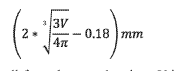
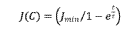
- A method involving the formation of organoids on a multi-well plate using a robotic arm to deposit a polymeric solution with cells on a surface with a water contact angle of at least 70 degrees, allowing for controlled organoid size and cell type distribution, and embedding oxygen sensors for real-time monitoring of drug effects, enabling precise screening of chemotherapeutic agents.

Biosensor with external reader
PatentWO2025147681A1
Innovation
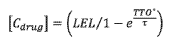
- A miniaturized biosensing platform with a sensing domain that interacts with interstitial fluid through a microfluidic chip, using optical readers and molecular sensors to encode analyte concentration information, allowing for real-time, multiplexed detection of various analytes outside the body.


Biocompatibility and Safety Considerations
The integration of on-chip optical biosensors into biological systems necessitates rigorous evaluation of biocompatibility and safety aspects. Materials used in these biosensors must maintain cellular viability and function without inducing cytotoxicity or inflammatory responses. Polydimethylsiloxane (PDMS), commonly employed in microfluidic platforms, demonstrates excellent biocompatibility but may absorb small hydrophobic molecules, potentially affecting sensor readings for lactate and oxygen measurements in microtissues.
Surface modifications represent a critical consideration, as sensor surfaces directly contact biological samples. Functionalization techniques using biocompatible coatings such as polyethylene glycol (PEG) or phosphorylcholine derivatives can minimize non-specific protein adsorption while maintaining sensor sensitivity. Recent studies have demonstrated that hydrogel-based interfaces effectively mitigate adverse biological reactions while preserving optical signal transmission for real-time monitoring applications.
Leaching of sensor components presents another significant safety concern. Fluorescent dyes and nanoparticles employed in oxygen and lactate detection systems must remain firmly immobilized to prevent cytotoxicity. Covalent attachment strategies and robust encapsulation methods have shown promising results in preventing leaching while maintaining sensor functionality over extended periods, essential for longitudinal studies of microtissue metabolism.
Sterilization compatibility constitutes a fundamental requirement for clinical translation. Conventional sterilization methods like ethylene oxide treatment or gamma irradiation may compromise sensor performance by altering optical properties or degrading sensitive biomolecules. Alternative approaches such as UV sterilization or aseptic manufacturing processes have been developed specifically for these integrated biosensor platforms, balancing sterility requirements with sensor integrity.
Long-term stability under physiological conditions represents another critical parameter. Sensors must maintain calibration and performance characteristics under continuous exposure to complex biological fluids. Recent innovations incorporating reference channels and self-calibration mechanisms have significantly improved stability, enabling reliable measurements of oxygen and lactate gradients in microtissues over days rather than hours.
Regulatory considerations for these biosensor platforms vary depending on intended application. Research-grade systems face less stringent requirements than diagnostic or therapeutic devices. However, establishing standardized testing protocols for biocompatibility assessment remains essential for advancing the field. The FDA and international regulatory bodies have begun developing specific guidance for integrated biosensor systems, acknowledging their unique position at the interface of electronics, optics, and biology.
Surface modifications represent a critical consideration, as sensor surfaces directly contact biological samples. Functionalization techniques using biocompatible coatings such as polyethylene glycol (PEG) or phosphorylcholine derivatives can minimize non-specific protein adsorption while maintaining sensor sensitivity. Recent studies have demonstrated that hydrogel-based interfaces effectively mitigate adverse biological reactions while preserving optical signal transmission for real-time monitoring applications.
Leaching of sensor components presents another significant safety concern. Fluorescent dyes and nanoparticles employed in oxygen and lactate detection systems must remain firmly immobilized to prevent cytotoxicity. Covalent attachment strategies and robust encapsulation methods have shown promising results in preventing leaching while maintaining sensor functionality over extended periods, essential for longitudinal studies of microtissue metabolism.
Sterilization compatibility constitutes a fundamental requirement for clinical translation. Conventional sterilization methods like ethylene oxide treatment or gamma irradiation may compromise sensor performance by altering optical properties or degrading sensitive biomolecules. Alternative approaches such as UV sterilization or aseptic manufacturing processes have been developed specifically for these integrated biosensor platforms, balancing sterility requirements with sensor integrity.
Long-term stability under physiological conditions represents another critical parameter. Sensors must maintain calibration and performance characteristics under continuous exposure to complex biological fluids. Recent innovations incorporating reference channels and self-calibration mechanisms have significantly improved stability, enabling reliable measurements of oxygen and lactate gradients in microtissues over days rather than hours.
Regulatory considerations for these biosensor platforms vary depending on intended application. Research-grade systems face less stringent requirements than diagnostic or therapeutic devices. However, establishing standardized testing protocols for biocompatibility assessment remains essential for advancing the field. The FDA and international regulatory bodies have begun developing specific guidance for integrated biosensor systems, acknowledging their unique position at the interface of electronics, optics, and biology.
Standardization and Validation Protocols
The standardization and validation of on-chip optical biosensors for real-time measurement of oxygen and lactate gradients in microtissues represent critical steps toward their widespread adoption in both research and clinical settings. Establishing robust protocols ensures reproducibility, reliability, and comparability of results across different laboratories and applications.
Current standardization efforts focus on three primary areas: sensor calibration, performance metrics, and reference materials. Calibration protocols typically involve multi-point verification using known oxygen and lactate concentrations under controlled temperature and pH conditions. These protocols must account for potential interferents in biological samples and establish correction factors for cross-sensitivity issues that commonly affect optical sensing mechanisms.
Performance metrics standardization encompasses sensitivity thresholds, detection limits, response times, and signal stability parameters. For oxygen sensing, protocols typically require demonstration of reliable measurements in the physiologically relevant range (0-21% O₂), with particular emphasis on accuracy in hypoxic conditions (<5% O₂) where cellular responses are most dynamic. Lactate measurement standards similarly focus on physiological ranges (0.5-20 mM), with emphasis on rapid detection of fluctuations that indicate metabolic shifts.
Reference materials development has proven challenging due to the complex nature of microtissue environments. Current approaches utilize artificially engineered tissue constructs with controlled metabolic properties or microfluidic platforms that generate stable, reproducible gradients. These reference systems enable validation across different sensor designs and manufacturing batches.
Validation protocols incorporate both in vitro and in vivo verification steps. Initial validation typically employs comparison with established measurement techniques such as Clark electrodes for oxygen or enzymatic assays for lactate. Advanced validation includes correlation with cellular outcomes, such as hypoxia-inducible factor expression patterns or metabolomic profiles, to confirm biological relevance of sensor readings.
Interlaboratory testing represents another crucial validation component, where identical sensor systems are evaluated across multiple facilities using standardized microtissue models. These collaborative efforts have revealed significant variability in sensor performance based on handling procedures and environmental conditions, highlighting the need for comprehensive user training protocols alongside technical standardization.
Regulatory considerations further shape validation requirements, particularly for sensors intended for clinical applications. While research-grade sensors follow less stringent protocols, those targeting diagnostic or therapeutic monitoring applications must demonstrate compliance with applicable medical device standards, including biocompatibility testing and long-term stability verification under physiological conditions.
Current standardization efforts focus on three primary areas: sensor calibration, performance metrics, and reference materials. Calibration protocols typically involve multi-point verification using known oxygen and lactate concentrations under controlled temperature and pH conditions. These protocols must account for potential interferents in biological samples and establish correction factors for cross-sensitivity issues that commonly affect optical sensing mechanisms.
Performance metrics standardization encompasses sensitivity thresholds, detection limits, response times, and signal stability parameters. For oxygen sensing, protocols typically require demonstration of reliable measurements in the physiologically relevant range (0-21% O₂), with particular emphasis on accuracy in hypoxic conditions (<5% O₂) where cellular responses are most dynamic. Lactate measurement standards similarly focus on physiological ranges (0.5-20 mM), with emphasis on rapid detection of fluctuations that indicate metabolic shifts.
Reference materials development has proven challenging due to the complex nature of microtissue environments. Current approaches utilize artificially engineered tissue constructs with controlled metabolic properties or microfluidic platforms that generate stable, reproducible gradients. These reference systems enable validation across different sensor designs and manufacturing batches.
Validation protocols incorporate both in vitro and in vivo verification steps. Initial validation typically employs comparison with established measurement techniques such as Clark electrodes for oxygen or enzymatic assays for lactate. Advanced validation includes correlation with cellular outcomes, such as hypoxia-inducible factor expression patterns or metabolomic profiles, to confirm biological relevance of sensor readings.
Interlaboratory testing represents another crucial validation component, where identical sensor systems are evaluated across multiple facilities using standardized microtissue models. These collaborative efforts have revealed significant variability in sensor performance based on handling procedures and environmental conditions, highlighting the need for comprehensive user training protocols alongside technical standardization.
Regulatory considerations further shape validation requirements, particularly for sensors intended for clinical applications. While research-grade sensors follow less stringent protocols, those targeting diagnostic or therapeutic monitoring applications must demonstrate compliance with applicable medical device standards, including biocompatibility testing and long-term stability verification under physiological conditions.
Unlock deeper insights with Patsnap Eureka Quick Research — get a full tech report to explore trends and direct your research. Try now!
Generate Your Research Report Instantly with AI Agent
Supercharge your innovation with Patsnap Eureka AI Agent Platform!