Tunable degradable scaffolds for modeling fibrosis progression in lung and liver chips
Tunable Scaffolds Background and Objectives
Tunable degradable scaffolds represent a significant advancement in the field of tissue engineering and organ-on-chip technology. The development of these scaffolds has evolved from simple static structures to complex dynamic systems that can mimic the extracellular matrix (ECM) environment of human tissues. This evolution has been driven by the increasing need for more accurate in vitro models to study disease progression, particularly fibrotic diseases affecting vital organs such as the lungs and liver.
The history of scaffold technology dates back to the early 1990s, when researchers began exploring biomaterials for tissue regeneration. However, the concept of tunable degradable scaffolds specifically designed for organ-on-chip platforms emerged in the late 2000s, coinciding with advances in microfluidics and biomaterial science. These technologies converged to create systems that could better replicate the complex microenvironments of human organs.
Recent technological trends show a shift toward scaffolds with precisely controlled degradation rates and mechanical properties that can change over time. This tunability is crucial for modeling progressive diseases like fibrosis, where the stiffening of tissue occurs gradually as a result of excessive ECM deposition. The ability to mimic this progression in vitro represents a significant advancement over traditional static culture systems.
The primary objective of tunable degradable scaffolds in lung and liver chips is to create physiologically relevant models that accurately recapitulate the dynamic nature of fibrosis progression. This includes mimicking the temporal changes in ECM composition, stiffness, and architecture that occur during disease development. Such models aim to provide insights into the mechanisms underlying fibrotic diseases, which affect millions worldwide and often lead to organ failure.
Additionally, these advanced scaffold systems seek to enable more accurate drug screening platforms. By replicating the progressive nature of fibrosis, researchers can evaluate potential therapeutic interventions at different disease stages, potentially accelerating the development of anti-fibrotic treatments. Current anti-fibrotic drug development faces high failure rates in clinical trials, largely due to the inadequacy of existing preclinical models.
The technical goals for these scaffolds include achieving precise control over degradation kinetics, incorporating bioactive molecules that can be released in a controlled manner, and developing manufacturing methods that ensure reproducibility and scalability. Furthermore, integration with sensing technologies to monitor changes in scaffold properties and cellular responses in real-time represents an important frontier in this field.
By advancing tunable degradable scaffold technology for organ-on-chip platforms, researchers aim to bridge the gap between traditional in vitro models and human physiology, ultimately contributing to better understanding of fibrotic diseases and more effective therapeutic strategies.
Market Analysis for Fibrosis Modeling Platforms
The global market for fibrosis modeling platforms is experiencing significant growth, driven by the increasing prevalence of fibrotic diseases and the pressing need for more effective therapeutic interventions. The market for tunable degradable scaffolds specifically designed for modeling fibrosis progression in lung and liver chips represents a specialized but rapidly expanding segment within the broader organ-on-chip technology market.
Current market valuations indicate that the global organ-on-chip market reached approximately $112 million in 2022 and is projected to grow at a compound annual growth rate (CAGR) of 30.1% through 2030. Within this broader market, liver and lung chips collectively account for over 40% of the total market share, highlighting their significance in drug development and disease modeling applications.
The demand for advanced fibrosis modeling platforms is primarily driven by pharmaceutical and biotechnology companies seeking to reduce the high failure rates in clinical trials for anti-fibrotic drugs. With the cost of bringing a new drug to market exceeding $2.6 billion and the failure rate for liver and lung fibrosis therapeutics standing at over 90%, there is substantial economic incentive to develop more predictive preclinical models.
Academic research institutions represent another significant market segment, contributing approximately 35% of the current demand. This sector's growth is fueled by increasing research grants focused on understanding fibrosis mechanisms and developing novel therapeutic approaches.
Geographically, North America dominates the market with approximately 45% share, followed by Europe (30%) and Asia-Pacific (20%). The Asia-Pacific region, particularly China and Japan, is expected to witness the fastest growth due to increasing healthcare expenditure and expanding biotechnology sectors.
Key market drivers include the rising incidence of fibrotic diseases such as idiopathic pulmonary fibrosis (IPF) and non-alcoholic steatohepatitis (NASH), growing regulatory support for alternative testing methods, and increasing adoption of personalized medicine approaches. The global prevalence of NASH alone is estimated at 1.5-6.5% of the general population, creating substantial market opportunity.
Market challenges include high development costs, technical complexities in creating physiologically relevant models, and regulatory uncertainties regarding validation and standardization of these platforms. Additionally, the specialized expertise required for developing and utilizing these advanced models presents a barrier to widespread adoption.
The competitive landscape features both established players in the organ-on-chip market expanding into fibrosis modeling and specialized startups focusing exclusively on fibrotic disease models. Strategic partnerships between technology developers and pharmaceutical companies are becoming increasingly common, accelerating commercialization pathways and expanding market reach.
Current Challenges in Degradable Scaffold Technology
Despite significant advancements in degradable scaffold technology for organ-on-chip models, several critical challenges persist that hinder the accurate modeling of fibrosis progression in lung and liver chips. The primary technical obstacle remains achieving precise control over degradation kinetics that can faithfully mimic the dynamic nature of fibrotic disease progression. Current scaffold materials often exhibit either too rapid or too slow degradation rates, failing to synchronize with the temporal aspects of fibrosis development in human tissues.
Material selection presents another significant challenge, as scaffolds must simultaneously support cell attachment and growth while undergoing controlled degradation. The balance between mechanical stability and programmed material breakdown is particularly difficult to achieve in lung and liver models, where tissue-specific mechanical properties are essential for proper cell function and disease modeling. Most available materials compromise either on biomimetic properties or degradation tunability.
The heterogeneity of degradation across scaffold structures creates inconsistent microenvironments that affect experimental reproducibility. Current technologies struggle to ensure uniform degradation throughout three-dimensional constructs, resulting in spatial variations that complicate data interpretation and limit the predictive value of these models for drug testing applications.
Integration of degradable scaffolds with sensing technologies represents another technical hurdle. The dynamic nature of degrading materials often interferes with embedded sensors or imaging techniques, making real-time monitoring of cellular responses during fibrosis progression challenging. This limitation significantly impacts researchers' ability to track disease evolution continuously without experimental interruption.
Scalability and manufacturing consistency pose substantial challenges for widespread adoption. Current production methods for tunable degradable scaffolds often involve complex, multi-step processes that are difficult to standardize and scale. This results in batch-to-batch variations that undermine experimental reproducibility and translational relevance.
Biocompatibility concerns persist, particularly regarding degradation byproducts that may influence cellular behavior independent of the intended experimental variables. These unintended biochemical cues can confound results when studying fibrosis mechanisms or testing anti-fibrotic interventions. Current technologies lack effective strategies to neutralize or control the biological activity of degradation products.
Cross-platform compatibility remains limited, with most degradable scaffold systems designed for specific organ models without consideration for multi-organ integration. This restricts the development of connected organ systems that could better represent systemic aspects of fibrotic diseases affecting both lung and liver tissues simultaneously.
Current Approaches to Fibrosis Modeling in Vitro
01 Polymer-based degradable scaffolds
Polymer-based materials are widely used for creating tunable degradable scaffolds. These polymers can be natural or synthetic and offer controllable degradation rates through modifications to their chemical structure. The degradation can be tailored by adjusting molecular weight, crystallinity, and hydrophilicity. Common polymers include polylactic acid (PLA), polyglycolic acid (PGA), and their copolymers, which degrade through hydrolysis of ester bonds at rates that can be engineered for specific tissue engineering applications.- Polymer-based degradable scaffolds: Polymer-based materials are widely used for creating tunable degradable scaffolds. These polymers can be natural or synthetic, and their degradation rates can be adjusted by modifying their chemical composition, molecular weight, or crosslinking density. Common polymers include polylactic acid (PLA), polyglycolic acid (PGA), and their copolymers, which offer controlled degradation profiles suitable for tissue engineering applications. The degradation mechanism typically involves hydrolysis of the polymer chains, which can be accelerated or slowed down based on the specific polymer chemistry.
- Enzymatically degradable scaffold systems: Enzymatically degradable scaffolds incorporate specific enzyme-sensitive linkages that can be cleaved by enzymes present in the biological environment. These scaffolds offer highly controlled degradation rates that can be tuned to match the rate of tissue regeneration. By selecting specific enzyme-sensitive peptide sequences or bonds, the degradation can be targeted to respond to particular cellular activities or physiological conditions, making them especially valuable for applications requiring precise temporal control of scaffold breakdown.
- Composite scaffolds with tunable degradation profiles: Composite scaffolds combine multiple materials with different degradation characteristics to achieve precisely controlled degradation profiles. These scaffolds typically incorporate both rapidly degrading components and slowly degrading components, creating a system where mechanical properties and porosity change over time in a predetermined manner. The degradation can be tuned by adjusting the ratio of different materials, their spatial arrangement, or by incorporating degradation-modifying agents. This approach allows for scaffolds that maintain structural integrity while gradually transferring load-bearing responsibilities to newly formed tissue.
- Stimuli-responsive degradable scaffolds: Stimuli-responsive degradable scaffolds are designed to degrade in response to specific environmental triggers such as pH, temperature, light, or electrical stimulation. These smart materials can undergo controlled degradation when exposed to particular conditions, allowing for on-demand scaffold breakdown. The degradation rate can be tuned by adjusting the sensitivity of the material to the specific stimulus or by controlling the intensity or duration of the stimulus. This approach enables precise temporal control over scaffold degradation, which is particularly valuable for drug delivery applications or situations requiring triggered tissue regeneration.
- Surface-modified scaffolds with controlled degradability: Surface modification techniques can be applied to scaffolds to control their degradation behavior without altering their bulk properties. These modifications include coating the scaffold with degradable layers, functionalizing the surface with specific chemical groups, or creating gradient structures with varying degradation rates from surface to core. By manipulating only the surface properties, the mechanical integrity of the scaffold can be maintained while controlling the cell-material interactions and degradation kinetics. This approach is particularly useful for applications requiring different degradation behaviors at different locations within the same scaffold.
02 Hydrogel-based degradable scaffolds
Hydrogels provide excellent platforms for tunable degradable scaffolds due to their high water content and tissue-like mechanical properties. Their degradation can be controlled through incorporation of hydrolytically or enzymatically cleavable crosslinks. The degradation rate can be adjusted by modifying crosslinking density, type of crosslinkers, and environmental conditions such as pH and temperature. These scaffolds are particularly useful for soft tissue engineering and controlled drug delivery applications.Expand Specific Solutions03 Composite degradable scaffolds
Composite scaffolds combine multiple materials to achieve tunable degradation profiles while enhancing mechanical properties. These typically incorporate combinations of polymers with ceramics, metals, or other reinforcing materials. The degradation rate can be controlled by adjusting the ratio of components, their spatial distribution, and processing methods. This approach allows for creating scaffolds with region-specific degradation rates and mechanical properties tailored for complex tissue interfaces.Expand Specific Solutions04 Enzymatically degradable scaffolds
Enzymatically degradable scaffolds incorporate specific peptide sequences or bonds that can be cleaved by enzymes present in the target tissue environment. The degradation rate can be tuned by modifying the accessibility and specificity of these cleavable sites. This approach enables cell-responsive degradation where scaffold breakdown is triggered by cellular activity, allowing for more physiologically relevant tissue regeneration processes and improved integration with host tissues.Expand Specific Solutions05 Stimuli-responsive degradable scaffolds
Stimuli-responsive scaffolds can undergo degradation in response to specific external or internal triggers such as pH, temperature, light, or electrical signals. These smart materials allow for precise temporal control over scaffold degradation. The degradation rate and pattern can be programmed to respond to physiological changes or externally applied stimuli, enabling on-demand tissue regeneration strategies and controlled release of bioactive agents at specific stages of the healing process.Expand Specific Solutions
Leading Organizations in Organ-on-Chip Development
The field of tunable degradable scaffolds for modeling fibrosis progression in lung and liver chips is currently in an early growth phase, characterized by significant academic research with emerging commercial applications. The global market for organ-on-chip technologies is expanding rapidly, projected to reach $220 million by 2025, with liver and lung models representing key segments. Technical maturity varies across players, with research institutions like MIT, University of Washington, and Northwestern University leading fundamental innovations, while companies such as Boston Scientific, MicroPort Medical, and Coloplast are advancing clinical applications. ACell and Akira Science demonstrate specialized expertise in extracellular matrix technologies and bioresorbable implants, respectively. The ecosystem reflects a collaborative environment between academic institutions and medical device manufacturers working to translate scaffold technologies into viable therapeutic and diagnostic platforms.
University of Washington
The Regents of the University of California
Key Innovations in Tunable Degradable Biomaterials
- Development of acoustically responsive biomaterials using silk fibroin infused with gas vesicles or microbubbles that can be triggered to degrade when exposed to therapeutic ultrasound.
- Non-invasive, tunable degradation control of scaffolds using low-intensity focused ultrasound, allowing personalized adjustment of degradation profiles to match individual patient regenerative capabilities.
- Integration of real-time monitoring capability through 2D greyscale imaging to track scaffold degradation progress in vivo.
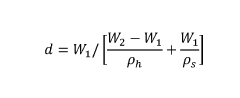
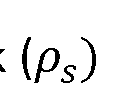


- The development of biomatrix scaffolds derived from decellularized tissues, which retain tissue-specific extracellular matrix components and signaling molecules, allowing for the growth of cancer cells in a three-dimensional culture that mimics in vivo conditions, enabling the prediction of metastatic sites and treatment responses.


Regulatory Considerations for Organ-on-Chip Technologies
The regulatory landscape for organ-on-chip (OOC) technologies, particularly those incorporating tunable degradable scaffolds for modeling fibrosis progression in lung and liver chips, presents unique challenges and considerations. These advanced platforms exist at the intersection of multiple regulatory domains, including medical devices, pharmaceuticals, and biological products, creating a complex compliance environment.
FDA oversight of OOC technologies currently follows a case-by-case approach, with classification typically determined by the intended use of the technology. For fibrosis modeling platforms, this may involve consideration under both medical device regulations (21 CFR Part 820) and potentially biological product regulations if incorporating human cells. The degradable nature of the scaffolds introduces additional regulatory considerations regarding material safety and degradation product characterization.
International regulatory frameworks show significant variation in their approach to OOC technologies. The European Union, under the Medical Device Regulation (MDR), may classify these systems as Class III devices due to their incorporation of biological materials and intended use in drug development. Japan's PMDA has established a conditional approval pathway that could benefit novel OOC technologies, while China's NMPA requires extensive validation studies for innovative medical technologies.
Validation and standardization represent critical regulatory hurdles for tunable degradable scaffolds in OOC systems. Regulatory bodies increasingly require demonstration of how these models correlate with human pathophysiology, particularly for fibrosis progression which involves complex cellular interactions and extracellular matrix remodeling. The development of reference standards and validation protocols specific to degradable scaffold-based liver and lung fibrosis models remains an ongoing challenge.
Data requirements for regulatory submission typically include comprehensive characterization of scaffold materials, degradation kinetics, and demonstration of physiological relevance. For fibrosis modeling applications, evidence of appropriate cell-matrix interactions, progressive matrix stiffening, and relevant biomarker expression patterns are essential components of regulatory documentation.
Looking forward, regulatory frameworks are evolving toward more adaptive approaches for emerging technologies. The FDA's Digital Health Innovation Action Plan and the EU's coordinated assessment procedure for certain health technologies signal movement toward more flexible regulatory pathways that could accelerate the adoption of advanced OOC technologies for modeling complex disease processes like fibrosis.
Translational Potential for Drug Discovery Applications
Tunable degradable scaffolds represent a significant advancement in drug discovery applications, offering unprecedented opportunities to model disease progression in vitro. The translation of this technology to pharmaceutical research and development processes could substantially accelerate drug candidate identification while reducing reliance on animal models. By accurately replicating fibrotic microenvironments of lung and liver tissues, these platforms enable more physiologically relevant drug screening compared to traditional 2D cell cultures.
The immediate translational value lies in creating disease models that capture the dynamic nature of fibrosis progression. Pharmaceutical companies can utilize these tunable scaffolds to test anti-fibrotic compounds at various disease stages, providing crucial insights into intervention timing and efficacy. This capability addresses a critical gap in current drug development pipelines, where static models fail to represent the temporal aspects of fibrotic diseases.
Cost-efficiency represents another compelling advantage for drug discovery applications. The organ-on-chip platforms incorporating these scaffolds require significantly smaller compound quantities for testing compared to animal studies, enabling broader screening of chemical libraries. Additionally, the reduced timeline from hypothesis to data generation accelerates decision-making processes in early drug development phases.
Regulatory agencies have shown increasing receptiveness to organ-on-chip technologies as complementary or alternative methods to traditional testing. The FDA's Predictive Toxicology Roadmap specifically encourages the development and implementation of novel methodologies that better predict human responses. Tunable degradable scaffolds align perfectly with this regulatory direction, potentially streamlining approval processes for drugs tested on these platforms.
Personalized medicine applications represent perhaps the most promising translational pathway. By incorporating patient-derived cells into these scaffold systems, researchers can develop personalized disease models that account for individual variations in fibrosis progression. This approach enables stratification of patient populations for clinical trials and identification of biomarkers that predict treatment response, ultimately leading to more targeted therapeutic strategies.
Industry partnerships between scaffold technology developers and pharmaceutical companies are already emerging, indicating strong commercial interest. These collaborations focus on validating the predictive power of these models against clinical outcomes, establishing standardized protocols, and integrating the technology into existing drug discovery workflows. As validation data accumulates, adoption rates are expected to accelerate across the pharmaceutical sector.