Optimization of fuel production with solid oxide electrolysis cells
OCT 9, 20259 MIN READ
Generate Your Research Report Instantly with AI Agent
PatSnap Eureka helps you evaluate technical feasibility & market potential.
SOEC Fuel Production Background and Objectives
Solid Oxide Electrolysis Cells (SOECs) represent a transformative technology in the realm of sustainable energy systems, offering a promising pathway for efficient fuel production through electrolysis processes. The evolution of SOEC technology dates back to the early 2000s, emerging from solid oxide fuel cell research, with significant advancements accelerating in the past decade due to increasing global focus on decarbonization and renewable energy integration.
The fundamental principle of SOECs involves the electrochemical conversion of steam and/or carbon dioxide into hydrogen and carbon monoxide using electrical energy at elevated temperatures (700-900°C). This high-temperature operation provides thermodynamic advantages over low-temperature electrolysis technologies, resulting in higher electrical efficiency and reduced electricity requirements for fuel production.
Recent technological trends indicate a shift toward more durable ceramic materials for electrodes and electrolytes, improved cell architectures for enhanced performance, and innovative system integration approaches. The field is witnessing convergence with renewable energy sources, particularly variable renewables like wind and solar, positioning SOECs as potential grid-balancing technologies through power-to-X applications.
The primary technical objectives for SOEC fuel production optimization encompass several critical dimensions. First, enhancing durability and operational lifetime remains paramount, with targets exceeding 40,000 hours of stable operation under dynamic conditions. Second, improving energy efficiency toward theoretical limits (>90% electrical-to-chemical conversion efficiency) while maintaining economic viability represents a central goal.
Additional objectives include scaling up production capacity from laboratory to industrial scale, reducing manufacturing costs through materials innovation and process optimization, and developing flexible operation capabilities to accommodate variable renewable energy inputs. System integration objectives focus on thermal management optimization, balance-of-plant simplification, and seamless coupling with downstream synthesis processes.
The long-term vision for SOEC technology extends beyond simple hydrogen production to encompass synthetic fuel generation through integration with Fischer-Tropsch or methanation processes, direct electrochemical reduction of CO2 to value-added chemicals, and potential applications in industrial sectors requiring high-temperature process heat alongside fuel production.
This technological trajectory aligns with global decarbonization goals, particularly in hard-to-abate sectors like heavy industry, aviation, and maritime transport, where electrification faces significant challenges and carbon-neutral fuels represent a viable alternative pathway toward sustainability.
The fundamental principle of SOECs involves the electrochemical conversion of steam and/or carbon dioxide into hydrogen and carbon monoxide using electrical energy at elevated temperatures (700-900°C). This high-temperature operation provides thermodynamic advantages over low-temperature electrolysis technologies, resulting in higher electrical efficiency and reduced electricity requirements for fuel production.
Recent technological trends indicate a shift toward more durable ceramic materials for electrodes and electrolytes, improved cell architectures for enhanced performance, and innovative system integration approaches. The field is witnessing convergence with renewable energy sources, particularly variable renewables like wind and solar, positioning SOECs as potential grid-balancing technologies through power-to-X applications.
The primary technical objectives for SOEC fuel production optimization encompass several critical dimensions. First, enhancing durability and operational lifetime remains paramount, with targets exceeding 40,000 hours of stable operation under dynamic conditions. Second, improving energy efficiency toward theoretical limits (>90% electrical-to-chemical conversion efficiency) while maintaining economic viability represents a central goal.
Additional objectives include scaling up production capacity from laboratory to industrial scale, reducing manufacturing costs through materials innovation and process optimization, and developing flexible operation capabilities to accommodate variable renewable energy inputs. System integration objectives focus on thermal management optimization, balance-of-plant simplification, and seamless coupling with downstream synthesis processes.
The long-term vision for SOEC technology extends beyond simple hydrogen production to encompass synthetic fuel generation through integration with Fischer-Tropsch or methanation processes, direct electrochemical reduction of CO2 to value-added chemicals, and potential applications in industrial sectors requiring high-temperature process heat alongside fuel production.
This technological trajectory aligns with global decarbonization goals, particularly in hard-to-abate sectors like heavy industry, aviation, and maritime transport, where electrification faces significant challenges and carbon-neutral fuels represent a viable alternative pathway toward sustainability.
Market Analysis for SOEC Fuel Production
The global market for Solid Oxide Electrolysis Cell (SOEC) fuel production is experiencing significant growth, driven by increasing demand for clean energy solutions and the urgent need to reduce carbon emissions. Current market valuations place the SOEC technology sector at approximately $450 million as of 2023, with projections indicating a compound annual growth rate of 15-18% through 2030, potentially reaching $1.5 billion by the end of the decade.
The demand for SOEC technology is particularly strong in regions with ambitious decarbonization targets, notably the European Union, Japan, South Korea, and increasingly China and the United States. The EU's hydrogen strategy, which aims to install at least 40 GW of electrolyzer capacity by 2030, represents a substantial market opportunity for SOEC technology developers and implementers.
Market segmentation reveals diverse applications for SOEC-produced fuels. The industrial sector currently dominates consumption, accounting for approximately 45% of the market share, primarily for chemical production, refining, and metallurgical processes. Transportation applications represent about 25% of the market, with growing interest in synthetic fuels for aviation and shipping. Power generation and grid balancing applications constitute roughly 20%, while the remaining 10% encompasses various niche applications including residential and commercial uses.
Key market drivers include increasingly stringent carbon regulations worldwide, volatile fossil fuel prices, and the growing integration of intermittent renewable energy sources that require flexible conversion and storage solutions. The ability of SOECs to efficiently convert excess renewable electricity into storable chemical fuels positions them as a critical component in future energy systems.
However, market barriers remain significant. High capital costs compared to conventional hydrogen production methods continue to limit widespread adoption, with current SOEC systems costing 2-3 times more than traditional steam methane reforming on a capacity basis. Technical challenges related to durability and degradation rates under industrial operating conditions also constrain market expansion.
The competitive landscape is evolving rapidly, with traditional energy companies increasingly investing in SOEC technology alongside specialized technology developers. Strategic partnerships between technology providers and industrial end-users are becoming more common, accelerating commercialization pathways and creating new business models based on energy-as-a-service concepts rather than equipment sales alone.
Market forecasts suggest that as manufacturing scales up and technological improvements continue, production costs for SOEC systems could decrease by 40-60% by 2030, potentially achieving cost parity with conventional production methods in regions with low-cost renewable electricity.
The demand for SOEC technology is particularly strong in regions with ambitious decarbonization targets, notably the European Union, Japan, South Korea, and increasingly China and the United States. The EU's hydrogen strategy, which aims to install at least 40 GW of electrolyzer capacity by 2030, represents a substantial market opportunity for SOEC technology developers and implementers.
Market segmentation reveals diverse applications for SOEC-produced fuels. The industrial sector currently dominates consumption, accounting for approximately 45% of the market share, primarily for chemical production, refining, and metallurgical processes. Transportation applications represent about 25% of the market, with growing interest in synthetic fuels for aviation and shipping. Power generation and grid balancing applications constitute roughly 20%, while the remaining 10% encompasses various niche applications including residential and commercial uses.
Key market drivers include increasingly stringent carbon regulations worldwide, volatile fossil fuel prices, and the growing integration of intermittent renewable energy sources that require flexible conversion and storage solutions. The ability of SOECs to efficiently convert excess renewable electricity into storable chemical fuels positions them as a critical component in future energy systems.
However, market barriers remain significant. High capital costs compared to conventional hydrogen production methods continue to limit widespread adoption, with current SOEC systems costing 2-3 times more than traditional steam methane reforming on a capacity basis. Technical challenges related to durability and degradation rates under industrial operating conditions also constrain market expansion.
The competitive landscape is evolving rapidly, with traditional energy companies increasingly investing in SOEC technology alongside specialized technology developers. Strategic partnerships between technology providers and industrial end-users are becoming more common, accelerating commercialization pathways and creating new business models based on energy-as-a-service concepts rather than equipment sales alone.
Market forecasts suggest that as manufacturing scales up and technological improvements continue, production costs for SOEC systems could decrease by 40-60% by 2030, potentially achieving cost parity with conventional production methods in regions with low-cost renewable electricity.
SOEC Technology Status and Barriers
Solid Oxide Electrolysis Cell (SOEC) technology has reached a significant level of maturity in laboratory settings, with demonstrated electrical efficiencies exceeding 90% for hydrogen production. However, the transition from laboratory to commercial scale faces substantial barriers. Current SOEC systems typically operate at temperatures between 700-900°C, which necessitates expensive high-temperature materials and complex thermal management systems, significantly increasing capital costs.
Material degradation remains one of the most critical challenges. The harsh operating conditions—high temperatures combined with oxidizing and reducing environments—lead to accelerated degradation of electrodes and electrolytes. Current state-of-the-art cells show degradation rates of 1-2% per 1000 hours, whereas commercial viability requires rates below 0.25% per 1000 hours. This degradation manifests as delamination at interfaces, chromium poisoning of cathodes, and microstructural changes that reduce active reaction sites.
Durability issues are particularly pronounced during thermal cycling and load variations, limiting the operational flexibility needed for integration with intermittent renewable energy sources. Most laboratory demonstrations have focused on steady-state operation, with limited research addressing dynamic operation scenarios essential for real-world applications in fuel production.
Scale-up challenges present another significant barrier. While laboratory cells typically have active areas of 10-100 cm², commercial viability requires stack designs with active areas exceeding several square meters. Current manufacturing techniques struggle to maintain uniform performance across larger cell areas, resulting in efficiency losses and increased failure rates at scale.
The global landscape of SOEC development shows geographical concentration, with leading research primarily conducted in Europe (particularly Denmark, Germany, and France), the United States, Japan, and increasingly China. European efforts, supported by initiatives like the Fuel Cells and Hydrogen Joint Undertaking, have established pilot facilities demonstrating integrated systems at the 100 kW scale. However, these demonstrations still fall short of the multi-megawatt scale required for industrial fuel production.
Economic barriers further complicate commercialization. Current SOEC stack costs range from $2,000-5,000/kW, significantly higher than the $500/kW threshold generally considered necessary for commercial viability in fuel production applications. The specialized materials, complex manufacturing processes, and limited production volumes contribute to these high costs, creating a challenging environment for market entry.
Regulatory frameworks and standardization also lag behind technological development, with limited consensus on performance metrics, safety standards, and grid integration protocols for large-scale SOEC systems in fuel production contexts.
Material degradation remains one of the most critical challenges. The harsh operating conditions—high temperatures combined with oxidizing and reducing environments—lead to accelerated degradation of electrodes and electrolytes. Current state-of-the-art cells show degradation rates of 1-2% per 1000 hours, whereas commercial viability requires rates below 0.25% per 1000 hours. This degradation manifests as delamination at interfaces, chromium poisoning of cathodes, and microstructural changes that reduce active reaction sites.
Durability issues are particularly pronounced during thermal cycling and load variations, limiting the operational flexibility needed for integration with intermittent renewable energy sources. Most laboratory demonstrations have focused on steady-state operation, with limited research addressing dynamic operation scenarios essential for real-world applications in fuel production.
Scale-up challenges present another significant barrier. While laboratory cells typically have active areas of 10-100 cm², commercial viability requires stack designs with active areas exceeding several square meters. Current manufacturing techniques struggle to maintain uniform performance across larger cell areas, resulting in efficiency losses and increased failure rates at scale.
The global landscape of SOEC development shows geographical concentration, with leading research primarily conducted in Europe (particularly Denmark, Germany, and France), the United States, Japan, and increasingly China. European efforts, supported by initiatives like the Fuel Cells and Hydrogen Joint Undertaking, have established pilot facilities demonstrating integrated systems at the 100 kW scale. However, these demonstrations still fall short of the multi-megawatt scale required for industrial fuel production.
Economic barriers further complicate commercialization. Current SOEC stack costs range from $2,000-5,000/kW, significantly higher than the $500/kW threshold generally considered necessary for commercial viability in fuel production applications. The specialized materials, complex manufacturing processes, and limited production volumes contribute to these high costs, creating a challenging environment for market entry.
Regulatory frameworks and standardization also lag behind technological development, with limited consensus on performance metrics, safety standards, and grid integration protocols for large-scale SOEC systems in fuel production contexts.
Current SOEC Optimization Approaches
01 Electrode material optimization for solid oxide electrolysis cells
The selection and optimization of electrode materials significantly impact the performance of solid oxide electrolysis cells. Advanced materials such as perovskite-type oxides and composite electrodes can enhance electrochemical activity and stability. Modifications to electrode microstructure, porosity, and composition can reduce polarization resistance and improve durability under operating conditions. These optimizations lead to higher efficiency and longer cell lifetimes during electrolysis operations.- Electrode material optimization for solid oxide electrolysis cells: The selection and optimization of electrode materials significantly impact the performance of solid oxide electrolysis cells. Advanced materials such as perovskite-type oxides and composite electrodes can enhance electrochemical activity, stability, and durability. Modifications to electrode microstructure, porosity, and composition can reduce polarization resistance and improve overall cell efficiency. Novel fabrication techniques can create optimized electrode interfaces that facilitate better ion and electron transport.
- Electrolyte development and optimization for high-temperature operation: Electrolyte materials play a crucial role in solid oxide electrolysis cells, particularly for high-temperature applications. Research focuses on developing thin, dense electrolytes with high ionic conductivity and minimal electronic conductivity. Optimized electrolytes can reduce ohmic resistance, improve cell performance, and enhance long-term stability. Advanced manufacturing techniques enable the production of defect-free electrolytes with controlled thickness and microstructure, which are essential for efficient operation at elevated temperatures.
- System design and operational parameter optimization: The overall system design and operational parameters significantly influence solid oxide electrolysis cell performance. Optimizing factors such as temperature distribution, gas flow rates, pressure, and current density can enhance efficiency and durability. Advanced control systems can maintain optimal operating conditions while preventing degradation mechanisms. Innovative stack designs with improved sealing, interconnects, and thermal management systems contribute to better performance and longer operational lifetimes.
- Degradation mechanisms and durability enhancement: Understanding and mitigating degradation mechanisms is crucial for improving the long-term performance of solid oxide electrolysis cells. Research focuses on addressing issues such as chromium poisoning, electrode delamination, and microstructural changes during operation. Protective coatings, compositional modifications, and optimized operating protocols can significantly enhance cell durability. Advanced characterization techniques help identify degradation pathways and develop effective mitigation strategies for extended cell lifetime.
- Integration with renewable energy sources and hydrogen production: Solid oxide electrolysis cells can be effectively integrated with renewable energy sources for efficient hydrogen production. Optimization focuses on developing systems that can handle the variable input from renewable sources while maintaining high efficiency. Advanced power electronics and control strategies enable dynamic operation under fluctuating conditions. Co-electrolysis of water and carbon dioxide can produce syngas for further conversion to valuable fuels and chemicals, enhancing the economic viability of the technology.
02 Electrolyte development and ionic conductivity enhancement
Improving the electrolyte properties is crucial for solid oxide electrolysis cell performance. Research focuses on developing thin-film electrolytes with high ionic conductivity at intermediate temperatures. Doped zirconia and ceria-based materials are being optimized to reduce ohmic resistance while maintaining mechanical integrity. Advanced manufacturing techniques enable the production of dense, defect-free electrolytes that prevent gas crossover while facilitating efficient ion transport, ultimately improving overall cell efficiency.Expand Specific Solutions03 Operating parameter optimization and control strategies
Optimizing operating parameters such as temperature, pressure, and current density is essential for maximizing solid oxide electrolysis cell efficiency. Advanced control strategies that dynamically adjust these parameters based on real-time performance metrics can extend cell lifetime and improve hydrogen production rates. Thermal management techniques help maintain uniform temperature distribution across the cell stack, preventing thermal stress and degradation. Optimized steam delivery systems and flow field designs enhance reactant distribution and product removal.Expand Specific Solutions04 Cell design and stack configuration improvements
Innovations in cell geometry and stack configuration can significantly enhance solid oxide electrolysis cell performance. Planar and tubular designs offer different advantages in terms of power density, thermal cycling resistance, and ease of manufacturing. Advanced sealing technologies improve gas tightness and reduce chromium poisoning. Optimized interconnect designs minimize contact resistance while facilitating efficient gas distribution. These design improvements lead to more compact, durable, and efficient electrolysis systems.Expand Specific Solutions05 Degradation mechanisms and durability enhancement
Understanding and mitigating degradation mechanisms is critical for improving the long-term performance of solid oxide electrolysis cells. Research focuses on addressing issues such as electrode delamination, chromium poisoning, and carbon deposition. Protective coatings can be applied to interconnects to prevent chromium evaporation. Modified electrode compositions can enhance resistance to impurities in feed gases. Optimized operating protocols, including controlled startup and shutdown procedures, can significantly extend cell lifetime and maintain performance over thousands of operating hours.Expand Specific Solutions
Key Industry Players in SOEC Technology
The solid oxide electrolysis cell (SOEC) fuel production optimization market is currently in a growth phase, with increasing commercial applications emerging from research foundations. The global market is expanding rapidly, driven by decarbonization initiatives and renewable energy integration, with projections exceeding $500 million by 2030. Technology maturity varies significantly among key players: Topsoe A/S leads with commercial-scale deployments, while ExxonMobil Technology & Engineering and POSCO Holdings are advancing industrial applications. Academic institutions like Northwestern University and Tsinghua University contribute fundamental research, while automotive companies (Hyundai, Nissan, Honda, Kia) focus on hydrogen fuel cell integration. Energy companies including Osaka Gas and Intelligent Energy are developing specialized applications, creating a competitive landscape balanced between established industrial players and emerging technology specialists.
ExxonMobil Technology & Engineering Co.
Technical Solution: ExxonMobil has developed proprietary SOEC technology focused on large-scale integration with existing refinery and petrochemical infrastructure. Their approach centers on high-pressure operation (up to 30 bar) SOEC systems that reduce compression requirements for downstream synthesis processes. ExxonMobil's technology utilizes advanced scandia-stabilized zirconia electrolytes with enhanced ionic conductivity and proprietary electrode compositions that maintain stability under pressurized conditions. Their system architecture incorporates innovative heat recovery mechanisms that capture waste heat from exothermic synthesis reactions to provide thermal energy for the endothermic electrolysis process, improving overall system efficiency by approximately 15-20%. The company has demonstrated integrated operation with their established methanol and Fischer-Tropsch synthesis technologies, enabling direct conversion of CO2 and water to liquid hydrocarbon fuels with carbon utilization efficiencies exceeding 90% in pilot-scale operations.
Strengths: Extensive experience in large-scale chemical process integration, high-pressure operation capability, and advanced heat integration for improved system efficiency. Weaknesses: Technology primarily optimized for integration with fossil fuel infrastructure rather than standalone renewable applications, and relatively higher capital costs compared to atmospheric pressure systems.
Topsoe A/S
Technical Solution: Topsoe has developed advanced solid oxide electrolysis cell (SOEC) technology for efficient fuel production, particularly focusing on green hydrogen and e-fuels. Their eSynergy™ solution integrates high-temperature electrolysis with catalytic processes to convert renewable electricity, water, and CO2 into synthetic fuels. The system operates at temperatures between 700-850°C, achieving electrical efficiency of up to 90% in steam electrolysis mode. Topsoe's SOEC stacks feature proprietary ceramic materials with enhanced durability and conductivity, allowing for higher current densities while maintaining stability. Their technology enables co-electrolysis of steam and CO2 simultaneously, producing syngas (H2 and CO) directly, which can be further processed into various fuels including methanol, gasoline, and sustainable aviation fuel through established catalytic processes.
Strengths: Industry-leading electrical efficiency (up to 90%), integration capability with existing chemical processes, and advanced co-electrolysis functionality. Weaknesses: High operating temperatures require specialized materials and thermal management systems, increasing system complexity and potentially affecting long-term durability under variable load conditions.
Critical Patents and Research in SOEC Fuel Production
Integrated power generation and chemical production using solid oxide fuel cells
PatentInactiveEP3053218A1
Innovation
- The method involves operating solid oxide fuel cells at lower electrical efficiency to increase total fuel cell efficiency by decoupling anode and cathode inputs and outputs, allowing for excess production of hydrogen and syngas, and utilizing internal reforming to enhance chemical energy output, thereby increasing productivity and efficiency.
Solid oxide fuel cell and manufacturing method thereof
PatentInactiveUS20050064277A1
Innovation
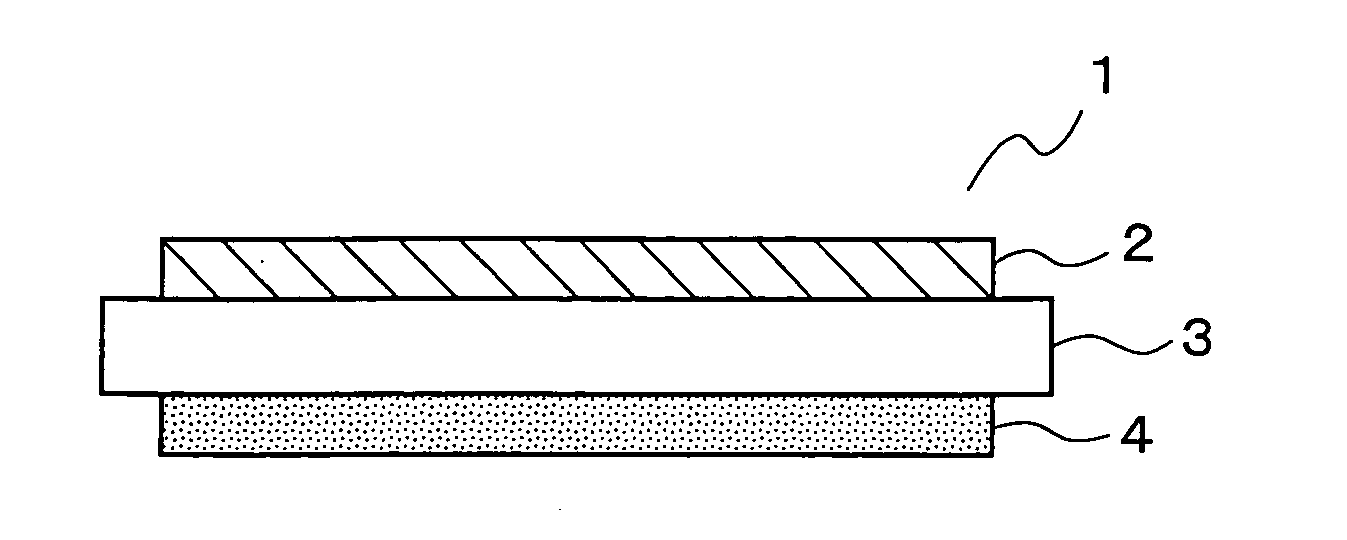
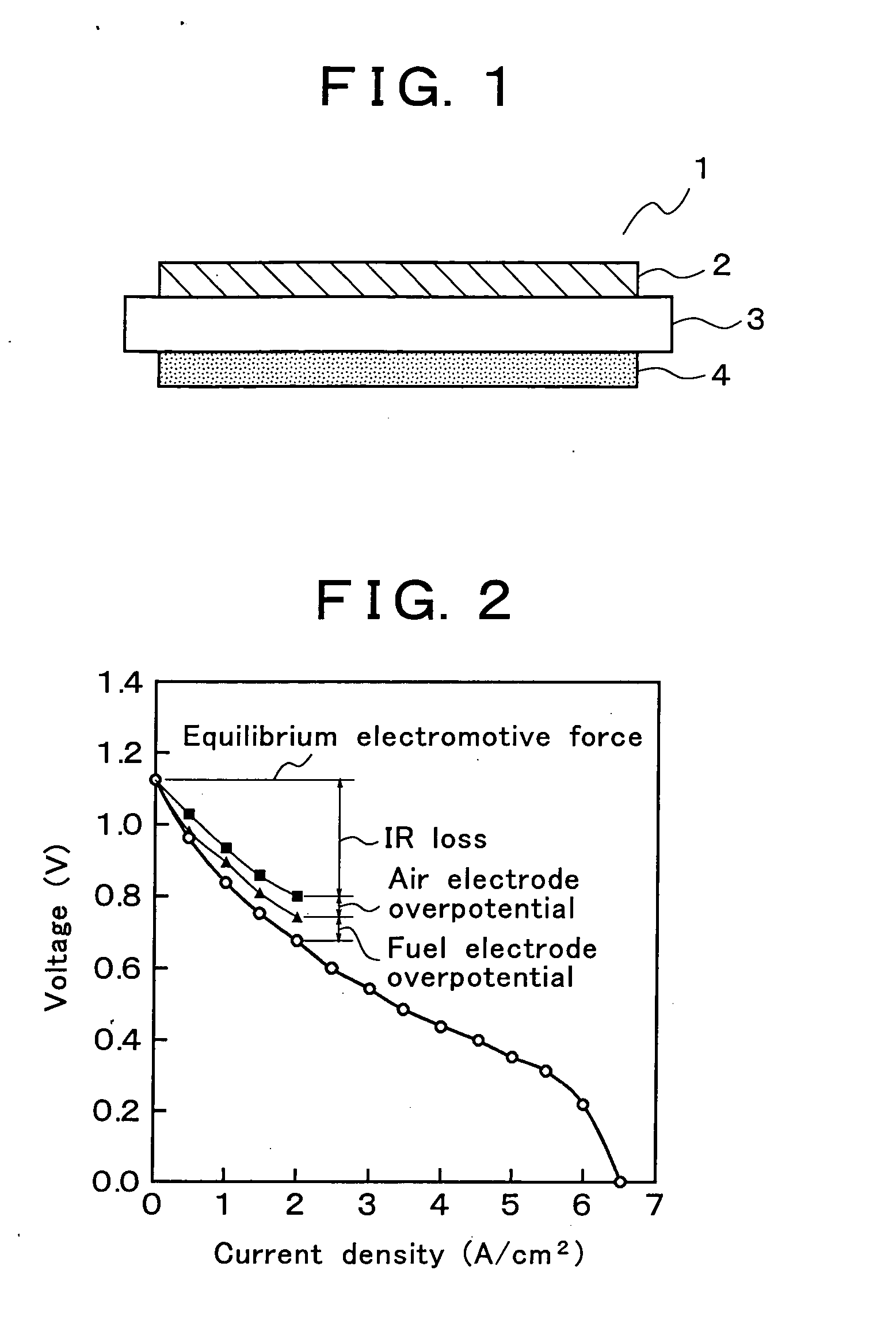
- A solid oxide fuel cell configuration featuring a lanthanum gallate based oxide solid electrolyte layer and a fuel electrode layer with a highly dispersed network structure of mixed conductive oxide grains surrounding a skeletal structure of metal grains, combined with an air electrode layer of samarium strontium cobaltite, reduces electrode overpotentials and internal resistance.
Energy Policy Impact on SOEC Implementation
Energy policies across different regions significantly influence the implementation and scaling of Solid Oxide Electrolysis Cell (SOEC) technology for fuel production. Countries with ambitious decarbonization targets have established supportive regulatory frameworks that accelerate SOEC deployment. The European Union's Green Deal and Hydrogen Strategy provide substantial funding mechanisms and market incentives for hydrogen production technologies, positioning SOECs as critical components in achieving carbon neutrality by 2050. Similarly, Japan's Strategic Roadmap for Hydrogen and Fuel Cells offers tax benefits and subsidies specifically targeting high-temperature electrolysis systems.
In contrast, regions heavily dependent on fossil fuel economies often maintain policies that indirectly disadvantage emerging technologies like SOECs through continued subsidization of conventional energy sources. This policy disparity creates uneven global implementation landscapes, with SOEC technology advancing more rapidly in countries with progressive energy transition agendas.
Carbon pricing mechanisms have emerged as particularly influential policy instruments affecting SOEC implementation. Nations with established carbon markets or carbon taxes create economic environments where the higher initial capital costs of SOEC systems can be offset by operational savings and avoided carbon penalties. Analysis of implementation rates shows strong correlation between carbon price floors and industrial adoption of electrolysis technologies.
Renewable energy integration policies also shape SOEC deployment patterns. Grid connection regulations, curtailment rules, and time-of-use electricity pricing structures directly impact the economic viability of SOEC operations. Jurisdictions with favorable policies for variable renewable energy integration enable more cost-effective SOEC implementation by allowing systems to operate during periods of excess renewable generation and low electricity prices.
Research and development funding policies represent another critical dimension. Countries allocating substantial public resources to advanced materials research, system integration studies, and demonstration projects have established technological leadership in the SOEC sector. International policy coordination mechanisms, such as Mission Innovation and the Clean Energy Ministerial, have facilitated knowledge transfer and accelerated global SOEC development through harmonized research priorities.
Looking forward, policy evolution toward technology-neutral performance standards rather than technology-specific subsidies will likely benefit SOEC implementation. As policies increasingly focus on lifecycle carbon intensity metrics for fuel production pathways, the inherent efficiency advantages of high-temperature electrolysis position SOECs favorably against competing technologies, provided supportive regulatory frameworks continue to develop alongside technological advancements.
In contrast, regions heavily dependent on fossil fuel economies often maintain policies that indirectly disadvantage emerging technologies like SOECs through continued subsidization of conventional energy sources. This policy disparity creates uneven global implementation landscapes, with SOEC technology advancing more rapidly in countries with progressive energy transition agendas.
Carbon pricing mechanisms have emerged as particularly influential policy instruments affecting SOEC implementation. Nations with established carbon markets or carbon taxes create economic environments where the higher initial capital costs of SOEC systems can be offset by operational savings and avoided carbon penalties. Analysis of implementation rates shows strong correlation between carbon price floors and industrial adoption of electrolysis technologies.
Renewable energy integration policies also shape SOEC deployment patterns. Grid connection regulations, curtailment rules, and time-of-use electricity pricing structures directly impact the economic viability of SOEC operations. Jurisdictions with favorable policies for variable renewable energy integration enable more cost-effective SOEC implementation by allowing systems to operate during periods of excess renewable generation and low electricity prices.
Research and development funding policies represent another critical dimension. Countries allocating substantial public resources to advanced materials research, system integration studies, and demonstration projects have established technological leadership in the SOEC sector. International policy coordination mechanisms, such as Mission Innovation and the Clean Energy Ministerial, have facilitated knowledge transfer and accelerated global SOEC development through harmonized research priorities.
Looking forward, policy evolution toward technology-neutral performance standards rather than technology-specific subsidies will likely benefit SOEC implementation. As policies increasingly focus on lifecycle carbon intensity metrics for fuel production pathways, the inherent efficiency advantages of high-temperature electrolysis position SOECs favorably against competing technologies, provided supportive regulatory frameworks continue to develop alongside technological advancements.
Techno-economic Assessment of SOEC Systems
The techno-economic assessment of Solid Oxide Electrolysis Cell (SOEC) systems reveals critical insights into their commercial viability for fuel production. Current economic analyses indicate that SOEC systems require significant capital investments ranging from $800-1,500/kW, with system costs heavily influenced by stack materials, balance of plant components, and manufacturing scale. These capital costs represent approximately 40-60% of the levelized cost of fuel production.
Operating expenses for SOEC systems are dominated by electricity costs, typically accounting for 50-70% of total operational expenditures. The economic viability threshold generally requires electricity prices below $0.04-0.06/kWh to compete with conventional fuel production methods. System durability significantly impacts economics, with current degradation rates of 0.5-2% per 1000 hours necessitating stack replacement every 3-5 years, adding substantial lifecycle costs.
Scale economies play a crucial role in SOEC commercialization. Industrial-scale systems (>10 MW) demonstrate up to 40% lower production costs compared to small-scale installations (<1 MW). The techno-economic models project that with manufacturing scale-up and technological improvements, SOEC capital costs could decrease by 50-60% over the next decade, potentially reaching $400-600/kW by 2030.
Sensitivity analyses reveal that system efficiency improvements yield greater economic returns than equivalent reductions in capital costs. A 5% increase in system efficiency can reduce production costs by approximately 7-9%, whereas a 5% reduction in capital costs typically yields only a 2-3% decrease in production costs.
The economic competitiveness of SOEC systems varies significantly by application. Hydrogen production currently shows the most favorable economics, with production costs of $4-6/kg possible under optimal conditions. Synthetic hydrocarbon fuels face greater economic challenges, with production costs 2-3 times higher than conventional alternatives without carbon pricing mechanisms.
Regulatory frameworks substantially impact SOEC economics. Carbon pricing mechanisms above $50-70/ton CO₂ would make SOEC-based synthetic fuels cost-competitive with fossil alternatives. Similarly, renewable energy incentives that reduce effective electricity costs below $0.03/kWh could accelerate commercial deployment timelines by 3-5 years according to most economic models.
Operating expenses for SOEC systems are dominated by electricity costs, typically accounting for 50-70% of total operational expenditures. The economic viability threshold generally requires electricity prices below $0.04-0.06/kWh to compete with conventional fuel production methods. System durability significantly impacts economics, with current degradation rates of 0.5-2% per 1000 hours necessitating stack replacement every 3-5 years, adding substantial lifecycle costs.
Scale economies play a crucial role in SOEC commercialization. Industrial-scale systems (>10 MW) demonstrate up to 40% lower production costs compared to small-scale installations (<1 MW). The techno-economic models project that with manufacturing scale-up and technological improvements, SOEC capital costs could decrease by 50-60% over the next decade, potentially reaching $400-600/kW by 2030.
Sensitivity analyses reveal that system efficiency improvements yield greater economic returns than equivalent reductions in capital costs. A 5% increase in system efficiency can reduce production costs by approximately 7-9%, whereas a 5% reduction in capital costs typically yields only a 2-3% decrease in production costs.
The economic competitiveness of SOEC systems varies significantly by application. Hydrogen production currently shows the most favorable economics, with production costs of $4-6/kg possible under optimal conditions. Synthetic hydrocarbon fuels face greater economic challenges, with production costs 2-3 times higher than conventional alternatives without carbon pricing mechanisms.
Regulatory frameworks substantially impact SOEC economics. Carbon pricing mechanisms above $50-70/ton CO₂ would make SOEC-based synthetic fuels cost-competitive with fossil alternatives. Similarly, renewable energy incentives that reduce effective electricity costs below $0.03/kWh could accelerate commercial deployment timelines by 3-5 years according to most economic models.
Unlock deeper insights with PatSnap Eureka Quick Research — get a full tech report to explore trends and direct your research. Try now!
Generate Your Research Report Instantly with AI Agent
Supercharge your innovation with PatSnap Eureka AI Agent Platform!