Solid oxide electrolysis cells standards for global market entry
OCT 9, 20259 MIN READ
Generate Your Research Report Instantly with AI Agent
Patsnap Eureka helps you evaluate technical feasibility & market potential.
SOEC Technology Background and Objectives
Solid oxide electrolysis cells (SOECs) represent a transformative technology in the global energy landscape, offering a promising pathway for efficient hydrogen production and carbon dioxide utilization. The evolution of SOEC technology dates back to the early 2000s, emerging from solid oxide fuel cell (SOFC) research, with significant acceleration in development occurring over the past decade as global decarbonization efforts intensified.
The technology has progressed through several developmental phases, from laboratory-scale demonstrations to pilot plants, with recent years witnessing the emergence of early commercial systems. This progression has been driven by advancements in materials science, particularly in electrolyte and electrode compositions that enhance durability and efficiency at high operating temperatures (700-850°C).
Current technical objectives for SOEC standardization focus on establishing uniform performance metrics, safety protocols, and interoperability requirements to facilitate global market entry. These standards aim to address critical parameters including degradation rates, operational lifetime, electrical efficiency, and system integration capabilities across diverse applications from renewable energy storage to industrial decarbonization.
The technology trajectory indicates a clear trend toward larger-scale systems with improved durability and reduced manufacturing costs. Recent innovations have focused on intermediate temperature operation (550-700°C), which presents a favorable balance between performance and material constraints, potentially broadening commercial viability.
Standardization efforts must account for the diverse operational contexts of SOECs, including grid-connected electrolysis for energy storage, industrial hydrogen production, and syngas generation for chemical manufacturing. Each application presents unique requirements regarding purity, pressure, and integration with existing infrastructure.
The ultimate technological goal is to establish internationally recognized standards that enable SOEC systems to achieve commercial viability with capital costs below $500/kW, degradation rates under 0.5% per 1000 hours, and operational lifetimes exceeding 40,000 hours. These benchmarks would position SOECs as economically competitive with alternative hydrogen production technologies while offering superior integration capabilities with renewable energy sources.
As the technology matures, standardization will play a crucial role in accelerating market adoption by reducing investment risk, ensuring product quality, and enabling meaningful performance comparisons across different manufacturers and system configurations. This standardization process represents a critical step in transitioning SOECs from promising technology to mainstream energy solution.
The technology has progressed through several developmental phases, from laboratory-scale demonstrations to pilot plants, with recent years witnessing the emergence of early commercial systems. This progression has been driven by advancements in materials science, particularly in electrolyte and electrode compositions that enhance durability and efficiency at high operating temperatures (700-850°C).
Current technical objectives for SOEC standardization focus on establishing uniform performance metrics, safety protocols, and interoperability requirements to facilitate global market entry. These standards aim to address critical parameters including degradation rates, operational lifetime, electrical efficiency, and system integration capabilities across diverse applications from renewable energy storage to industrial decarbonization.
The technology trajectory indicates a clear trend toward larger-scale systems with improved durability and reduced manufacturing costs. Recent innovations have focused on intermediate temperature operation (550-700°C), which presents a favorable balance between performance and material constraints, potentially broadening commercial viability.
Standardization efforts must account for the diverse operational contexts of SOECs, including grid-connected electrolysis for energy storage, industrial hydrogen production, and syngas generation for chemical manufacturing. Each application presents unique requirements regarding purity, pressure, and integration with existing infrastructure.
The ultimate technological goal is to establish internationally recognized standards that enable SOEC systems to achieve commercial viability with capital costs below $500/kW, degradation rates under 0.5% per 1000 hours, and operational lifetimes exceeding 40,000 hours. These benchmarks would position SOECs as economically competitive with alternative hydrogen production technologies while offering superior integration capabilities with renewable energy sources.
As the technology matures, standardization will play a crucial role in accelerating market adoption by reducing investment risk, ensuring product quality, and enabling meaningful performance comparisons across different manufacturers and system configurations. This standardization process represents a critical step in transitioning SOECs from promising technology to mainstream energy solution.
Global Market Demand Analysis for SOEC
The global market for Solid Oxide Electrolysis Cells (SOEC) is experiencing significant growth driven by the increasing focus on decarbonization and renewable energy integration. Current market assessments indicate that the SOEC market is projected to grow substantially over the next decade, with particularly strong demand emerging in regions with ambitious climate targets such as Europe, North America, and parts of Asia.
The primary market drivers for SOEC technology include hydrogen production for industrial applications, energy storage solutions, and power-to-X applications. Industrial sectors, particularly steel manufacturing, ammonia production, and refining processes, represent the largest potential market segment as these industries seek to reduce carbon emissions through green hydrogen integration. The steel industry alone accounts for approximately 7-9% of global CO2 emissions, creating substantial demand for decarbonization technologies like SOEC.
Energy storage applications represent another significant market opportunity, with grid operators increasingly seeking long-duration storage solutions to accommodate growing renewable energy penetration. SOECs offer unique advantages in this space due to their high efficiency in converting excess electricity to storable hydrogen or synthetic fuels.
Geographically, Europe currently leads SOEC market development, supported by the European Union's hydrogen strategy targeting 40GW of electrolyzer capacity by 2030. Germany, Denmark, France, and the UK have established particularly favorable policy environments for SOEC deployment. The Asia-Pacific region is expected to demonstrate the fastest growth rate, with China, Japan, and South Korea making substantial investments in hydrogen infrastructure and technology.
Market barriers include high capital costs compared to alternative technologies, limited standardization across global markets, and competition from more mature low-temperature electrolysis technologies. Current SOEC system costs range between $800-1,200/kW, which must decrease to $500-700/kW to achieve widespread commercial viability across applications.
Customer requirements vary significantly across market segments, with industrial users prioritizing reliability and continuous operation capabilities, while grid applications emphasize rapid response times and flexible operation. This diversity of requirements necessitates customized SOEC solutions for different market applications, potentially complicating standardization efforts.
The regulatory landscape remains fragmented globally, with varying certification requirements, safety standards, and incentive structures across major markets. This regulatory heterogeneity represents a significant challenge for SOEC manufacturers seeking global market entry, as systems may require substantial modifications to meet local requirements.
The primary market drivers for SOEC technology include hydrogen production for industrial applications, energy storage solutions, and power-to-X applications. Industrial sectors, particularly steel manufacturing, ammonia production, and refining processes, represent the largest potential market segment as these industries seek to reduce carbon emissions through green hydrogen integration. The steel industry alone accounts for approximately 7-9% of global CO2 emissions, creating substantial demand for decarbonization technologies like SOEC.
Energy storage applications represent another significant market opportunity, with grid operators increasingly seeking long-duration storage solutions to accommodate growing renewable energy penetration. SOECs offer unique advantages in this space due to their high efficiency in converting excess electricity to storable hydrogen or synthetic fuels.
Geographically, Europe currently leads SOEC market development, supported by the European Union's hydrogen strategy targeting 40GW of electrolyzer capacity by 2030. Germany, Denmark, France, and the UK have established particularly favorable policy environments for SOEC deployment. The Asia-Pacific region is expected to demonstrate the fastest growth rate, with China, Japan, and South Korea making substantial investments in hydrogen infrastructure and technology.
Market barriers include high capital costs compared to alternative technologies, limited standardization across global markets, and competition from more mature low-temperature electrolysis technologies. Current SOEC system costs range between $800-1,200/kW, which must decrease to $500-700/kW to achieve widespread commercial viability across applications.
Customer requirements vary significantly across market segments, with industrial users prioritizing reliability and continuous operation capabilities, while grid applications emphasize rapid response times and flexible operation. This diversity of requirements necessitates customized SOEC solutions for different market applications, potentially complicating standardization efforts.
The regulatory landscape remains fragmented globally, with varying certification requirements, safety standards, and incentive structures across major markets. This regulatory heterogeneity represents a significant challenge for SOEC manufacturers seeking global market entry, as systems may require substantial modifications to meet local requirements.
Current Technical Standards and Challenges
The global landscape for Solid Oxide Electrolysis Cells (SOEC) standardization remains fragmented, with significant variations across regions. Currently, the International Electrotechnical Commission (IEC) Technical Committee 105 has established several standards relevant to SOECs, including IEC 62282 series for fuel cell technologies, which provides some applicable frameworks. However, these standards primarily focus on fuel cell operation rather than electrolysis mode, creating a critical gap in dedicated SOEC standards.
In the European Union, the European Committee for Standardization (CEN) and the European Committee for Electrotechnical Standardization (CENELEC) have developed standards like EN 50465 for stationary fuel cells, which partially address SOECs. The EU's Hydrogen Strategy also emphasizes the need for comprehensive standardization to support hydrogen production technologies, including SOECs.
The United States relies on standards from organizations such as ASTM International, ASME, and NFPA, which cover aspects of hydrogen technologies but lack SOEC-specific protocols. Similarly, Japan has established JIS standards for fuel cells through the Japanese Industrial Standards Committee, while China operates under GB standards developed by the Standardization Administration of China.
A significant challenge in SOEC standardization is the absence of unified testing protocols for performance evaluation. Current standards fail to address the unique operating conditions of SOECs, including high-temperature operation (700-850°C), steam electrolysis parameters, and durability under various load cycles. This inconsistency hampers meaningful comparison of technologies across manufacturers and regions.
Safety standards represent another critical gap, particularly regarding high-temperature operation, hydrogen handling, and system integration. The existing standards inadequately address the specific safety concerns of SOEC systems, creating barriers to certification and market entry.
Material compatibility and degradation mechanisms in SOECs require standardized assessment methods. Current standards do not sufficiently cover the evaluation of ceramic materials, interconnects, and seals under electrolysis conditions, leading to uncertainty in lifetime predictions and reliability assessments.
System integration standards for coupling SOECs with renewable energy sources remain underdeveloped. The lack of standardized interfaces and control protocols complicates the integration of SOECs into broader energy systems, limiting their potential role in sector coupling and energy storage applications.
For global market entry, manufacturers must navigate this complex landscape of regional standards while addressing the technical gaps. Harmonization efforts are emerging through international collaborations like the International Partnership for Hydrogen and Fuel Cells in the Economy (IPHE), but comprehensive SOEC-specific standards remain a work in progress.
In the European Union, the European Committee for Standardization (CEN) and the European Committee for Electrotechnical Standardization (CENELEC) have developed standards like EN 50465 for stationary fuel cells, which partially address SOECs. The EU's Hydrogen Strategy also emphasizes the need for comprehensive standardization to support hydrogen production technologies, including SOECs.
The United States relies on standards from organizations such as ASTM International, ASME, and NFPA, which cover aspects of hydrogen technologies but lack SOEC-specific protocols. Similarly, Japan has established JIS standards for fuel cells through the Japanese Industrial Standards Committee, while China operates under GB standards developed by the Standardization Administration of China.
A significant challenge in SOEC standardization is the absence of unified testing protocols for performance evaluation. Current standards fail to address the unique operating conditions of SOECs, including high-temperature operation (700-850°C), steam electrolysis parameters, and durability under various load cycles. This inconsistency hampers meaningful comparison of technologies across manufacturers and regions.
Safety standards represent another critical gap, particularly regarding high-temperature operation, hydrogen handling, and system integration. The existing standards inadequately address the specific safety concerns of SOEC systems, creating barriers to certification and market entry.
Material compatibility and degradation mechanisms in SOECs require standardized assessment methods. Current standards do not sufficiently cover the evaluation of ceramic materials, interconnects, and seals under electrolysis conditions, leading to uncertainty in lifetime predictions and reliability assessments.
System integration standards for coupling SOECs with renewable energy sources remain underdeveloped. The lack of standardized interfaces and control protocols complicates the integration of SOECs into broader energy systems, limiting their potential role in sector coupling and energy storage applications.
For global market entry, manufacturers must navigate this complex landscape of regional standards while addressing the technical gaps. Harmonization efforts are emerging through international collaborations like the International Partnership for Hydrogen and Fuel Cells in the Economy (IPHE), but comprehensive SOEC-specific standards remain a work in progress.
Current Standardization Frameworks for SOEC
01 Performance standards and testing protocols for SOECs
Standardized testing protocols and performance metrics are essential for evaluating solid oxide electrolysis cells. These standards define acceptable operational parameters, efficiency benchmarks, and durability requirements. Testing protocols typically include procedures for measuring electrochemical performance, degradation rates, and long-term stability under various operating conditions. These standards ensure consistency in performance evaluation across different manufacturers and research institutions.- Materials and composition standards for SOEC components: Standards for materials used in solid oxide electrolysis cells (SOECs) focus on the composition and properties of electrodes, electrolytes, and interconnects. These standards specify requirements for ceramic materials, metal alloys, and composite structures to ensure optimal performance and durability. The standards address chemical composition, microstructure, porosity, and thermal expansion coefficients of materials used in SOEC manufacturing.
- Performance testing and evaluation standards: Standards for testing and evaluating the performance of solid oxide electrolysis cells establish protocols for measuring efficiency, durability, and degradation rates. These standards define test conditions including temperature ranges, gas compositions, current densities, and operational cycles. They also specify methods for characterizing electrochemical performance, gas conversion rates, and long-term stability under various operating conditions.
- Safety and operational standards for SOEC systems: Safety standards for solid oxide electrolysis cell systems address high-temperature operation, gas handling, and electrical safety requirements. These standards establish guidelines for system design, installation, and operation to prevent hazards related to hydrogen production, oxygen evolution, and thermal management. They include specifications for monitoring systems, emergency shutdown procedures, and risk assessment methodologies for SOEC installations.
- Manufacturing and quality control standards: Manufacturing standards for solid oxide electrolysis cells define requirements for production processes, quality control, and consistency in cell fabrication. These standards specify acceptable tolerances for dimensions, uniformity, and defect rates in cell components. They also establish protocols for inspection, testing, and validation of manufactured cells to ensure compliance with performance specifications and reliability requirements.
- Integration and system-level standards: System-level standards for solid oxide electrolysis cells address the integration of cells into stacks and complete electrolysis systems. These standards define requirements for stack assembly, sealing, electrical connections, and thermal management. They also establish specifications for balance-of-plant components, control systems, and interfaces with external power sources and gas handling equipment to ensure safe and efficient operation of integrated SOEC systems.
02 Materials and fabrication standards for SOEC components
Standards for materials selection and fabrication processes are critical for solid oxide electrolysis cells. These standards specify requirements for electrolyte materials, electrode compositions, and interconnect materials to ensure optimal performance and durability. Fabrication standards cover processes such as tape casting, screen printing, and sintering conditions to achieve consistent cell quality. Material purity requirements and acceptable contamination levels are also defined to prevent premature degradation of cell components.Expand Specific Solutions03 Safety and operational standards for SOEC systems
Safety standards for solid oxide electrolysis cell systems address operational risks associated with high-temperature operation, hydrogen production, and electrical hazards. These standards specify requirements for system monitoring, emergency shutdown procedures, and containment of potentially hazardous materials. Operational standards define acceptable operating parameters including temperature ranges, pressure limits, and gas flow rates to ensure safe and reliable system performance. Certification requirements for commercial SOEC systems are also outlined.Expand Specific Solutions04 Integration standards for SOEC with renewable energy systems
Standards for integrating solid oxide electrolysis cells with renewable energy sources establish requirements for system compatibility, control interfaces, and performance under variable input conditions. These standards address challenges associated with intermittent power sources such as solar and wind energy, defining acceptable response times and operational flexibility. Grid connection requirements and power conditioning specifications ensure seamless integration with existing energy infrastructure while maintaining optimal SOEC performance.Expand Specific Solutions05 Environmental and sustainability standards for SOEC manufacturing
Environmental standards for solid oxide electrolysis cell manufacturing address the sustainability aspects of production processes, material sourcing, and end-of-life considerations. These standards specify acceptable environmental impact levels, resource utilization efficiency, and waste management practices. Life cycle assessment methodologies for evaluating the overall environmental footprint of SOEC systems are defined. Requirements for recyclability of components and reduction of hazardous materials in manufacturing processes are also established to promote sustainable development in the industry.Expand Specific Solutions
Key Industry Players and Competition Landscape
The solid oxide electrolysis cells (SOEC) market is in an early growth phase, with global standards development becoming crucial for market expansion. The technology is approaching commercial maturity, with key players demonstrating varying levels of technological readiness. Leading research institutions like Technical University of Denmark, Tsinghua University, and Kyoto University are advancing fundamental research, while industrial players including Toshiba, Sinopec, and Hyundai Motor are scaling up applications. Asian companies, particularly from Japan, China, and South Korea, dominate the competitive landscape, with significant contributions from Niterra, Murata Manufacturing, and Korea Electric Power Corp. The market is expected to grow substantially as hydrogen economy initiatives expand globally, though standardization remains a critical barrier to widespread commercial adoption and international market entry.
Technical University of Denmark
Technical Solution: The Technical University of Denmark (DTU) has developed a pioneering SOEC technology platform focused on standardization and commercial viability. Their approach centers on metal-supported solid oxide cells (MS-SOCs) that offer significant advantages in robustness and cost reduction compared to conventional ceramic-supported cells. DTU's technology employs a unique three-layer structure with a thin electrolyte (5-10 μm) sandwiched between specially designed electrodes, achieving area-specific resistances below 0.3 Ωcm² at 750°C. Their cells demonstrate exceptional thermal cycling capability, withstanding over 200 cycles without significant performance degradation. DTU has established comprehensive testing protocols that have been adopted by the International Electrotechnical Commission (IEC) for SOEC standardization, including accelerated stress tests and performance characterization methods. Their technology achieves hydrogen production at system efficiencies exceeding 85% (LHV), with demonstrated durability of over 20,000 hours under dynamic operation conditions. DTU has also developed specialized sealing solutions that maintain integrity at high temperatures while meeting international safety standards for hydrogen systems.
Strengths: Metal-supported design offers enhanced mechanical robustness and thermal cycling capability; thin electrolyte enables lower operating temperatures (650-750°C); established testing protocols align with international standardization efforts. Weaknesses: Manufacturing complexity of metal-supported cells presents scaling challenges; potential metal corrosion issues during long-term operation; higher material costs for specialized metal supports compared to conventional ceramic alternatives.
Toshiba Corp.
Technical Solution: Toshiba Corporation has developed an innovative SOEC technology platform called "H2One™ SOEC" designed specifically to meet global standardization requirements. Their approach utilizes a proprietary scandia-stabilized zirconia electrolyte with enhanced ionic conductivity, enabling efficient operation at temperatures of 700-800°C. Toshiba's cells incorporate advanced nano-structured electrodes with optimized triple-phase boundaries, achieving current densities exceeding 1 A/cm² at 1.3V. Their stack design features a unique interconnect geometry that ensures uniform gas distribution and temperature profiles, critical for meeting performance standards across varying operating conditions. Toshiba has implemented automated manufacturing processes with in-line quality control that ensures consistent cell performance, with demonstrated production capacity exceeding 5 MW annually. Their systems include advanced control algorithms that enable dynamic operation with rapid response to fluctuating renewable energy inputs, maintaining efficiency above 80% across load ranges from 20-100%. Toshiba has actively participated in international standardization efforts through IEC Technical Committee 105, contributing to the development of testing protocols and safety standards for high-temperature electrolysis systems.
Strengths: High current density operation enables compact system design; advanced manufacturing processes ensure consistent quality for standardization; integrated control systems enable dynamic operation with renewable energy sources. Weaknesses: Relatively high operating temperatures increase balance-of-plant complexity; limited field demonstration data in industrial settings; higher initial capital costs compared to alkaline electrolysis technologies.
Critical Patents and Technical Literature Review
Solid oxide type electrolysis cell, manufacturing method for solid oxide type electrolysis cell, solid oxide type electrolytic module, electrochemical device and energy system
PatentPendingJP2023144948A
Innovation
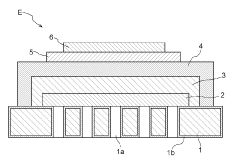
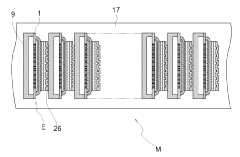
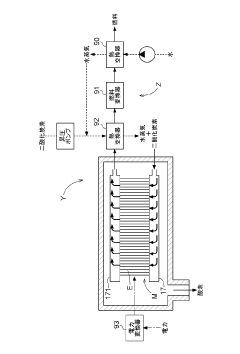
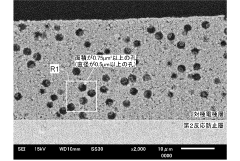
- A solid oxide electrolytic cell design with specific pore configurations in the electrode layers, including micron- and nano-order pores, and a reaction prevention layer to manage oxygen release and prevent peeling, supported by a metal substrate to maintain structural integrity.
Solid oxide electrolysis unit
PatentPendingUS20250297377A1
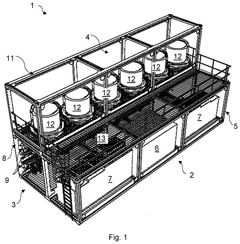
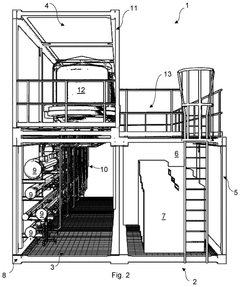
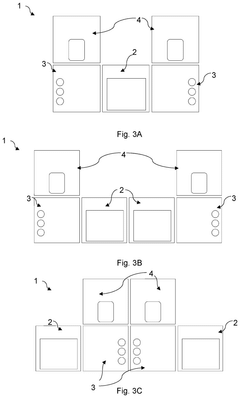
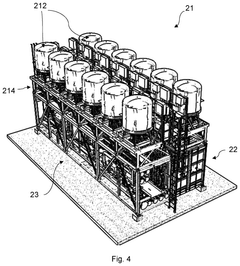
Innovation
- The arrangement of Solid Oxide Electrolysis cores above power supply and piping modules, with compact design of power supply and fluidic transfer components, reduces the footprint and simplifies maintenance by keeping connections short and accessible.
International Regulatory Compliance Requirements
The global market entry for Solid Oxide Electrolysis Cells (SOECs) necessitates comprehensive understanding of diverse international regulatory frameworks. Currently, there exists significant variation in regulatory requirements across major markets including the European Union, North America, and Asia-Pacific regions, creating complex compliance challenges for manufacturers and developers.
In the European Union, SOEC technologies must adhere to the Pressure Equipment Directive (PED 2014/68/EU) for high-temperature operation safety, the ATEX Directive (2014/34/EU) for explosive atmosphere considerations, and the RoHS Directive (2011/65/EU) restricting hazardous substances. Additionally, compliance with the CE marking process is mandatory, requiring extensive documentation and conformity assessment procedures.
North American markets present different regulatory landscapes. In the United States, SOEC systems must meet Department of Energy (DOE) standards and National Electrical Code (NEC) requirements. The Underwriters Laboratories (UL) certification is often necessary for commercial deployment, while Canadian markets require compliance with CSA Group standards. These certifications involve rigorous testing protocols for electrical safety, thermal management, and operational stability.
Asia-Pacific regulations vary significantly by country. Japan implements strict electrical safety standards through its PSE mark system, while China requires China Compulsory Certification (CCC) for energy products. South Korea's KC certification focuses on both safety and electromagnetic compatibility standards specific to hydrogen production technologies.
International standards organizations play crucial roles in harmonizing these requirements. The International Electrotechnical Commission (IEC) has developed IEC 62282 series standards applicable to fuel cells and related technologies, while ISO TC 197 addresses hydrogen technologies. These standards provide frameworks for safety, performance, and testing methodologies that facilitate global market access.
Emerging markets present additional regulatory considerations. Countries like India, Brazil, and South Africa are developing regulatory frameworks for hydrogen technologies, often adapting international standards to local conditions while implementing unique certification requirements that must be navigated separately.
Compliance costs represent a significant market entry barrier, with testing and certification expenses varying from $50,000 to $300,000 depending on target markets and application scope. Manufacturers must strategically prioritize certification pathways based on market potential and regulatory complexity to optimize resource allocation during global expansion.
In the European Union, SOEC technologies must adhere to the Pressure Equipment Directive (PED 2014/68/EU) for high-temperature operation safety, the ATEX Directive (2014/34/EU) for explosive atmosphere considerations, and the RoHS Directive (2011/65/EU) restricting hazardous substances. Additionally, compliance with the CE marking process is mandatory, requiring extensive documentation and conformity assessment procedures.
North American markets present different regulatory landscapes. In the United States, SOEC systems must meet Department of Energy (DOE) standards and National Electrical Code (NEC) requirements. The Underwriters Laboratories (UL) certification is often necessary for commercial deployment, while Canadian markets require compliance with CSA Group standards. These certifications involve rigorous testing protocols for electrical safety, thermal management, and operational stability.
Asia-Pacific regulations vary significantly by country. Japan implements strict electrical safety standards through its PSE mark system, while China requires China Compulsory Certification (CCC) for energy products. South Korea's KC certification focuses on both safety and electromagnetic compatibility standards specific to hydrogen production technologies.
International standards organizations play crucial roles in harmonizing these requirements. The International Electrotechnical Commission (IEC) has developed IEC 62282 series standards applicable to fuel cells and related technologies, while ISO TC 197 addresses hydrogen technologies. These standards provide frameworks for safety, performance, and testing methodologies that facilitate global market access.
Emerging markets present additional regulatory considerations. Countries like India, Brazil, and South Africa are developing regulatory frameworks for hydrogen technologies, often adapting international standards to local conditions while implementing unique certification requirements that must be navigated separately.
Compliance costs represent a significant market entry barrier, with testing and certification expenses varying from $50,000 to $300,000 depending on target markets and application scope. Manufacturers must strategically prioritize certification pathways based on market potential and regulatory complexity to optimize resource allocation during global expansion.
Certification Processes for Global Market Access
The certification process for Solid Oxide Electrolysis Cells (SOECs) represents a critical pathway for manufacturers seeking global market entry. These processes vary significantly across different regions, with major markets like the European Union, North America, and Asia-Pacific each maintaining distinct regulatory frameworks that manufacturers must navigate.
In the European Union, SOEC certification primarily revolves around compliance with the CE marking requirements, which involves adherence to several directives including the Pressure Equipment Directive (PED), Low Voltage Directive (LVD), and Electromagnetic Compatibility (EMC) Directive. Additionally, manufacturers must consider the RoHS and REACH regulations governing hazardous substances. The EU's certification process typically requires third-party verification from Notified Bodies, particularly for higher risk classifications.
North American markets present different challenges, with the United States requiring UL certification for electrical components and compliance with ASME standards for pressure vessels. The Canadian market follows CSA standards, while both countries increasingly emphasize compliance with energy efficiency metrics established by organizations like the Department of Energy (DOE) and Environmental Protection Agency (EPA).
The Asia-Pacific region exhibits greater regulatory fragmentation. Japan implements the JIS certification system with stringent quality and safety requirements. China's CCC (China Compulsory Certification) mark is mandatory for many electrical products, with additional requirements from the National Energy Administration for energy technologies. South Korea follows the KC mark system with specific energy technology standards.
International standards organizations play a crucial harmonizing role across these regional frameworks. The International Electrotechnical Commission (IEC) has developed standards specifically addressing fuel cells and related technologies (IEC 62282 series), which are increasingly being adapted for SOECs. Similarly, ISO standards provide frameworks for quality management (ISO 9001) and environmental management (ISO 14001) that are universally recognized.
For SOEC manufacturers, a strategic certification roadmap typically begins with identifying target markets and their specific requirements, followed by gap analysis against current product specifications. Testing protocols must be established in partnership with accredited laboratories, with documentation prepared according to regional specifications. Many manufacturers opt for a modular approach to certification, addressing core requirements applicable across multiple markets before tackling region-specific requirements.
The certification timeline varies significantly based on product complexity and target markets, typically ranging from 12-24 months for comprehensive global certification. Costs similarly vary, with estimates ranging from $50,000 to $500,000 for multi-regional certification programs, representing a significant investment for market entrants.
In the European Union, SOEC certification primarily revolves around compliance with the CE marking requirements, which involves adherence to several directives including the Pressure Equipment Directive (PED), Low Voltage Directive (LVD), and Electromagnetic Compatibility (EMC) Directive. Additionally, manufacturers must consider the RoHS and REACH regulations governing hazardous substances. The EU's certification process typically requires third-party verification from Notified Bodies, particularly for higher risk classifications.
North American markets present different challenges, with the United States requiring UL certification for electrical components and compliance with ASME standards for pressure vessels. The Canadian market follows CSA standards, while both countries increasingly emphasize compliance with energy efficiency metrics established by organizations like the Department of Energy (DOE) and Environmental Protection Agency (EPA).
The Asia-Pacific region exhibits greater regulatory fragmentation. Japan implements the JIS certification system with stringent quality and safety requirements. China's CCC (China Compulsory Certification) mark is mandatory for many electrical products, with additional requirements from the National Energy Administration for energy technologies. South Korea follows the KC mark system with specific energy technology standards.
International standards organizations play a crucial harmonizing role across these regional frameworks. The International Electrotechnical Commission (IEC) has developed standards specifically addressing fuel cells and related technologies (IEC 62282 series), which are increasingly being adapted for SOECs. Similarly, ISO standards provide frameworks for quality management (ISO 9001) and environmental management (ISO 14001) that are universally recognized.
For SOEC manufacturers, a strategic certification roadmap typically begins with identifying target markets and their specific requirements, followed by gap analysis against current product specifications. Testing protocols must be established in partnership with accredited laboratories, with documentation prepared according to regional specifications. Many manufacturers opt for a modular approach to certification, addressing core requirements applicable across multiple markets before tackling region-specific requirements.
The certification timeline varies significantly based on product complexity and target markets, typically ranging from 12-24 months for comprehensive global certification. Costs similarly vary, with estimates ranging from $50,000 to $500,000 for multi-regional certification programs, representing a significant investment for market entrants.
Unlock deeper insights with Patsnap Eureka Quick Research — get a full tech report to explore trends and direct your research. Try now!
Generate Your Research Report Instantly with AI Agent
Supercharge your innovation with Patsnap Eureka AI Agent Platform!