The Role of Computational Modeling in Lithium Iron Phosphate Battery Design
AUG 7, 20259 MIN READ
Generate Your Research Report Instantly with AI Agent
Patsnap Eureka helps you evaluate technical feasibility & market potential.
LFP Battery Modeling Background and Objectives
Computational modeling has emerged as a crucial tool in the design and optimization of lithium iron phosphate (LFP) batteries, revolutionizing the approach to battery development. The evolution of this technology can be traced back to the early 2000s when LFP batteries were first commercialized. Since then, the field has witnessed significant advancements in modeling techniques, driven by the increasing demand for high-performance, safe, and cost-effective energy storage solutions.
The primary objective of computational modeling in LFP battery design is to enhance battery performance, longevity, and safety while reducing development time and costs. This approach allows researchers and engineers to simulate and predict battery behavior under various conditions, optimizing design parameters without the need for extensive physical prototyping. As the complexity of battery systems has grown, so too has the sophistication of modeling techniques, incorporating multiphysics simulations that account for electrochemical, thermal, and mechanical processes simultaneously.
Recent trends in LFP battery modeling include the integration of artificial intelligence and machine learning algorithms to improve predictive accuracy and enable real-time optimization. These advanced techniques are particularly valuable in addressing the challenges of fast charging, capacity fade, and thermal management – key areas of focus in current LFP battery research. The development of multi-scale models, ranging from atomic-level simulations to system-level analyses, has also become a prominent feature of modern computational approaches.
The technological trajectory of LFP battery modeling is closely aligned with broader trends in computational power and data analytics. As high-performance computing capabilities continue to expand, more complex and detailed simulations become feasible, allowing for increasingly accurate predictions of battery performance and degradation mechanisms. This progression is expected to lead to the development of 'digital twins' for LFP batteries, enabling real-time monitoring and predictive maintenance in various applications, from electric vehicles to grid-scale energy storage systems.
Looking ahead, the field of computational modeling for LFP batteries is poised for further innovation. Key objectives include the development of more accurate multi-physics models, improved integration of experimental data with simulation results, and the application of advanced optimization algorithms to battery design. These advancements aim to address persistent challenges in LFP technology, such as improving energy density, enhancing low-temperature performance, and extending cycle life. By leveraging computational modeling, researchers and industry leaders are working towards the next generation of LFP batteries that will play a crucial role in the global transition to sustainable energy systems.
The primary objective of computational modeling in LFP battery design is to enhance battery performance, longevity, and safety while reducing development time and costs. This approach allows researchers and engineers to simulate and predict battery behavior under various conditions, optimizing design parameters without the need for extensive physical prototyping. As the complexity of battery systems has grown, so too has the sophistication of modeling techniques, incorporating multiphysics simulations that account for electrochemical, thermal, and mechanical processes simultaneously.
Recent trends in LFP battery modeling include the integration of artificial intelligence and machine learning algorithms to improve predictive accuracy and enable real-time optimization. These advanced techniques are particularly valuable in addressing the challenges of fast charging, capacity fade, and thermal management – key areas of focus in current LFP battery research. The development of multi-scale models, ranging from atomic-level simulations to system-level analyses, has also become a prominent feature of modern computational approaches.
The technological trajectory of LFP battery modeling is closely aligned with broader trends in computational power and data analytics. As high-performance computing capabilities continue to expand, more complex and detailed simulations become feasible, allowing for increasingly accurate predictions of battery performance and degradation mechanisms. This progression is expected to lead to the development of 'digital twins' for LFP batteries, enabling real-time monitoring and predictive maintenance in various applications, from electric vehicles to grid-scale energy storage systems.
Looking ahead, the field of computational modeling for LFP batteries is poised for further innovation. Key objectives include the development of more accurate multi-physics models, improved integration of experimental data with simulation results, and the application of advanced optimization algorithms to battery design. These advancements aim to address persistent challenges in LFP technology, such as improving energy density, enhancing low-temperature performance, and extending cycle life. By leveraging computational modeling, researchers and industry leaders are working towards the next generation of LFP batteries that will play a crucial role in the global transition to sustainable energy systems.
Market Analysis for LFP Battery Applications
The market for Lithium Iron Phosphate (LFP) batteries has experienced significant growth in recent years, driven by their superior safety, longer cycle life, and lower cost compared to other lithium-ion battery chemistries. The automotive sector has emerged as the primary driver of LFP battery demand, with electric vehicles (EVs) accounting for a substantial portion of the market. Major automakers have increasingly adopted LFP batteries for their entry-level and mid-range EV models, particularly in China and Europe.
The energy storage system (ESS) sector represents another rapidly expanding market for LFP batteries. Grid-scale energy storage applications, residential solar-plus-storage systems, and commercial building energy management solutions have all contributed to the growing demand. LFP batteries' inherent safety characteristics and long cycle life make them particularly attractive for these stationary storage applications.
In the consumer electronics segment, LFP batteries have found niche applications in devices requiring high safety standards and long service life, such as power tools and certain types of portable electronics. However, their lower energy density compared to other lithium-ion chemistries has limited their adoption in smartphones and laptops.
The industrial and marine sectors have also shown increasing interest in LFP batteries. Forklifts, automated guided vehicles (AGVs), and other material handling equipment have begun transitioning to LFP-powered systems. Similarly, the marine industry has started adopting LFP batteries for various applications, including hybrid and fully electric propulsion systems for smaller vessels.
Geographically, China dominates the LFP battery market, both in terms of production and consumption. The country's strong government support for electric vehicles and energy storage systems has been a key factor in driving market growth. However, other regions, particularly Europe and North America, are rapidly expanding their LFP battery production capabilities to reduce dependence on Chinese suppliers and meet growing domestic demand.
Looking ahead, the LFP battery market is expected to continue its robust growth trajectory. Technological advancements in LFP chemistry, such as improvements in energy density and fast-charging capabilities, are likely to further expand its application areas. The ongoing shift towards renewable energy sources and the increasing need for grid stabilization are expected to drive demand in the energy storage sector. In the automotive industry, the push for more affordable electric vehicles is likely to sustain the demand for LFP batteries in entry-level and mid-range models.
The energy storage system (ESS) sector represents another rapidly expanding market for LFP batteries. Grid-scale energy storage applications, residential solar-plus-storage systems, and commercial building energy management solutions have all contributed to the growing demand. LFP batteries' inherent safety characteristics and long cycle life make them particularly attractive for these stationary storage applications.
In the consumer electronics segment, LFP batteries have found niche applications in devices requiring high safety standards and long service life, such as power tools and certain types of portable electronics. However, their lower energy density compared to other lithium-ion chemistries has limited their adoption in smartphones and laptops.
The industrial and marine sectors have also shown increasing interest in LFP batteries. Forklifts, automated guided vehicles (AGVs), and other material handling equipment have begun transitioning to LFP-powered systems. Similarly, the marine industry has started adopting LFP batteries for various applications, including hybrid and fully electric propulsion systems for smaller vessels.
Geographically, China dominates the LFP battery market, both in terms of production and consumption. The country's strong government support for electric vehicles and energy storage systems has been a key factor in driving market growth. However, other regions, particularly Europe and North America, are rapidly expanding their LFP battery production capabilities to reduce dependence on Chinese suppliers and meet growing domestic demand.
Looking ahead, the LFP battery market is expected to continue its robust growth trajectory. Technological advancements in LFP chemistry, such as improvements in energy density and fast-charging capabilities, are likely to further expand its application areas. The ongoing shift towards renewable energy sources and the increasing need for grid stabilization are expected to drive demand in the energy storage sector. In the automotive industry, the push for more affordable electric vehicles is likely to sustain the demand for LFP batteries in entry-level and mid-range models.
Current Challenges in LFP Battery Modeling
Computational modeling of Lithium Iron Phosphate (LFP) batteries faces several significant challenges that hinder the accurate prediction of battery performance and optimization of design parameters. One of the primary obstacles is the complex multiscale nature of battery systems, which requires integrating phenomena occurring at atomic, molecular, and macroscopic levels. This multiscale modeling approach is computationally intensive and often requires simplifications that may compromise accuracy.
Another major challenge lies in accurately representing the phase transition behavior of LFP during charge and discharge cycles. The two-phase reaction mechanism of LFP involves the coexistence of lithium-rich and lithium-poor phases, which is difficult to capture in conventional continuum models. This phase transition significantly affects the battery's performance and cycle life, making it crucial for accurate modeling.
The heterogeneous structure of LFP electrodes presents additional modeling difficulties. The distribution of active material, conductive additives, and binders within the electrode affects local reaction rates and transport properties. Capturing these spatial variations and their impact on overall battery performance remains a significant challenge in current modeling approaches.
Furthermore, the degradation mechanisms of LFP batteries over extended cycling are not fully understood, making it challenging to incorporate accurate aging models into computational simulations. Factors such as particle cracking, SEI layer growth, and loss of active material contribute to capacity fade and increased internal resistance, but their precise effects and interactions are difficult to quantify and model accurately.
The dynamic nature of battery operation also poses challenges for computational modeling. Transient phenomena, such as temperature fluctuations, state-of-charge variations, and current distribution, require sophisticated time-dependent models that are computationally expensive. Balancing model complexity with computational efficiency remains an ongoing challenge in LFP battery modeling.
Lastly, the validation of computational models against experimental data presents its own set of challenges. The limited availability of in-situ measurement techniques for battery internals makes it difficult to obtain high-resolution data for model validation. Additionally, the variability in battery manufacturing processes and materials can lead to discrepancies between modeled and experimental results, necessitating robust uncertainty quantification methods in computational modeling approaches.
Another major challenge lies in accurately representing the phase transition behavior of LFP during charge and discharge cycles. The two-phase reaction mechanism of LFP involves the coexistence of lithium-rich and lithium-poor phases, which is difficult to capture in conventional continuum models. This phase transition significantly affects the battery's performance and cycle life, making it crucial for accurate modeling.
The heterogeneous structure of LFP electrodes presents additional modeling difficulties. The distribution of active material, conductive additives, and binders within the electrode affects local reaction rates and transport properties. Capturing these spatial variations and their impact on overall battery performance remains a significant challenge in current modeling approaches.
Furthermore, the degradation mechanisms of LFP batteries over extended cycling are not fully understood, making it challenging to incorporate accurate aging models into computational simulations. Factors such as particle cracking, SEI layer growth, and loss of active material contribute to capacity fade and increased internal resistance, but their precise effects and interactions are difficult to quantify and model accurately.
The dynamic nature of battery operation also poses challenges for computational modeling. Transient phenomena, such as temperature fluctuations, state-of-charge variations, and current distribution, require sophisticated time-dependent models that are computationally expensive. Balancing model complexity with computational efficiency remains an ongoing challenge in LFP battery modeling.
Lastly, the validation of computational models against experimental data presents its own set of challenges. The limited availability of in-situ measurement techniques for battery internals makes it difficult to obtain high-resolution data for model validation. Additionally, the variability in battery manufacturing processes and materials can lead to discrepancies between modeled and experimental results, necessitating robust uncertainty quantification methods in computational modeling approaches.
State-of-the-Art Computational Modeling Approaches
01 Electrode composition and structure
Optimizing the composition and structure of electrodes is crucial for lithium iron phosphate battery design. This includes developing novel cathode materials, improving the conductivity of active materials, and designing electrode structures that enhance ion transport and electron transfer. Innovations in this area focus on increasing energy density, power output, and overall battery performance.- Electrode material composition and structure: The design of lithium iron phosphate batteries focuses on optimizing the composition and structure of electrode materials. This includes developing novel cathode materials with improved conductivity and stability, as well as enhancing the structure of the anode to increase energy density and cycling performance. Innovations in this area aim to improve overall battery efficiency and longevity.
- Electrolyte formulation and additives: Advancements in electrolyte formulations play a crucial role in lithium iron phosphate battery design. This involves developing new electrolyte compositions and additives that enhance ionic conductivity, improve the solid electrolyte interphase (SEI) formation, and increase the battery's thermal stability. These innovations contribute to better battery performance and safety.
- Battery cell and pack design: The design of battery cells and packs is critical for optimizing the performance of lithium iron phosphate batteries. This includes innovations in cell geometry, pack configuration, and thermal management systems. These design aspects aim to improve energy density, reduce weight, enhance cooling efficiency, and ensure overall battery safety.
- Manufacturing processes and techniques: Advancements in manufacturing processes and techniques are essential for improving the quality and cost-effectiveness of lithium iron phosphate batteries. This includes innovations in electrode coating methods, assembly techniques, and quality control processes. These improvements aim to enhance battery consistency, reduce production costs, and increase manufacturing scalability.
- Battery management and control systems: The development of advanced battery management and control systems is crucial for optimizing the performance and lifespan of lithium iron phosphate batteries. This includes innovations in state-of-charge estimation, cell balancing techniques, and safety monitoring systems. These advancements aim to improve battery efficiency, extend cycle life, and enhance overall system reliability.
02 Electrolyte formulation
Developing advanced electrolyte formulations is essential for improving the performance and safety of lithium iron phosphate batteries. This involves creating new electrolyte compositions, additives, and solvents that enhance ionic conductivity, reduce side reactions, and improve the stability of the solid electrolyte interphase (SEI) layer. These advancements contribute to better cycle life, faster charging capabilities, and improved safety characteristics.Expand Specific Solutions03 Battery management systems
Implementing sophisticated battery management systems (BMS) is crucial for optimizing the performance and longevity of lithium iron phosphate batteries. These systems monitor and control various parameters such as voltage, current, temperature, and state of charge. Advanced BMS designs incorporate features like cell balancing, thermal management, and predictive maintenance algorithms to enhance battery efficiency, safety, and lifespan.Expand Specific Solutions04 Manufacturing processes
Improving manufacturing processes is key to enhancing the quality and reducing the cost of lithium iron phosphate batteries. This includes developing new synthesis methods for active materials, optimizing electrode coating and drying techniques, and implementing advanced assembly processes. Innovations in this area focus on increasing production efficiency, improving material utilization, and ensuring consistent battery performance.Expand Specific Solutions05 Battery pack design and integration
Optimizing battery pack design and integration is essential for maximizing the performance and safety of lithium iron phosphate battery systems. This involves developing innovative cooling systems, improving cell interconnection methods, and designing modular pack architectures. Advanced pack designs focus on enhancing energy density, thermal management, and overall system reliability while considering factors such as weight distribution and ease of maintenance.Expand Specific Solutions
Key Players in LFP Battery Modeling Industry
The computational modeling of lithium iron phosphate (LFP) battery design is in a growth phase, with increasing market size and technological advancements. The global LFP battery market is expanding rapidly, driven by the rising demand for electric vehicles and energy storage systems. While the technology is relatively mature, ongoing research and development efforts are focused on improving performance and efficiency. Key players in this field include established companies like LG Energy Solution Ltd. and Robert Bosch GmbH, as well as emerging firms like Mitra Chem, Inc. Academic institutions such as Tsinghua University and Carnegie Mellon University are also contributing significantly to the advancement of computational modeling techniques for LFP batteries, fostering innovation and pushing the boundaries of battery design capabilities.
LG Energy Solution Ltd.
Technical Solution: LG Energy Solution employs advanced computational modeling techniques to optimize lithium iron phosphate (LFP) battery design. Their approach integrates multi-scale modeling, from atomic-level simulations to cell-level performance predictions. They use density functional theory (DFT) calculations to investigate electronic structures and ion diffusion pathways[1]. At the mesoscale, they employ phase-field models to study the phase transformation dynamics during charge-discharge cycles[3]. For cell-level simulations, they utilize electrochemical-thermal coupled models to predict battery performance under various operating conditions[5]. This comprehensive modeling strategy allows LG to fine-tune LFP cathode compositions, optimize particle morphologies, and enhance overall battery performance.
Strengths: Holistic approach combining atomic to cell-level modeling, enabling precise optimization of LFP battery components. Weaknesses: High computational costs and potential challenges in validating complex multi-scale models against experimental data.
Toyota Motor Corp.
Technical Solution: Toyota's computational modeling approach for LFP battery design focuses on enhancing energy density and fast-charging capabilities. They employ machine learning algorithms to predict optimal cathode compositions and structures[2]. Their models incorporate artificial intelligence to simulate the impact of various electrolyte formulations on battery performance and longevity[4]. Toyota also utilizes advanced finite element analysis (FEA) to optimize battery pack designs for thermal management and structural integrity[6]. Additionally, they have developed proprietary software that combines electrochemical and thermal models to predict battery degradation over time, enabling more accurate lifetime predictions for their electric vehicles[8].
Strengths: Integration of AI and machine learning with traditional modeling techniques, allowing for rapid iteration and optimization. Weaknesses: Potential over-reliance on simulations may lead to overlooking unforeseen real-world factors affecting battery performance.
Breakthrough Algorithms in LFP Battery Simulation
Lithium iron phosphate battery and its preparation method
PatentInactiveJP2022527237A
Innovation
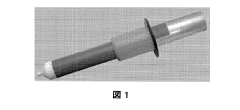
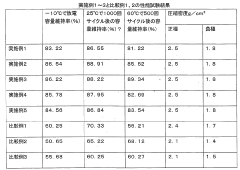
- Incorporation of carbon nanotubes, graphene, fullerene, nanowires, and nanotitanium into the electrode materials, along with a specific electrolyte composition containing catechol diacetate, to enhance the wettability and improve the battery's performance.


Lithium iron phosphate ion battery and method for manufacturing lithium iron phosphate ion battery
PatentWO2024218822A1
Innovation
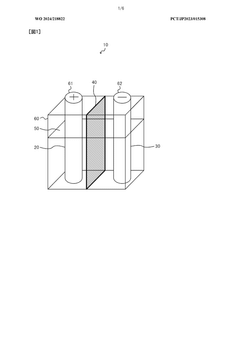
- Incorporating amorphous carbon with 5% or less fullerene or carbon nanotubes into the positive and negative electrodes of lithium iron phosphate batteries to reduce electrical resistance and enhance discharge energy.


Environmental Impact of LFP Battery Production
The environmental impact of Lithium Iron Phosphate (LFP) battery production is a critical consideration in the broader context of sustainable energy solutions. LFP batteries have gained significant attention due to their improved safety, longer lifespan, and lower cost compared to other lithium-ion battery chemistries. However, their production process still carries environmental implications that warrant careful examination.
The extraction of raw materials for LFP batteries, particularly lithium and iron, can have substantial environmental consequences. Mining operations often lead to habitat disruption, soil erosion, and water pollution. The processing of these materials also requires significant energy input, contributing to greenhouse gas emissions. However, compared to other battery chemistries, LFP batteries use more abundant and less toxic materials, potentially reducing the overall environmental burden of resource extraction.
Manufacturing LFP batteries involves energy-intensive processes, including the synthesis of cathode materials and the assembly of battery cells. These processes contribute to carbon emissions, particularly in regions where the energy grid relies heavily on fossil fuels. However, advancements in manufacturing techniques and the increasing use of renewable energy in production facilities are gradually reducing the carbon footprint of LFP battery production.
Water usage is another significant environmental concern in LFP battery production. The manufacturing process requires substantial amounts of water for cooling and cleaning purposes. Proper water management and recycling systems are essential to minimize the impact on local water resources and prevent the release of contaminated wastewater into the environment.
The use of organic solvents and other chemicals in the production process also raises environmental concerns. These substances can contribute to air and water pollution if not properly managed. However, ongoing research is focused on developing more environmentally friendly production methods, including the use of water-based processes and less harmful solvents.
End-of-life considerations are crucial when assessing the environmental impact of LFP batteries. While these batteries have a longer lifespan than many other types, they eventually require disposal or recycling. The development of efficient recycling processes for LFP batteries is an active area of research, aiming to recover valuable materials and reduce the need for primary resource extraction.
Computational modeling plays a significant role in addressing these environmental challenges. By simulating and optimizing production processes, researchers can identify more efficient and less resource-intensive manufacturing methods. Models can also help in designing batteries with improved recyclability and reduced environmental impact throughout their lifecycle.
The extraction of raw materials for LFP batteries, particularly lithium and iron, can have substantial environmental consequences. Mining operations often lead to habitat disruption, soil erosion, and water pollution. The processing of these materials also requires significant energy input, contributing to greenhouse gas emissions. However, compared to other battery chemistries, LFP batteries use more abundant and less toxic materials, potentially reducing the overall environmental burden of resource extraction.
Manufacturing LFP batteries involves energy-intensive processes, including the synthesis of cathode materials and the assembly of battery cells. These processes contribute to carbon emissions, particularly in regions where the energy grid relies heavily on fossil fuels. However, advancements in manufacturing techniques and the increasing use of renewable energy in production facilities are gradually reducing the carbon footprint of LFP battery production.
Water usage is another significant environmental concern in LFP battery production. The manufacturing process requires substantial amounts of water for cooling and cleaning purposes. Proper water management and recycling systems are essential to minimize the impact on local water resources and prevent the release of contaminated wastewater into the environment.
The use of organic solvents and other chemicals in the production process also raises environmental concerns. These substances can contribute to air and water pollution if not properly managed. However, ongoing research is focused on developing more environmentally friendly production methods, including the use of water-based processes and less harmful solvents.
End-of-life considerations are crucial when assessing the environmental impact of LFP batteries. While these batteries have a longer lifespan than many other types, they eventually require disposal or recycling. The development of efficient recycling processes for LFP batteries is an active area of research, aiming to recover valuable materials and reduce the need for primary resource extraction.
Computational modeling plays a significant role in addressing these environmental challenges. By simulating and optimizing production processes, researchers can identify more efficient and less resource-intensive manufacturing methods. Models can also help in designing batteries with improved recyclability and reduced environmental impact throughout their lifecycle.
Standardization of Battery Modeling Practices
The standardization of battery modeling practices is crucial for advancing the field of lithium iron phosphate (LFP) battery design and development. As computational modeling plays an increasingly important role in battery research, establishing common frameworks and methodologies becomes essential for ensuring consistency, reproducibility, and comparability of results across different research groups and industries.
One key aspect of standardization is the development of agreed-upon protocols for model parameterization and validation. This includes defining standard sets of input parameters, measurement techniques, and data formats for characterizing battery materials and components. By adopting these protocols, researchers can more easily share and compare their models, leading to faster progress in understanding and optimizing LFP battery performance.
Another critical area for standardization is the establishment of benchmark problems and datasets. These serve as reference points for evaluating and comparing different modeling approaches. By creating a set of well-defined test cases that cover various aspects of LFP battery behavior, the community can assess the strengths and limitations of different models more objectively. This also helps in identifying areas where current models may be inadequate and guides future research efforts.
Standardization efforts should also focus on developing common terminology and nomenclature for describing battery models and their components. This includes agreeing on definitions for key terms, units of measurement, and conventions for representing battery structures and processes. A unified language facilitates clearer communication among researchers and makes it easier to interpret and build upon existing work.
Furthermore, the standardization of software interfaces and data exchange formats is essential for promoting interoperability between different modeling tools and platforms. This allows researchers to more easily integrate various modeling approaches and leverage the strengths of different software packages. It also supports the development of modular modeling frameworks that can be easily extended and customized for specific research needs.
Lastly, establishing best practices for model documentation and reporting is crucial for ensuring transparency and reproducibility in battery modeling research. This includes guidelines for describing model assumptions, limitations, and uncertainties, as well as recommendations for presenting results in a clear and consistent manner. By adhering to these standards, researchers can enhance the credibility and impact of their work, while also facilitating easier replication and validation by others in the field.
One key aspect of standardization is the development of agreed-upon protocols for model parameterization and validation. This includes defining standard sets of input parameters, measurement techniques, and data formats for characterizing battery materials and components. By adopting these protocols, researchers can more easily share and compare their models, leading to faster progress in understanding and optimizing LFP battery performance.
Another critical area for standardization is the establishment of benchmark problems and datasets. These serve as reference points for evaluating and comparing different modeling approaches. By creating a set of well-defined test cases that cover various aspects of LFP battery behavior, the community can assess the strengths and limitations of different models more objectively. This also helps in identifying areas where current models may be inadequate and guides future research efforts.
Standardization efforts should also focus on developing common terminology and nomenclature for describing battery models and their components. This includes agreeing on definitions for key terms, units of measurement, and conventions for representing battery structures and processes. A unified language facilitates clearer communication among researchers and makes it easier to interpret and build upon existing work.
Furthermore, the standardization of software interfaces and data exchange formats is essential for promoting interoperability between different modeling tools and platforms. This allows researchers to more easily integrate various modeling approaches and leverage the strengths of different software packages. It also supports the development of modular modeling frameworks that can be easily extended and customized for specific research needs.
Lastly, establishing best practices for model documentation and reporting is crucial for ensuring transparency and reproducibility in battery modeling research. This includes guidelines for describing model assumptions, limitations, and uncertainties, as well as recommendations for presenting results in a clear and consistent manner. By adhering to these standards, researchers can enhance the credibility and impact of their work, while also facilitating easier replication and validation by others in the field.
Unlock deeper insights with Patsnap Eureka Quick Research — get a full tech report to explore trends and direct your research. Try now!
Generate Your Research Report Instantly with AI Agent
Supercharge your innovation with Patsnap Eureka AI Agent Platform!