Patient interface systems

A cushion and face mask technology, applied in the direction of breathing masks, etc., can solve problems such as inflammation, skin damage, and markings

CN101954139AActive Publication Date: 2011-01-26RESMED LTD
10 Cites 19 Cited by

Patent Information

Authority / Receiving Office
CN · China
Current Assignee / Owner
Publication Date
2011-01-26

Smart Images

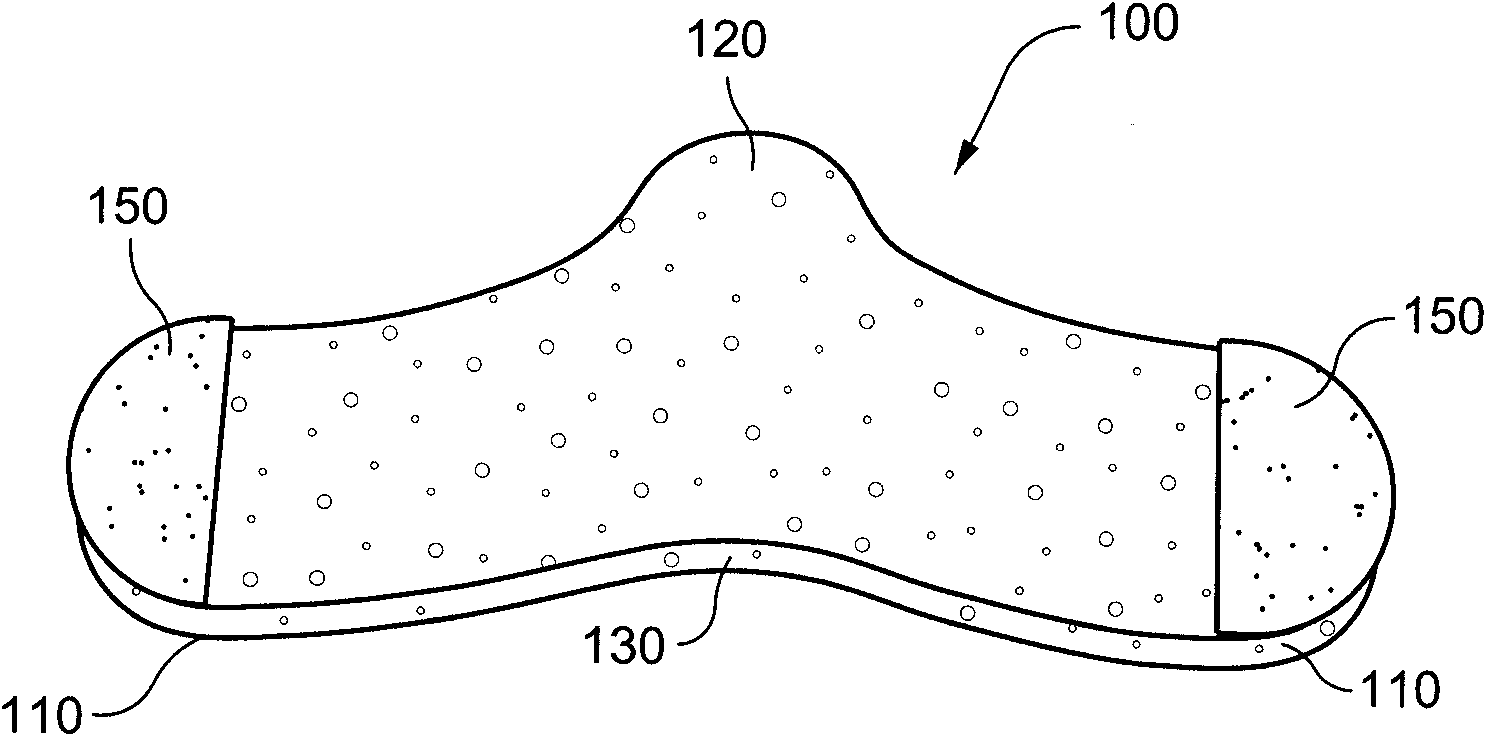
  • Figure 1
    Figure 1
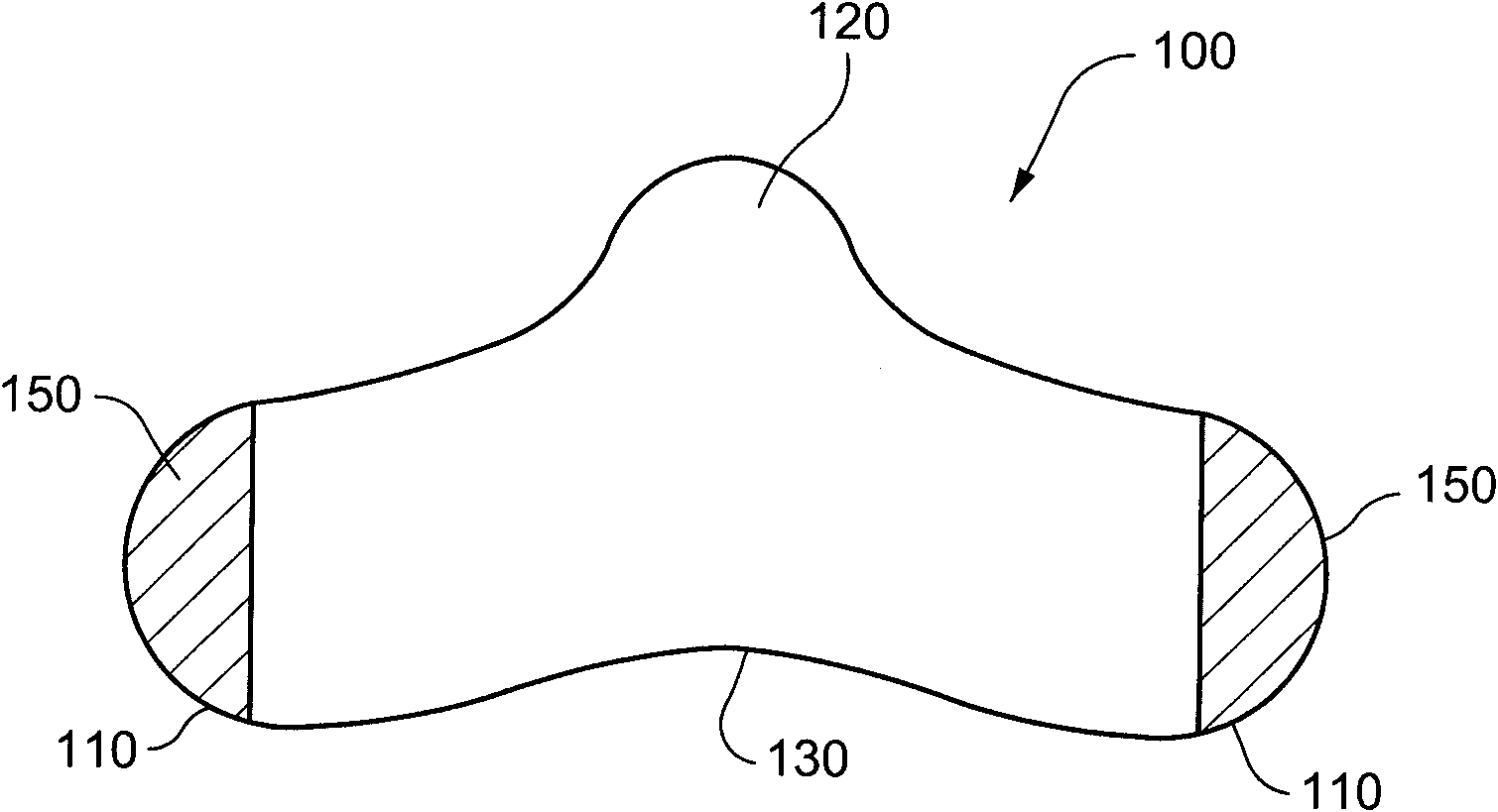
  • Figure 2
    Figure 2
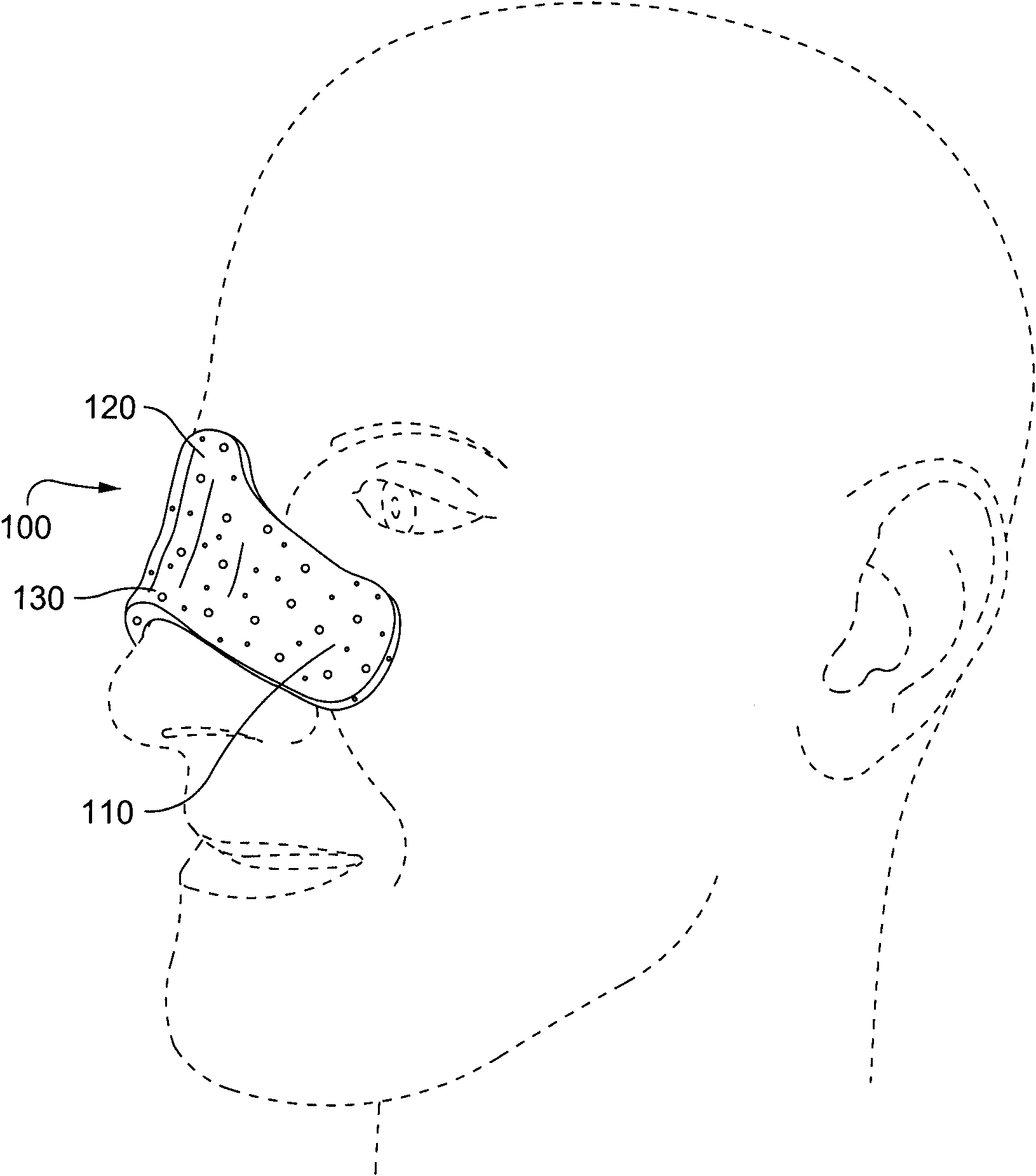
  • Figure 3
    Figure 3
Patent Text Reader

Abstract

A cushion pad for a mask worn by a patient, comprising a first side to contact skin of the patient, and a second side, opposite the first side, to contact or face the mask. The pad has a main body portion having a central portion shaped to cover a portion of the patient's nose extending from above the nose tip to the nasal bridge region without obstructing the patient's line of sight, and lateral side portions to extend downward and terminate along the sides of the nose or on the patient's cheeks. The main body is made of a breathable material, e.g., foam. The pad may include adhesive and / or an attached portion, e.g., a ring, to couple the pad to the patient and / or portion of the mask.
Need to check novelty before this filing date? Find Prior Art

Description

[0001] Citations from earlier applications

[0002] This application claims the benefit of Australian Application No. 2009903495, filed 24 July 2009, and is a continuation-in-part of US Application No. 12 / 478,537, filed 4 June 2009, US Application No. 12 / 478,537 Claiming the benefit of U.S. Provisional Application No. 61 / 058,659, filed June 4, 2008, U.S. Provisional Application No. 61 / 080,847, filed July 15, 2008, the entire contents of each of which are incorporated by reference merged here. technical field

[0003] The invention relates to a cushion for a respiratory mask for respiratory therapy of a patient. Various respiratory conditions include sleep-disordered breathing (SDB), and specifically obstructive sleep apnea (OSA). Respiratory therapies for the treatment of these conditions include continuous positive airway pressure (CPAP), non-invasive positive airway pressure (NIPPV) and variable positive airway pressure (VPAP). Background technique

[0004] Typically, r...

Examples

Embodiment Construction

[0042] Generally, a mask system includes a frame, a cushion, and a headgear. The frame anchors the pads in place and allows for the attachment of the headgear. Typically, the frame is a rigid or semi-rigid component, such as polycarbonate. The cushion can seal against the patient's face to provide therapy to the patient. Typically, the pad is a flexible element made, for example, of silicone. In use, the headgear secures and supports the frame and pads in place on the patient's face. Typically, headgear is a flexible or semi-rigid element, such as fabric.

[0043] Due to various reasons such as unique facial contours, some patients may have difficulty achieving a seal when the mask system is placed on the patient's face (dynamic as well as static). Some patients may experience discomfort such as irritation due to prolonged contact with the mask system, especially the cushions. Additionally, if a patient has broken skin that may come into contact with the mask system, the ...