
Display for immersive window effect
A display and display screen technology, applied in the direction of instruments, window devices, TV system components, etc., can solve the problem of poor immersion
- Summary
- Abstract
- Description
- Claims
- Application Information
AI Technical Summary
Problems solved by technology
Method used
Image

Examples
Embodiment Construction
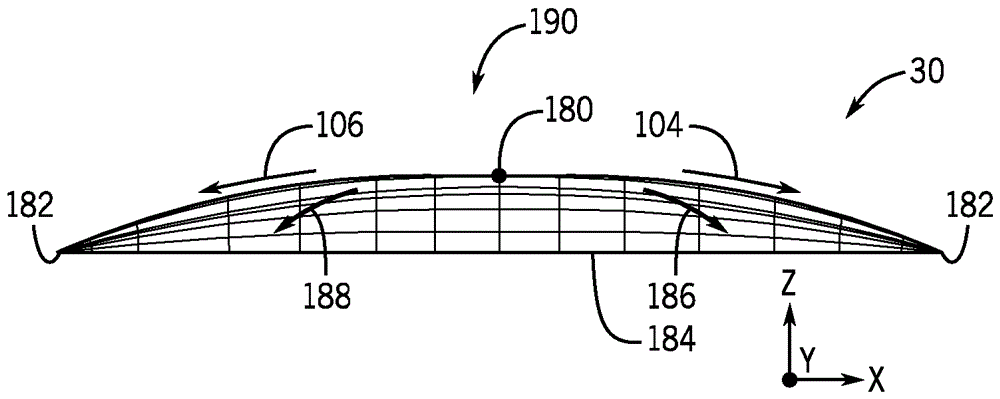
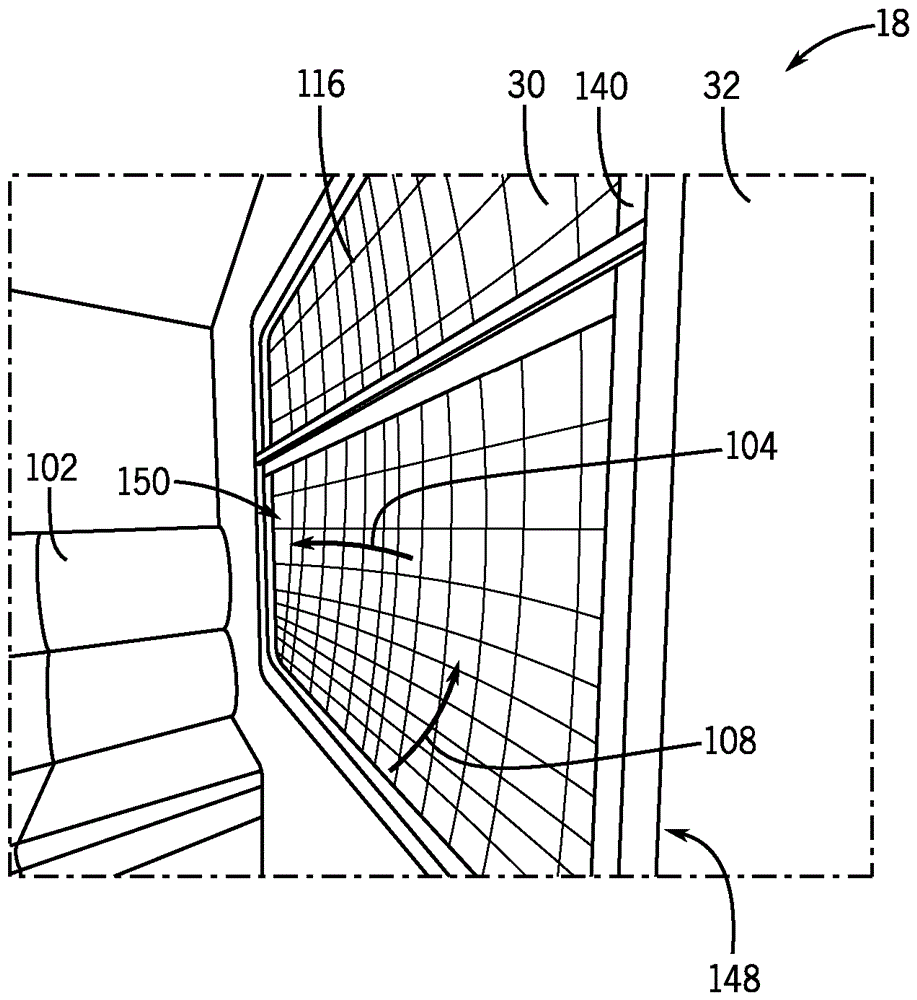
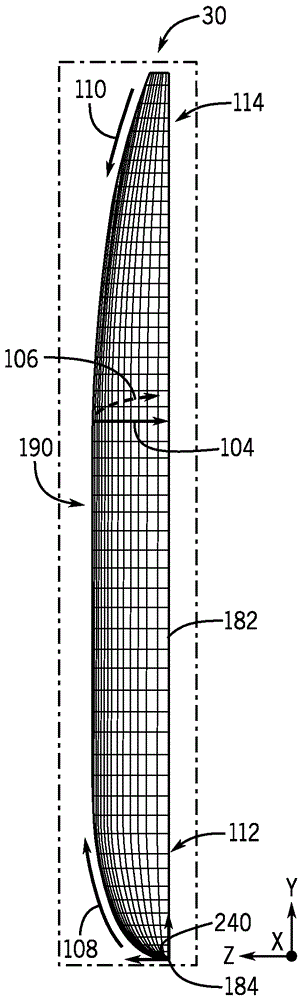
[0028] In traditional two-dimensional displays used in rides, a viewer looking at the scene provided by the display may believe that the scene is real as long as the viewer is within the proper viewing angle and distance of the display (i.e. immersive). But as the viewer moves closer to the display or moves out of the viewing angle of the display (while still seeing the display), the display may not behave as expected. In fact, in a typical display-based ride, the passenger platform includes the passenger's seat. The seat holds the occupant in proper relationship to the display, thereby maintaining the realism of the display. But such rides do not enable passengers to move within the platform. Furthermore, displays are often restricted to the front or rear of the platform at a relatively large distance from the passengers. It is now recognized that these limitations may be undesirable, for example, in a certain area of an amusement park dedicated to a particular theme, su...
PUM
 Login to View More
 Abstract
Description
Claims
Application Information
 Login to View More