
Novel zoom lens
A zoom lens and zoom lens technology, applied in the field of zoom lenses, can solve the problems of inability to meet the requirements of photographic zoom lenses, reduce the use effect of corner lenses, and be inconvenient for users to carry, and achieve a guaranteed price advantage, flexible and variable shooting angles, The effect of mature production process
Patent Information
- Authority / Receiving Office
- CN · China
- Patent Type
- Applications(China)
- Current Assignee / Owner
- Publication Date
- 2020-10-20
Smart Images
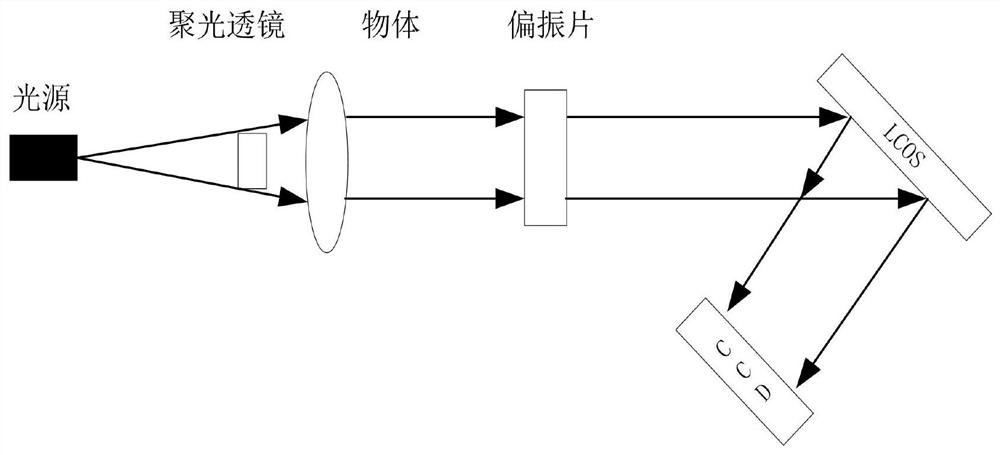
Figure 1 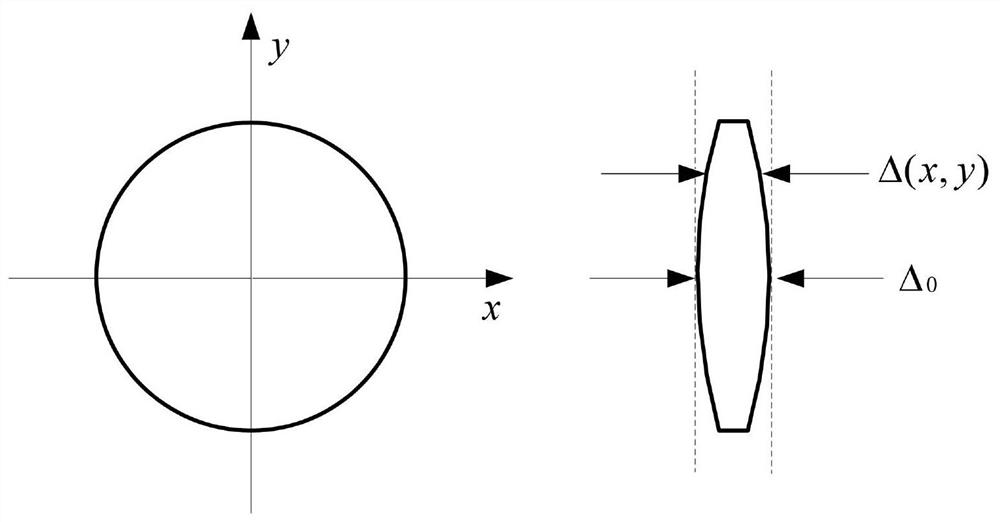
Figure 2 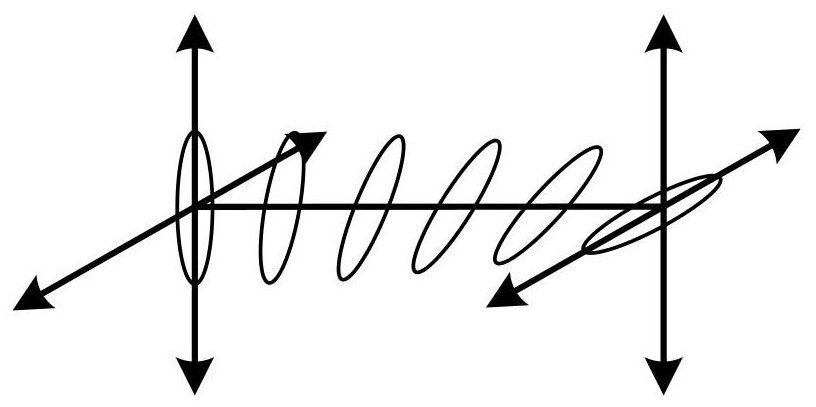
Figure 3
Abstract
Description
technical field
[0001] The invention relates to the technical field of zoom lenses, in particular to a novel zoom lens. Background technique
[0002] At present, all image-capturing products on the market must be equipped with zoom lenses, especially in mid-to-high-end applications. Zoom cameras are very expensive, and to achieve ideal shooting effects, the technical requirements for operators are also relatively high.
[0003] Most of the zoom cameras on the market have complex internal structures and large sizes, resulting in heavy weight, which is not convenient for users to carry, and cannot be combined with existing monitoring and photographic equipment according to actual needs, resulting in failure to meet mid-to-high-end cameras. The requirements for video surveillance and photography zoom lenses greatly reduce the actual use effect of the corner lens, which is not conducive to the use of users, and it is impossible to achieve optical zoom without mechanically moving...
Examples
Embodiment
[0021] see figure 1 , the present invention provides a technical solution: a novel zoom lens, including a zoom lens, the zoom lens is composed of a condenser lens, a polarizer, an LCOS and a CCD, specifically, the LCOS model is MD1280, and the condenser lens There is a polarizer on one side, and the condensing lens is composed of light-dense material. The propagation speed of the light source in the condensing lens is smaller than its propagation speed in the air. The light source is incident on one side of the lens, and the Exit, specifically, it is assumed that the beam of light enters the lens from a point whose coordinate point is (x, y), and exits from approximately the same position relative to this point. That is, if the translation that occurs as light propagates inside the lens is ignored, the lens can act as a thin lens. A thin lens can delay the incident wavefront, and the size of the delayed incident wavefront is proportional to the thickness of each point of the ...